Last updated November 18, 2026





Free written scope consultation - allowances, timeline, and change-order rules on paper before a single trade is scheduled
DIY vs Professional Construction: The Cutler Bay Homeowner’s Decision Guide
Florida’s owner-builder exemption lets you legally build your own home without a contractor’s license. Here’s the part most Cutler Bay homeowners discover too late: your insurance carrier’s policy language may contain a workmanship exclusion that voids wind-damage claims on any structural work not completed by a licensed contractor. That single clause changes the DIY math entirely. This guide covers what the exemption actually permits, how to read your own policy for the exclusion, which projects are genuinely low-risk in Cutler Bay, and how a hybrid owner-managed build works when you’re calling the shots.
Quick Answer
DIY is a reasonable choice in Cutler Bay for non-structural cosmetic work like interior paint, trim, flooring over a sound substrate, and landscaping outside the flood zone. Anything structural, anything touching electrical, plumbing, or mechanical systems, and anything that changes the building envelope in Miami-Dade’s High-Velocity Hurricane Zone (HVHZ) should go to a licensed contractor, because an owner-builder permit can trigger a workmanship exclusion in your homeowners policy and create a disclosure problem at resale.
Styles & brands we work with
- Kitchen remodeling
- Bathroom remodeling
- Home additions & ADU
- Roofing
- Windows & doors
- Driveway & pavers
- Fence
Table of Contents
- What Florida’s Owner-Builder Exemption Actually Allows
- The Workmanship Exclusion: Reading the Clause That Voids Claims
- Why Cutler Bay’s HVHZ Status Raises the Stakes
- Projects Where DIY Is Permissible and Low-Risk
- Projects Where an Unlicensed Attempt Creates a Resale Problem
- The Real Cost of a Failed DIY Permit
- The Hybrid Approach: Owner-Managed With Licensed Subs
- Common Mistakes to Avoid
What Florida’s Owner-Builder Exemption Actually Allows
Under Florida Statute 489.103(7), a homeowner can pull permits and act as their own contractor on a property they own and intend to occupy. That’s real, and it’s not a loophole. It’s the exemption that lets a family build or substantially renovate their own home without a general contractor’s license. The exemption is narrow, though, and the edges are where people get burned.
What it permits:
- Pulling the building permit in your own name as owner-builder.
- Hiring and paying licensed subcontractors directly.
- Managing the schedule, budget, and material selections yourself.
- Supervising unlicensed labor on tasks the code doesn’t reserve for licensees (general labor, cleanup, non-structural framing assist).
What it explicitly does not permit:
- Electrical work beyond minor repair. Panel changes, new circuits, and rough-in all require a licensed electrical contractor in Miami-Dade.
- Plumbing rough-in or gas line work. Licensed plumbers only. Gas work is a separate license tier and a separate inspection.
- Mechanical/HVAC installation or refrigerant work. Licensed mechanical contractor required.
- Structural work signed off without an engineer’s seal. Most structural alterations in the HVHZ require signed and sealed drawings from a Florida-licensed engineer or architect before the permit is issued.
The exemption is also non-transferable. You cannot pull an owner-builder permit on a property you intend to sell within a year without triggering a disclosure requirement, and you cannot use it on a rental or investment property. For a full-scope gut renovation in Cutler Bay, coordinating three licensed trades plus an engineer plus inspections is genuinely a project management job. Most homeowners underestimate that piece. If you’re weighing whether to hand the whole scope to a general contractor in Cutler Bay, the honest test is whether you can be on-site for inspections on the county’s schedule, not yours.
The Workmanship Exclusion: Reading the Clause That Voids Claims
This is the part of the decision that rarely gets discussed at the kitchen table. Most Florida homeowners policies contain language that limits or excludes coverage for damage caused by faulty workmanship, and some carriers interpret that to include structural work performed under an owner-builder permit. Read the clause before you pull the permit, not after a storm.
Here’s how to find it. Pull your policy declarations and the base form (usually labeled HO-3 or HO-6 for condos). Search the PDF for these terms:
- “Faulty workmanship” or “defective workmanship” – usually listed under exclusions.
- “Work performed by or on behalf of the insured” – the language that catches owner-builder projects.
- “Licensed contractor” – how the policy defines it. Some carriers require “a contractor licensed under Florida Statute Chapter 489,” which an owner-builder is not.
- “Windstorm” or “hurricane” endorsements – look for any carve-out requiring licensed installation for the endorsement to apply.
What “licensed contractor” means in a wind-damage claim is the crux. In a claim dispute, the adjuster’s job is to determine whether the damage originated from a covered peril (wind) or an excluded cause (workmanship). If your roof sheathing was installed under an owner-builder permit and the failure traces to fastening pattern or underlayment, the carrier has a documented argument that the loss is excluded. That argument gets stronger when there’s no licensed contractor’s name on the permit record. In our experience, the claim doesn’t get denied outright, it gets negotiated down or delayed, and that negotiation happens at the worst possible moment. The disciplined move is to know your policy language before you start, not to assume it will be fine.
If you have any doubt about the exclusion and your project touches the building envelope, a call to your carrier’s underwriter is worth thirty minutes. Ask the question in writing and keep the reply.
Why Cutler Bay’s HVHZ Status Raises the Stakes
Cutler Bay sits inside the Miami-Dade High-Velocity Hurricane Zone, which is the strictest wind-resistance code region in the United States. Every product used on the building envelope has a Miami-Dade Notice of Acceptance (NOA) or a Florida Product Approval number. Roofing, windows, doors, shutters, and attachment hardware are all in scope. There’s no discretionary version of this. If the product doesn’t have an NOA, the inspector won’t pass it.
For a DIY homeowner, that means three practical consequences:
- Product sourcing becomes a research project. Two visually identical impact windows can have very different NOA listings, and the listing has to match the installation method, not just the product. A cutting-edge prefab panel from a manufacturer like Boxabl or Mighty Buildings may carry national approvals but not the specific Miami-Dade NOA for your attachment condition. Check before you buy.
- Inspection sequences are non-negotiable. HVHZ jobs require separate inspections at rough-in, at panel, and at final. Miss one, and you’re reopening work to expose it.
- The salt air and afternoon thunderstorms attack shortcuts. Fasteners that would last twenty years in Georgia corrode here in five if they’re not the correct stainless or hot-dip galvanized spec. Cutler Bay homes near the bay or the marina corridor see accelerated corrosion on any metal that isn’t HVHZ-rated.
Cutler Bay’s housing stock includes a lot of 1970s to 1990s block construction, plus newer builds in neighborhoods like Old Cutler Bay and Saga Bay. Each era has its own quirks. Pre-1994 homes often have unpermitted prior work in the attic or under the slab, and pulling a permit today can surface it. That’s a conversation to have before the permit is filed, not after.
Projects Where DIY Is Permissible and Low-Risk
For the Cutler Bay homeowner who wants to swing a hammer without risking the policy, the safe zone is non-structural cosmetic work that doesn’t touch a permitted system. Below is the short list, and it’s shorter than most people expect.
- Interior paint and drywall finishing. No permit, no exclusion, no resale problem. Scraping a popcorn ceiling is fine unless the home predates 1980, in which case test for asbestos first.
- Flooring over a sound substrate. Luxury vinyl plank, tile over concrete slab with proper prep, and carpet replacement are all DIY-friendly. Skip anything that involves leveling compound over a suspected moisture issue – Cutler Bay’s water table is high and slab moisture is common.
- Trim, casing, baseboards, and cabinet refacing. Pure carpentry. No inspection.
- Interior door replacement (non-impact). Swapping a standard interior door doesn’t change the envelope. Exterior doors are a different story.
- Landscaping outside the flood zone and away from the seawall. Plantings, mulch, non-load-bearing hardscape. Anything near a seawall or within a regulated wetland buffer needs a permit from the county.
- Fixtures on existing circuits. Replacing a ceiling fan or a light fixture on an existing receptacle is generally allowed without a permit, but pulling new wire is not. If you’re unsure, call a licensed electrician to scope the circuit.
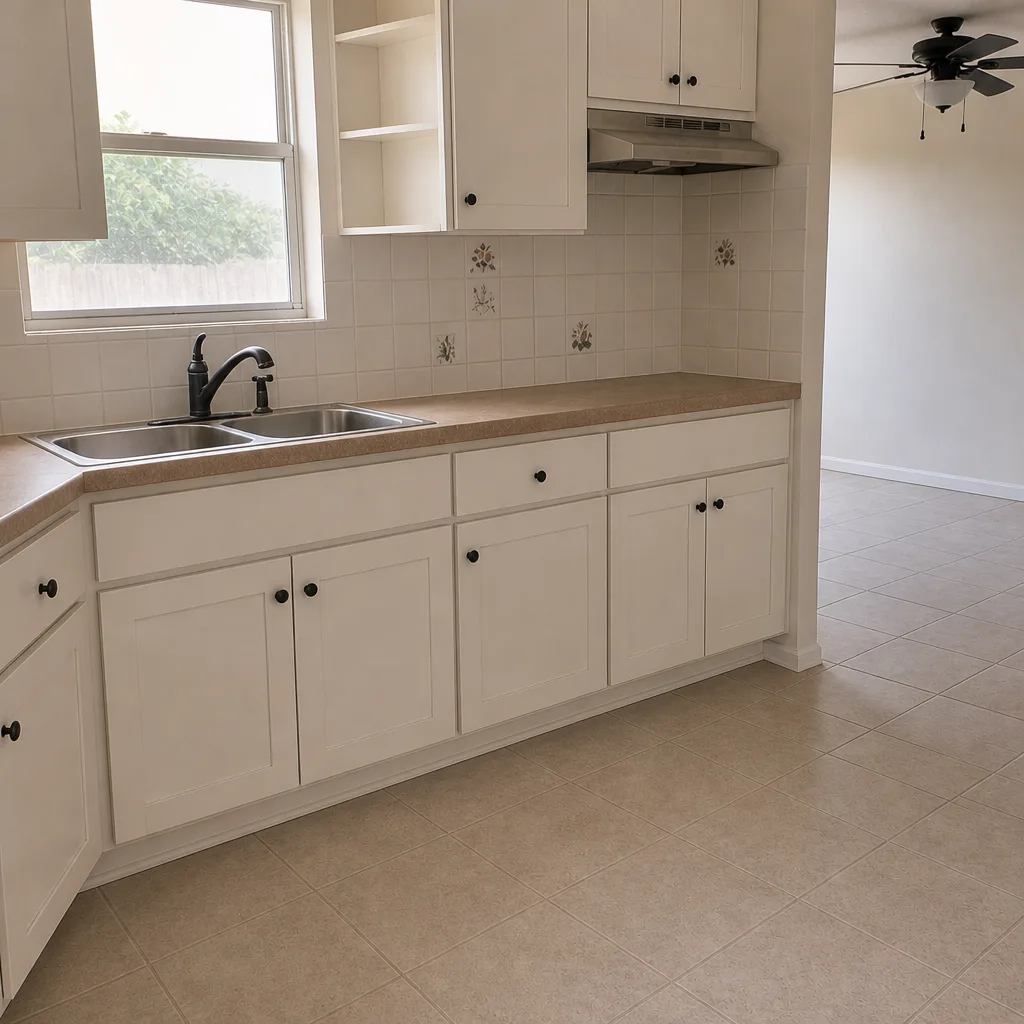
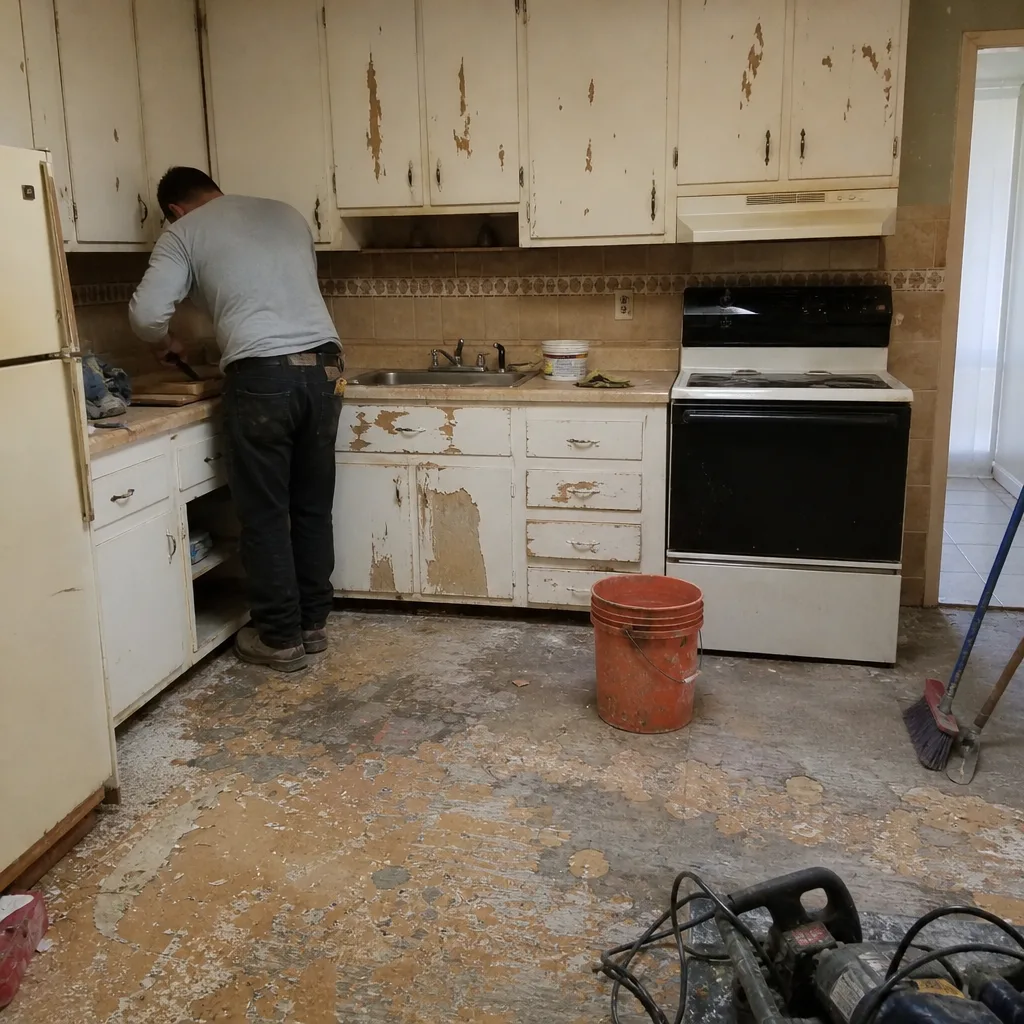
If your goal is a real change to the space, like reconfiguring a kitchen layout, the DIY savings evaporate once you need a plumber, an electrician, and a permit. A kitchen remodeling project in Cutler Bay typically hits all three on the first day of demolition. Even if you self-manage, you’ll be coordinating licensed trades, and the coordination is the work.
Projects Where an Unlicensed Attempt Creates a Resale Problem
When you sell a home in Cutler Bay, your buyer’s inspector will pull the permit history from Miami-Dade’s online portal. Any completed work that shows no permit is a red flag, and a surprising amount of it shows up. Here’s what reliably becomes a problem at resale.
- Any structural alteration. A removed wall, an opened kitchen, a new beam. If it isn’t on the permit record with signed and sealed drawings, the buyer’s lender may require it to be un-permitted-fixed before closing.
- Roof replacement. Roofs are the single most scrutinized item in a Florida real estate transaction. An unpermitted roof can void wind coverage at the new owner’s carrier and cost you a credit at closing.
- Impact window or door replacement. Must carry an NOA and an inspection. An unpermitted install is a real discount at resale.
- Electrical panel change or service upgrade. FPL won’t reconnect service without the county inspection, so a DIY panel job ends in a dead meter.
- Plumbing reroutes and gas line work. Both are permit-and-inspect only. An unpermitted reroute is a disclosure issue and a genuine safety issue.
- Room additions and garage conversions. Both require full permit sets and engineer seals in the HVHZ. Most of the unpermitted garage conversions we’ve seen in Cutler Bay come from the 2000s and they’re caught at appraisal.
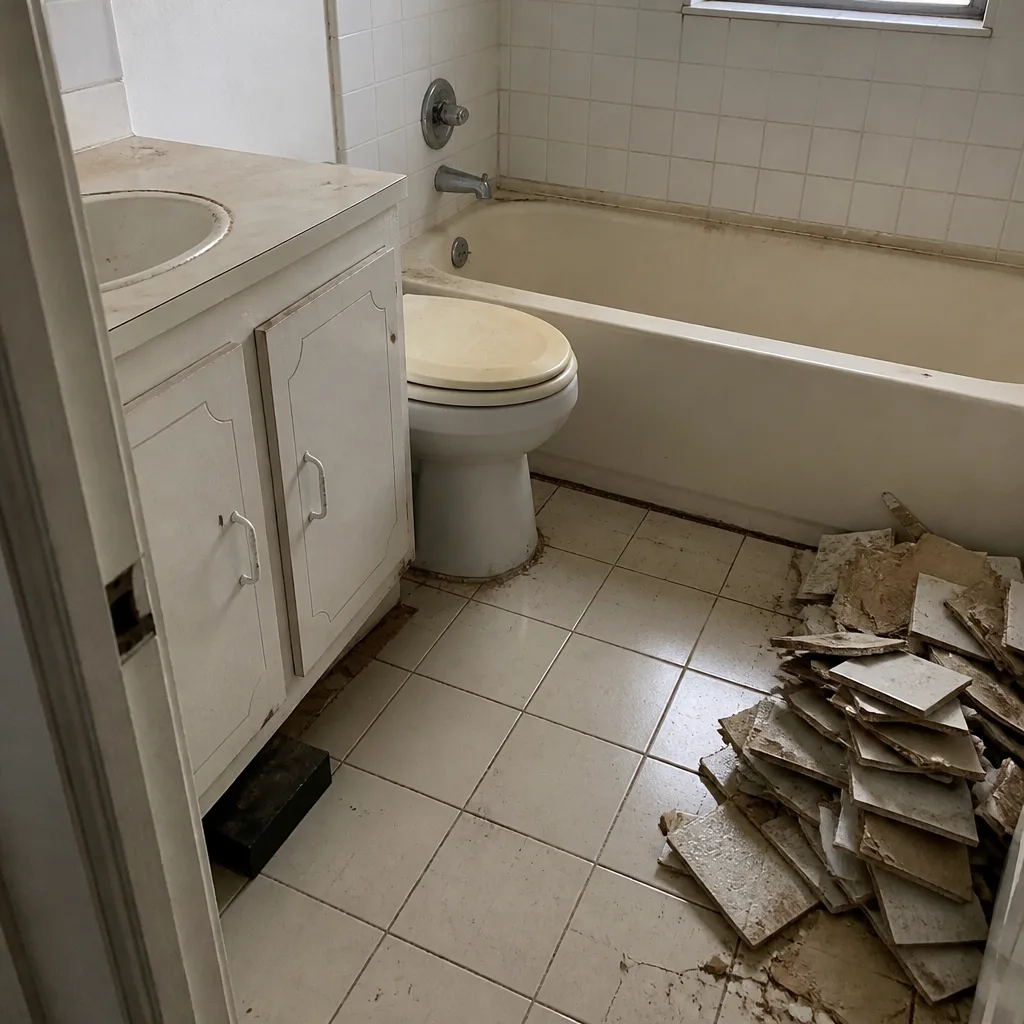
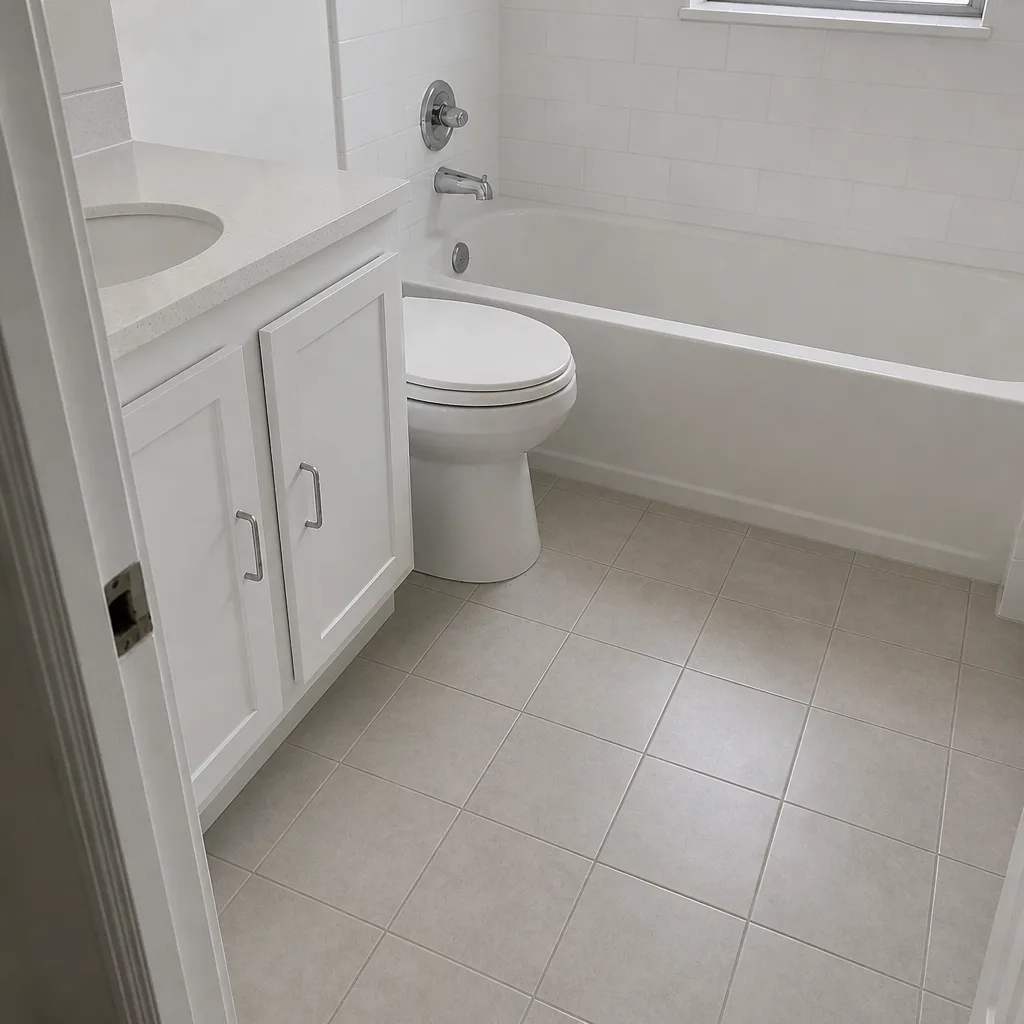
The cost of remediating unpermitted work at sale is almost always higher than the permit would have been. A buyer’s inspector finds it, the lender conditions the loan on correction, and you’re opening walls under time pressure. For a bathroom remodeling project in Cutler Bay, the shower pan and the drain relocation are the two items that catch most people. Both require permits, both require inspection before tile.
The Real Cost of a Failed DIY Permit
A failed inspection under an owner-builder permit isn’t a shrug-and-redo moment. It’s a fee, a delay, and sometimes an open-wall order. Here’s the cost structure to plan around, drawn from real Cutler Bay jobs we’ve walked into.
- Re-inspection fee: roughly $100 to $175 per visit, depending on the trade and the scope. The first failure usually triggers a second failure somewhere else in the sequence.
- Correction order: the county issues a written notice of violation that must be corrected within a stated period. The clock runs against you, and every subcontractor in Cutler Bay is already booked.
- Open-wall orders: when the inspector can’t verify compliance from outside, they require drywall removal to expose the work. On a bathroom, that means the shower pan and the tile field. On a kitchen, the backsplash and cabinet boxes.
- Engineer seal if the correction touches structure: $400 to $1,200 in Cutler Bay depending on scope, plus the waiting period for the engineer to visit.
- Delayed certificate of occupancy: if the project is an addition or a substantial renovation, you can’t occupy the space until the final inspection clears. If you’re living in it, that’s a serious problem.
The other piece is time. Each failed inspection adds a two- to three-week reset to the schedule in this market. When you’ve taken time off work to be on-site for the first inspection, that reset is another day off the calendar. Total remediation cost, in the jobs we’ve seen, lands between 1.5 and 2.5 times the original permit plus inspection cost, before we account for the homeowner’s own hours.
The Hybrid Approach: Owner-Managed With Licensed Subs
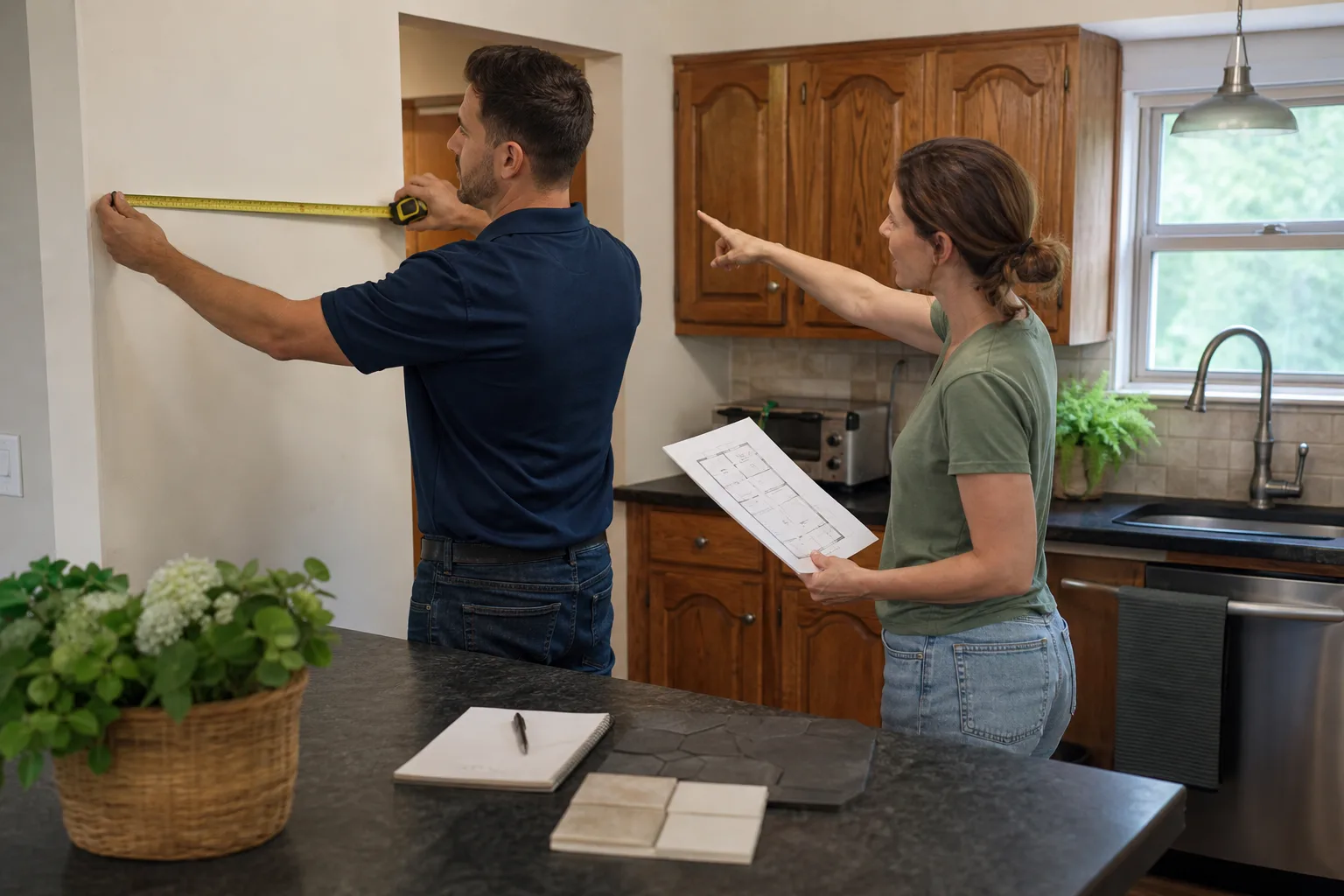
There is a legitimate middle path in Cutler Bay, and it works for a specific homeowner: someone with the schedule, the working knowledge, and the patience to be on-site for inspections. In the hybrid model, you pull the owner-builder permit, and you hire licensed subs directly. You are the general contractor.
Here’s what a general contractor’s project management fee actually covers, so you can decide whether to do it yourself or pay for it:
- Licensing and insurance. The GC’s license and general liability coverage sit between you and the sub. If a sub’s helper gets hurt, or a sub damages a neighbor’s property, that coverage matters.
- Scope and drawings coordination. The GC translates the plan into a bid package that the subs can actually bid against. Without that, every bid includes different assumptions and you’re comparing apples to boat engines.
- Permit and inspection logistics. Filing, keeping the inspection sequence on the county’s calendar, and having the right person on-site at the right time. This is the piece that sinks most owner-builder builds.
- Sub scheduling and quality control. The GC holds the sub to the standard, walks the work before payment, and handles rework. If you’re the GC, this is your job too.
- Written price and warranty. A disciplined GC puts a written price in the homeowner’s hands before a tool comes out and stands behind the work with a clear, printed guarantee.
The hybrid approach can save 10 to 15 percent of a project’s total cost, and it can also cost 20 percent or more in schedule overruns, rework, and remediation. The math depends entirely on whether you can genuinely be the GC. For homeowners who want the written price and the written guarantee without the coordination work, that’s what Bradford Remodeling Co Cutler Bay offers. The 365-Day Done Right Promise is a full-year written guarantee on completed work: if the work fails inside the guarantee period, we return and correct it at no charge. Every project receives a written price before work begins, with no numbers that move at the door.
For envelope work in Cutler Bay, the hybrid path really only breaks even when the scope is small enough to be one trade. Once you’re coordinating three licensed trades plus an engineer, a GC’s fee is the cheapest insurance you’ll buy on the project.
Common Mistakes to Avoid
- Pulling an owner-builder permit and immediately hiring an unlicensed “friend.” It voids the entire point of the exemption and immediately exposes you to enforcement. In a wind claim, you’re on the hook for the whole loss, not just the deductible.
- Assuming your carrier covers the work because you pulled the permit legally. Legality under Florida Statute 489 and coverage under your policy are two separate tests. Your policy can exclude covered-peril damage from excluded workmanship even when the permit was filed correctly.
- Breaking ground before the NOA is verified. Cutler Bay inspectors check the Miami-Dade NOA for every envelope product. Buying windows or roofing that lack the specific NOA for your attachment method and then discovering it at inspection is the most common HVHZ failure we see.
- Doing ceiling or wall work in a pre-1980 Cutler Bay home without testing for asbestos. Popcorn ceilings, joint compound, and some older tile mastics routinely test positive. Disturbing them is a health issue and a permitted-work issue in one.
- Undersizing the schedule by half. Miami-Dade inspection schedules run weeks out in storm season, June through November. If your plan assumes same-week turnaround for the inspection sequence, the plan is already broken.
- Not putting the sub’s scope in writing. Verbal scopes for a “small” job under $5,000 are the source of most change-order fights. The written scope is the thing that holds a project together when the sub’s helper shows up with a different plan than what you discussed.
- Forgetting the resale analysis. If you’re selling within three years, the un-permitted work becomes the buyer’s negotiating lever. The cost of a proper permit today is almost always less than the resale discount later.
When to Call a Professional
Call a licensed professional when the project touches the building envelope, when it involves electrical, plumbing, gas, or mechanical systems, when the work requires an NOA or a signed-and-sealed drawing, or when the timeline can’t absorb the inspection resets. In Cutler Bay specifically, that means any roof, any impact window or door, any service change, any structural change, and any project where the carrier’s workmanship exclusion hasn’t been resolved in writing. DIY is a real option for cosmetic work and it’s a bad option for anything that gets reported in a wind claim. If you’re unsure which side of the line your project falls on, that’s the conversation to have before you file the permit. Bradford Remodeling Co Cutler Bay offers free estimates in Cutler Bay with a written price before work begins; call (833) 620-5491 to schedule yours.
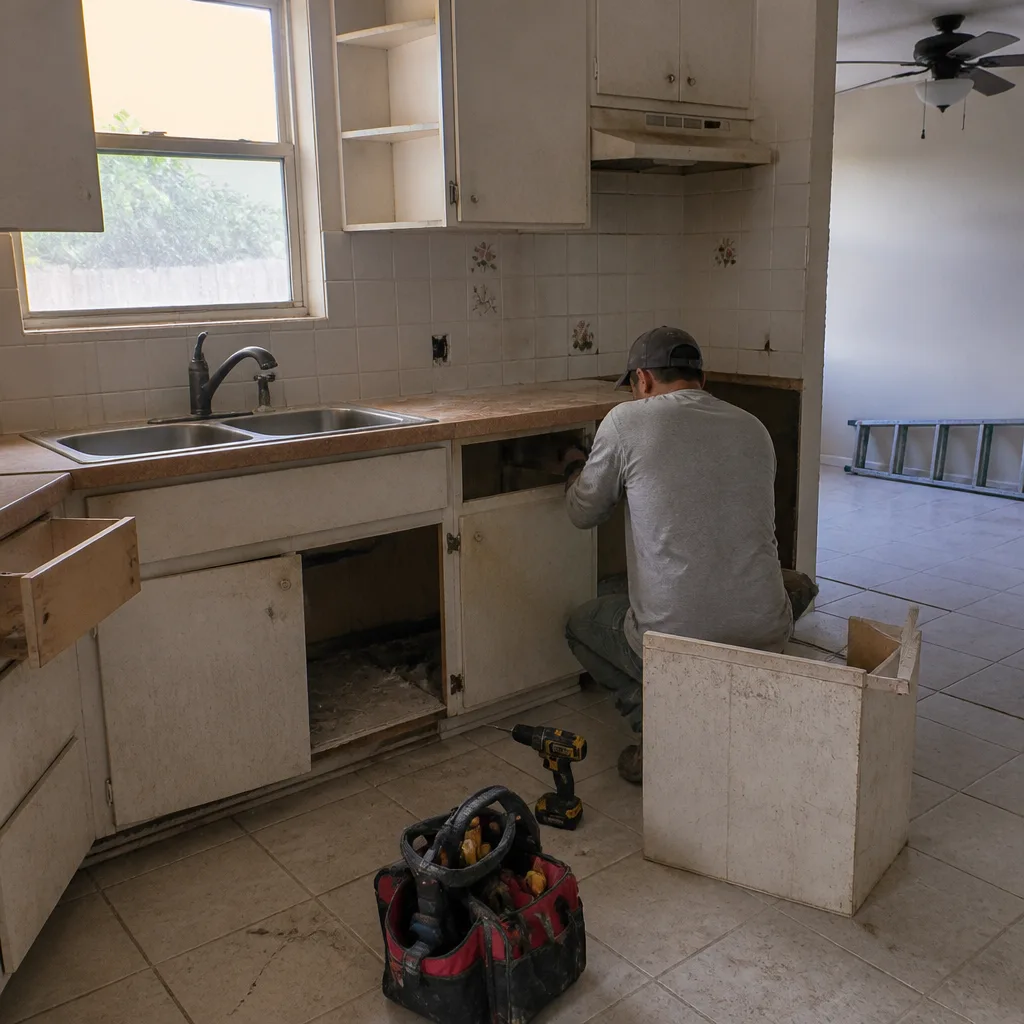
See the difference
 Before
 After
 Before
 After
 Before
 After
Frequently Asked Questions
Yes, if you own the home, intend to occupy it, and pull the permit in your own name under Florida Statute 489.103(7). The exemption does not cover rental or investment property, does not allow you to perform electrical, plumbing, or mechanical work without licensed subs, and does not carry over to a subsequent buyer if you sell within the one-year disclosure window. If you’re weighing owner-builder against hiring a contractor, call us at (833) 620-5491 for a free estimate – we’ll walk you through what your specific scope requires.
It depends on the workmanship exclusion in your specific policy, and you need to read the clause before pulling the permit. Search your policy PDF for “faulty workmanship,” “work performed by or on behalf of the insured,” and “licensed contractor.” If your carrier requires a Chapter 489-licensed contractor for wind-damage coverage to apply, an owner-builder permit on envelope work can void the claim. Ask your underwriter the question in writing before you break ground.
Re-inspection fees run roughly $100 to $175 per visit, correction orders add schedule reset time, and open-wall orders when the inspector can’t verify compliance from outside add the cost of removing and replacing drywall, tile, or cabinet boxes. In Cutler Bay jobs we’ve walked into, total remediation lands between 1.5 and 2.5 times the original permit plus inspection cost. Call (833) 620-5491 for a free written estimate on doing it right the first time.
Any structural work, roofing, impact windows and doors, electrical panel or service change, plumbing reroute, gas line work, HVAC change-out, additions, garage conversions, and anything that changes the building envelope. Interior paint, trim, flooring over a sound substrate, and cosmetic fixture swaps on existing circuits generally don’t require permits. When you’re not sure, the permit history on your property through Miami-Dade’s online portal tells you what’s already been filed – that’s the starting point for any real scope conversation.
The license and general liability coverage that sits between you and the subs, the scope and bid package, permit and inspection logistics, sub scheduling and quality control, and a written price and written warranty on the work. For an owner-builder, all five become your job. A written price before work begins is the piece most owner-builders underestimate, because without it every sub change order is a conversation you have to have under pressure.
Some contractors offer a construction-management-only arrangement, but the market for it in Cutler Bay is thin and the pricing is usually close to a full GC fee, since the coordination is the work. If your goal is to keep decision-making and save on materials, the more reliable path is a written scope from a GC with the sub pricing visible in the line items. If your goal is the written price and the written guarantee without the coordination, the full-scope route is normally the better deal.
For a broader picture of how Bradford Remodeling Co Cutler Bay approaches whole-home work, including the 365-Day Done Right Promise and the written-price-before-work commitment, our free estimates are the place to start.
The Bottom Line
The DIY-versus-hire decision in Cutler Bay isn’t really about whether you can swing a hammer. It’s about whether your policy covers the outcome and whether the county will sign off on the work. The owner-builder exemption is real, and it’s narrow. Electrical, plumbing, gas, mechanical, and structural work require licensed trades, and the HVHZ raises the product-approval and inspection bar on every envelope item. DIY makes sense for cosmetic work that stays off the permit record. For anything that a wind claim could touch, the workmanship exclusion is the deciding factor, and the written price plus the printed guarantee is what a disciplined contractor puts in your hand before the first tool is unloaded.
Contact
Ready to get a written price before any work starts? Bradford Remodeling Co Cutler Bay gives you the price range in dollars on the page, the scope in writing, and the 365-Day Done Right Promise printed and signed. Call (833) 620-5491 for a free estimate. Live person answers, 24/7. Background-checked, uniformed technicians on every job. Documented brand materials from KraftMaid, Cambria, Kohler, GAF, James Hardie, and Therma-Tru so specifications are traceable and the warranty has teeth.
Written by the team at Bradford Remodeling Co Cutler Bay.