Last updated November 18, 2026




Free written scope consultation - allowances, timeline, and change-order rules on paper before a single trade is scheduled
DIY vs Professional Home Remodeling: What’s Safe to Do Yourself
A homeowner in Miami-Dade tiled her own shower and saved about $1,200 on labor. Two years later, a refinance appraisal flagged the drain relocation as unpermitted work. The lender wanted it corrected before the loan could close, and the fix meant tearing out the tile she’d just paid for. The final bill to redo it properly: roughly $4,800. That story captures the real question most DIY guides skip. The question isn’t whether you have the skill to hang drywall or set a tile. It’s whether the work you’re planning requires a permit, because in Cutler Bay and across Miami-Dade, that line is drawn sharper than most homeowners realize. Unpermitted work can sink a sale, stall a refinance, or surface as a fine years after the last coat of paint dried. This guide walks through what’s genuinely safe to do yourself, what only looks simple until a structural, electrical, or plumbing tie-in shows up, and how to hand off a half-finished project without losing money on the price.
Quick Answer
Safe DIY work is cosmetic, reversible, and requires no permit: painting, replacing a faucet or a light fixture on an existing circuit, swapping cabinet hardware, laying floating flooring over a sound subfloor, patching drywall, and caulking. Anything that touches structure, moves a drain or supply line, adds or relocates an electrical circuit, changes a window or door opening, or alters the roof or exterior envelope is professional territory in Cutler Bay, mostly because Miami-Dade County code requires a permit and inspection for it. If a project needs a permit you can’t legally pull as a homeowner, it belongs to a licensed contractor.
Styles & brands we work with
- Kitchen remodeling
- Bathroom remodeling
- Home additions & ADU
- Roofing
- Windows & doors
- Driveway & pavers
- Fence
Table of Contents
- Where Cutler Bay Draws the Permit Line
- What’s Genuinely Safe to DIY
- Projects That Only Look Simple
- How DIY Work Affects Your Insurance
- The Real Cost Comparison: DIY vs. a Written Bid
- Handing Off a Partial DIY Project
- Common Mistakes to Avoid
- When to Call a Professional
Where Cutler Bay Draws the Permit Line
Miami-Dade County runs one of the stricter permitting systems in Florida, and Cutler Bay homeowners live inside it every day. The rule of thumb that keeps people out of trouble: if the work touches the structural system, the electrical system beyond a like-for-like fixture swap, the plumbing system beyond a faucet or supply-line replacement, or the building envelope, county code expects a permit and a passing inspection. A permit means a plan review and a final inspection by a county inspector, not just a contractor’s word.
Some specific triggers we see flagged in Cutler Bay:
- Moving or adding a drain. Relocating a shower drain, adding a second sink, or rerouting a toilet flange all involve the sanitary system and need a plumbing permit with inspection before the wall closes up.
- Adding an electrical circuit or outlet. A new dedicated circuit for a microwave, a hot tub, or an EV charger requires an electrical permit. Replacing an existing outlet or switch in the same spot usually doesn’t.
- Changing a window or door opening. Widening a window, cutting a new door, or swapping a slider for French doors affects the structural header and the wind-load envelope, both of which get inspected.
- Removing or relocating a wall. Even a wall that looks interior and harmless can carry load. The inspector wants to see the engineering before it comes down.
- Roof work beyond a patch. Recovering or replacing roof covering, and any change to roof-to-wall connections, is a permitted job under Miami-Dade’s hurricane-resistance rules.
Cutler Bay’s housing stock makes this sharper than it might sound. A lot of the homes in Saga Bay and along the Old Cutler corridor were built decades ago, and the original drawings often don’t match what’s actually behind the drywall. That mismatch is exactly the kind of thing an inspector catches and a homeowner can’t. Pulling a permit, or working with a General Contractor in Cutler Bay who pulls it for you, is the only way to know the work will survive the review that matters later.
What’s Genuinely Safe to DIY in Cutler Bay
Plenty of work is safe, legal to do yourself, and genuinely worth the weekend. The test is simple: it’s cosmetic, it’s reversible, and it doesn’t touch a system the county inspects.
- Interior painting and trim. Rolling walls, cutting in ceilings, and painting baseboard are safe and permit-free. In South Florida’s humidity, use a mold-resistant paint in bathrooms and kitchens, and let surfaces dry fully before recoating.
- Replacing a faucet or showerhead. Swapping a kitchen faucet on existing shutoff valves (a Kohler or Moen model with a matching rough-in) is a straightforward homeowner job. It doesn’t touch the drain or the supply piping.
- Swapping a light fixture or ceiling fan. A like-for-like replacement on an existing, properly rated circuit box is fine. Adding a new box, a new switch leg, or a heavier fixture on an undersized circuit is not.
- Cabinet hardware and shelving. New pulls, knobs, and closet shelving are pure hardware. No permit, no inspection, low risk.
- Floating flooring over a sound substrate. Click-lock laminate or engineered floating planks over a flat, dry subfloor are DIY-friendly. Glue-down or tile over a slab in a wet area is where it gets harder, and where a mistake is expensive.
- Drywall patching and caulking. Small patches, nail pops, and re-caulking tub surrounds are safe. The caulk joint around a tub is a maintenance item, not a construction item.
- Landscaping and fence repair. Planting, mulching, repairing a fence board, and laying pavers on a sand base are fine. Anything that changes a grading plane or adds a hardscape tied into a structure needs a look.
If a job fits the list above, there’s no reason to pay for labor. We’ve seen homeowners handle a full bathroom repaint and a fixture swap in a weekend and get the result they wanted. The work that fails inspection later almost always sits outside this list.
Projects That Only Look Simple Until You Start
The gap between “looks simple” and “actually simple” is where most DIY losses happen. These three categories look like the safe list and aren’t.
Anything with a drain or supply line
Replacing a faucet is easy. Replacing the valve it connects to, or moving the drain under a new sink, is not. Under a 1950s Cutler Bay home, the shutoff valve can be seized, the pipe behind it can be galvanized and brittle, and the drain can be cast iron that cracks when disturbed. A $60 bathroom remodel project can turn into a $1,400 repair with a plumber on a Sunday. If the job involves anything below the fixture, it’s professional territory.
Anything touching a structural wall
A wall that looks empty can carry the second floor, a roof beam, or the wind-load path for the whole house. Opening it to “see what’s inside” is fine as a look, but removing or modifying it without an engineer’s drawing and a permit is how a harmless remodel becomes a structural repair. We’ve been asked to fix a homeowner’s wall removal more than once, and the correction always costs more than the original bid for a professional job would have.
Anything electrical beyond a swap
A new outlet sounds like a two-hour job. It becomes a permit, a circuit calculation, and in some cases a panel upgrade, when the existing panel is full or the new load pushes the circuit past capacity. In older Cutler Bay homes, a panel with no open breaker slots is common. The county wants to inspect a new circuit before it’s energized, and an unpermitted circuit is a red flag on any future sale.
In our experience, a homeowner in Cutler Bay who takes on a project in one of these three categories, and gets it inspected, ends up paying a licensed contractor to correct it anyway. That outcome is the one to avoid before you lift a pry bar.
How DIY Work Affects Your Insurance Coverage
This is the part of the DIY decision most homeowners never ask about. Two things can go wrong with a homeowner’s policy after DIY work.
The first is a claim denial. Standard homeowner’s policies typically exclude damage caused by faulty workmanship, and an insurer will ask who did the work on a claim that traces back to a DIY job. If your unpermitted shower drain leaks into the ceiling below and the insurer determines the cause was work not done to code, the damage can be excluded from coverage. The policy you pay for doesn’t have to cover a loss your own work created.
The second is the appraisal. A lender or insurer reviewing the property sees construction that isn’t documented on the county’s records. That gap doesn’t just affect a sale; it can affect the replacement cost estimate your policy is written against. If the insurer thinks the home has one bathroom and it has two, the coverage figure is wrong.
The fix is straightforward: if the work needed a permit, get it inspected and documented. That means a licensed contractor in most cases, and it means the county’s record matches the house. Bradford Remodeling Co Cutler Bay pulls permits for every job that requires one, and the passing inspection is part of the paper trail you keep. The same principle shows up in our Bathroom Remodeling in Cutler Bay work, where the drain and supply rough-in get inspected before the tile goes down. It’s the inspection, not the tile, that protects the home and the policy.
The Real Cost Comparison: DIY vs. a Written Bid
The DIY decision always starts with a materials list and a labor savings. That’s the wrong comparison, because it leaves out the correction cost and the permit cost. Here’s what we see on real jobs around Cutler Bay.
| Project | Typical DIY materials | Correction if it fails inspection | Professional bid (line-item, written) |
|---|---|---|---|
| Bathroom shower retile (drain in place) | $1,000 – $1,800 | $3,500 – $5,500 if drain was moved | $6,500 – $11,000 |
| Kitchen faucet and sink swap | $250 – $500 | $0 if supply and drain are untouched | $350 – $700 |
| Repaint a 12×14 living room | $180 – $350 | rare; $0 to $200 touch-up | $900 – $1,800 |
| New outlet or dedicated circuit | $60 – $120 in parts | $400 – $1,200 if panel needs work | $350 – $900 per circuit |
| Window replacement | not a homeowner job | envelope repair $2,000+ | $700 – $1,600 per opening installed |
The pattern is clear in the numbers. In the first row, a homeowner spends $1,200 to $1,800 on tile and setting material, and if the drain was relocated without a permit, the correction is $3,500 to $5,500. The DIY project ends up more expensive than the written bid would have been, and the homeowner loses the weekend. In the second and third rows, DIY is genuinely cheaper, and we’d say the same. The line is not about skill. It’s about whether the job has a correction exposure.
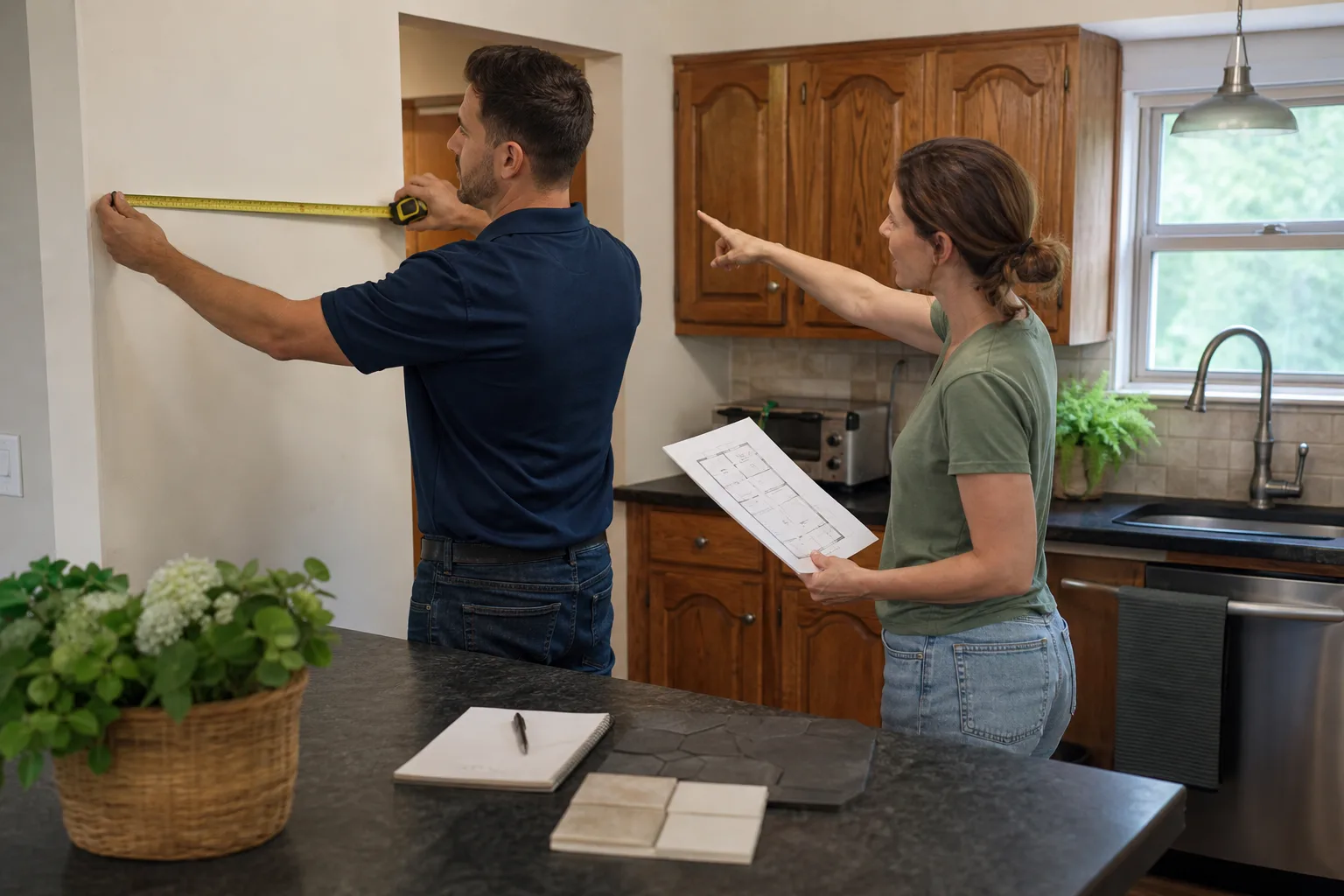
A written bid from a licensed contractor prices both the scope and the correction risk before the job starts. That’s the standard we hold ourselves to: written price before any work starts, no numbers that move at the door. If a homeowner is comparing a DIY materials list to a contractor’s bid, the bid includes the permit, the inspection, and the guarantee. The materials list doesn’t include any of those three, and they’re the most expensive to add after the fact. The more detailed treatment of what a bid line item should look like lives in our Kitchen Remodeling in Cutler Bay guide. The same logic applies to any room in the house.
Handing Off a Partial DIY Project
Plenty of homeowners get partway through a remodel and decide to hand it off. That’s a smart call, not a failure. The handoff is where a lot of money is left on the table, though, if it’s handled badly. Here’s how to do it without getting penalized on price.
- Take honest photos. Document what you’ve done, what you removed, and what’s open. A contractor pricing a handoff from a text message will price it high to cover unknowns. A clear set of photos with a short written description lets the contractor price it accurately.
- Don’t pull a permit you can’t close. A homeowner permit in your name that never got a final inspection is a problem the new contractor has to resolve. Be upfront about it and let the contractor handle the permit history, including any correction. In Cutler Bay, disputed permits are a recurring snag on resale.
- Stop at a clean line. A drywall patch, an open wall, or a half-tiled shower is easier to take over than a partially finished one. If you’re going to hand off, stop before you seal anything up.
- Ask for a scope based on what exists. The contractor’s written bid should state exactly what you did (and what you’re asking them to correct or confirm) before pricing the finish work. If the bid starts with “TBD,” it’s not a bid yet.
- Get the guarantee in writing. A handoff is exactly where the 365-Day Done Right Promise matters. Every completed project Bradford Remodeling Co Cutler Bay finishes carries a full-year written guarantee, and if the work fails inside that window, we come back and correct it at no charge. That matters most on a project a contractor didn’t start.
The contractors who price a handoff fairly are the ones who can see what’s there. The ones who price it high are the ones being asked to guess. Photos plus an honest description close that gap. When we’re called in on a Cutler Bay handoff, the first thing our crew does is inspect the substrate and the rough-in before we quote. That’s the only way to put a real number on it. Our technicians have up to 22 years of experience, and that matters on exactly this kind of job, where the scope depends on what the last person did.
Common Mistakes to Avoid
- Skipping the permit because the job “doesn’t need one.” In Miami-Dade, a moved drain, a new circuit, or a changed window opening does. The permit is what creates the inspection record that protects your sale later, so confirming before you start is the cheapest step in the project.
- Assuming the original drawings match the house. Many Cutler Bay homes have been modified since original construction, and the recorded plans are often out of date. A wall or drain that “looks original” can be a later addition nobody documented.
- Sealing up before inspection. Once tile, drywall, and paint are in, the only way to pass a plumbing or electrical inspection is to open it back up. Schedule the inspection before the finishes go on.
- Reusing old shutoff valves and supply lines. A new faucet on a seized valve is a leak waiting for a Sunday. If the valve doesn’t turn by hand, stop and call a plumber.
- Buying materials before the scope is set. Homeowners often buy tile and fixtures before the substrate is exposed. In a bathroom, that’s how the $1,200 of tile ends up in the garage after the rough-in reveals termite damage or a bad drain.
- Relying on a verbal price. If a contractor won’t put the scope, the price, and the guarantee in writing before work starts, that alone is the red flag. A written price before any work starts is the one thing to insist on.
- Forgetting the insurance question. Before you claim a DIY project is finished, ask your insurer whether it needs documentation. That five-minute call is worth more than the labor savings on most small jobs.
When to Call a Professional
Call a licensed professional when the project needs a permit, when the work touches structure, plumbing below the fixture, electrical beyond a swap, the roof, the windows, or the building envelope. Also call when the job involves a correction of previous DIY work, when a handoff requires a new scope, or when the value of the project justifies a written guarantee. Those are the situations where the labor savings don’t come close to the correction exposure. Bradford Remodeling Co Cutler Bay offers free estimates in Cutler Bay and a written price before any work starts. Call (833) 620-5491 to schedule yours. If a job that needs a permit is sitting half-finished in your home right now, the estimate is still free, and the sooner it’s scoped, the cheaper the correction.
See the difference
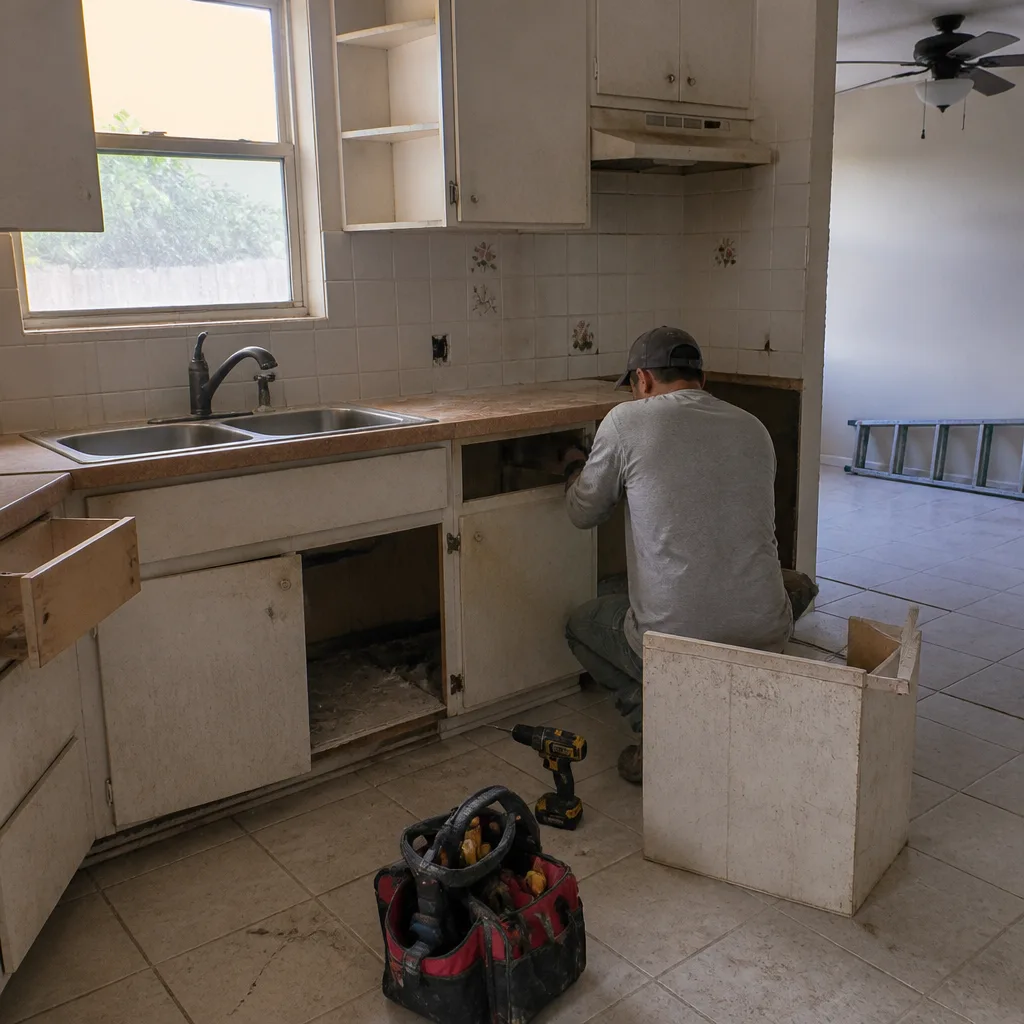 Before
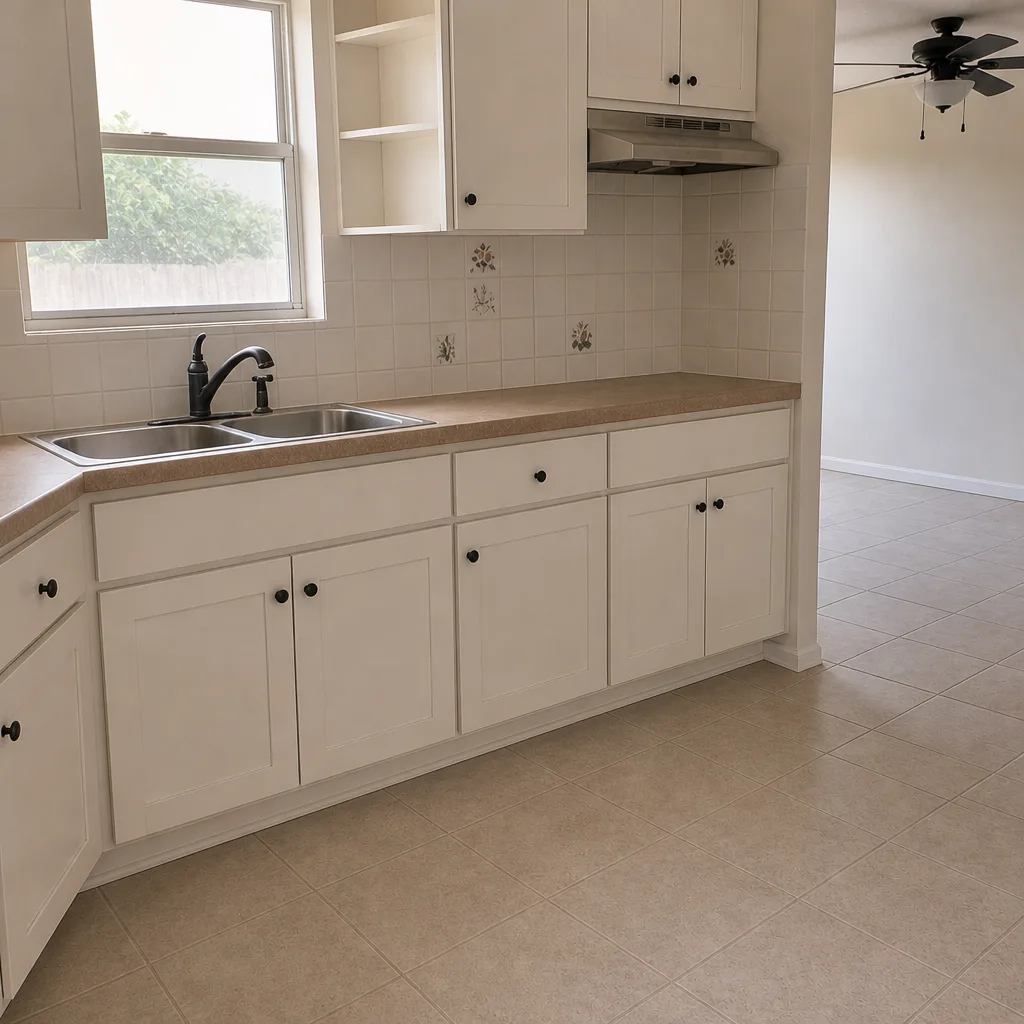 After
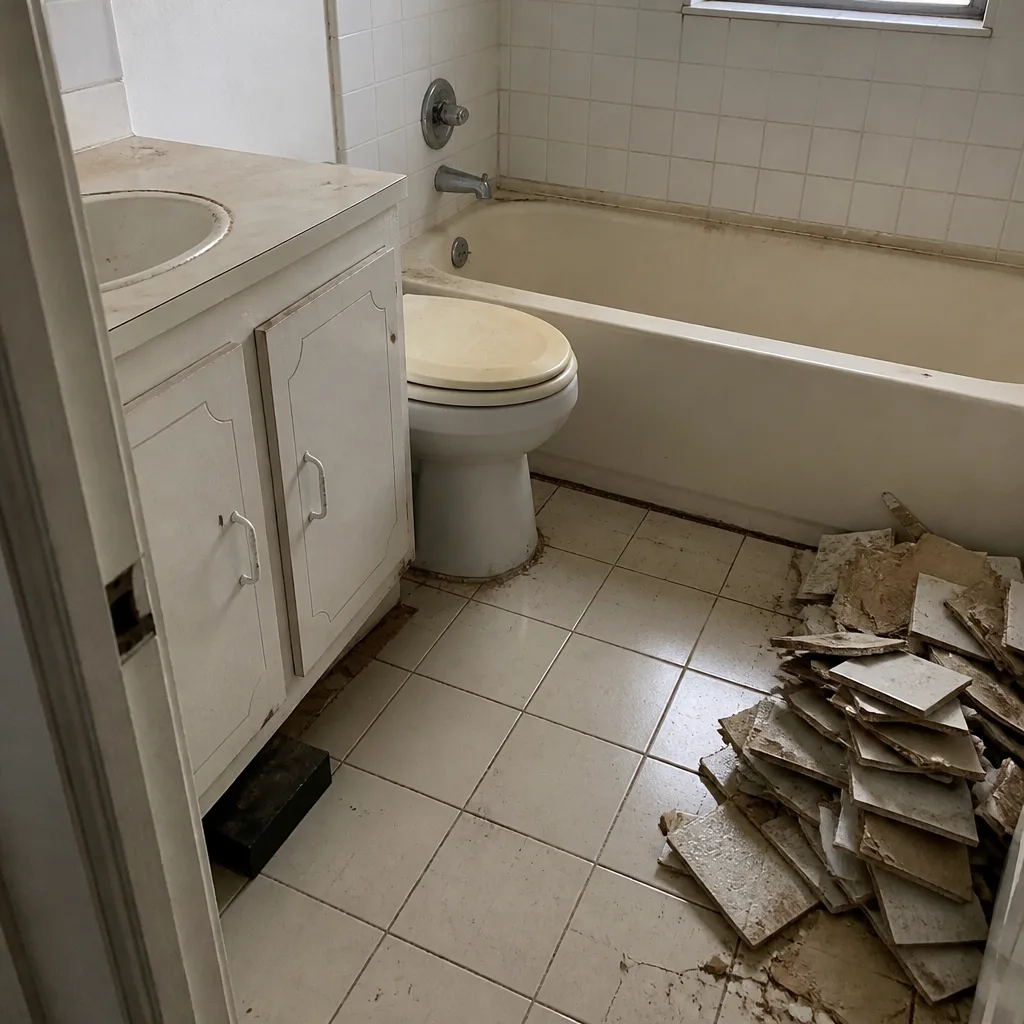 Before
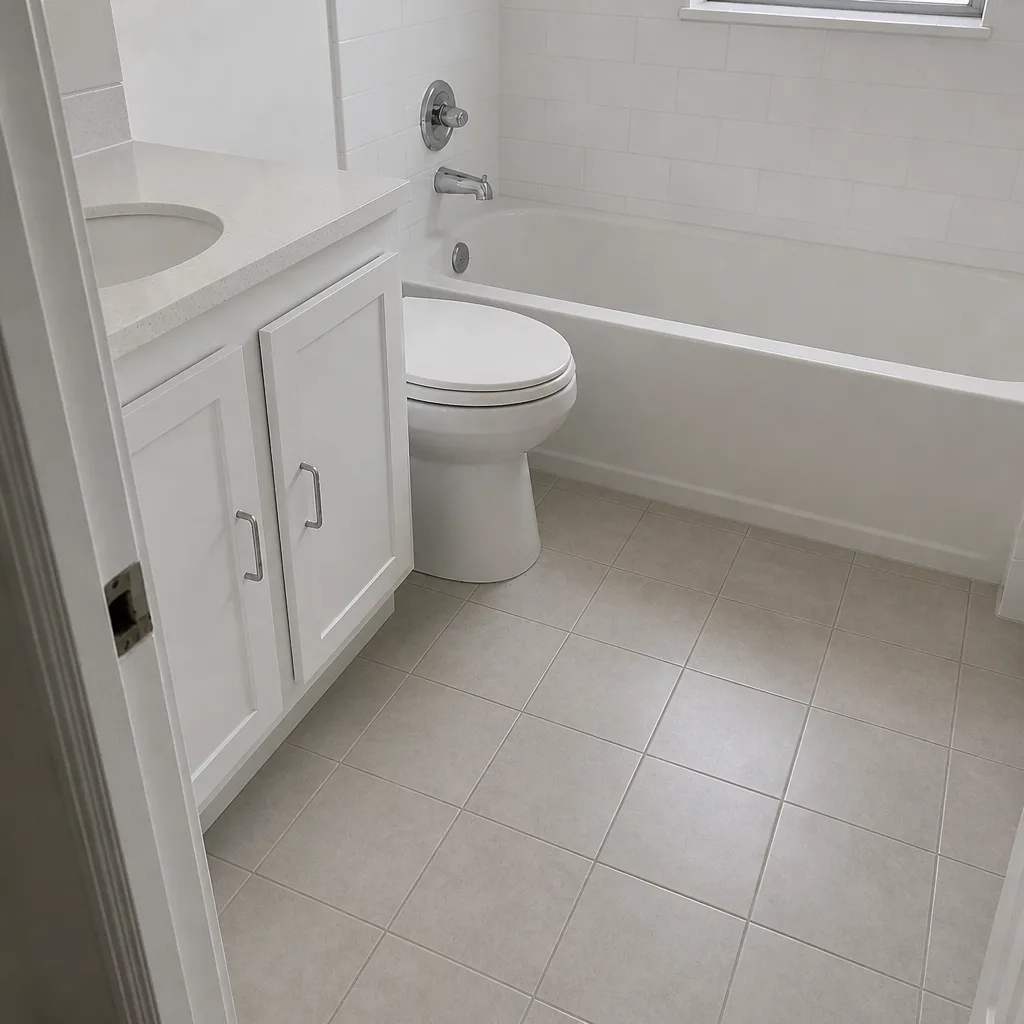 After
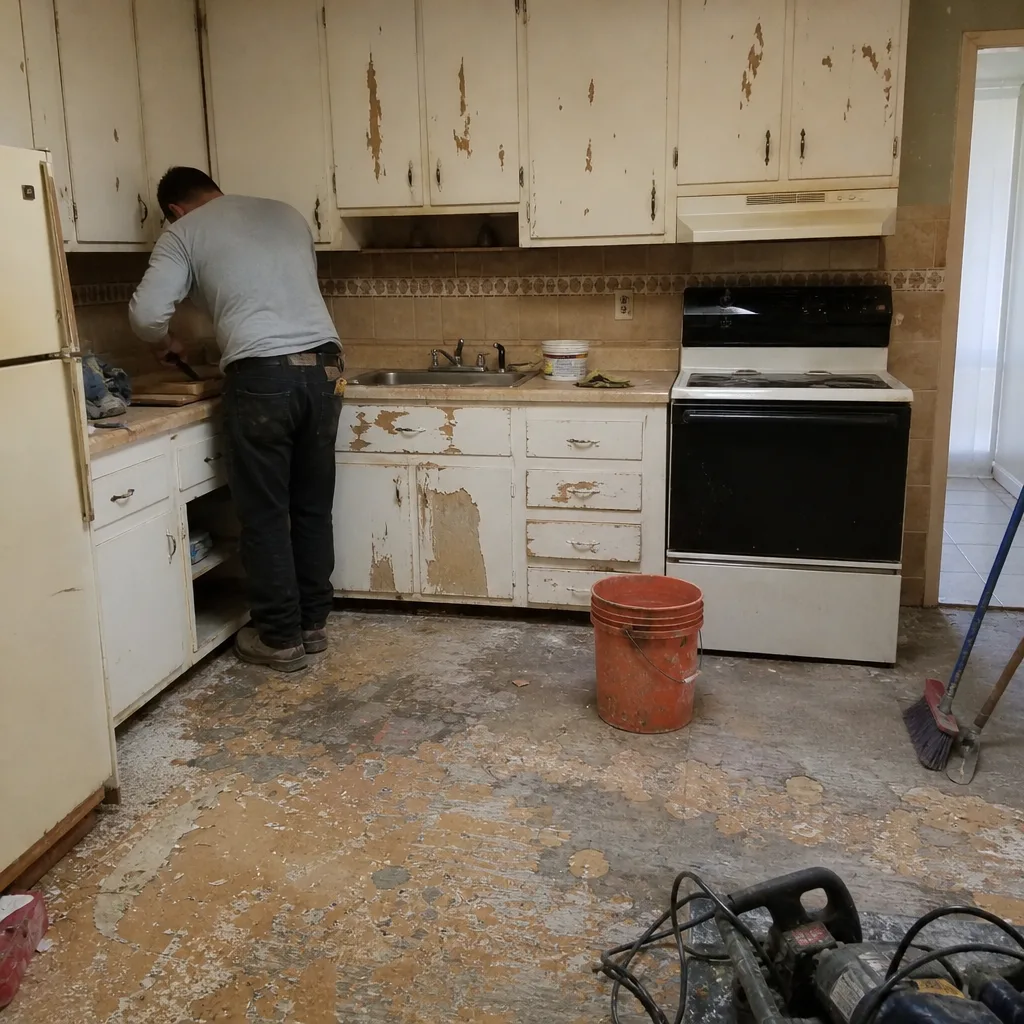 Before
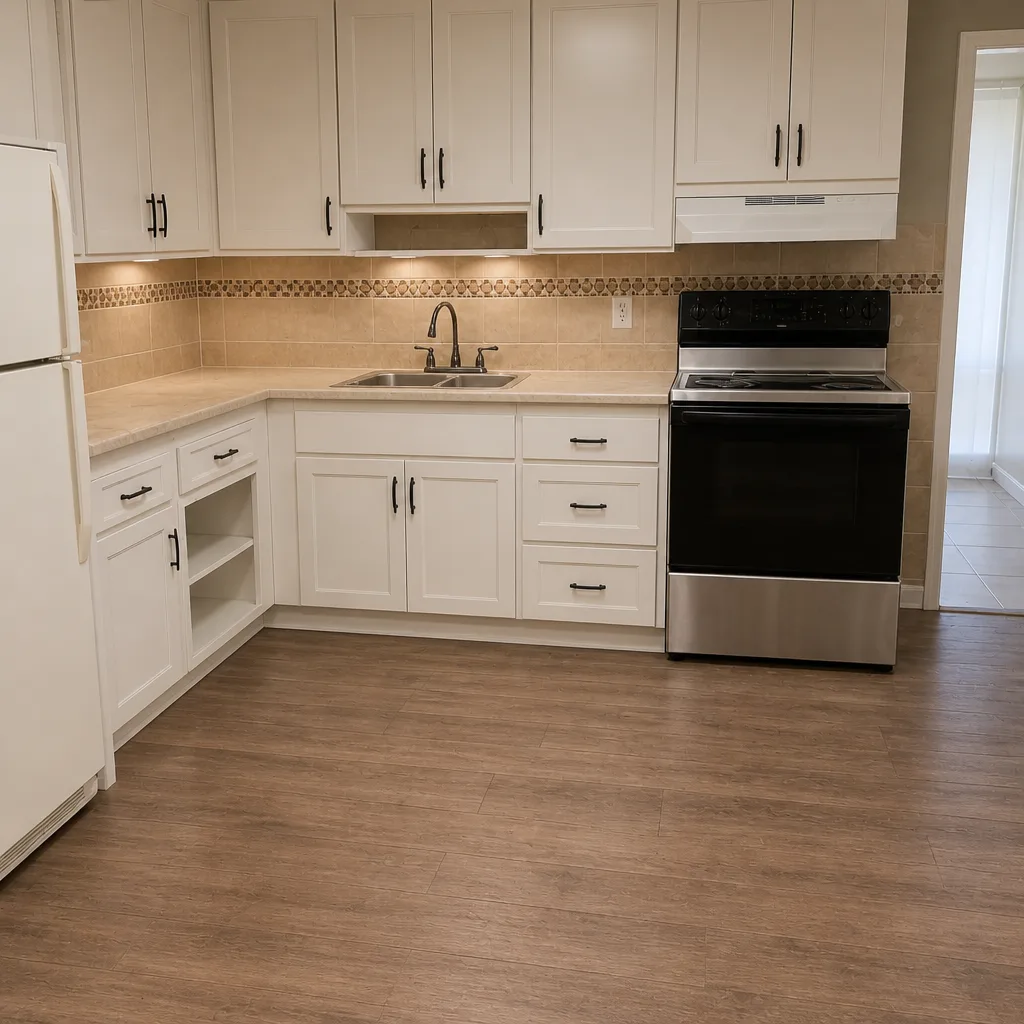 After
Frequently Asked Questions

Painting, replacing a faucet or showerhead, swapping a light fixture on an existing circuit, cabinet hardware, floating flooring over a sound subfloor, drywall patching, and caulking are all legal and permit-free homeowner work. Anything touching structure, a drain or supply line, a new electrical circuit, the roof, windows, or the exterior envelope requires a Miami-Dade permit, and that work belongs to a licensed contractor. Call (833) 620-5491 for a free scoping estimate if you’re unsure which side of that line a project falls on.
Yes, and it comes up more often than homeowners expect. A lender or appraiser reviewing a sale or refinance sees construction that isn’t on county records, and in most cases the loan is held up until the work is inspected or corrected. The correction usually costs more than the original permit would have. A licensed contractor who pulls the permit solves this before it becomes a problem, and a free estimate will tell you which projects in your home carry that risk.
Usually not. Standard homeowner’s policies typically exclude damage from faulty workmanship, so a leak from an unpermitted DIY drain can be denied as a covered loss. The coverage question is separate from the permit question, and both point the same direction on plumbing and electrical work. Call (833) 620-5491 if you want a project scoped before you commit to doing it yourself.
A full bathroom remodel done professionally in Cutler Bay typically runs $6,500 – $11,000 for a standard shower retile with the drain left in place, more if the layout changes. Doing it yourself saves the labor but spends $1,000 – $1,800 on materials, and if the drain gets moved without a permit, the correction runs $3,500 – $5,500 on top. A written bid includes the permit and the guarantee; a DIY materials list includes neither. Free estimates are available at (833) 620-5491.
Yes, and the way to do it is transparency. Photograph what you’ve done, be honest about any permit in your name that hasn’t been closed, and stop at a clean line rather than sealing anything up. A contractor who can see the actual condition can price the finish work accurately, and the 365-Day Done Right Promise covers the completed work for a full year. Call (833) 620-5491 to schedule an estimate on your Cutler Bay handoff.
Often yes, and it’s a fair question to raise at the estimate. We work from a documented roster of name-brand materials, including KraftMaid, Wellborn, Cambria, Kohler, Moen, GAF, James Hardie, and Therma-Tru, so specifications are traceable and the guarantee is backed by manufacturer warranties. Some homeowner-supplied materials fit the scope; some don’t. Bring your receipts and the estimate can account for them. Call (833) 620-5491 for a free written price.
The Bottom Line
The DIY question isn’t a skill question. It’s a permit question, and in Cutler Bay the permit line is the one that decides whether a project saves you money or costs you later. Paint, swap a faucet, patch drywall, and lay floating flooring: those are yours to keep. Anything that moves a drain, adds a circuit, opens a wall, or changes the envelope needs a permit, an inspection, and a licensed contractor who will put the scope and price in writing before work starts. That written price plus the 365-Day Done Right Promise is what protects the homeowner after the last tool leaves. If you’re weighing a project, see the full scope of what we do at Bradford Remodeling Co Cutler Bay home, or call for a free estimate and get the number in writing.
Bradford Remodeling Co Cutler Bay is a member of the Garrison Partners family, established in 2004, and operates as an independently owned and operated business held to The Garrison Standard. Every project comes with a written price before work begins and the 365-Day Done Right Promise. Call (833) 620-5491 to schedule your free estimate, and you’ll have your scope, your price, and your guarantee in your hand before a single tool comes out.
Written by the team at Bradford Remodeling Co Cutler Bay.