Last updated November 18, 2026
Free written scope consultation - allowances, timeline, and change-order rules on paper before a single trade is scheduled
DIY vs Professional General Contractor: What’s Safe to Do Yourself
Most homeowners asking “what can homeowners do themselves without a contractor in Florida” are trying to save money on the right things, and most of them end up spending on the wrong ones. Here’s the surprise: in Florida, the trade work isn’t the real problem. The permitting and insurance exposure is. Miami-Dade County issues its own amendments to the Florida Building Code that go stricter than the state baseline, and the moment you pull an owner-builder permit, you become the contractor of record on that job, personal liability and all. This guide walks through the actual legal line: what you can legally do in Cutler Bay without a permit, what requires one, and where DIY quietly costs more than hiring a general contractor.
Quick Answer
In Cutler Bay and the rest of Miami-Dade County, homeowners can legally handle painting, like-for-like fixture swaps, non-structural trim, landscaping, and demolition or cleanup on their own without a permit. Anything structural, anything involving roofing, electrical, plumbing, or gas, anything that changes the building envelope, and most projects that move walls or change square footage needs a permit – and the trades on a permitted job generally need to be licensed, even when you pull the permit yourself.
Styles & brands we work with
- Kitchen remodeling
- Bathroom remodeling
- Home additions & ADU
- Roofing
- Windows & doors
- Driveway & pavers
- Fence
Table of Contents
- The Owner-Builder Exemption in Florida: What the State Actually Allows
- How Miami-Dade’s Local Amendments Change the Rules
- What You Can Legally Do in Cutler Bay Without a Permit
- What Triggers a Permit Requirement
- The Insurance Problem Nobody Mentions
- Unpermitted Work and Miami-Dade Resale Disclosure
- How to Structure a Hybrid Project Legally
- When to Call a Professional
The Owner-Builder Exemption in Florida: What the State Actually Allows
Florida Statute 489.103(7) is the exemption most DIY guides skim past. It allows a homeowner to act as their own contractor on a single-family residence that they own and occupy, provided they pull the permit in their own name, do the work themselves or supervise it directly, and don’t sell or lease the home within a year of the final inspection. Read that last clause carefully – it’s the one that trips people up when they decide to list the house 14 months after finishing a DIY kitchen gut.
What the exemption does not do is let you do trade work that requires a license. Even as an owner-builder, the state requires licensed tradespeople for:
- Electrical work beyond swapping a fixture on an existing circuit
- Plumbing rough-in or anything that alters a DWV system or supply line
- Gas line installation or modification
- Roof installation or replacement (Miami-Dade has additional rules here, covered below)
- Structural work involving load-bearing members
The exemption lets you be the general contractor on your own job. It doesn’t let you be the electrician, the plumber, or the roofer. Those subs still need to be licensed and permitted in their own name, and their work has to be inspected separately. In our experience, homeowners who try to shortcut this step in Cutler Bay end up paying twice: once for the DIY attempt, and once to a licensed contractor to correct it and pull the correct permit.
How Miami-Dade’s Local Amendments Change the Rules
Miami-Dade does not simply adopt the Florida Building Code. The county passes its own amendments, and several of them hit directly on DIY territory. The two that matter most in Cutler Bay are the roofing amendments and the structural wind-loading requirements for anything that touches the building envelope.
On roofing, Miami-Dade requires that all roof work be performed by a licensed roofing contractor under a permit. Even if you’re a competent homeowner who has installed shingles in another state, you cannot legally replace your own Cutler Bay roof. The county’s High-Velocity Hurricane Zone (HVHZ) rules – which apply across Miami-Dade and Broward and cover products like GAF, CertainTeed, and Owens Corning systems – require specific product listings, specific nail patterns, and a final inspection signed off by the licensed installer. No listing means no inspection. No inspection means no certificate of occupancy – and no insurance on the roof.
On structural work, Miami-Dade’s wind-loading requirements mean that even a “small” change to a window opening requires an engineer or architect to stamp the design if it moves past a certain threshold. That cuts to the heart of what most homeowners assume is DIY-able: putting in a new window, changing an exterior door, or framing in a new opening. In Cutler Bay, that’s a permit, and typically a stamped drawing.
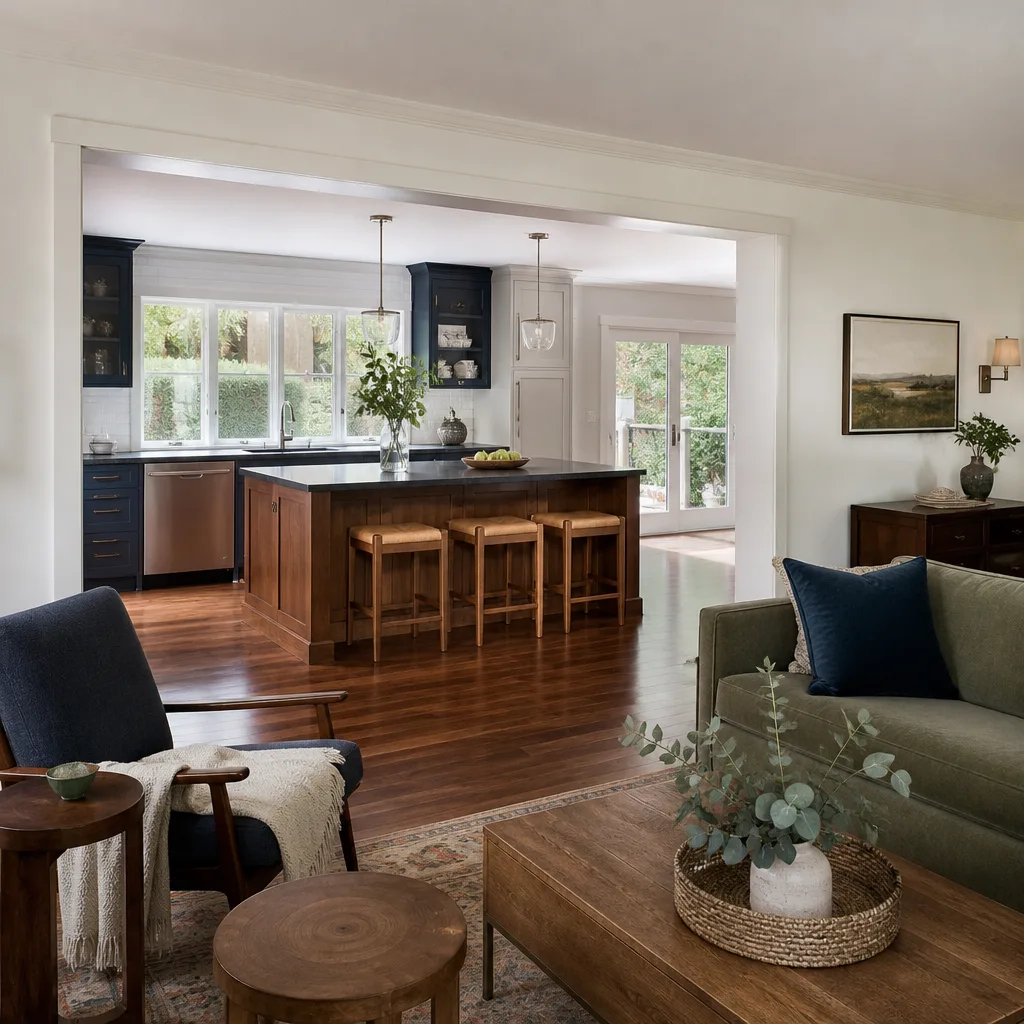
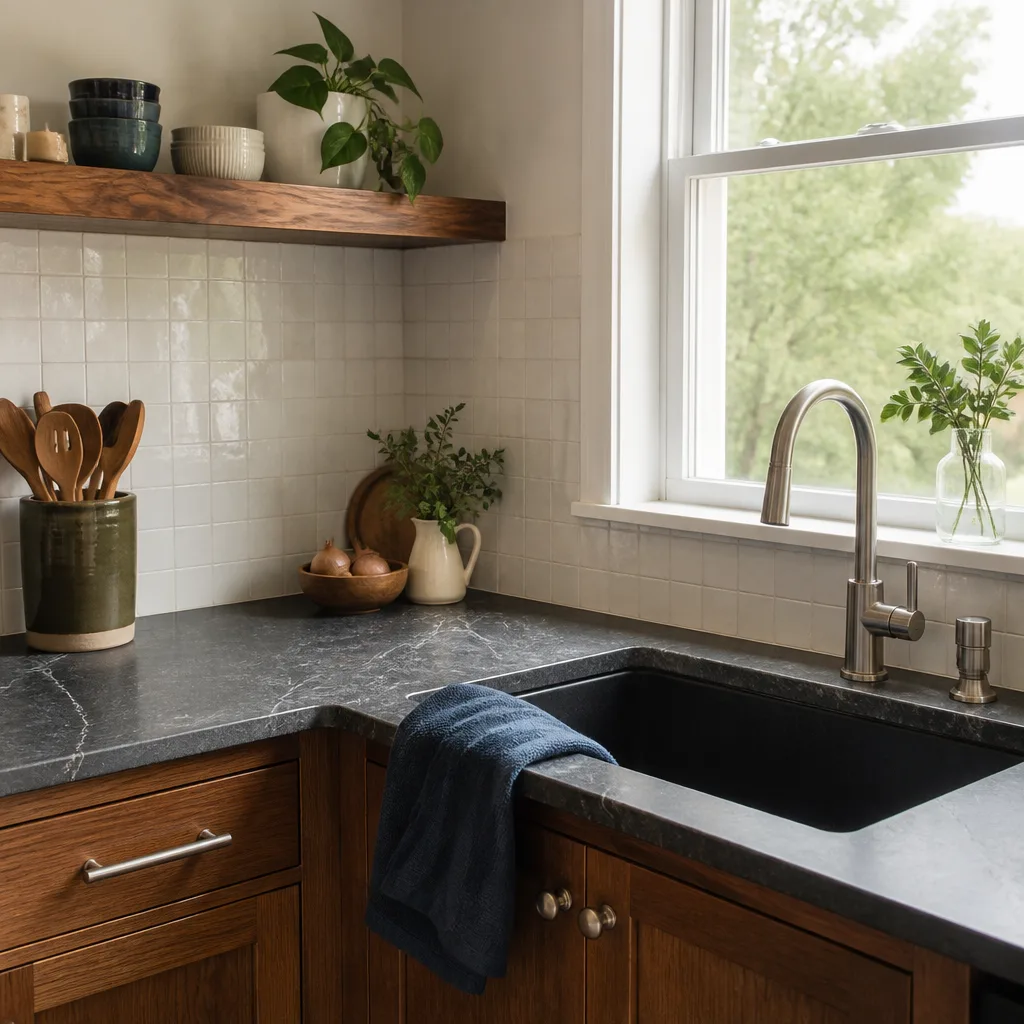
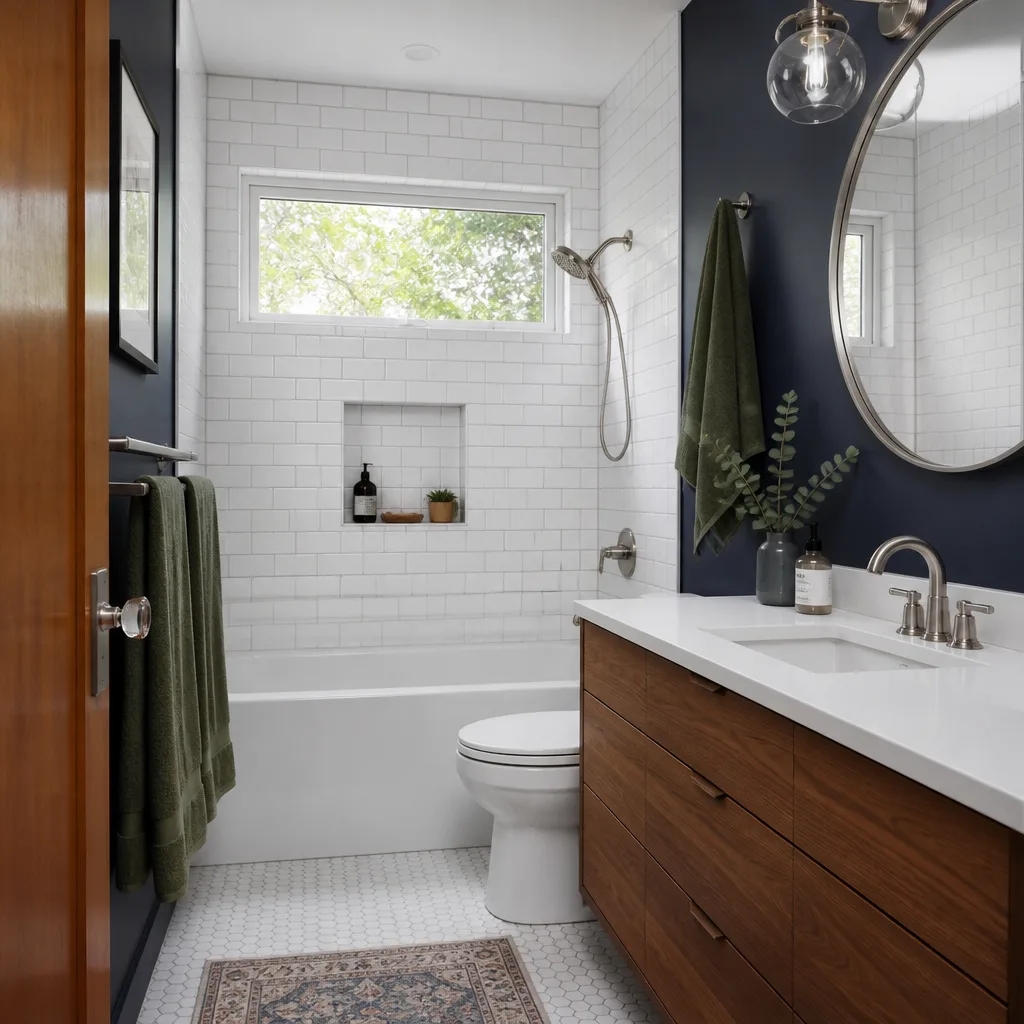
If you’re weighing a kitchen or bathroom project where most of the scope sits inside the trade walls, it’s worth understanding how our team handles permitted scope in Kitchen Remodeling in Cutler Bay and Bathroom Remodeling in Cutler Bay before deciding which pieces to take on yourself.
What You Can Legally Do in Cutler Bay Without a Permit
Here’s the genuinely useful list. These tasks are legal for a homeowner to perform in Cutler Bay with no permit and, in most cases, no licensed trade sub – provided the work is like-for-like and doesn’t change the building envelope, structural load, or any electrical, plumbing, or gas system.
- Interior painting – walls, ceilings, trim, and doors. Exterior painting is generally fine too, as long as you’re not removing or altering stucco or siding as part of it.
- Like-for-like fixture swaps – replacing a bathroom vanity light with an identical-wattage fixture on the existing circuit, swapping a faucet (not the supply lines), or replacing a bathroom exhaust fan with an exact-match unit.
- Non-structural trim and cabinetry – running baseboard, casing, or crown molding, or installing freestanding or wall-hung kitchen cabinets where no electrical, plumbing, or structural changes are involved. This is where Cutler Bay’s tile-over-slab construction helps: floors are typically simple, and cabinetry that doesn’t move mechanical lines doesn’t need a permit.
- Flooring – luxury vinyl plank, engineered hardwood, tile adhesive over a concrete slab, and carpet. If you’re floating over a substrate that’s already flat and dry, no permit is required.
- Landscaping and pavers – laying a walkway, garden bed, or small paver patio. If you’re using materials like Cambridge Pavers or Oldcastle, set them on a properly compacted base of Quikrete or Sakrete – but the labor itself is completely legal for a homeowner. Note: driveways that connect to the public right-of-way are a different story.
- Demolition and cleanup on a permitted project – pulling out old cabinets, tearing up carpet, stripping wallpaper, hauling debris. Legal, and one of the best ways to reduce the cost of a construction job.
- Pressure washing, gutter cleaning, minor caulk and sealant repairs – routine maintenance, no permit.
What this list doesn’t include is anything involving a wet or mechanical system. Not because the county won’t issue you the permit, but because the follow-on insurance problem makes it not worth trying.
What Triggers a Permit Requirement
Most Cutler Bay homeowners are surprised at how low the permit threshold actually sits. Beyond the obvious, the following scope triggers a permit:
- Any new, relocated, or removed wall – even a non-load-bearing partition requires a permit in Miami-Dade
- Any change to a window or exterior door, including like-for-like replacement (HVHZ product approval required)
- Any electrical work beyond a fixture swap on an existing circuit, including adding an outlet, changing a panel, or running a new circuit
- Any plumbing work beyond a faucet change, including moving a sink, adding a shower, or replacing a water heater
- Any gas appliance installation or line modification
- All roof work – repairs beyond minor patching, all replacements
- Any structural modification, including opening up a wall to widen a doorway
- Any exterior addition, including screened enclosures, carports, or pergolas attached to the home
- New pool construction, deck construction, or any hardscape connected to the public right-of-way (driveways)
That list is longer than most DIY guides admit. If you’re unsure whether your specific project triggers a permit, the town of Cutler Bay’s building department will tell you – and calling them before you pick up a tool is not a sign of weakness. It’s the opposite.
The Insurance Problem Nobody Mentions
This is the part of the DIY conversation that gets buried. When you pull an owner-builder permit in Florida, you are the contractor of record for that scope. That status has a very specific consequence: if the work later fails and causes damage – water intrusion, a fire from an improperly terminated circuit, a structural crack – your homeowner’s policy has a legitimate read that the damage was caused by contractor error, and contractor error isn’t typically covered workmanship. The claim gets denied or disputed, and you’re writing the check personally.
Two things make this worse in Cutler Bay specifically. First, the wind-driven rain and humidity mean that any water-management failure – a window not flashed correctly, a shower pan that isn’t properly sloped – fails spectacularly and fast. Second, insurers in South Florida are already scrutinizing claims on renovation-heavy properties harder than they did a decade ago. A file that shows an owner-builder permit as the last permitted work on the property is not a strong position to argue from.
The corrective is simple: every trade piece of a project – electrical, plumbing, roofing, structural – needs to be permitted and inspected in the trade contractor’s own name, under their license, with their insurance on file. That’s what a licensed general contractor like Bradford Remodeling provides when we hold the permit for a project. It’s the piece of the puzzle that no DIY calculator includes, and it’s why the “DIY is cheaper” math usually doesn’t survive contact with a real problem.
Unpermitted Work and Miami-Dade Resale Disclosure
Here’s the cost that DIY calculators never include: disclosure, and the price hit that follows. In Miami-Dade County, sellers are legally required to disclose known unpermitted work. That disclosure doesn’t just lower your asking price – it kills deals. Buyers’ agents flag unpermitted work immediately, and lenders do too. If the work is structural, a mortgage lender can require it be brought up to code before approving financing, which means the buyer’s offer collapses and the seller is left paying for a retrofit that should have been done right the first time.
The actual dollars stack up fast. An unpermitted bathroom addition – very common in older Cutler Bay homes built before 2000 – can cost a seller anywhere from $8,000 to $25,000 to legalize after the fact, depending on scope, plus the cost of opening walls for inspection and re-closing them. An unpermitted electrical panel change can fail insurance underwriting entirely, at which point the home isn’t insurable at standard rates. An unpermitted roof is the worst of all: no insurer will write a policy, and the buyer’s lender will not close.
Compare that against the permit fees and trade costs for doing the work right the first time. For a typical Cutler Bay kitchen remodel, the permit itself is a few hundred dollars. The trade work is the real cost, and the trade work is the same either way. The permit is the cheapest part of the job – and the part that protects the resale value.
How to Structure a Hybrid Project Legally
You don’t have to make this an all-or-nothing decision. The most cost-effective route for a handy homeowner is a hybrid project: a licensed general contractor holds the permit and performs the trade work, while you take on the legal labor that doesn’t require a license. Here’s how that structure typically works, in order:
- Scope split up front. Before any work starts, define exactly which tasks are yours and which are the contractor’s, in writing. Paint, flooring, demolition, cleanup, cabinetry install on non-plumbed runs, and landscaping are your list. Electrical, plumbing, roofing, structural, drywall finishing, and final inspections are the contractor’s list – the part that has to be licensed and permitted.
- Permit pulled in the GC’s name. The general contractor holds the permit under their license. This is what makes the insurance exposure disappear – the record of the work now sits with a licensed entity, not with you personally.
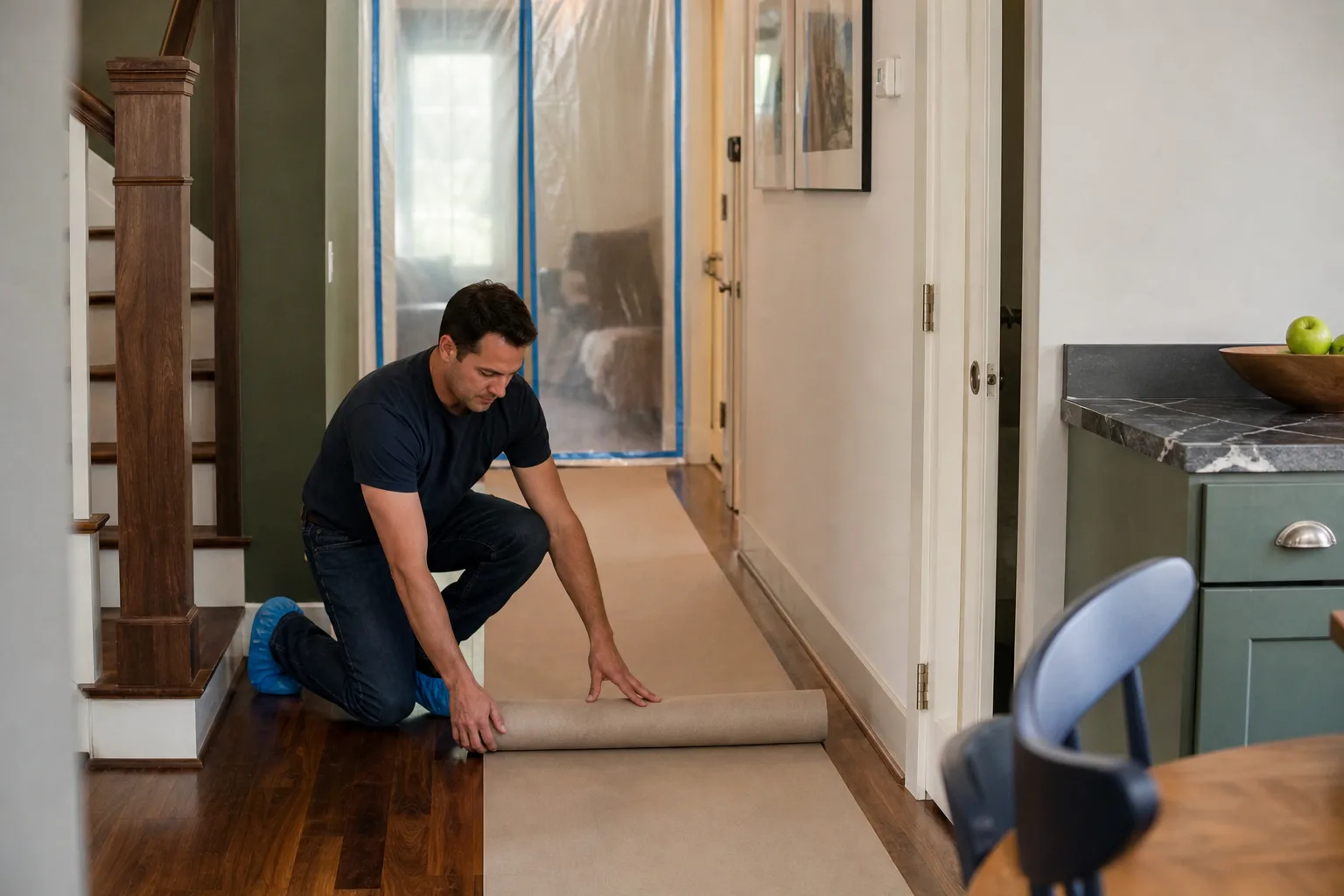
- Site access and staging. Your demolition happens first, then the contractor moves in for rough-in, then you take back over for cleanup and finish. A written schedule keeps this from becoming a guessing game about who’s on site which week. In Cutler Bay, scheduling around rain season (June through November) is its own reason to plan the sequencing carefully.
- Inspections handled by the contractor. The GC coordinates every inspection – rough electrical, rough plumbing, framing, insulation, final. You don’t stand in the inspection line, and you don’t have to defend the work at the counter.
- Final walkthrough and written guarantee. The finished project closes with a documented scope and a written guarantee covering the contractor’s work. Everything you did is yours; everything they did is theirs, in writing.
We’ve run this structure dozens of times on Cutler Bay projects. Homeowners who take on demolition, painting, and flooring save real money, and the trade work stays properly licensed and permitted. If you want to see how the scope split looks at the whole-house level, our guide to a General Contractor in Cutler Bay walks through the phases.
Common Mistakes to Avoid
- Assuming the owner-builder exemption lets you do the electric. It doesn’t. The exemption lets you be the GC on your own home, not the licensed trade. Hire the electrician separately – the inspector will require their license number on the permit anyway.
- Pulling a permit in your name to save a few hundred dollars. Every dollar saved on permit markup gets more than repaid in insurance exposure if anything fails. And every future buyer’s agent will see the owner-builder permit on the property record.
- Skipping the HVHZ product approval on windows and doors. Miami-Dade requires every opening product in the HVHZ to be on the approved product list. A window that isn’t listed fails inspection, and worse, voids the wind coverage on your policy.
- Forgetting that moving a wall – even a non-load-bearing one – requires a permit. This is the single most common unpermitted DIY scope in Cutler Bay older homes, and it’s the one that causes the most trouble at resale.
- Letting landscape pavers and driveways blur together. A paver walkway is DIY-legal. A driveway connecting to the right-of-way is not. Use a licensed contractor for anything that touches the street or the sidewalk apron.
- Not getting the contractor’s written price before work starts. Homeowners who get verbal quotes are the ones who get surprise invoices. Get the scope, the line-item price, and the guarantee terms in writing, and get them before the first tool comes out.
- Assuming unpermitted work “won’t come up.” It always comes up – at inspection, at underwriting, or at closing. Buyers’ inspectors check permit records, and Miami-Dade’s permit history is searchable by address.
See the difference
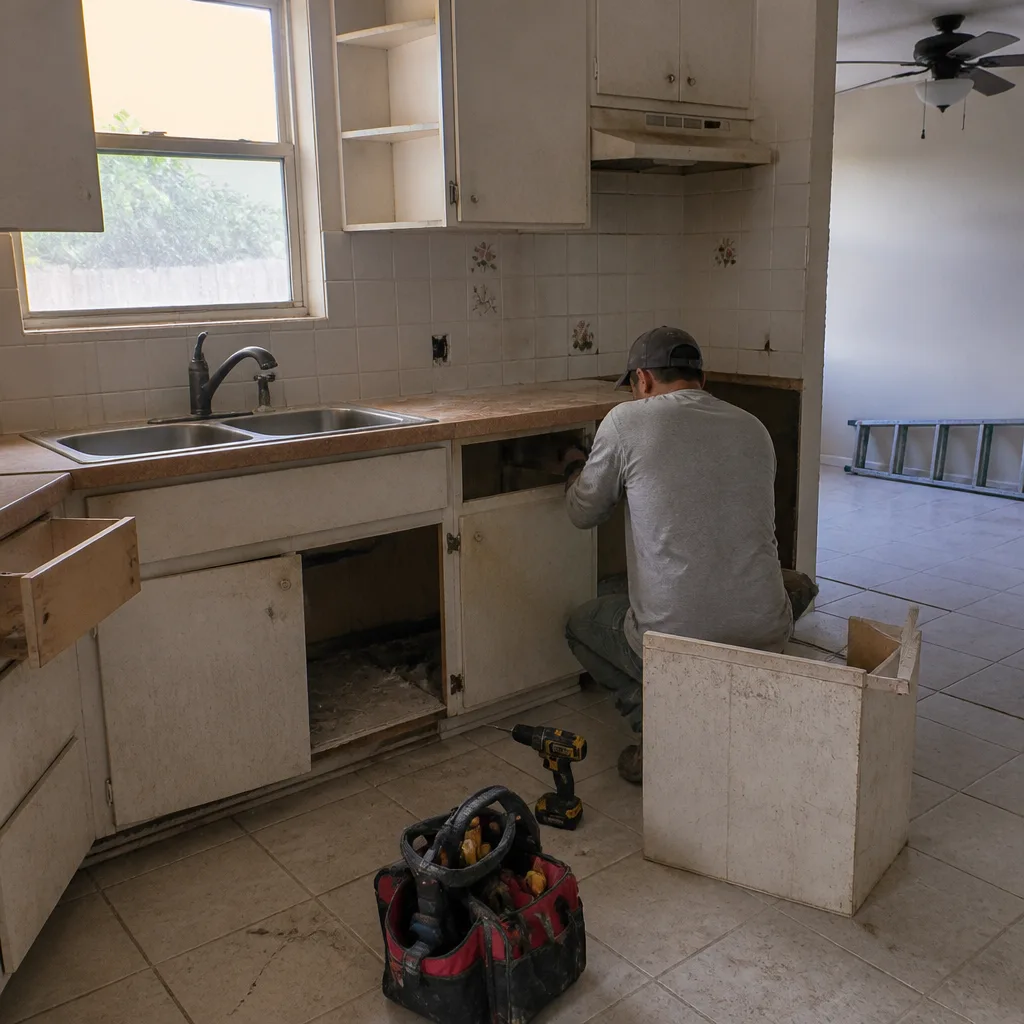 Before
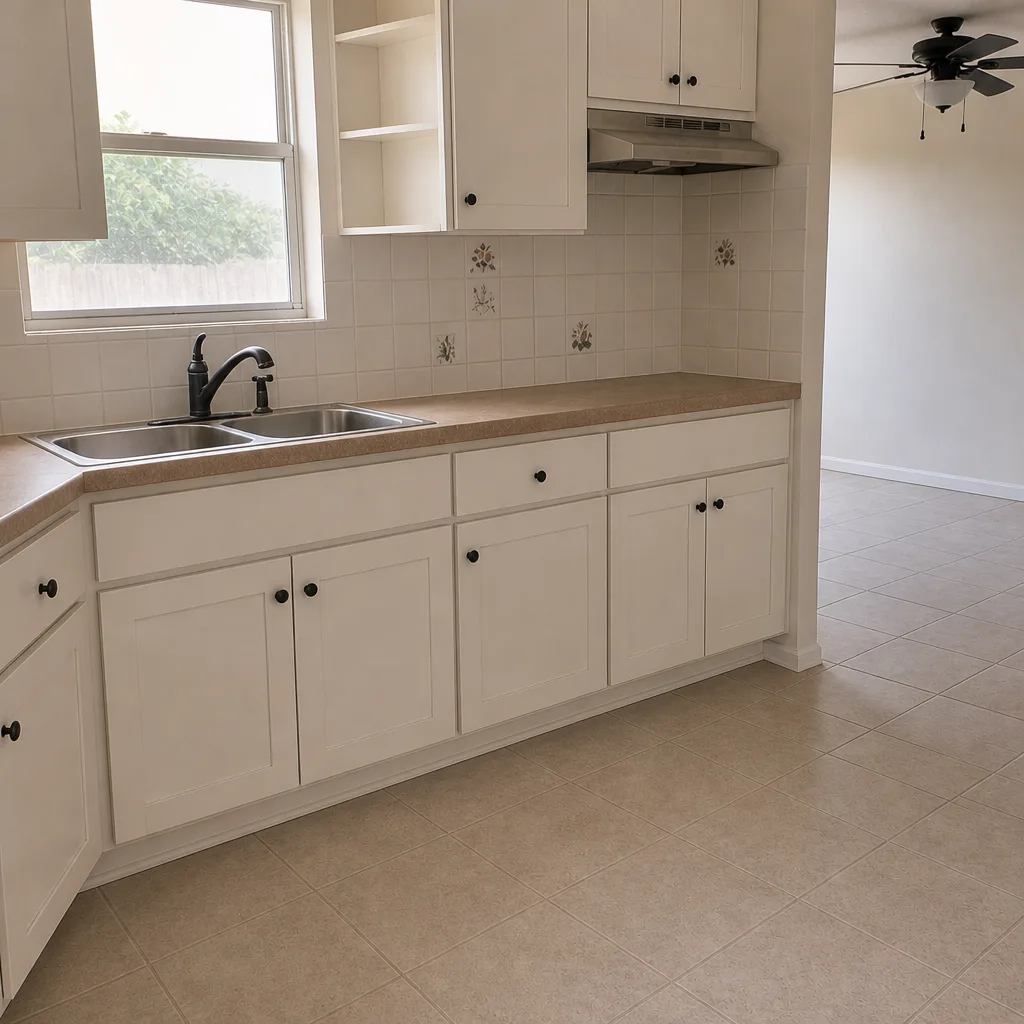 After
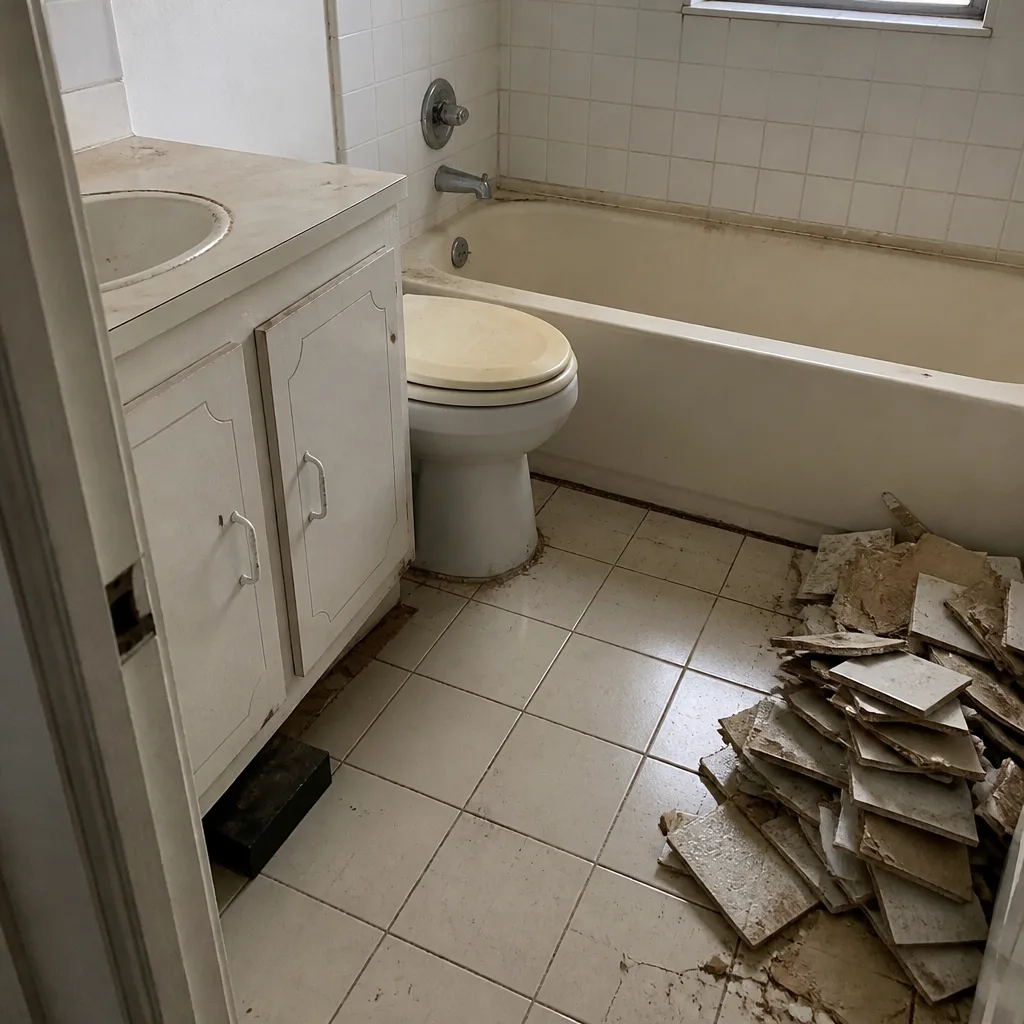 Before
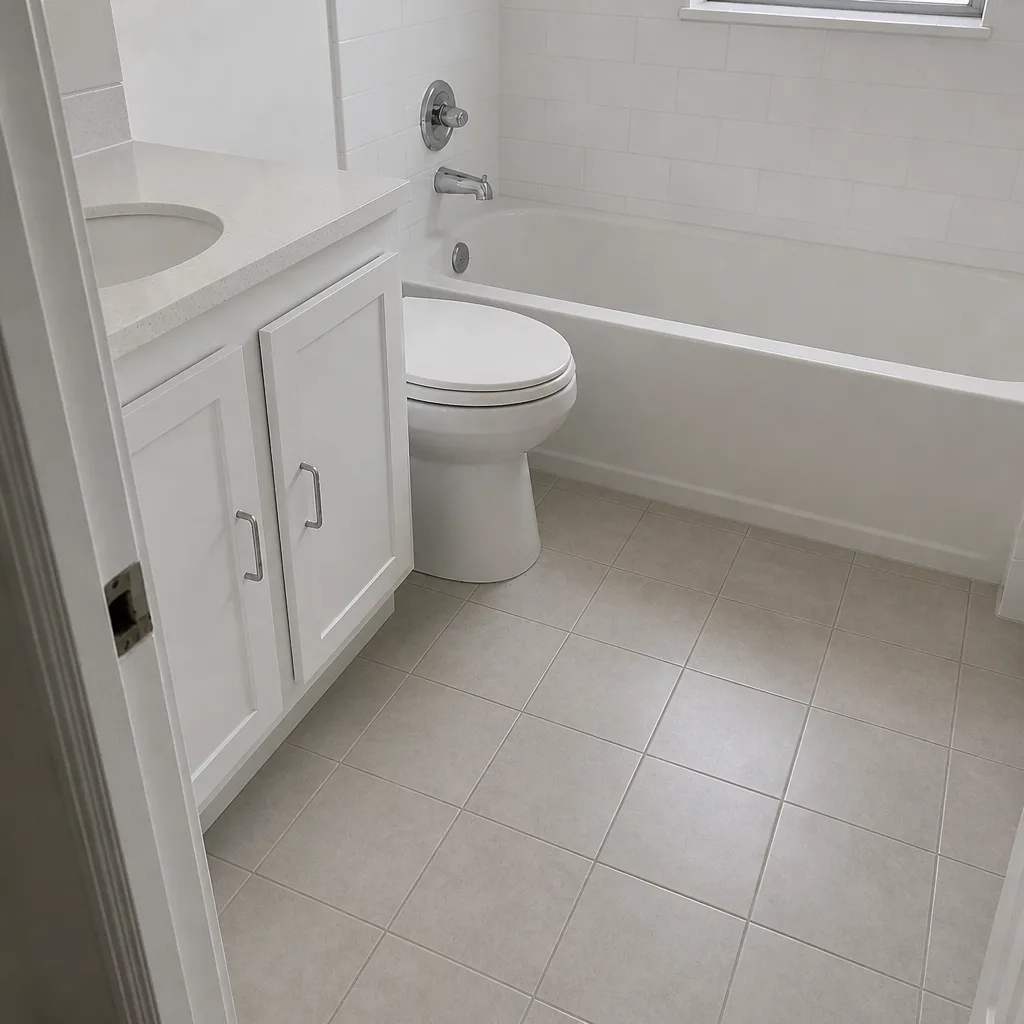 After
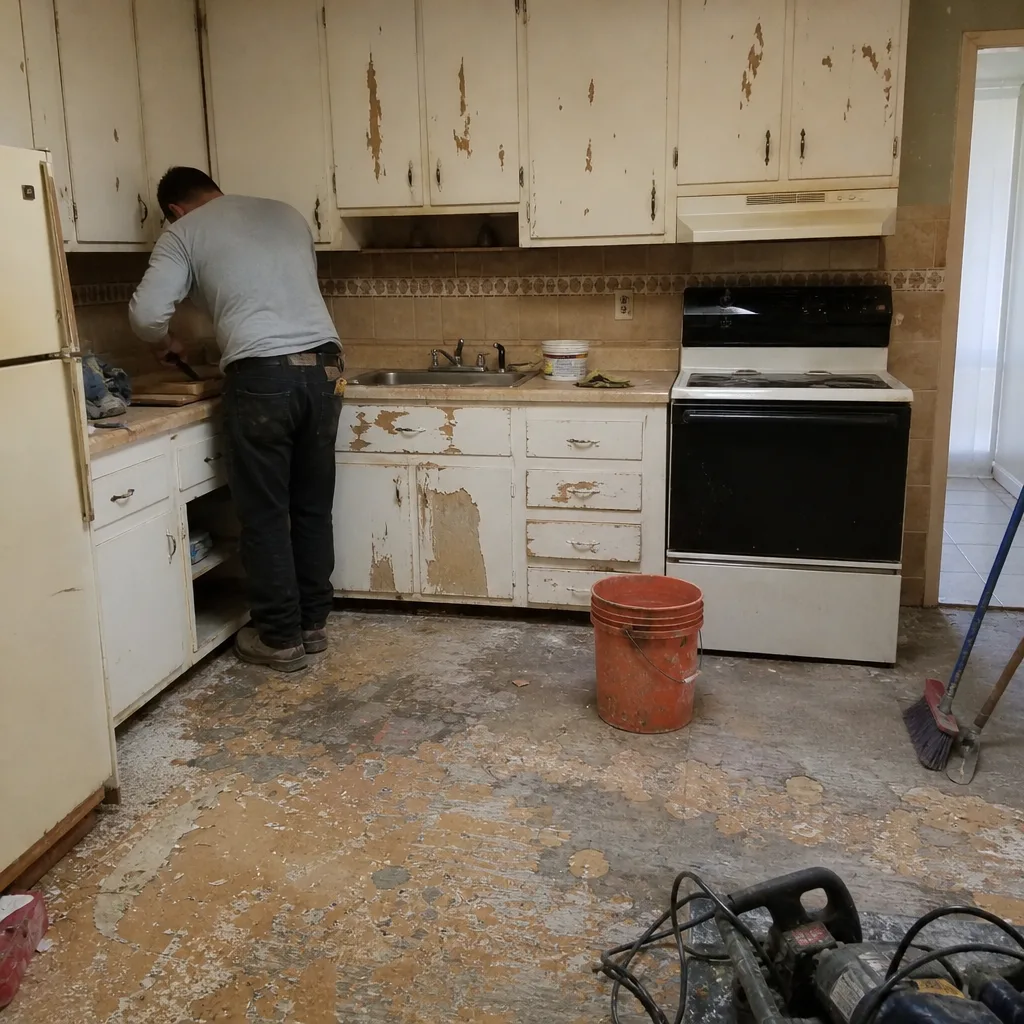 Before
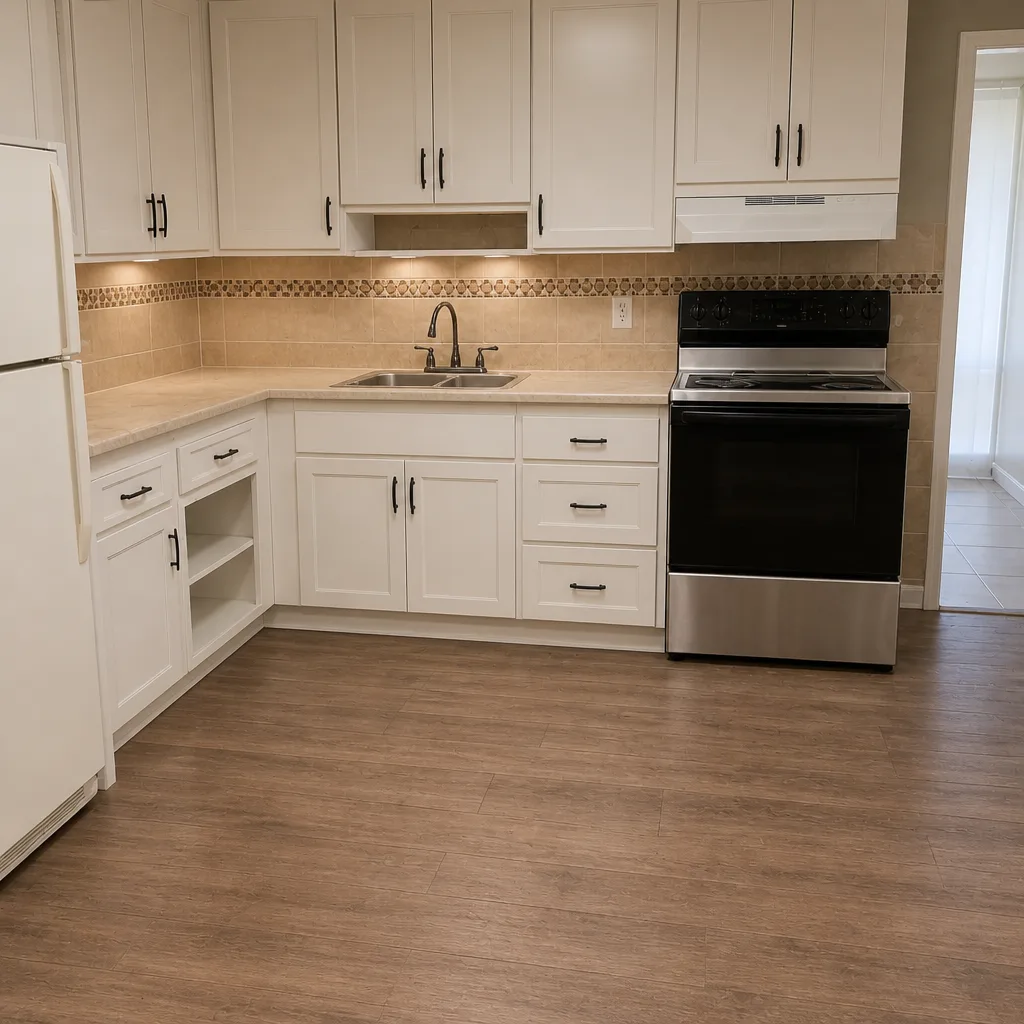 After
When to Call a Professional
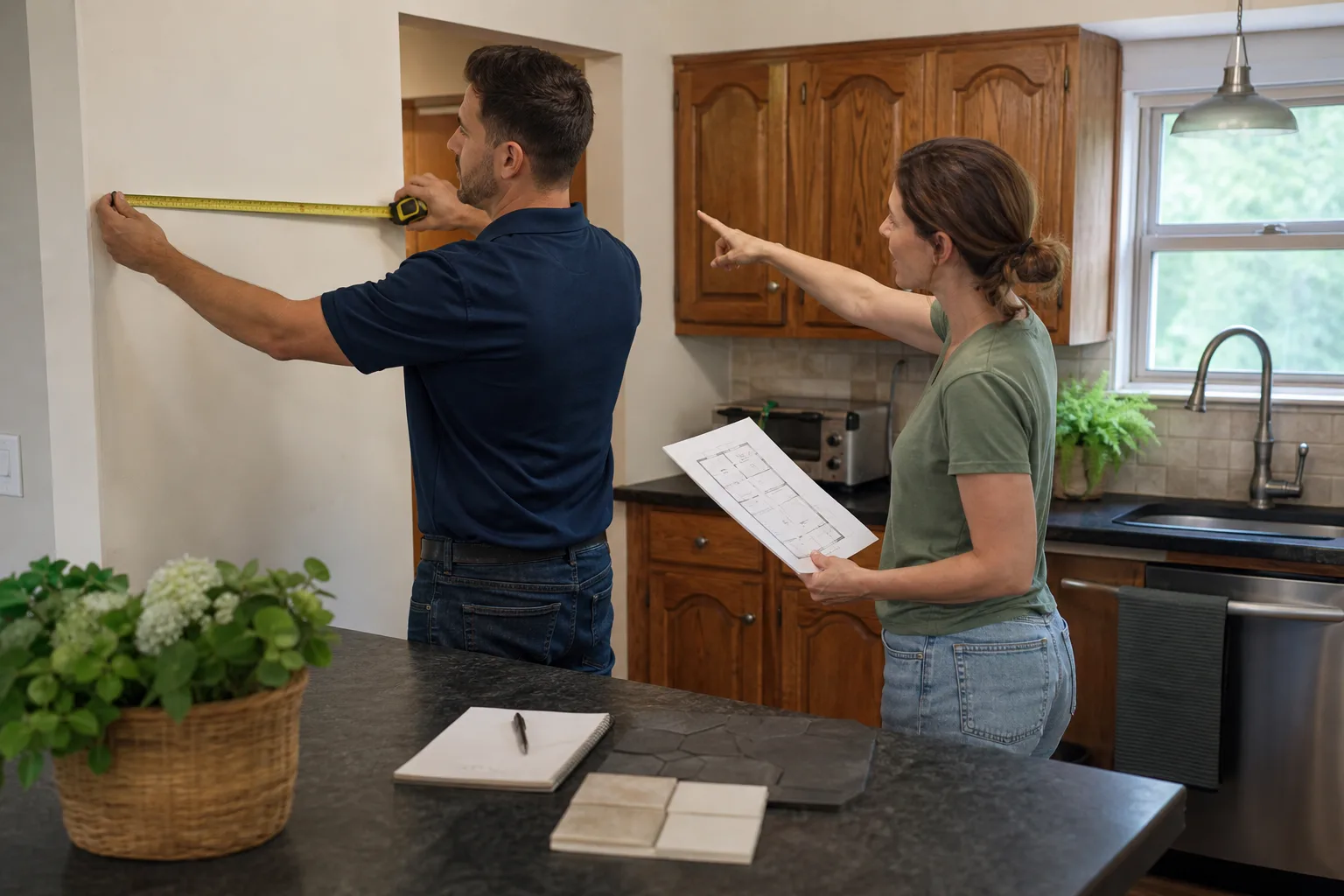
Call a licensed general contractor when the scope involves any of the following: any structural change (including widening a doorway or removing a partition), any roof work at all, any change to the building envelope (windows, doors, stucco, siding), any panel change or new circuit, any plumbing beyond a faucet swap, anything involving gas, or any addition or enclosed structure. Also call when you want to live in the home during construction – sequencing a live-in project is the part that most homeowners underestimate.
Bradford Remodeling Co Cutler Bay offers free estimates in Cutler Bay. Every project gets a written price before work starts, all completed work is covered by the 365-Day Done Right Promise, and you can call Bradford Remodeling Co Cutler Bay home at (833) 620-5491 for an exact quote. A live person answers the phone, day or night. Our technicians have up to 22 years of experience, and every crew member is background-checked and uniformed before they reach your door. No-hassle upfront pricing means the number on the estimate is the number on the invoice.
Frequently Asked Questions
Florida’s owner-builder exemption lets homeowners handle painting, like-for-like fixture swaps, non-structural trim and cabinetry, flooring, landscaping, demolition, and cleanup themselves without a license. Anything structural, roofing, electrical, plumbing, or gas requires a licensed trade – even when the homeowner pulls the permit. Call (833) 620-5491 for a free estimate if you want the scope boundary sorted out before you start.
Yes, under Florida’s owner-builder exemption (Statute 489.103), provided you own and occupy the single-family home and intend to live in it for at least a year after final inspection. Pulling the permit also makes you the contractor of record, which means your insurance carrier can treat workmanship failures as your exposure, not theirs.
No. Interior and exterior painting are permit-exempt in Cutler Bay and across Miami-Dade. Painting doesn’t change the building envelope, the structural system, or any trade scope, so there’s no permitting step. If the painting is part of a larger project – say, a kitchen remodel that involves cabinet and electrical work – the permit covers the trade scope, not the paint.
Miami-Dade requires sellers to disclose known unpermitted work, and buyers’ inspectors check permit records by address. The disclosure typically costs the seller $8,000 to $25,000 in legalizing the work, plus potentially the whole deal if a lender refuses financing. Some buyers walk, and the rest negotiate a discount that mirrors the cost of legalizing the work.
It’s often cheaper on paper to be your own GC – until you add permit exposure, insurance risk, scheduling corrections, and resale disclosure. Homeowners who self-GC typically save 8% to 15% on labor and lose more than that on liability, sequencing errors, and rework. The legal hybrid route – a GC holds the permit while you take on demolition, painting, and flooring – is where the real savings sit.
Often, yes. Miami-Dade’s wind-loading requirements and structural review thresholds mean that any change to a load-bearing opening typically requires a stamped drawing from an engineer or architect. Even a non-load-bearing partition removal requires a permit and an inspection. Get the structural review before you price the labor – the engineer’s report is a small cost relative to opening the wrong wall.
The Bottom Line
The Cutler Bay DIY line isn’t about capability. It’s about paperwork. You can legally paint, swap fixtures, install flooring, lay pavers, pull down cabinets, and run trim without touching a permit. You cannot legally do the roof, the electric, the plumbing, the gas, or anything structural – and if you pull the owner-builder permit on those scopes, you absorb the insurance exposure personally. The hybrid approach – a licensed GC holds the permit, you take on the legal labor – is where homeowners save real money without giving up the protection that makes the savings worth having. Written prices, licensed trade work, and a full-year written guarantee on the contractor’s scope. That’s what squared away looks like at close: a clean site, a documented scope, and a signed guarantee in your hand.
Bradford Remodeling Co Cutler Bay is a member of the Garrison Partners family, independently owned and operated and held to The Garrison Standard. Every project gets a written price before a single tool comes out. Every completed project carries the 365-Day Done Right Promise. Call (833) 620-5491 for a free estimate.
Written by the team at Bradford Remodeling Co Cutler Bay.