Last updated November 18, 2026
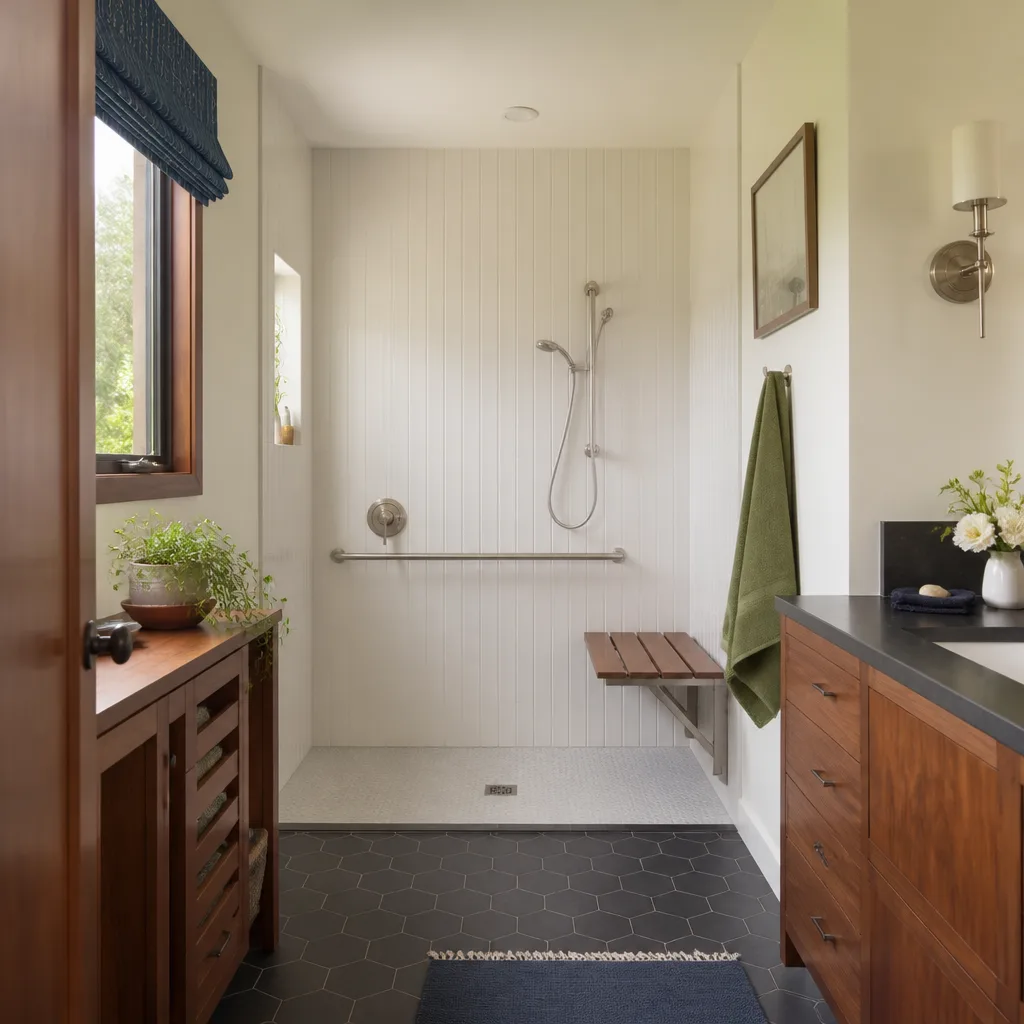

Free written scope consultation - allowances, timeline, and change-order rules on paper before a single trade is scheduled
DIY vs Professional Kitchen Remodeling: What’s Safe to Do Yourself
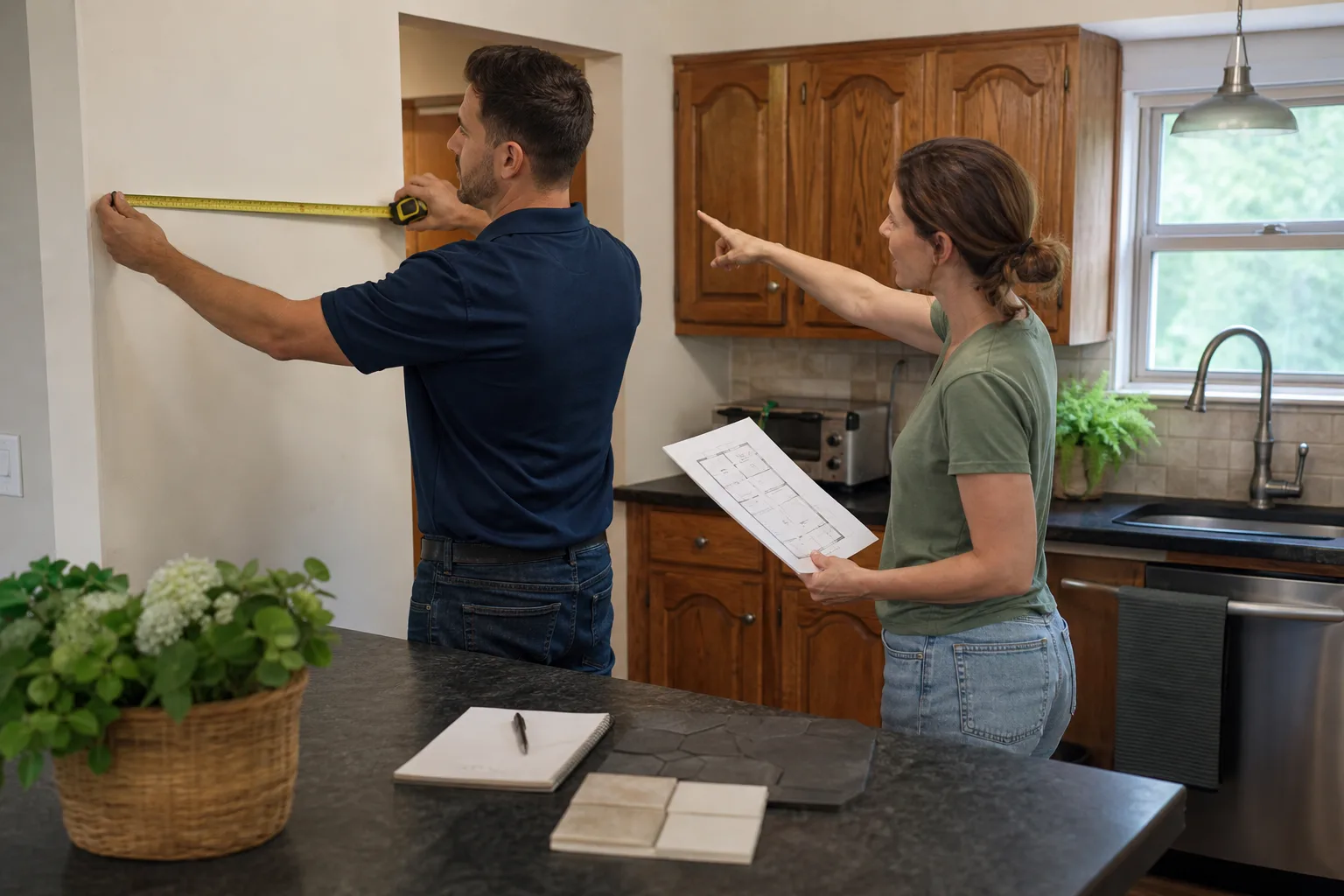
Replacing a kitchen faucet is legal DIY in Florida. Moving the drain two feet to the left to fit a new island layout is not. It requires a licensed plumber and a permit, and the gap between those two tasks is exactly the kind of line homeowners cross without realizing it. In a Miami-Dade kitchen remodel, the DIY-versus-professional question isn’t really about skill. It’s about which tasks trigger a licensed-trade permit requirement and which don’t, because doing licensed-trade work yourself without an owner-builder permit creates title and insurance exposure that follows the house, not just you. This guide lays out, task by task, what a Cutler Bay homeowner can legally and safely do alone, what needs a permit, and what should never leave a licensed trade’s hands.
Quick Answer
In Florida, homeowners can safely and legally handle cosmetic work: painting, swapping cabinet hardware, installing open shelves into studs, and plug-in under-cabinet lighting. Anything that touches the plumbing supply or drain lines, adds or moves an electrical outlet or circuit, moves a gas line, or alters structural framing requires a permit and a licensed trade in Miami-Dade County. Doing that trade work yourself without an owner-builder permit puts your insurance and your ability to sell the home at risk.
Styles & brands we work with
- Kitchen remodeling
- Bathroom remodeling
- Home additions & ADU
- Roofing
- Windows & doors
- Driveway & pavers
- Fence
Table of Contents
- The DIY / Permit / Licensed-Trade Matrix for Florida Kitchens
- What Florida Law Actually Lets You Do Yourself
- Safe DIY Scope in a Miami-Dade Kitchen
- Why Moving a Kitchen Outlet 12 Inches Is New Electrical Work
- How to Structure a Hybrid Remodel Contract
- What Unpermitted Work Does to Your 4-Point Inspection
- Common Mistakes to Avoid
- When to Call a Professional
The DIY / Permit / Licensed-Trade Matrix for Florida Kitchens
Here’s the whole guide in one table. Sort every task in your remodel into one of these three buckets before you buy a single tool. This is the framework we use when scoping a kitchen in Cutler Bay, and it’s the fastest way to know where your plan is legal and where it isn’t.
- Legal homeowner DIY (no permit): Interior painting and trim painting; swapping cabinet knobs, pulls, and hinges; installing open shelving into wall studs; plug-in (not hardwired) under-cabinet lighting; replacing a like-for-like faucet with no supply or drain changes; swapping a drop-in sink of identical size in the same cutout; installing a new backsplash over an existing sound substrate; adding a freestanding island or butcher block on casters; patching and repainting drywall.
- Permit-required, owner-builder allowed: Non-structural demolition of cabinets and countertops; removing old flooring and tile; installing new flooring; hanging drywall; relocating a non-load-bearing partition (with engineering review in many Miami-Dade cases); finish carpentry and cabinet installation where no trade work is involved.
- Licensed-trade-only (permit and inspection required): Any change to water supply or drain lines; adding, moving, or removing an electrical outlet, switch, or circuit; hardwiring under-cabinet lights; installing a new range hood that vents to the exterior; moving or replacing a gas line or gas range connection; any structural wall removal; any work on the main electrical panel.
That middle column is where the owner-builder permit comes in. Florida lets a homeowner pull permits as an owner-builder for work on a home they live in, but the trades within that scope still have to be done by licensed contractors in most municipalities, and Miami-Dade enforces this closely. If your plan involves opening the wall behind the sink or the range, you’re in the licensed column whether you swing the hammer or not.
What Florida Law Actually Lets You Do Yourself
Florida Statute 489.103 lays out the owner-builder exemption. It says a homeowner can act as their own contractor on a single-family home they occupy, without holding a contractor license. That exemption is real, and it’s narrower than most people assume. It applies to the structure and the finish work. It does not let you perform plumbing, electrical, mechanical, or gas work that requires a license, and it does not shield you from inspections.
Two conditions trip people up. First, the owner-builder exemption is for a home you live in. If you rent it out or flip it, the exemption generally doesn’t apply, and pulling permits on a property you don’t occupy as your primary residence can be treated as unlicensed contracting. Second, when you sell, you must disclose any owner-builder work and, in many cases, sign an affidavit that the work was done to code. Buyers and their agents in Cutler Bay ask for that paper. A missing permit history shows up in a title search and stalls closings.
There’s also the question of the licensed trade itself. Even under an owner-builder permit, Miami-Dade requires licensed plumbing and electrical contractors to pull their own trade permits and pass their own inspections. You can’t self-certify a plumbing rough-in. The county inspector signs off on the trade, not on your confidence.
If your plan is mostly interior work and you want the full picture of what a properly run remodel includes, our kitchen remodeling in Cutler Bay page walks through the scope we manage on a typical job. For the broader contracting rules that govern any project, our general contractor in Cutler Bay page covers permitting and scope.
Safe DIY Scope in a Miami-Dade Kitchen
What can you genuinely do yourself in a Cutler Bay kitchen? More than you’d think, if you stay in the cosmetic lane. These are the tasks we routinely hand back to homeowners who want to keep their hands on the project and their budget intact. They carry no permit requirement and no real injury or code risk when done with ordinary care.
- Painting. Walls, ceilings, trim, and cabinet boxes. In South Florida’s humidity, use a mold-resistant kitchen and bath paint and let cabinets cure fully before rehanging doors, or the finish will tack. This is the single biggest DIY savings in a remodel and the one most homeowners keep.
- Hardware swaps. Knobs, pulls, and hinges. Measure your existing hole spacing first; new pulls rarely match old ones, and a mismatched spacing means drilling fresh holes into a $400 cabinet door.
- Open-shelf installation. Anchor brackets into wall studs, not just drywall anchors, especially if you’ll load them with cast iron or stoneware. Studs are every 16 inches in most Cutler Bay homes built to modern code.
- Plug-in under-cabinet lighting. LED strip lights that plug into an existing counter outlet are legal DIY. The moment you cut into the wall to hardwire them into a circuit, you’re in electrical permit territory. Plug-in only.
- Backsplash tile over a sound substrate. If the existing drywall or cement board is solid and flat, a peel-and-stick or thinset tile backsplash is finish work. If the substrate is soft, water-damaged, or crumbling, stop and get it evaluated.
- Freestanding island or cart. A butcher block or rolling cart gives you island function without touching plumbing or electrical. If you want a permanent island with a sink or outlet, that’s a licensed job.
Notice what these have in common: nothing gets opened up, nothing gets wired into the house, and nothing touches water or gas. That’s the boundary. Our bathroom remodeling in Cutler Bay page draws the same line for baths, where the water exposure makes it even less forgiving.
Why Moving a Kitchen Outlet 12 Inches Is New Electrical Work
Moving a kitchen outlet 12 inches is new electrical work, and it needs a licensed electrician and an inspection. This surprises people, because it looks like a small adjustment. Under the National Electrical Code, which Miami-Dade adopts, any relocation of a receptacle means new wiring, a new box location, and a new connection to the circuit. It’s not a repair and it’s not a swap. It’s an alteration of the branch circuit, and alterations require a permit and an inspection.
The reason kitchen outlets are stricter than bedroom outlets comes down to the code’s countertop rules. Kitchens have specific requirements for GFCI protection, spacing along countertops, and dedicated circuits for major appliances. Move one outlet and you can put the whole counter run out of compliance with the spacing rule, which then fails inspection even though the outlet itself works fine. The inspector checks the run, not just the box.
Add to that the island situation. Island outlets are governed by newer code provisions that changed the rules on where receptacles can go. If you’re adding an island with an outlet, that’s a new circuit, a new permit, and a licensed electrician. There’s no version of island electrical work that’s homeowner DIY in Miami-Dade.
We’ve seen homeowners in Cutler Bay move an outlet themselves to tuck it behind a new backsplash and then discover at resale that the unpermitted circuit is flagged. The fix is never just putting the outlet back. It’s opening the wall, pulling a permit after the fact, and paying for an inspection that should have happened in the first place. The twelve inches cost more after the fact than they ever would have up front.
How to Structure a Hybrid Remodel Contract
A hybrid remodel is one where the homeowner does some of the work and a general contractor manages the rest. Done right, it saves real money without creating liability. Done wrong, it creates finger-pointing when something fails and nobody will warrant it. The structure matters more than the savings. Here’s the sequence that keeps a hybrid Cutler Bay kitchen squared away.
- Get the scope in writing, trade by trade. The contract should list every task and who owns it: homeowner demo, GC-managed plumbing, homeowner finish paint, GC-managed electrical. Ambiguity here is where hybrids fail.
- Sequence the homeowner work around the trades. Demo before rough-in. Finish painting after drywall and before cabinet install. If the homeowner handles disposal, the dumpster has to be scheduled around the plumbing inspection, not the other way around.
- Keep all permitted trade work in the GC’s column. Your contractor pulls the plumbing, electrical, and mechanical permits and manages the inspections. You don’t touch them, even under an owner-builder permit, because the trades need to pull their own.
- Document who warrants what. If the homeowner installs cabinets and the GC installs the countertop, who owns a seam that cracks? Put it in the contract. Our written-price commitment covers the scope we own, and a clear hybrid agreement extends that clarity to the parts you own.
- Set the inspection schedule before demo starts. Rough-in inspections happen at specific points. Homeowner demo that runs late or homeowner painting that runs early throws off the trade sequence and the inspection calendar.
The hybrid structure works best when the homeowner’s piece is genuinely finish work: painting, hardware, plug-in lighting, cleanup. It works worst when the homeowner’s piece is in the middle of the trade sequence, like demo that runs into the rough-in window. Talk to your contractor about the schedule before you pick up a sledgehammer. If you want to see how a fully GC-managed version of the same kitchen runs, from Bradford Remodeling Co Cutler Bay it’s worth comparing the two scopes side by side.
What Unpermitted Work Does to Your 4-Point Inspection
Unpermitted kitchen plumbing or electrical work can fail your Miami-Dade 4-point insurance inspection, and a failed 4-point is an underwriting problem that can follow the house for years. The 4-point inspection covers four systems: roof, electrical, plumbing, and HVAC. It’s required by many insurers on homes past a certain age, and it’s a common condition of coverage in South Florida. The inspector looks at the electrical panel, the wiring, the water heater, the supply and drain lines, and the roof. What they’re checking for is code compliance and safety, and unpermitted work is exactly what they’re trained to spot.
Here’s the underwriting consequence. An inspector who finds a kitchen circuit added without a permit, or a drain line relocated without inspection, can flag the electrical or plumbing system as having unpermitted alterations. The insurer can then decline coverage, require a corrective permit and re-inspection before binding, or raise the premium to reflect the risk. Some carriers won’t write the policy at all until the work is documented as permitted and inspected. That’s not a paperwork nuisance. It’s a coverage problem on the house you’re living in.
The same exposure hits at sale. A buyer’s inspector flags the kitchen, the title search shows no permit for the work, and the deal stalls until the seller pulls a retroactive permit, opens walls, and pays for the inspection that should have happened during the remodel. In Cutler Bay, where a lot of the housing stock is older and the 4-point is routine, this is a real closing hazard, not a theoretical one. The honest math: the money you saved doing your own plumbing or electrical is smaller than the coverage gap or the price concession you’ll face later.
Permits pulled and inspections passed are part of every project we run, and they’re not an upsell. They’re the paper that keeps your coverage and your resale intact.
Common Mistakes to Avoid
- Assuming a small electrical move is a repair. Moving an outlet, even a few inches, is an alteration of the circuit and needs a permit and a licensed electrician. It’s not the same as swapping a switch plate.
- Pulling an owner-builder permit for trade work you can’t legally do. The owner-builder exemption covers the structure and finish, not plumbing, electrical, mechanical, or gas. Doing the trade yourself under an owner-builder permit is unlicensed contracting.
- Hardwiring under-cabinet lights. Plug-in LED strips are legal DIY. Cutting into the wall to hardwire them is electrical work. Plenty of Cutler Bay homeowners cross this line without noticing.
- Running demo into the rough-in inspection window. In a hybrid remodel, late demo delays the plumbing and electrical inspections and throws the trade schedule off. Sequence the work before you swing the sledgehammer.
- Ignoring the substrate before tiling a backsplash. In South Florida humidity, a soft or water-damaged substrate under a new backsplash will fail. Check it before you tile, not after.
- Skipping the permit on a like-for-like faucet swap that turns into a drain move. A faucet swap is DIY. The moment the drain has to move to fit the new sink, you’re in plumbing permit territory. Stop and call a plumber.
- Assuming the exemption covers a rental or a flip. The owner-builder exemption is generally for a home you occupy. Work on a property you rent out can be treated as unlicensed contracting.
When to Call a Professional
Call a licensed professional the moment your plan touches water, gas, electricity beyond a plug-in, or a structural wall. That means any drain or supply relocation, any new or moved outlet or circuit, any hardwired lighting, any gas line or gas range connection, any range hood vented to the exterior, and any wall you’re not certain is non-load-bearing. It also means any project where the scope is fuzzy, because a fuzzy scope is where surprise invoices come from. In Cutler Bay, we see this most often on older homes where the “simple” kitchen turns out to have galvanized supply lines or a panel that’s already at capacity, and those discoveries belong to a licensed trade, not a homeowner with a weekend.
Bradford Remodeling Co Cutler Bay offers free estimates in Cutler Bay. Every price is written before any work starts, every permitted trade is managed and inspected, and every completed project carries the 365-Day Done Right Promise: if the work fails within the guarantee period, we return and correct it at no charge. Call (833) 620-5491 to schedule your free estimate.
See the difference
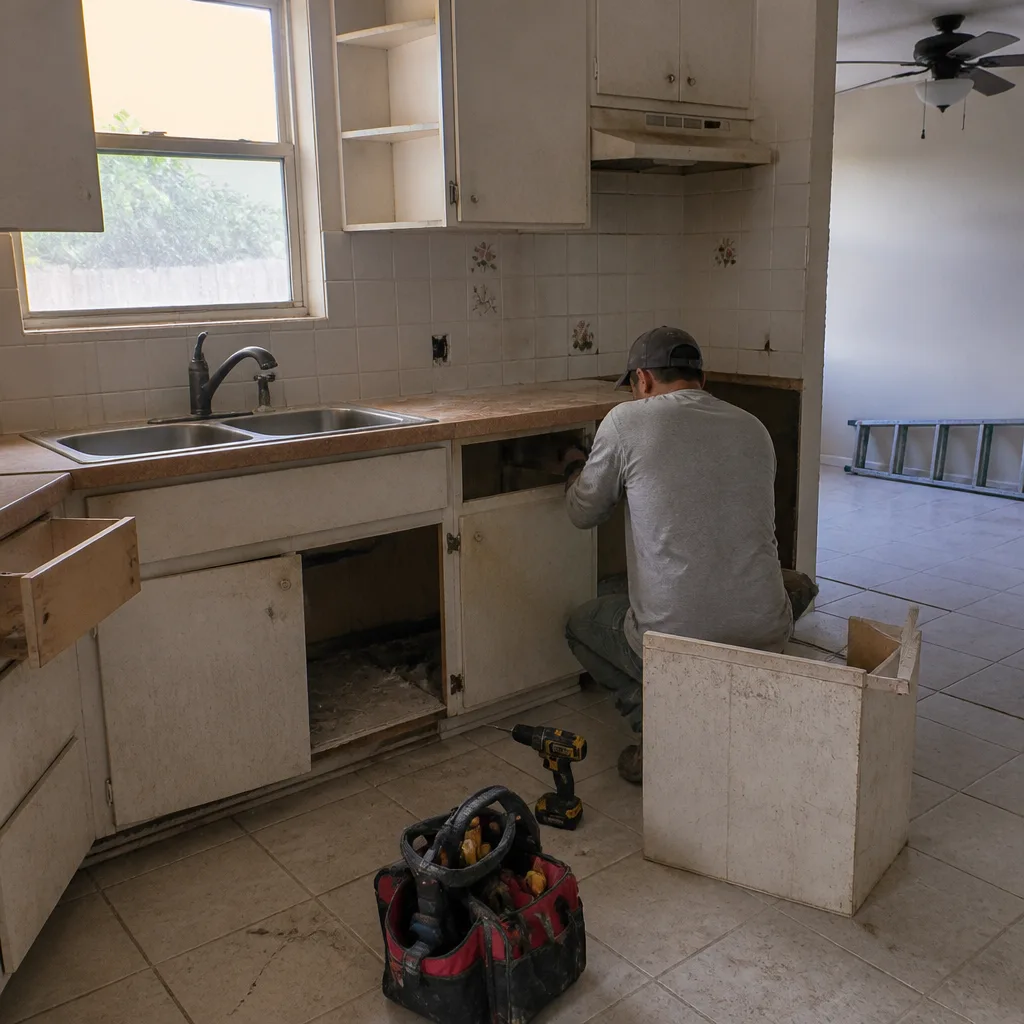 Before
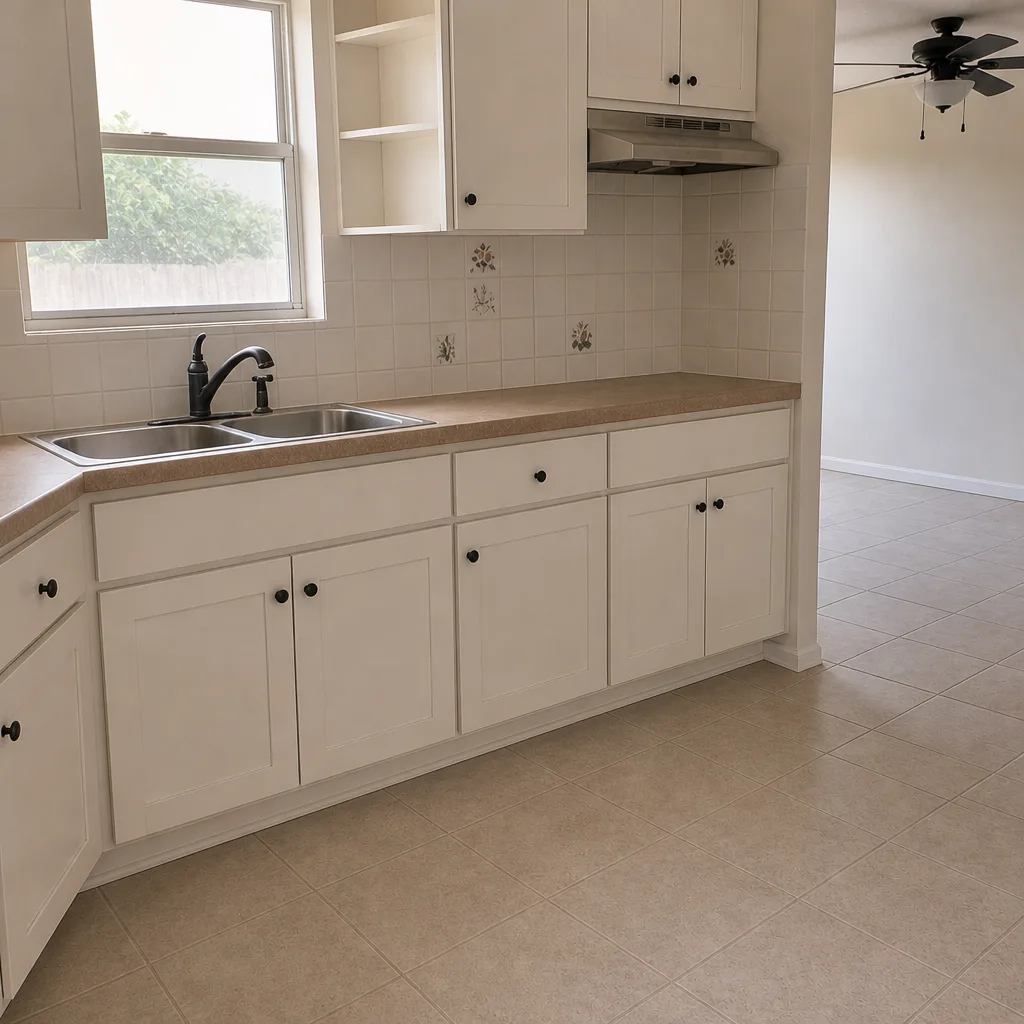 After
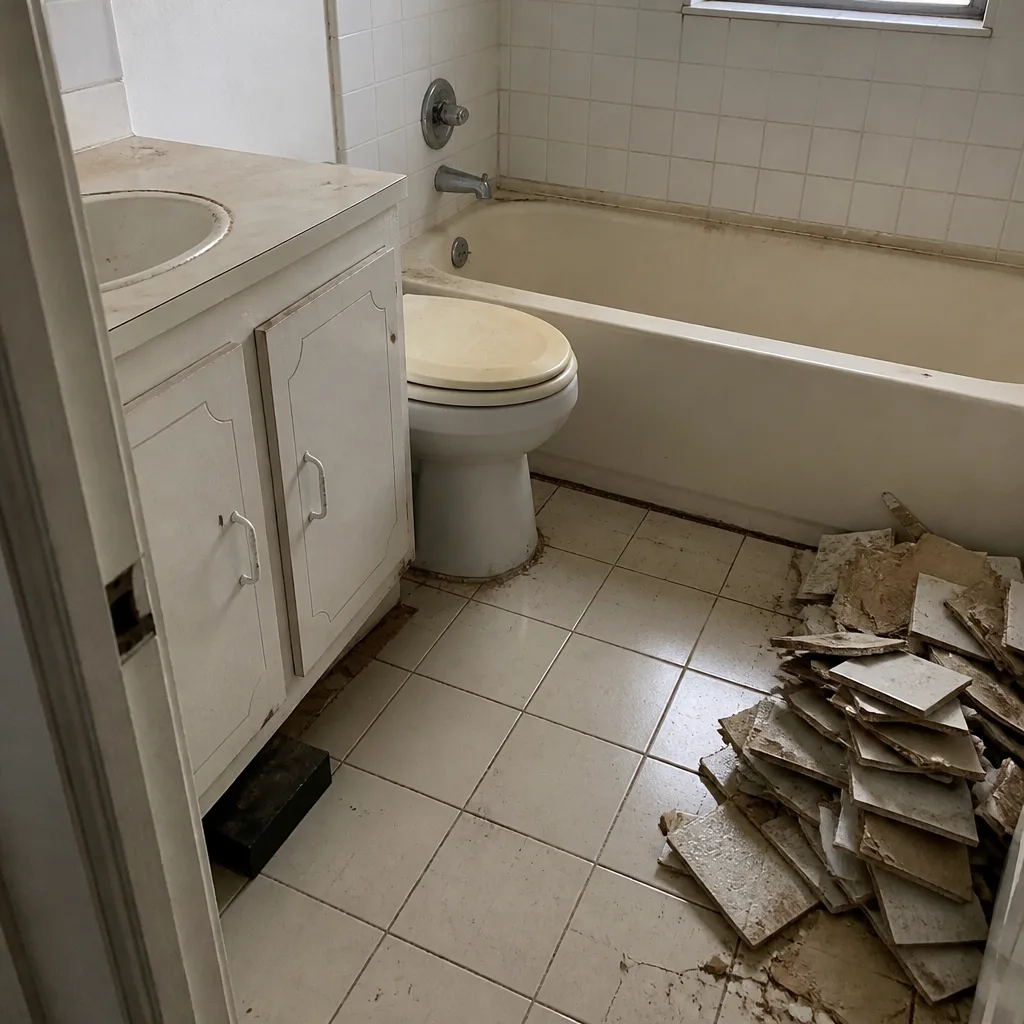 Before
 After
 Before
 After
Frequently Asked Questions
You can do cosmetic work yourself in Florida: painting, hardware, open shelving, plug-in lighting, and like-for-like swaps that don’t touch supply or drain lines. Anything that moves plumbing, adds or moves electrical, touches gas, or alters structure requires a permit and a licensed trade under Miami-Dade code. If your scope stays in the cosmetic lane, it’s legal DIY. Call (833) 620-5491 for an exact quote on the parts that aren’t.
Yes. Moving a kitchen outlet, even 12 inches, is new electrical work because it alters the branch circuit and can put the countertop run out of code compliance. It requires a licensed electrician and an inspection. It is not a repair and cannot be done as homeowner DIY. Call (833) 620-5491 for a free estimate that includes the permitted electrical scope.
An owner-builder permit lets a homeowner act as their own contractor on a single-family home they occupy, covering structure and finish work without a contractor license. It does not let you perform licensed plumbing, electrical, mechanical, or gas work, and those trades still pull their own permits and pass their own inspections. Call (833) 620-5491 if you’re unsure which side of the line your task falls on.
Yes. Unpermitted plumbing or electrical work can fail a Miami-Dade 4-point insurance inspection, and a failed 4-point can lead an insurer to decline coverage, require a corrective permit and re-inspection, or raise your premium. The exposure also hits at resale, when a buyer’s inspector and the title search flag the unpermitted work. Call (833) 620-5491 for an estimate on doing it permitted the first time.
Plug-in LED under-cabinet lighting is safe and legal DIY because it uses an existing outlet and doesn’t alter the home’s wiring. Hardwired under-cabinet lighting is electrical work: it requires a licensed electrician and a permit. The dividing line is whether you cut into the wall to connect to a circuit. Call (833) 620-5491 if you want the hardwired version quoted.
A permitted Cutler Bay kitchen typically runs several weeks from demo to final inspection, and the permit and inspection calendar is part of that timeline, not an add-on. The trade sequence drives the schedule: rough-in, inspection, drywall, finish. A hybrid remodel where the homeowner handles finish paint can run longer if the homeowner’s piece isn’t sequenced around the trades. Call (833) 620-5491 for a written timeline on your scope.
The Bottom Line
The DIY-versus-professional line in a Miami-Dade kitchen isn’t about how handy you are. It’s about which tasks trigger a licensed-trade permit and which don’t. Painting, hardware, open shelving, plug-in lighting, and like-for-like swaps are legal DIY. Anything that moves plumbing, adds or moves electrical, touches gas, or alters structure needs a permit and a licensed trade, and doing it yourself without the trades creates title and insurance exposure that follows the house. The 4-point inspection and the resale closing are where that exposure shows up, and it’s more expensive than the labor you saved. Keep your hands on the finish work. Leave the trades to the people who pull the permits and pass the inspections.
Bradford Remodeling Co Cutler Bay writes every price before any work starts, manages every permitted trade, and backs every completed project with the 365-Day Done Right Promise. Calls are answered by a live person, 24/7. Our technicians have up to 22 years of experience, and every job uses documented brands like Kohler fixtures and Cambria surfaces, so the spec is traceable. Call (833) 620-5491 for a free estimate in Cutler Bay.
Written by the team at Bradford Remodeling Co Cutler Bay.