Last updated November 18, 2026

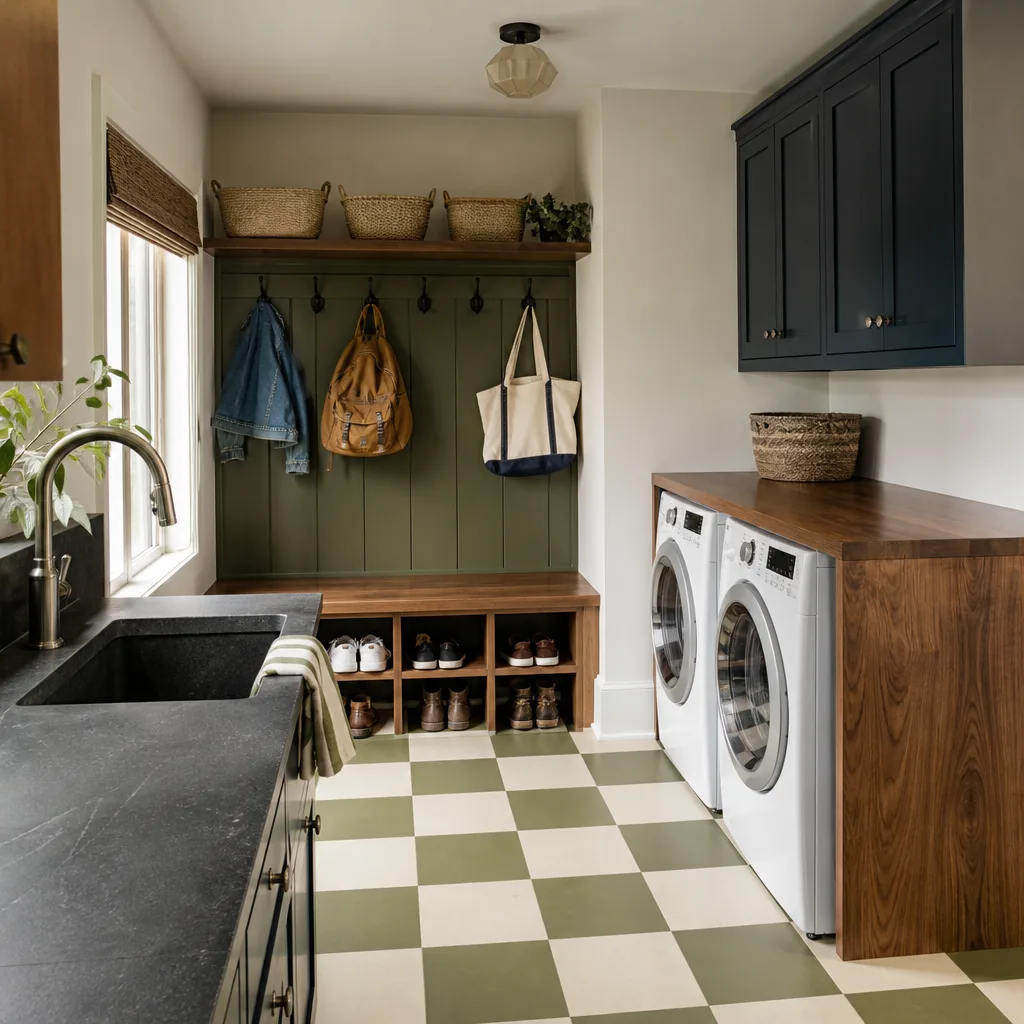
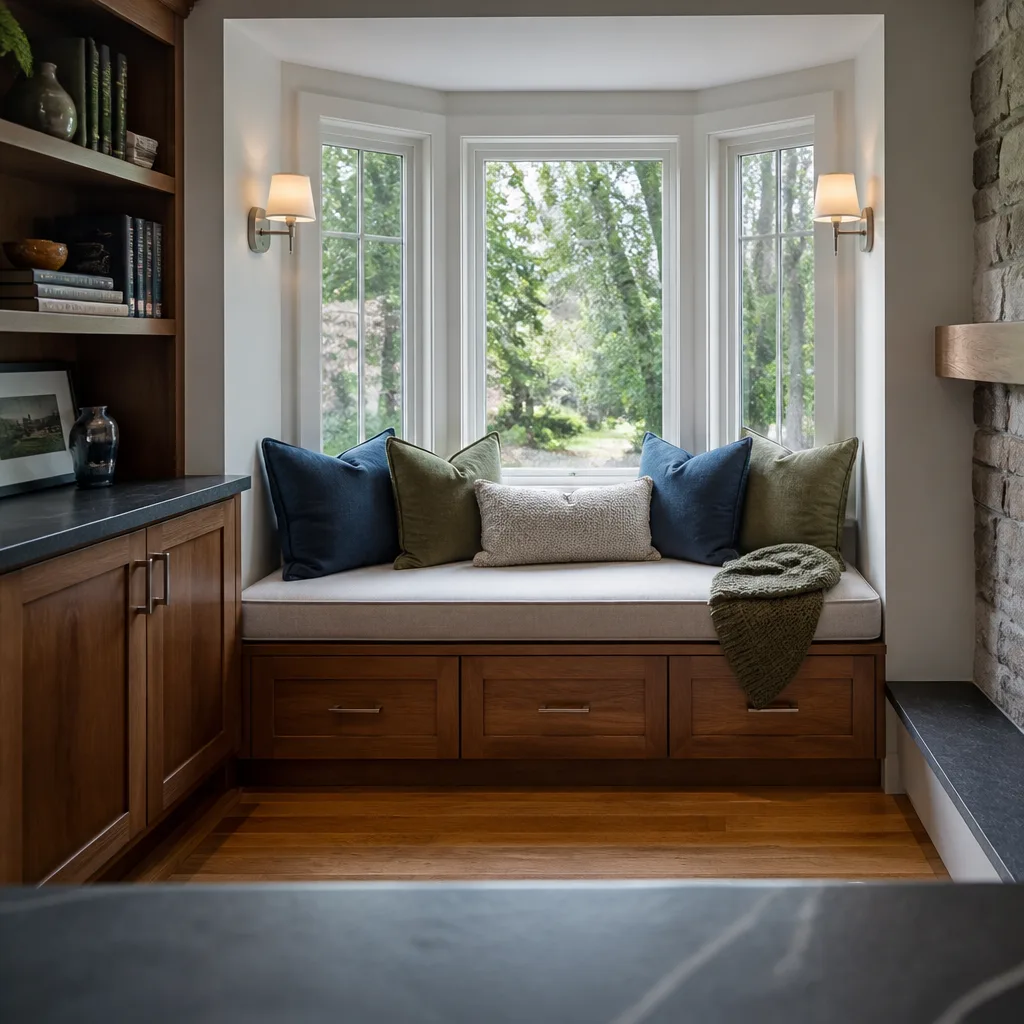


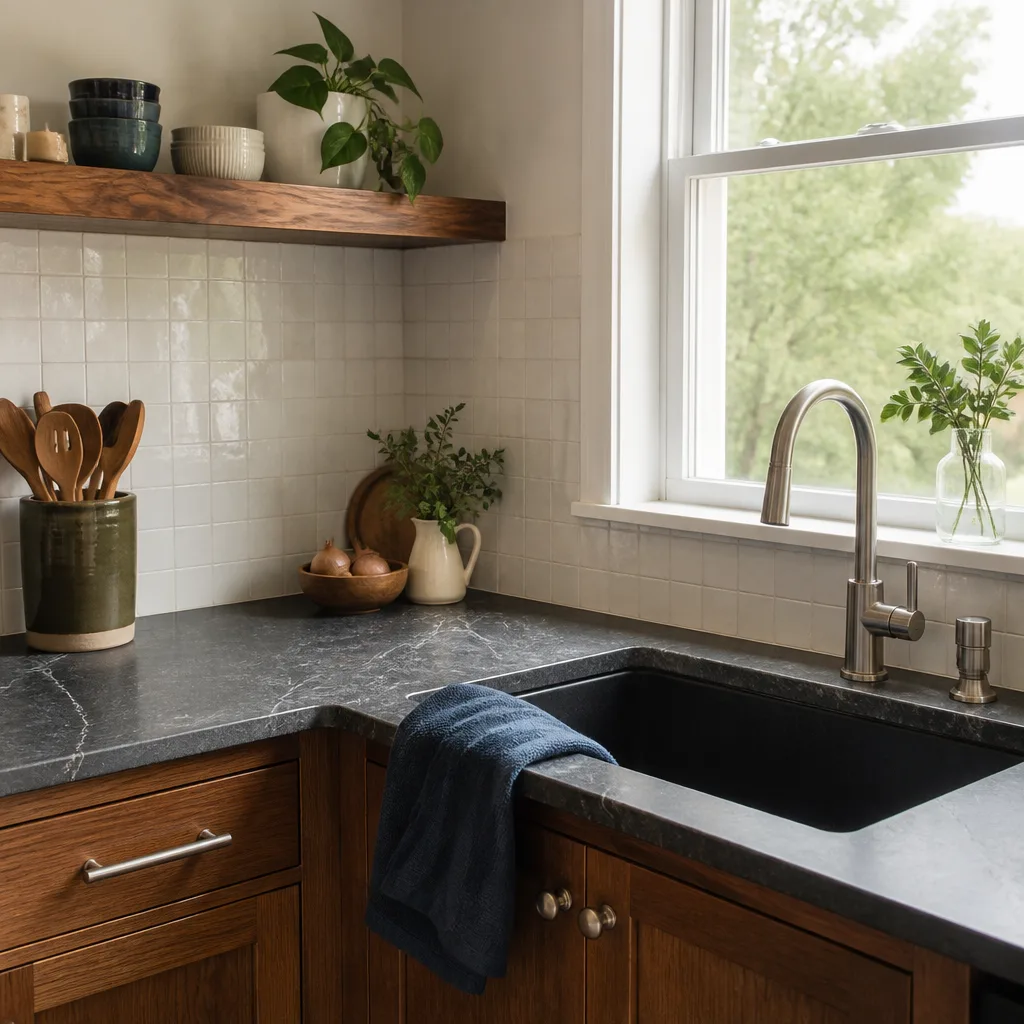


Free written scope consultation - allowances, timeline, and change-order rules on paper before a single trade is scheduled
Construction Emergency Preparedness Guide for Cutler Bay Homes
After Hurricane Irma, the average South Florida homeowner waited four to six months for a licensed contractor to show up and start real repairs. Homeowners who already had a licensed general contractor on file, and who could hand an adjuster a documented structural baseline of their home, cut that wait to under six weeks. That gap isn’t luck. It’s paperwork you assemble on a calm Tuesday, not during a windstorm. This guide walks through the exact documents, structural records, and contractor relationships that decide how fast your Cutler Bay home gets rebuilt and whether your claim covers the full scope. You’ll learn what to photograph, what to keep in a go-bag, and which post-storm contracts to read twice.
Quick Answer
Construction emergency preparedness in Cutler Bay means keeping three things ready before a storm: a structural baseline document (photos, material specs, and NOA numbers for every rated component), a written emergency services contract with a licensed general contractor who will tarp and dry-in your home, and a clear understanding of Florida’s claim timeline. Homes that have these three in place get repaired faster and settle insurance claims closer to their true scope.
Styles & brands we work with
- Kitchen remodeling
- Bathroom remodeling
- Home additions & ADU
- Roofing
- Windows & doors
- Driveway & pavers
- Fence
Table of Contents
- What Is a Structural Baseline Document and Why Does It Matter?
- Which Pre-Storm Construction Tasks Are Insurance-Eligible in Cutler Bay?
- What Do Emergency Tarping and Dry-In Actually Mean as Billable Scopes?
- How Do You Spot a Storm-Chaser Under Florida Statute 817.234?
- How Does the Notice of Intent and Appraisal Process Work?
- Why Does Cutler Bay’s High-Velocity Hurricane Zone Code Affect Your Repair?
- How Do You Build a Contractor Relationship Before You Need One?
What Is a Structural Baseline Document and Why Does It Matter?
A structural baseline document is a photo and spec record of your home in its undamaged state. It’s what lets an adjuster tell the difference between a shingle that blew off last week and one that was already curling in March. Without it, you’re arguing from memory. With it, you’re handing over evidence.
In our experience, the homeowners who get claims paid closest to their actual repair cost are the ones who built this document long before the first named storm formed in the Atlantic. Here’s the format an adjuster actually wants:
- Exterior elevations – four photos, one per side, taken from the property line so the full roofline is visible.
- Roof photos – close-ups of every plane, ridge, valley, and penetration. Note the shingle brand and the underlayment type.
- NOA numbers – the Florida Product Approval number that appears on the label of every impact-rated window, door, and shutter. Photograph the labels directly.
- Material specs – the make, model, and color of your roof, siding, windows, and exterior doors. If you have James Hardie siding or Therma-Tru doors, record the exact product line.
- Interior photos – kitchens, baths, and any wall where you plan to make a future claim. Include close-ups of cabinet fronts, countertops, and fixtures.
- Receipts and permits – copies of the original permits pulled for your home and any major renovation. This is where a paper trail of past work helps.
Store one copy in the cloud and one on a physical drive in your hurricane go-bag. Cutler Bay sits in a high-wind corridor that funnels gusts off Biscayne Bay, and homes east of Old Cutler Road see some of the highest wind exposure in the neighborhood. A baseline document isn’t paranoia. It’s the difference between a fast settlement and a dispute.
Which Pre-Storm Construction Tasks Are Insurance-Eligible in Cutler Bay?
Here’s a distinction most homeowners miss: pre-storm work and post-storm emergency work are handled very differently by insurers. Pre-storm construction that improves your home’s wind resistance is usually a maintenance cost, not a claim. Post-storm emergency repairs to prevent further damage are typically covered under the “reasonable repairs” clause of your policy, up to your deductible and coverage limits.
That line matters. Work done before the storm – roof tie-downs, upgraded shutters, impact windows – usually isn’t reimbursable once the storm passes, unless your specific policy has a wind-mitigation credit. Work done after the storm to keep water out of your walls is billable to the claim, provided you document it correctly inside a tight window.
The 72-hour documentation window is the rule that catches homeowners flat-footed. Most Florida carriers expect photos of the damage, a written scope of mitigation work, and an itemized cost estimate within roughly 72 hours of the storm passing or the damage being discovered. Miss that window and your claim gets harder to pay. Here’s what to do:
- Photograph the damage before you touch anything.
- Call a licensed general contractor to assess and write a scope, not just a neighbor with a tarp.
- Keep every receipt for materials and emergency labor, down to the box of screws.
- File the damage photos with your insurer in writing, with a timestamp.
The construction side of Cutler Bay is full of homes built in the 1970s through the 1990s, many with original roof-to-wall connections that weren’t built to current standards. If you’re planning pre-storm upgrades, talk to a licensed contractor about which wind-mitigation upgrades your carrier may credit. That’s the kind of conversation to have months before the season, not days.
What Do Emergency Tarping and Dry-In Actually Mean as Billable Scopes?
Tarping and dry-in are two different scopes, and mixing them up costs homeowners money. Tarping is the temporary covering of a damaged roof or opening to stop water intrusion. Dry-in is the more complete step where a contractor installs underlayment, flashing, and weather barrier so the structure is closed to the weather even before finish materials go on. Both are billable emergency work. Both need to be scoped in writing.
In Cutler Bay, this matters more than in most of Miami-Dade. Salt air and driven rain off Biscayne Bay punish a roof that sits under a thin tarp for weeks. A properly dry-in home rides out the rebuild. A home with a stapled tarp and no documentation often ends up with hidden moisture damage that a claim won’t cover.
A compliant emergency services contract needs to spell out the following before anyone climbs a ladder:
- Scope of work – exactly what’s covered: tarp size, square footage, dry-in materials, and any temporary shoring.
- Itemized price – a written number per line, not a lump sum. “Tarp: $1,200” tells you nothing about how many square feet or what material.
- License number – the contractor’s Florida license, displayed prominently per Florida law.
- Insurance and workers’ comp – a certificate showing the contractor’s general liability and workers’ comp coverage.
- Guarantee language – what happens if the temporary work fails before the permanent repair is scheduled.
- Cancellation terms – Florida’s post-disaster rules give homeowners a short window to cancel most emergency contracts.
Bradford Remodeling writes the price before anyone climbs the ladder, and that written price doesn’t move at the door. Our technicians have up to 22 years of experience, and every job is backed by the 365-Day Done Right Promise – if the work fails inside the guarantee window, we come back and correct it at no charge.
How Do You Spot a Storm-Chaser Under Florida Statute 817.234?
Florida Statute 817.234 is the state’s insurance fraud statute, and it’s the exact law that targets post-disaster contractor schemes: fake damage, inflated invoices, and “assignment of benefits” contracts that hand your claim to a stranger. Knowing the specific solicitation tactics is the cheapest defense you have.
The patterns are consistent. In our experience, storm-chasers show up within 48 hours of a named storm, often before the roads are cleared. They knock on doors, offer a “free inspection,” and have a clipboard and a signed contract ready before they’ve even looked at your roof. Here’s what signals a legitimate contractor versus a storm-chaser:
- They ask you to sign an Assignment of Benefits. This hands your claim to them. Do not sign. A real contractor bills you, not your insurer.
- They quote a price before inspecting. A real scope of work requires a real inspection, not a verbal ballpark.
- They have no local address or license display. Florida law requires the license number on vehicles, advertisements, and job sites.
- They pressure you to sign “today only.” That’s the opposite of a disciplined contractor’s character.
- They offer to “waive your deductible.” That’s illegal under Florida statute. A contractor who promises it is a red flag.
Cutler Bay’s Main Street corridor and the neighborhoods around Saga Bay see heavy door-knocking after every storm. Have a policy now: no one signs anything at the door. You can take a contractor’s card, look up their license, and call them once the wind stops. And when you find a contractor you trust, write down their number.
How Does the Notice of Intent and Appraisal Process Work?
Most homeowners skip two steps in the claims process that delay their settlement. The Notice of Intent is a formal notice to your insurer that you intend to file suit over a disputed claim. You don’t have to file it to settle a claim, but knowing how and when to use it gives you leverage. The appraisal process is a contractual right written into most policies: if you and your insurer disagree on the amount of a loss, either side can demand appraisal, where a neutral umpire decides the amount. Filing the Notice of Intent triggers your rights under the appraisal clause.
The appraisal clause is the step most people miss. It’s a written right that exists in roughly nine out of ten Florida homeowner policies, and it’s usually the fastest way to break a stalemate with an insurer who’s offered too little. Here’s how the sequence usually runs:
- Document the damage in the 72-hour window after the storm.
- File a claim with photos, receipts, and a written scope from your contractor.
- Review the adjuster’s report when it arrives, and compare line by line to your contractor’s scope.
- Request the appraisal clause if the offer is short.
- Send a Notice of Intent if appraisal doesn’t resolve the dispute.
The appraisal process isn’t instant. It can take weeks. But it’s usually faster than a lawsuit, and it’s the step a homeowner who has documented their home can push for with confidence.
Why Does Cutler Bay’s High-Velocity Hurricane Zone Code Affect Your Repair?
Cutler Bay sits inside Florida’s High-Velocity Hurricane Zone (HVHZ), which is the strictest wind-code jurisdiction in the state. Every exterior product on an HVHZ home – windows, doors, roofing, shutters – needs a Florida Product Approval or Miami-Dade NOA number, and it needs to be installed to the letter of the code. That’s why a storm-chaser’s cheap shingle job can fail an inspection and leave your home uninsured on the next storm.
Permits matter here. A roofing replacement on an HVHZ home requires a permit pulled with the local building department, and an inspection at multiple stages. A contractor who offers to “skip the permit” is offering to expose you to a failed inspection and a denied claim. The Florida Product Approval number is the paper trail – it’s the number your adjuster will look for when they verify a repair was done to code.
HVHZ roofing and exterior work on Cutler Bay homes also has to account for the salt air and the intense UV exposure of South Florida. Materials rated for a Northern climate won’t hold up. When you’re choosing a replacement roof or exterior product, ask the contractor to show you the manufacturer spec sheet and the NOA number for the exact product before it goes on your house. Documented materials – James Hardie siding, GAF roofing, Therma-Tru doors – come with manufacturer specs and warranties. That documentation is what makes your guarantee stand up.
If you’re planning a repair or replacement after a storm, talk to a general contractor in Cutler Bay who works inside the HVHZ code as a matter of course.
How Do You Build a Contractor Relationship Before You Need One?
The single highest-return thing you can do for emergency preparedness is meet a licensed general contractor before the storm. That first phone call after a hurricane isn’t the moment to be vetting a stranger. If you already know who you’ll call, you move to the front of the line.
Here’s what a pre-storm relationship should look like in practice:
- Get a walk-through of your home now – roof condition, window ratings, exterior doors, and any code gaps.
- Get the contractor’s license and insurance certificate in writing, and put it in your records.
- Know their phone number by heart – or store it in every phone in the house.
- Ask what their emergency services contract looks like. The right contractor can show you the template and explain the pricing.
- Confirm what they’ll do in the first 72 hours after a storm, and what that work costs.
Bradford Remodeling is a member of the Garrison Partners family, and every project starts with The Garrison Standard – a written price before any work begins, and a documented scope that doesn’t change once the job starts. We’re a licensed and insured business. Our calls are answered by a live person, 24 hours a day, not a voicemail or a callback queue. When a storm makes landfall, that’s the call you want to make.
Get to know the team behind the Bradford Remodeling Co Cutler Bay home page, and read about how our kitchen remodeling in Cutler Bay and bathroom remodeling in Cutler Bay work is scoped. It’s the same disciplined process we bring to emergency repairs. If you’ve seen the difference a documented job site makes, you know why it matters when the wind stops.
Common Mistakes to Avoid
- Waiting until the storm is named to make your file. A structural baseline document takes an afternoon to build. Building it in June is easy. Building it in September with a cone of uncertainty on your phone is not.
- Signing an Assignment of Benefits at the door. That signature hands your claim to a stranger. In Cutler Bay, door-knockers move fast after a storm – decide now that no one signs at the door.
- Skipping the 72-hour documentation window. Photos and a written scope need to go to your insurer fast. Every day past that window makes your claim harder to settle.
- Letting a contractor work without a permit. On an HVHZ home, an unpermitted repair can fail inspection and cost you coverage on the next storm. The permit is the paper trail your claim depends on.
- Confusing a quote with a scope. A lump-sum number is a quote. A written line-item breakdown with materials, quantities, and a price per line is a scope. The claim runs on the scope.
- Assuming your insurance covers the full rebuild. Emergency work is often covered up to your deductible and policy limits. Code upgrades on an HVHZ home can push past the claim. Know where your policy caps before the storm.
- Not having a contractor’s number in your go-bag. Cell service can drop for days after a major storm. A written number in a waterproof pouch is not a small thing.
See the difference
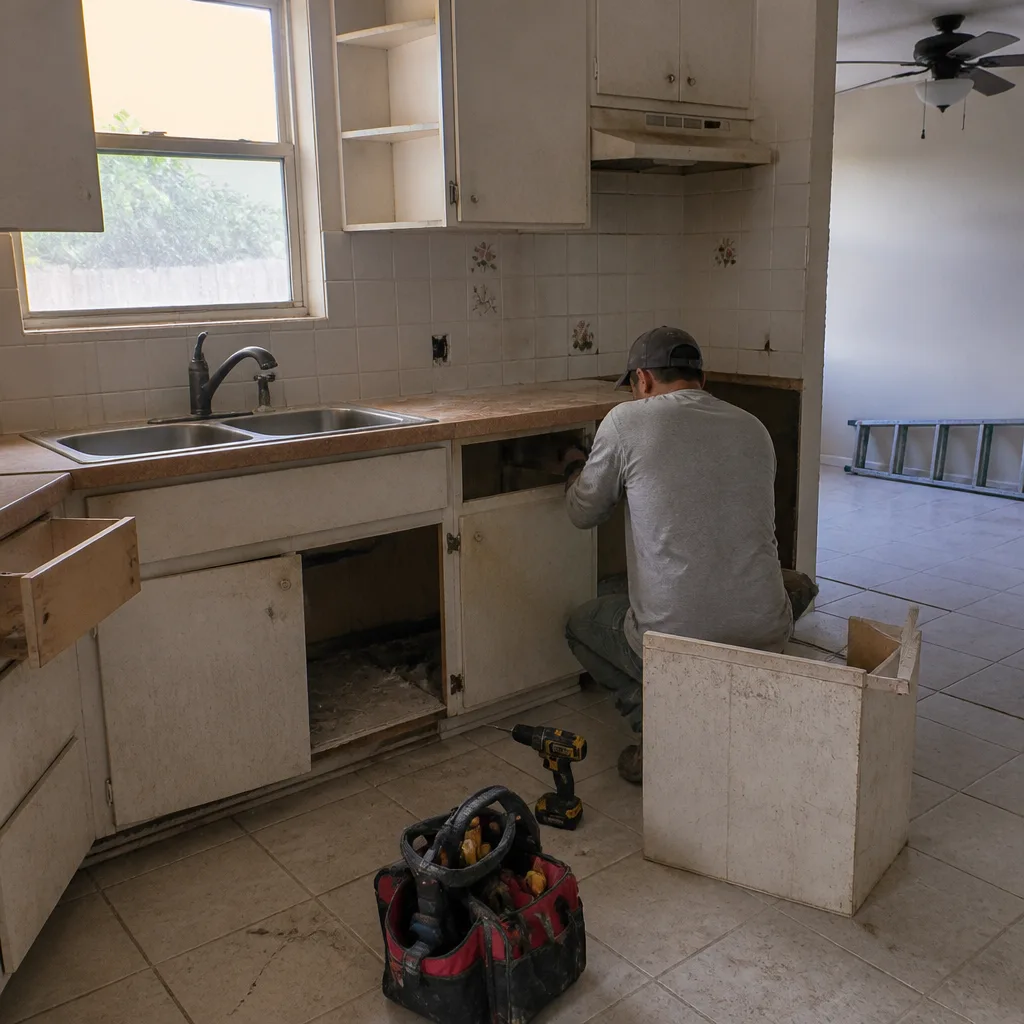 Before
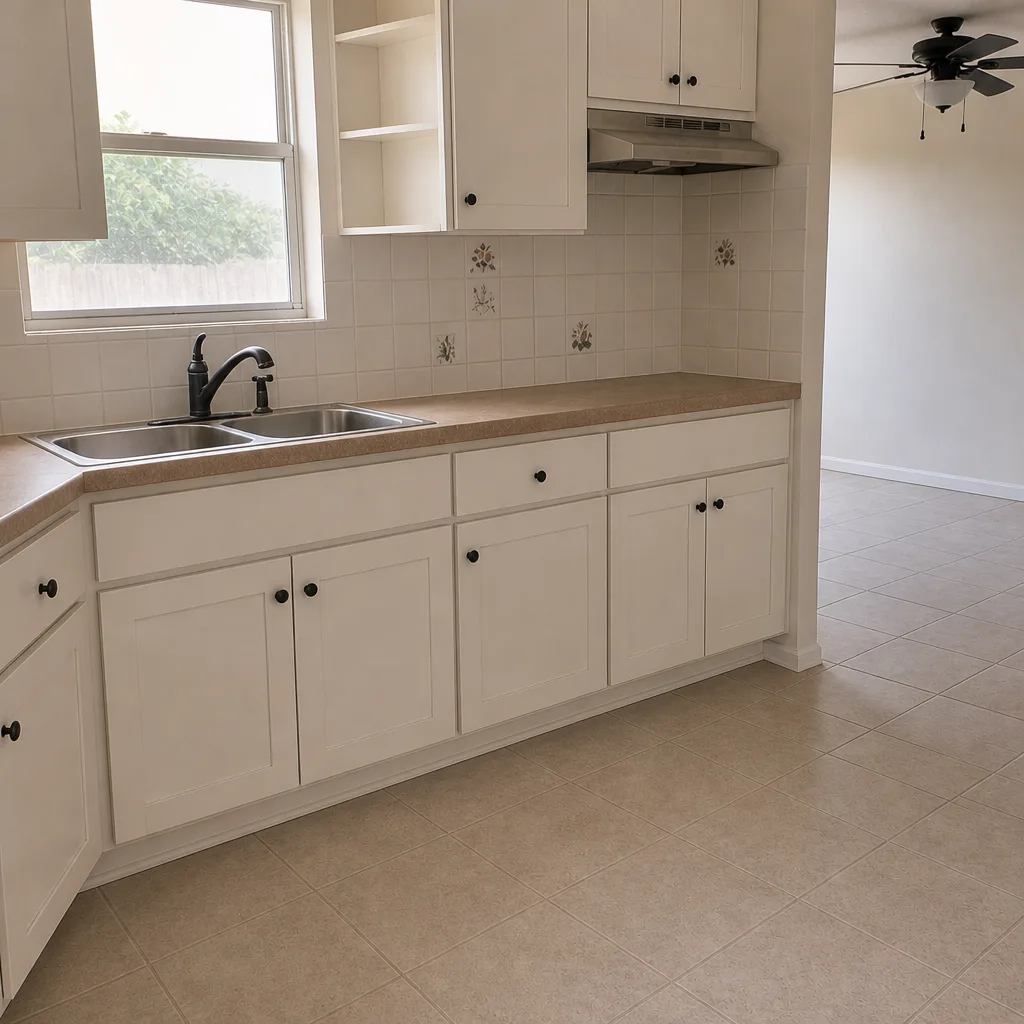 After
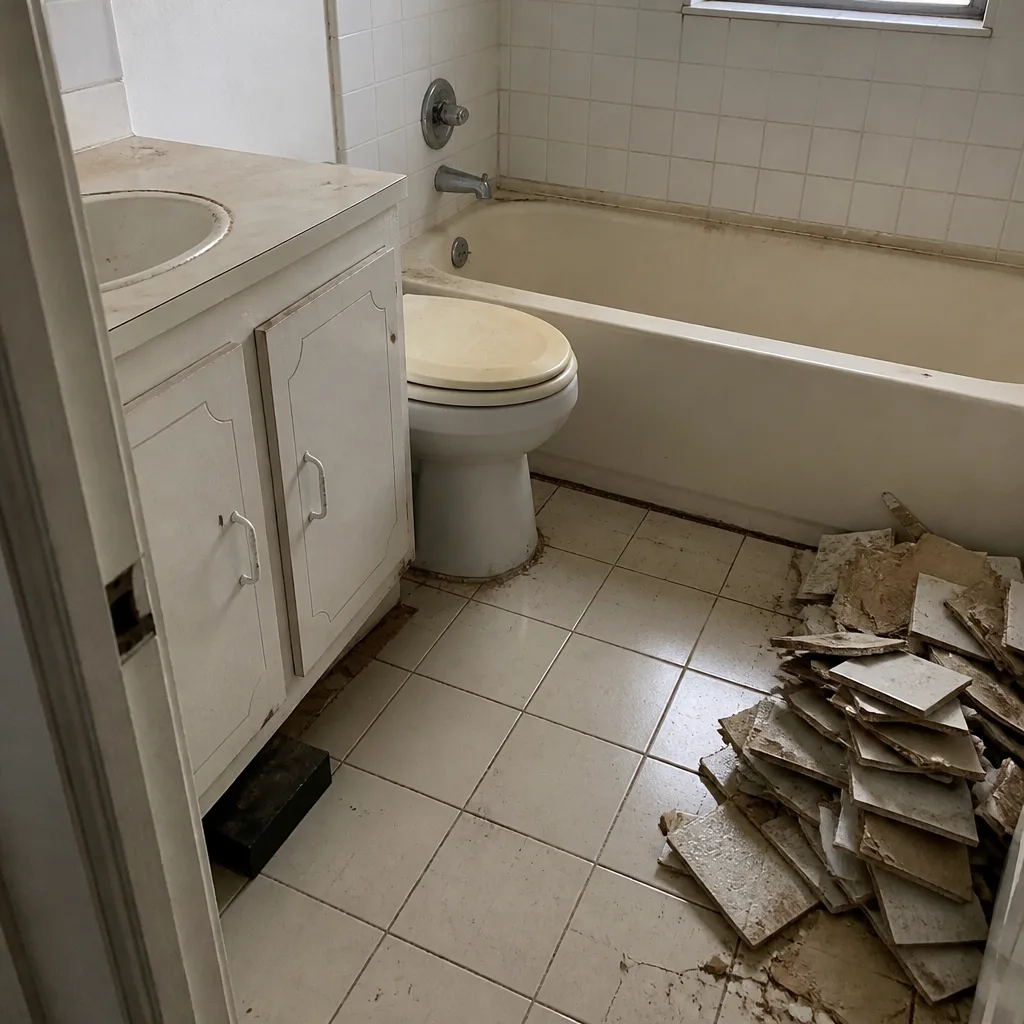 Before
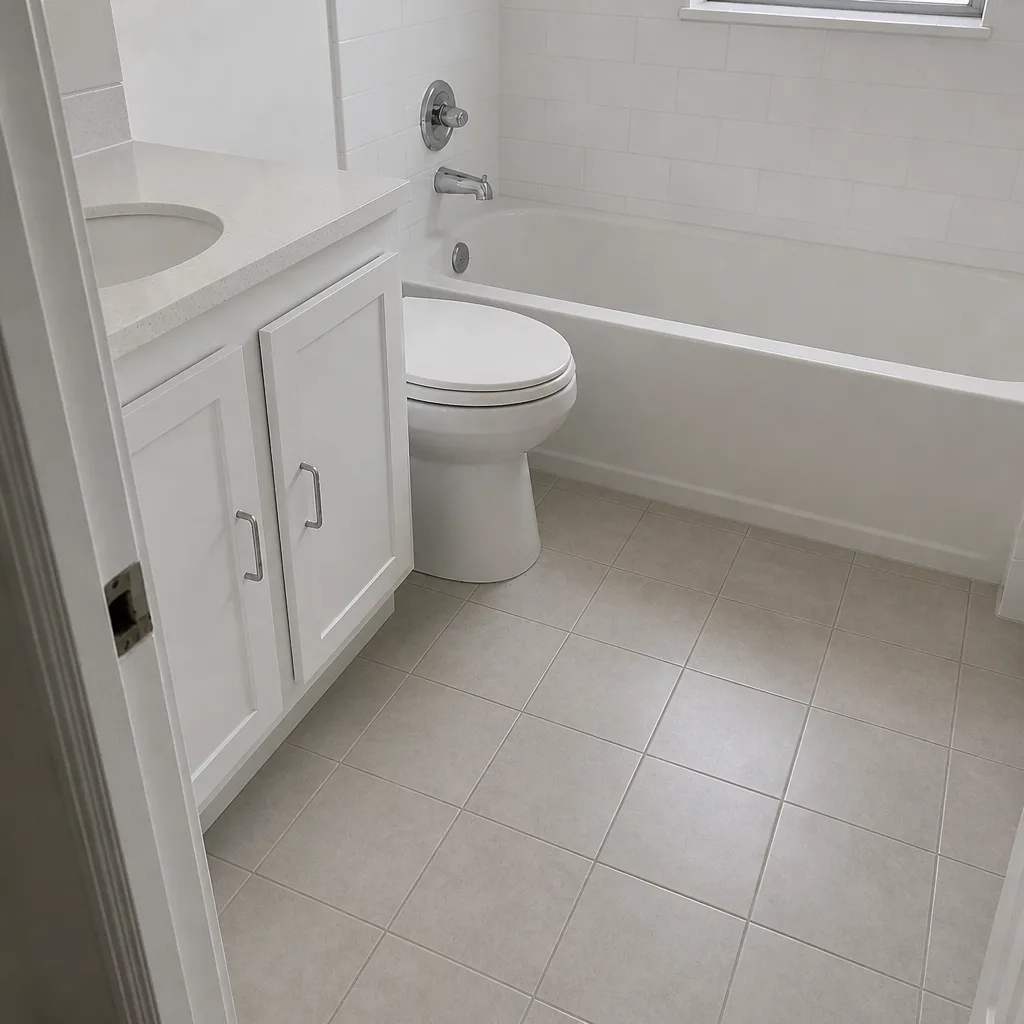 After
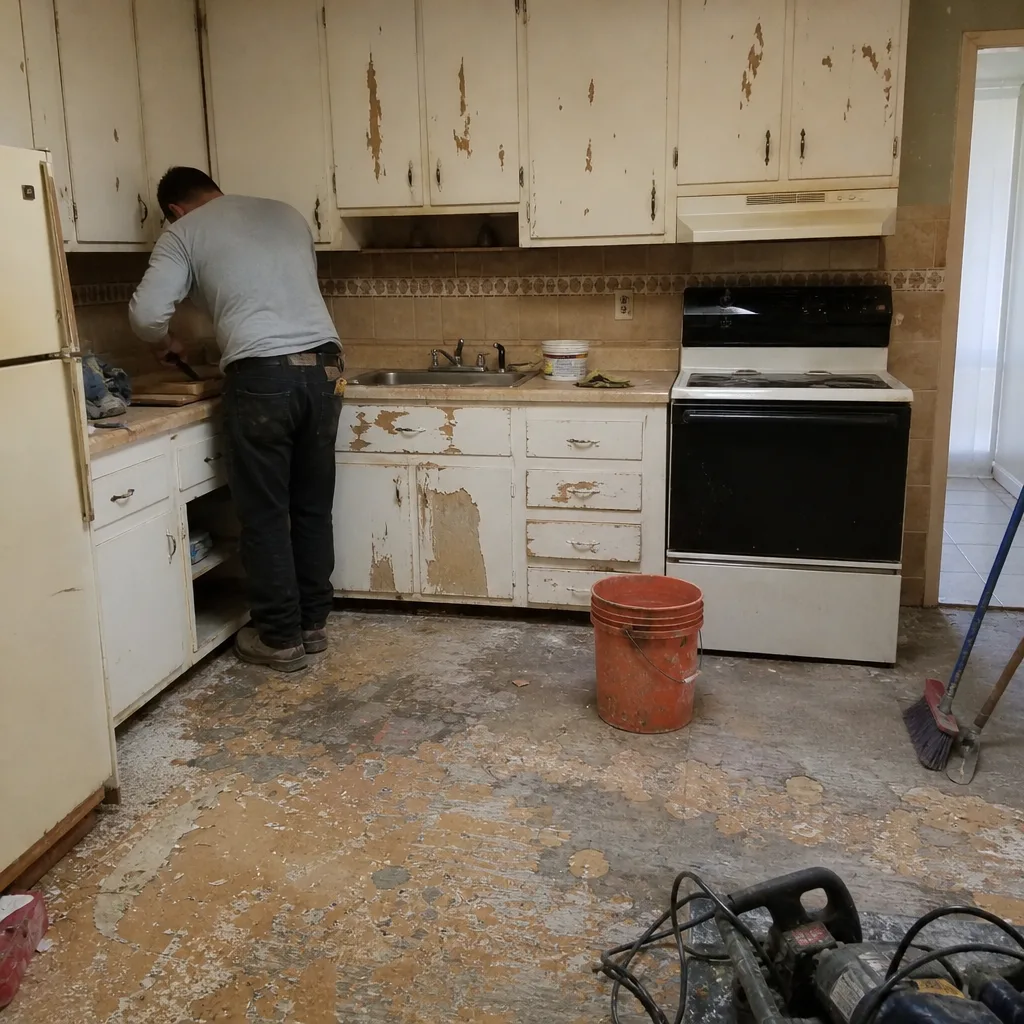 Before
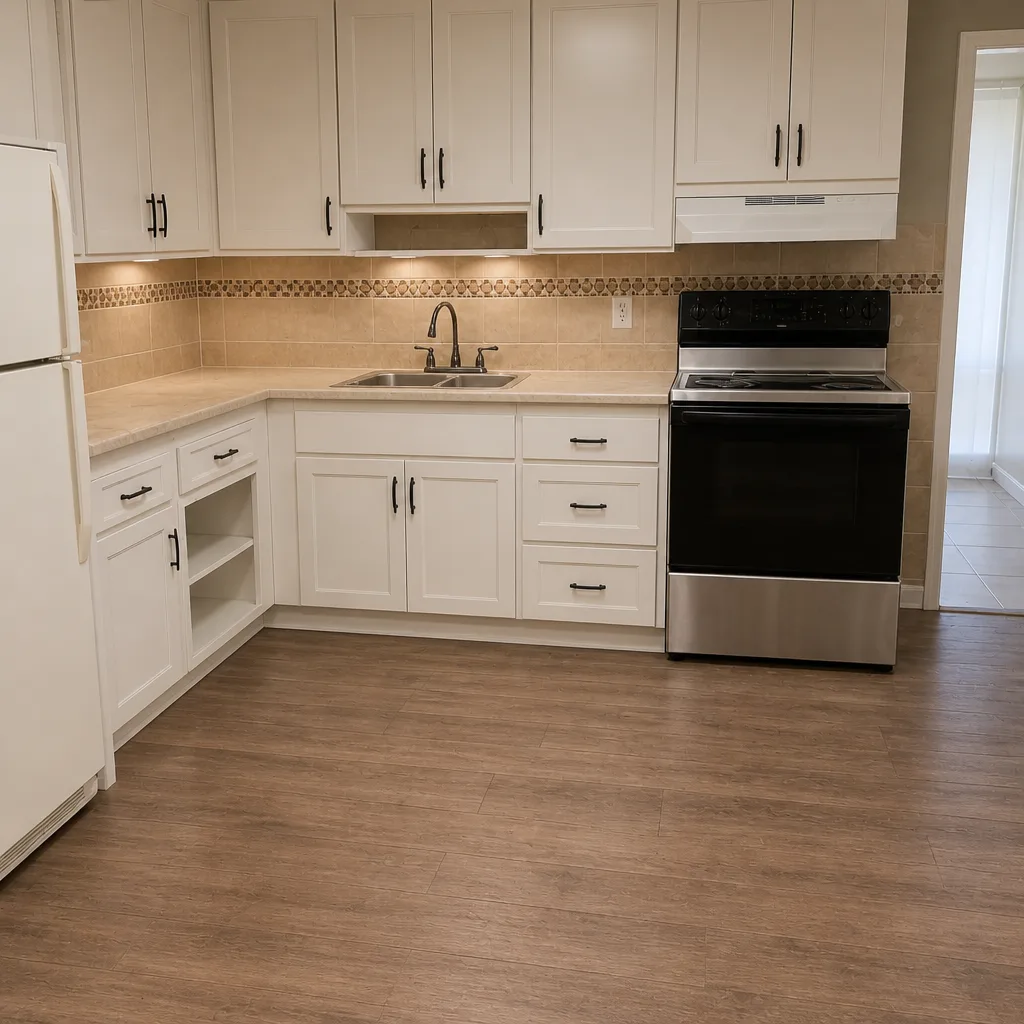 After
When to Call a Professional
Call a licensed professional when a named storm is forecast, when you see water intrusion in walls or ceilings, when an HVHZ-rated component (window, door, roof) has failed, or when a contractor at your door asks you to sign an Assignment of Benefits. Do not climb onto a damaged roof after a storm – a fall from an eight-foot ladder on saturated ground is a real hazard, and it’s a choice no homeowner should make. Let a trained, insured crew handle the assessment and the tarping. Bradford Remodeling Co Cutler Bay offers free estimates in Cutler Bay, and our technicians have up to 22 years of experience on HVHZ work. Call (833) 620-5491.
Frequently Asked Questions
Emergency tarping in Cutler Bay typically runs $400 to $1,200 for a standard single-family home, depending on roof pitch, square footage, and the material used. Dry-in is a larger scope and usually runs $1,500 to $4,000. Ask for a written line-item price before a crew goes up. Call (833) 620-5491 for an exact quote – estimates are free.
Yes. Any roofing replacement on a Cutler Bay home inside the High-Velocity Hurricane Zone requires a permit and inspection, and the contractor must use products with a Florida Product Approval or NOA number. A licensed contractor pulls the permit before work starts. A contractor who offers to skip the permit is offering to expose you to a failed inspection. Call (833) 620-5491 to schedule a free estimate.
The 72-hour window is the rough timeframe most Florida insurers expect for documented damage photos, a written scope of mitigation work, and itemized costs after a storm. Filing inside that window keeps your claim on track; missing it makes the claim harder to pay. Call (833) 620-5491 to get a written scope fast.
A legitimate contractor can show a Florida license number, an insurance certificate, and a written line-item scope before work starts. They won’t ask you to sign an Assignment of Benefits, they won’t quote a price before inspecting, and they won’t offer to waive your deductible – that’s illegal under Florida statute. Call (833) 620-5491 to talk to our team.
Not with us. We give a written price before any work starts, and the price doesn’t move at the door. That’s The Garrison Standard. Change orders happen only if you ask for a scope change. Call (833) 620-5491 for a free estimate with a written price in hand.
Yes. The 365-Day Done Right Promise is a written guarantee on every project, including emergency repairs. If the work fails inside the one-year window, we return and correct it at no charge. You get the guarantee in writing, in your hand, at job close. Call (833) 620-5491 for a free estimate.
The Bottom Line
Construction emergency preparedness for a Cutler Bay home is a system, not a kit. Build a structural baseline document now – photos, material specs, and NOA numbers for every HVHZ-rated component. Know the difference between insurance-eligible pre-storm upgrades and billable post-storm emergency work, and move inside the 72-hour documentation window. Keep a licensed general contractor’s number in your go-bag and their emergency contract template on file. And never sign an Assignment of Benefits at the door. When you’re ready to build that system, Bradford Remodeling Co Cutler Bay offers free estimates, a written price before any work begins, and the 365-Day Done Right Promise on every job. Call (833) 620-5491 – a live person answers, 24 hours a day.
Written by the team at Bradford Remodeling Co Cutler Bay.