Last updated November 18, 2026




Free written scope consultation - allowances, timeline, and change-order rules on paper before a single trade is scheduled
Construction Permits, Codes & Inspections in FL: What You Need to Know
Here’s the part that surprises almost every homeowner we talk to in Cutler Bay: a single room addition can require three separate approvals that don’t move in parallel. Cutler Bay is a town incorporated inside Miami-Dade County, so a project may need a town permit, a county building permit, and a Florida DEP or water management notice – each with its own review clock, its own fees, and its own inspection sequence. Nobody tells you at the counter that approval number one doesn’t trigger number two. This guide maps who controls what, in what order, and what happens when a permit expires, a product approval fails, or an inspector orders a correction. If you’ve ever wondered why a Florida remodel feels like it’s stuck in neutral, the answer is usually buried in the permit stack.
Quick Answer
In Florida, construction work requires permits issued under the Florida Building Code, administered locally – in Cutler Bay that means the Town of Cutler Bay for zoning and the Miami-Dade County Building Department for structural, electrical, plumbing, and mechanical permits. Because Cutler Bay sits in the High-Velocity Hurricane Zone (HVHZ), products like windows, doors, and roofing must carry a Miami-Dade Notice of Acceptance (NOA), and projects over $300,000 or three stories require an independent threshold inspector. Work without a permit exposes the homeowner to insurance denial and title problems under Florida Statute 553.84.
Styles & brands we work with
- Kitchen remodeling
- Bathroom remodeling
- Home additions & ADU
- Roofing
- Windows & doors
- Driveway & pavers
- Fence
Table of Contents
- The Three-Tier Approval Structure in Cutler Bay
- When the Town, County, and Florida Building Code Conflict
- HVHZ and the Notice of Acceptance: Why Standard Product Approval Isn’t Enough
- What Triggers a Threshold Inspection in Florida
- Inspections, Re-Inspections, and Correction Timelines
- What Happens When a Permit Expires Before Final Inspection
- Unpermitted Work, Insurance Claims, and Property Sales
- Who Pulls the Permits and Who Pays for Them
The Three-Tier Approval Structure in Cutler Bay
Cutler Bay homeowners live inside one of the most layered permit jurisdictions in Florida. Three different authorities can touch the same project, and they don’t share a calendar.
Tier one: the Town of Cutler Bay. The town handles zoning, setbacks, lot coverage, tree removal, and site plan review. If your addition pushes past your rear setback or your new pool cage changes impervious surface calculations, the town reviews it before anything structural moves.
Tier two: Miami-Dade County Building Department. The county issues the actual building permit under the Florida Building Code. Structural, electrical, plumbing, and mechanical reviews happen here, and county inspectors perform the inspections that close the permit.
Tier three: the Florida Building Code and state agencies. The FBC is the state-level code that both the town and the county enforce. On certain projects you’ll also encounter the South Florida Water Management District for drainage and environmental review, and the Florida Department of Environmental Protection for work near wetlands or coastal areas – both relevant in a town bordered by mangroves and Biscayne Bay.
In practice, here’s the order we see on a typical Cutler Bay addition:
- Town zoning review and site plan sign-off.
- County building permit application with plans sealed by a Florida-licensed architect or engineer.
- Product approvals collected – NOAs for HVHZ components.
- Permit issued; inspections scheduled in sequence (footer, slab, framing, rough-in, insulation, final).
- Final inspection passed; certificate of occupancy or completion issued.
Skip or reorder any of those and the permit stalls. In our experience, most delays on Cutler Bay projects come from step three, not step two.
When the Town, County, and Florida Building Code Conflict
The Florida Building Code controls. That’s the short answer, and it’s settled law: local amendments can be stricter than the state code but never looser. When a town rule and the FBC disagree on a safety or structural matter, the FBC wins.
But here’s the nuance that trips people up. The FBC sets the minimum standard for construction. The Town of Cutler Bay sets zoning and land-use rules that sit outside the building code entirely. Those two don’t conflict – they govern different things. A fence height limit is a town zoning rule. A wind-load requirement on the same fence is a code rule. You can comply with one and fail the other, which is why projects get red-tagged at final inspection for reasons the homeowner never saw coming.
Miami-Dade adds a third layer. The county can adopt local amendments to the FBC, and it does – most notably around the HVHZ. So the hierarchy on a Cutler Bay project usually reads:
- Florida Building Code – the floor, never undercut.
- Miami-Dade County amendments – stricter where the county has adopted them.
- Town of Cutler Bay zoning and land use – separate authority, runs alongside.
When we pull permits for a general contractor project in Cutler Bay, we read all three before submitting plans. Getting this right at submittal saves weeks of correction cycles later.
HVHZ and the Notice of Acceptance: Why Standard Product Approval Isn’t Enough
Miami-Dade and Broward counties sit inside the High-Velocity Hurricane Zone, and Cutler Bay is squarely in it. The HVHZ has the strictest wind-load and product-testing requirements in the country. A product that carries a standard Florida Product Approval – good enough in Orlando or Tampa – is not automatically good enough here.
In the HVHZ, exterior products must carry a Miami-Dade Notice of Acceptance (NOA). The NOA is issued by the Miami-Dade Product Control Division after the product passes HVHZ-specific testing for impact, cyclic wind pressure, and water infiltration. No NOA, no permit. That includes:
- Impact windows and doors
- Roofing systems and underlayments (GAF and CertainTeed both publish HVHZ-rated assemblies)
- Exterior doors, including the entry doors on many Cutler Bay homes
- Shutters and storm panels
- Skylights and roof-mounted equipment
Here’s what homeowners don’t hear at the counter: the NOA covers the entire assembly, not just the product. A qualifying impact window installed with unapproved fasteners or flashing fails inspection. The NOA lists the specific installation method, the fastener schedule, and the substrate. Deviate and the inspector will reject it. We’ve seen this on roof replacements in the Old Cutler Bay area after a storm – the shingles passed, the fastening pattern didn’t.
Ask for the NOA number before you sign anything. If your contractor can’t produce it, the product isn’t approved for Cutler Bay.
What Triggers a Threshold Inspection in Florida
Florida law requires a threshold inspection on projects over $300,000 in construction value or three stories in height. The threshold inspector is a licensed special inspector who is independent of the general contractor – meaning the GC cannot inspect their own work. The inspector reports directly to the building official.
The threshold inspection plan is filed with the permit application and covers specific structural milestones: foundation, columns, structural framing, and any element the engineer of record flags as threshold-critical. Miss a threshold inspection and the permit cannot close – no certificate of occupancy, no final.
For most Cutler Bay single-family remodels, the threshold trigger never comes into play. But it does for:
- Multi-story additions that push past three stories
- Large commercial buildouts
- Any project where construction value crosses the $300,000 line
If your project is close to that threshold, budget for the independent inspector up front. It’s a real line item, and it’s not negotiable once triggered.
Inspections, Re-Inspections, and Correction Timelines
Every permit has an inspection sequence, and each inspection has to pass before the next can be scheduled. On a Cutler Bay kitchen or bath remodel, the sequence usually runs footer, slab, framing, rough-in (electrical, plumbing, mechanical), insulation, drywall, and final. Inspections are requested through Miami-Dade’s online system and typically scheduled within a few business days.
When an inspection fails, the inspector issues a correction notice with a deadline. County practice gives a defined window – usually 30 days – to correct and call for re-inspection. Miss the window and the permit moves toward expiration. Here’s the practical part:
- Read the correction notice carefully – it names the specific code section.
- Correct the work, not the paperwork. Re-inspections catch shortcuts.
- Re-inspection carries its own fee on most Miami-Dade permits.
- Document the correction with photos. If a dispute arises, photos close it.
- Call for re-inspection promptly; don’t wait for the deadline.
The right of re-inspection is a real thing. A building official can return to a completed job if there’s reason to believe a violation exists. That means the final inspection isn’t always the last word. In our experience on kitchen remodeling in Cutler Bay, the corrections we see most are undersized electrical circuits for new appliance loads and missing GFCI protection – both easy to avoid at rough-in, both expensive to fix after drywall.
What Happens When a Permit Expires Before Final Inspection
A Florida building permit expires if work isn’t started within a set window or if no inspection has been requested for a defined period – typically six months of inactivity. When a permit expires, the work already performed is technically unpermitted until the permit is reactivated or a new one is pulled.
Reactivation is possible but it’s a process, not a phone call. It usually requires:
- Re-submittal of plans if code has changed since original approval
- Payment of reactivation fees plus any accrued fees
- Inspection of work already completed, sometimes with the wall or substrate opened up for review
- A statement from the contractor of record, if the original GC is still available
The worst version of this is a homeowner who bought a house mid-remodel and inherited an expired permit. The county will not issue a certificate of occupancy on expired work, and lenders won’t close a sale on a property with an open or expired permit on record. If you’re near the end of a project and the final inspection hasn’t happened, keep the permit active – don’t let the clock run out.
Unpermitted Work, Insurance Claims, and Property Sales
This is the section we wish every Cutler Bay homeowner read before hiring anyone. Unpermitted work is a quiet liability that surfaces at the worst possible moment – during a claim or at the closing table.
Florida Statute 553.84 gives any party injured by a code violation a right of action against the person or entity responsible. Translated: if unpermitted, non-compliant work causes damage, the homeowner can be sued, and can also be denied coverage. Most homeowner insurance policies exclude damage arising from work that required a permit and didn’t have one. A roof leak into a home office that traces back to unpermitted framing is often a denied claim, not a paid one.
On a sale, a title search surfaces open permits, and the buyer’s lender requires them closed. Unpermitted additions often must be permitted retroactively, opened for inspection, or torn out – at the seller’s cost. In Cutler Bay, that’s a real conversation we have with sellers every year near the lakes and older sections where additions were added decades ago without paperwork.
Pull the permit. Confirm it’s on record and closed. Every time.
Who Pulls the Permits and Who Pays for Them
The contractor of record pulls the permit in nearly every Florida residential project. The permit is issued in the contractor’s name and carries their license number, which is why the homeowner cannot legally pull a permit on work they aren’t licensed to perform. The cost lands in the project budget, and here’s the range we see on typical Cutler Bay work:
- Bathroom remodel permit: $350-$650
- Kitchen remodel permit: $450-$850
- Room addition permit: $1,200-$3,500 depending on square footage
- Roof replacement permit: $400-$900
- Whole-home remodel, multi-trade: $2,000-$5,000+
These are permit fees only – the town’s portion, the county’s portion, and any plan review. On bathroom remodeling in Cutler Bay, permit fees are a small slice of the total, but skipping the permit to save $500 is the most expensive shortcut there is. Written line-item quotes should separate permit fees from labor and materials so you can see exactly what you’re paying for.
Common Mistakes to Avoid
- Assuming a Florida Product Approval works in the HVHZ. It doesn’t. Cutler Bay requires the Miami-Dade NOA on exterior products, and a standard state approval won’t pass the county’s review.
- Starting work before the permit is issued. Any work performed before the permit card is on site is unpermitted work, even if the permit is later issued. That gap can void insurance coverage.
- Letting the permit go quiet. Six months of no inspection activity and the permit moves toward expiration. Keep inspections scheduled even if the crew is paused.
- Hiring a contractor who can’t produce a license number. In Florida you can verify the license in minutes through the state database. Do it before a deposit changes hands.
- Skipping the threshold inspector on a large project. Over $300,000 or three stories, the independent inspector is required by law. A contractor who says otherwise is either misinformed or cutting corners.
- Buying a house with open permits. In Cutler Bay, older homes near the bay frequently carry unpermitted additions from prior decades. A title search will find them; the buyer or seller has to close them.
- Assuming the final inspection is always the last word. Miami-Dade retains the right of re-inspection. Build it right the first time; the record stays with the property.
See the difference
 Before
 After
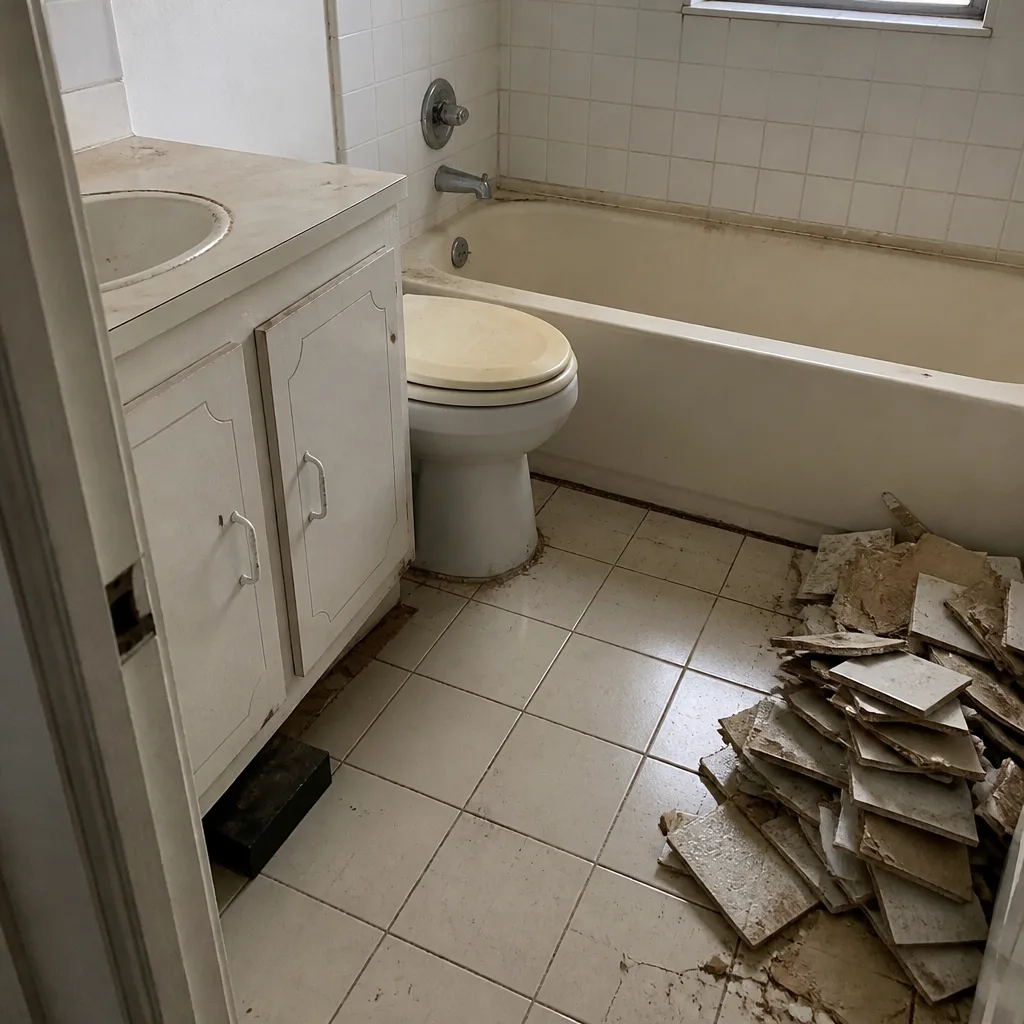 Before
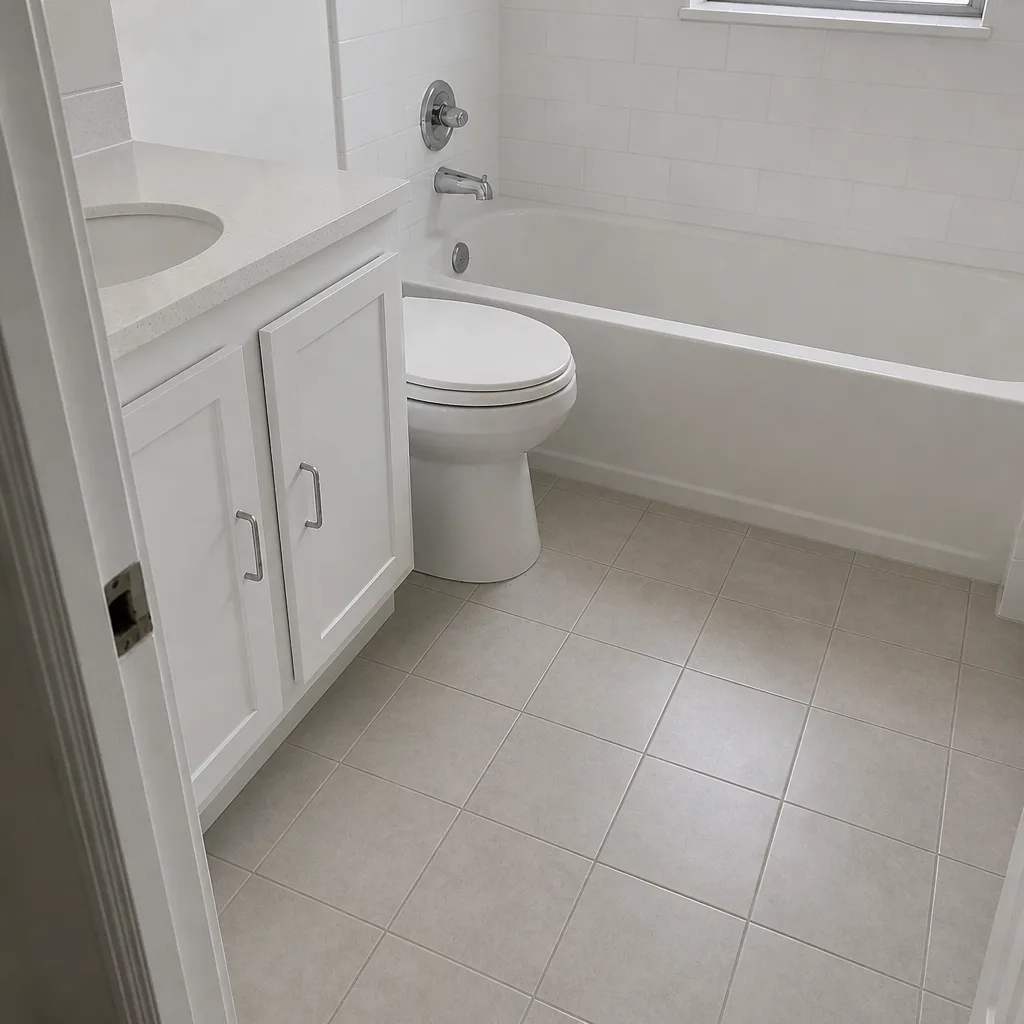 After
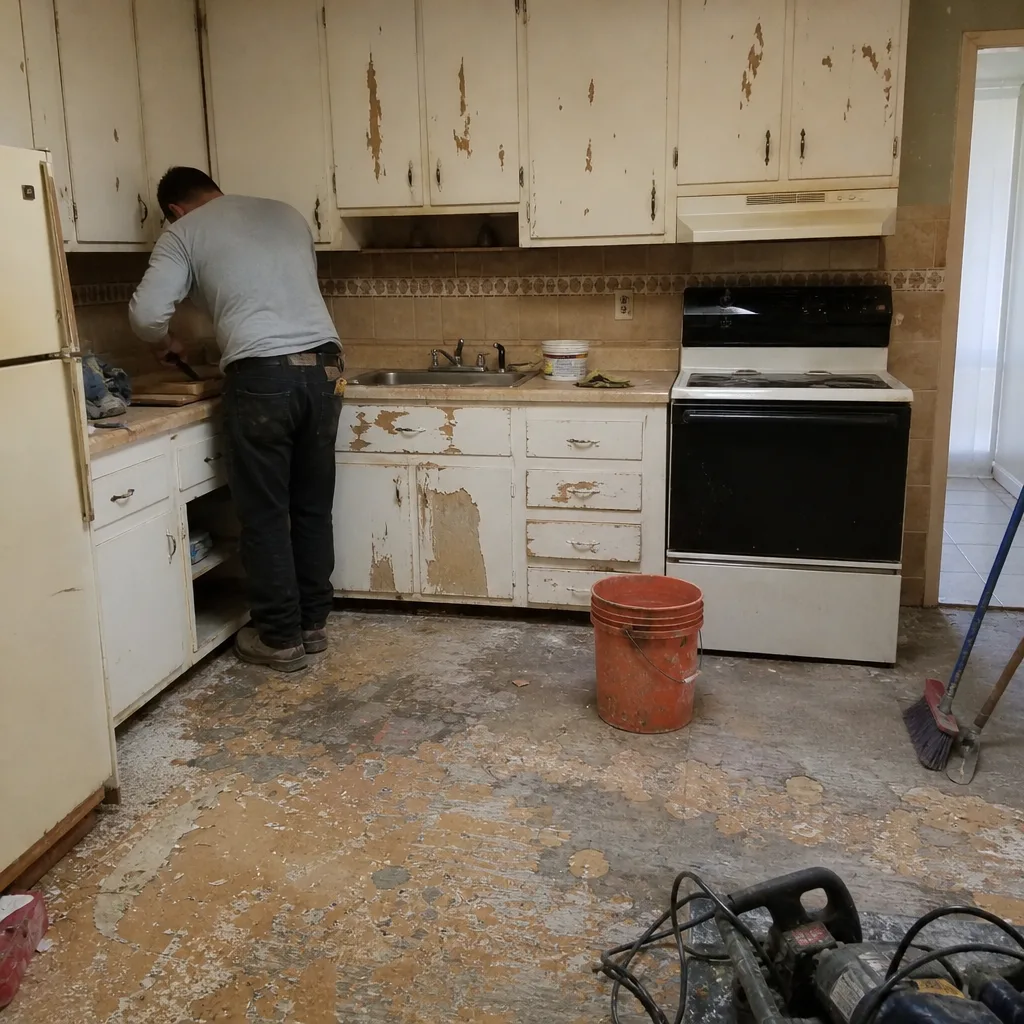 Before
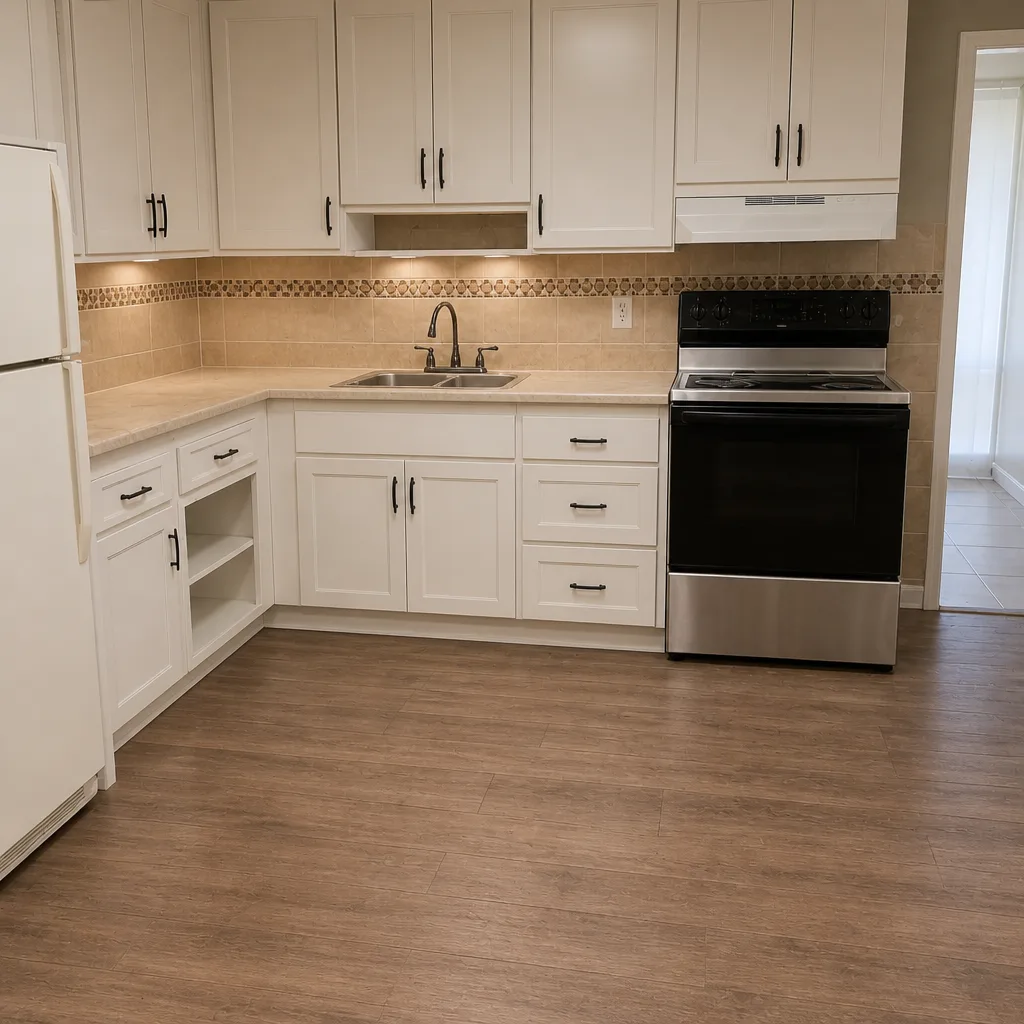 After
When to Call a Professional
Permits, plans, and inspections are where a remodeling project gets won or lost. If your job involves anything structural, anything electrical beyond a fixture swap, anything on the roof, or anything that changes the footprint of your home, you need a licensed contractor pulling the permits – full stop. The same is true if you’ve inherited an open or expired permit, if you’re preparing to sell a Cutler Bay home with work from prior decades on it, or if a re-inspection notice just landed and you don’t know what the inspector wants corrected. Bradford Remodeling Co Cutler Bay offers free estimates in Cutler Bay – call (833) 620-5491. We’ll review the scope, confirm what permits apply, and give you a written price before any work starts.
Frequently Asked Questions

Yes, in nearly every case. A bathroom remodel that moves plumbing, adds a circuit, changes a window, or relocates a wall requires a permit from Miami-Dade County Building Department, and the windows and exterior doors need an HVHZ Notice of Acceptance. Cosmetic work – paint, tile over tile, a fixture swap on the same supply line – typically does not. When in doubt, check with the county before work starts; a permit costs a few hundred dollars, and a denied insurance claim costs far more. Call (833) 620-5491 for a free estimate and a scope review.
Permit fees in Florida generally range from $350 to $900 for a single-trade residential remodel and from $1,200 to $5,000 or more for additions and whole-home projects, depending on valuation, square footage, and the number of trades involved. Miami-Dade adds its own review fees on top of the town’s portion. Written quotes should separate permit fees from labor and materials so the pricing is transparent from day one. Call (833) 620-5491 for an exact quote – estimates are free.
Because Cutler Bay sits inside the High-Velocity Hurricane Zone, which has stricter wind-load, impact, and water-infiltration testing requirements than the rest of Florida. The Miami-Dade Notice of Acceptance certifies that a product and its specific installation method passed HVHZ testing. Standard Florida Product Approval is not sufficient in the HVHZ, and a permit will be rejected without the NOA. A licensed contractor will confirm the NOA number before ordering any exterior product.
The permit stays with the property, not the contractor, which means the homeowner has to work with the county to reactivate or complete it. Miami-Dade requires a statement from the contractor of record where possible; if the contractor is unavailable, the county has a process for a new contractor to take over the permit after inspection of existing work. That’s why the written agreement matters – a contract that names the permit scope, the inspection sequence, and the completion obligation gives you leverage. Call (833) 620-5491 to talk through a takeover.
Not easily. A title search will surface open permits, and most buyers’ lenders will not close until they’re closed out or documented as expired and disclosed. The seller usually has to schedule the final inspection, complete any corrections, or file the reactivation. If the work is old and unpermitted, the path forward may be a retroactive permit with an inspection. Get an accurate record from Miami-Dade before listing.
Yes. Window replacement is a structural opening change and requires a permit under the Florida Building Code, and every impact window installed in Cutler Bay must carry a current Miami-Dade NOA with the correct installation method for the substrate. The NOA isn’t a sticker on the glass – it’s a document tied to the specific assembly, fastener pattern, and flashing. Call (833) 620-5491 to schedule a free estimate and get the product documentation up front.
The Bottom Line
Cutler Bay’s permit process is layered, but it’s not mysterious once you see the structure: town zoning, county building permit, and the Florida Building Code, with the HVHZ Notice of Acceptance running through every exterior product. Projects over $300,000 or three stories require an independent threshold inspector. Missed inspections and expired permits are fixable but expensive, and unpermitted work is a real liability under F.S. 553.84 that surfaces at claim time or closing. The discipline that prevents all of it is simple: confirm the permits, confirm the NOAs, put the scope and price in writing before work starts, and close the final inspection before the clock runs out.
If you’re planning a project in Cutler Bay and want a straight read on what permits apply before you commit, we’re happy to walk it through. Bradford Remodeling Co Cutler Bay is part of the Garrison Partners family, held to The Garrison Standard, and backed by the 365-Day Done Right Promise – if the work fails within a full year, we come back and correct it at no charge. Call (833) 620-5491 for a free estimate. A live person answers, every time, and you’ll have the price in writing before anything moves.
Written by the team at Bradford Remodeling Co Cutler Bay.