Last updated November 18, 2026






Free written scope consultation - allowances, timeline, and change-order rules on paper before a single trade is scheduled
How Long Does General Contractor Take? Timelines and What to Expect
Most homeowners expect the answer to “how long does a remodel take” to be about labor. It isn’t. In Miami-Dade, the calendar is usually set by the building department and the supply house long before a single crew member shows up. Miami-Dade’s residential permit review currently runs 15 to 25 business days for an initial submission on a typical remodel, and that clock doesn’t start until your contractor files a complete, correct application, which itself can take one to three weeks to assemble. This guide breaks down the real phase-by-phase timeline for a Cutler Bay remodel, the inspection hold points that stall a job, and where the date actually slips.
Quick Answer
A typical kitchen remodel in Miami-Dade takes 4 to 6 months from signed contract to final inspection, and a whole-home remodel runs 8 to 14 months. Roughly 25 to 40 percent of that time is pre-construction: permit preparation and review, plus material procurement. Construction itself is usually the shortest phase, and the gap between “substantially complete” and a passed final inspection is where most timeline disputes begin.
Styles & brands we work with
- Kitchen remodeling
- Bathroom remodeling
- Home additions & ADU
- Roofing
- Windows & doors
- Driveway & pavers
- Fence
Table of Contents
- The Three Phases That Actually Define Your Timeline
- How Permit Review in Miami-Dade Moves Your Start Date
- Inspection Hold Points and Why They Add 5 to 10 Days
- Substantial Completion: Legal Meaning vs. Job-Site Reality
- Hurricane Season and South Florida Material Lead Times
- Building a Realistic Time Contingency by Project Size
- Timeline Ranges by Project Type
The Three Phases That Actually Define Your Timeline
Every remodel in Cutler Bay runs through three phases, and they are not equal in length. Pre-construction is the planning, permitting, and ordering phase. Construction is the physical build. Closeout is inspections, punch list, and the final walkthrough. Most national timeline estimates collapse these into one number and then blame the crew when the date slips. The crew is rarely the problem. Pre-construction and closeout are.
Here is what each phase looks like in real Miami-Dade terms:
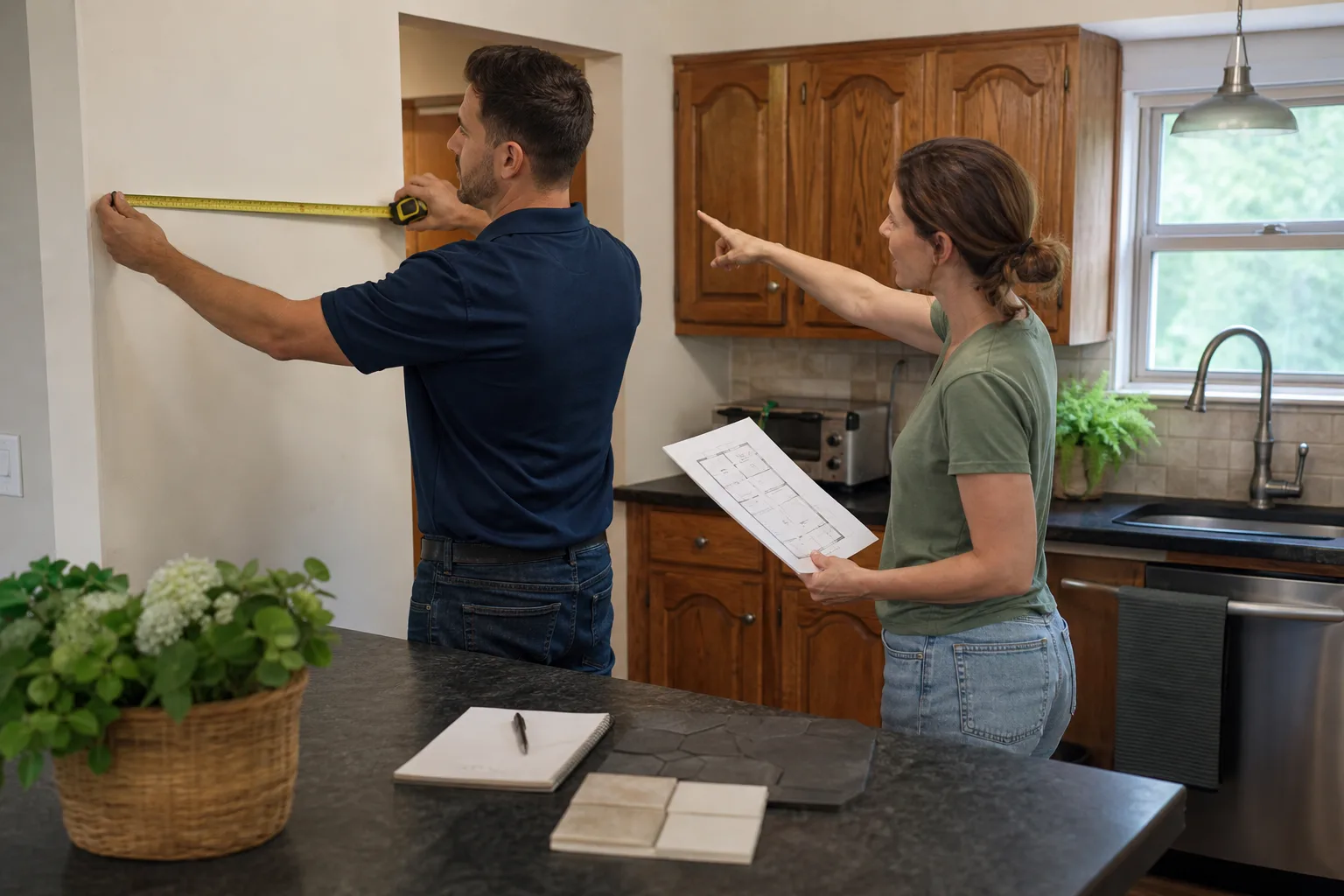
- Pre-construction (3 to 8 weeks). Site assessment, design finalization, permit drawings, application submission, plan review, permit issuance, and material orders. For a kitchen, this phase alone can run 6 weeks with a clean application. Add two to three weeks if the drawings need revision after first review.
- Construction (3 to 12 weeks for a kitchen; 12 to 30 weeks for whole-home). Demolition, rough-in, framing changes, drywall, finishes, cabinetry, countertops, fixtures, and flooring. The variable here is material arrival, not labor speed. A Cutler Bay kitchen waiting on a KraftMaid cabinet order sits idle regardless of how good the crew is.
- Closeout (1 to 4 weeks). Final inspections, punch list, corrections, and the walkthrough where you receive your written guarantee. This phase is often where the schedule first slips, because “we’re almost done” and “we’ve passed final inspection” are not the same thing.
When we quote a timeline to a Cutler Bay homeowner, we quote all three phases separately in writing, not one blended number. That breakdown is part of how a general contractor in Cutler Bay should be presenting scope, and it’s the only way to see where the risk actually sits.
How Permit Review in Miami-Dade Moves Your Start Date
The most common misconception is that permit review begins the day you sign the contract. It doesn’t. It begins the day a complete application lands at the building department, and getting to complete takes real work: sealed drawings, product specs, scope narratives, and a submission that anticipates the reviewer’s questions.
Miami-Dade’s residential review currently averages 15 to 25 business days for a first pass on a mid-size remodel. That range widens if the application is incomplete or the scope touches structural, electrical service, or impact-window changes. A resubmittal after corrections typically adds 10 to 20 more business days. Multiply that across two or three review cycles and you understand why two contractors can quote the same kitchen with a three-week gap in completion dates.
What actually speeds this up:
- Complete submittal the first time. The fastest path is the application that doesn’t get kicked back.
- Product specs included at submission. If your countertop or window schedule is undecided when you file, the reviewer can’t approve the scope and you’ve added a cycle.
- Pre-submittal meetings for anything unusual. A structural wall removal or an addition footprint change is worth a pre-application conversation.
We pull permits on every project and build the review cycle into the schedule rather than treating it as a surprise. For homeowners in Cutler Bay, we’ve seen the review window matter most on whole-home projects where the scope touches multiple trades and the plan set has to be coordinated across them.
Inspection Hold Points and Why They Add 5 to 10 Days
Construction can’t flow continuously in Miami-Dade: the code requires inspection at specific milestones, and the next trade can’t proceed until that inspection passes. A failed inspection or a missed scheduling window can push the whole sequence back.
The required hold points in a typical Cutler Bay remodel are:
- Rough-in inspection. Electrical, plumbing, and mechanical rough-in before walls close. If your plan calls for moving a sink or adding a circuit, this is where it gets verified.
- Framing inspection. Structural work and any wall changes checked before drywall.
- Insulation inspection. Often combined with framing in smaller projects, but a separate stop on larger ones.
- Drywall or sheathing inspection. Required on some scopes before finish work begins.
- Final inspection. The last gate, and the one that determines when the project is legally complete.
Each inspection requires scheduling, a site visit, and a pass. If a correction is called, you schedule again, which adds days. In real terms, a mid-size kitchen remodel in Miami-Dade carries 5 to 10 business days of inspection overhead that never appears on a labor estimate. A whole-home project can double that.
This is why we build inspection windows into the written schedule at the start, not as padding but as line items. A bathroom remodel in Cutler Bay, for example, has fewer hold points than a whole-home project, and the schedule should reflect that difference rather than using one generic buffer. Our bathroom remodeling in Cutler Bay page breaks down what those specific hold points mean for a bath project.
Substantial Completion: Legal Meaning vs. Job-Site Reality
Substantial completion has a legal definition: the project is complete enough that the owner can use it for its intended purpose, even if minor items remain. On paper, that’s a milestone. On a job site, it’s the moment most schedule disputes actually begin.
Here’s the gap. A contractor may declare substantial completion when the kitchen is functional, appliances are in, and the only open items are a missing cabinet door and a paint touch-up. The homeowner, reasonably, looks at the same scene and sees an unfinished room. Both are describing the truth from different definitions, and when those definitions were never in writing before the job started, the disagreement becomes a timeline dispute. There’s no shared reference point.
The fix is simple and boring: define substantial completion in the contract, list the punch list at that milestone in writing, and set a deadline for closing it. The Garrison Standard, the framework Bradford Remodeling operates under, requires the scope and the closeout criteria to be in writing before the job starts, so “almost done” has an actual date attached to it. When we walk a Cutler Bay homeowner through closeout, the walkthrough is a written punch list and a signed guarantee, not a handshake.
Ask any contractor you’re considering to show you, in writing, their definition of substantial completion and how long they allow for punch list closeout. The answer tells you more about their schedule discipline than any estimate of “how many weeks” does.
Hurricane Season and South Florida Material Lead Times
South Florida material supply chains are seasonal, and the season starts June 1 and runs through November 30. That calendar affects your procurement risk in ways a national home-improvement timeline never accounts for.
A February start means ordering cabinetry, impact windows, and exterior products during the calm window. Distributors in Miami, Homestead, and the surrounding corridor hold stock, delivery dates are firm, and if a shipment is delayed, there’s slack in the schedule. A June start means ordering into the heart of storm season, when distributors prioritize storm-related material, delivery windows stretch, and a single weather event can close a supplier for days.
What this means for a Cutler Bay remodel:
- Impact-rated windows and doors. Therma-Tru and similar products are in high demand all year, but lead times stretch in season.
- Roofing and exterior products. GAF, Owens Corning, and IKO materials can tighten during active storm years; Owens Corning and GAF trims sometimes hit allocation.
- Cabinetry and countertops. KraftMaid and Cambria orders are typically stable but still add 4 to 8 weeks to the schedule regardless of month.
If you’re planning a summer start, expect a longer procurement window. If you can start in late winter or early spring, you’re buying yourself schedule slack without paying a dollar for it. Our kitchen remodeling in Cutler Bay guide has more on how cabinet and countertop lead times affect a kitchen schedule specifically.
Building a Realistic Time Contingency by Project Size
Every experienced contractor builds a cost contingency into a bid. Far fewer build a time contingency, and that’s the mistake that turns a nine-week kitchen into a five-month one. A 10 percent time contingency is as important as a 10 percent cost contingency, and often more.
Here’s what a realistic time buffer looks like by project size in Miami-Dade:
- Bathroom remodel (2 to 4 weeks of construction). 3 to 5 business days of buffer for inspection and punch list.
- Kitchen remodel (6 to 12 weeks of construction). 7 to 10 business days of buffer for cabinet and countertop delivery variance.
- Whole-home remodel (3 to 7 months of construction). 15 to 25 business days for inspection cycles, material delays, and weather.
- Addition or structural project. 20 to 30 business days, because review cycles and re-inspections are more likely.
The point of a buffer isn’t to pad the schedule; it’s to give you a realistic completion window. If your contractor quotes a kitchen in “six weeks, no problem,” ask how much of that is inspection overhead and how much is contingency. If the answer is “none,” the estimate is optimism, not a schedule.
Timeline Ranges by Project Type
These are the ranges we put in writing for Cutler Bay homeowners, broken out by phase. Your specific project will vary based on scope, review cycles, and material availability, but the shape of the timeline holds.
- Bathroom remodel: pre-construction 3 to 4 weeks; construction 2 to 4 weeks; closeout 1 to 2 weeks. Total 6 to 10 weeks.
- Kitchen remodel: pre-construction 4 to 6 weeks; construction 6 to 12 weeks; closeout 1 to 3 weeks. Total 4 to 6 months.
- Whole-home remodel: pre-construction 6 to 10 weeks; construction 3 to 7 months; closeout 2 to 4 weeks. Total 8 to 14 months.
- Addition or structural: pre-construction 8 to 12 weeks; construction 4 to 8 months; closeout 2 to 4 weeks. Total 9 to 15 months.
When we quote a Cutler Bay project, we give this breakdown in writing before any work starts, with a fixed price and a defined completion window. That’s the Garrison Standard in practice, and it’s what a written price commitment should look like. When you work with our Bradford Remodeling Co Cutler Bay home team, you’re working with a contractor that expects to be held to the number on the page.
Common Mistakes to Avoid
- Start the process before the permit’s ready. Demoing a kitchen before the permit is issued is a code violation and puts your project at the bottom of a review queue. In Miami-Dade, the sequence is application, issuance, then demolition, every time.
- Treat one number as the whole schedule. If a contractor gives you one date with no phase breakdown, you have no way to see where the slip is. Ask for the pre-construction, construction, and closeout windows separately.
- Decide finishes during construction. Every undecided countertop or fixture is a material order waiting to be placed, and every day it waits is a day added to the schedule. Lock your selections in pre-construction.
- Order materials in June and expect February delivery. Storm season changes lead times. If your project plans a summer start, add procurement buffer to the schedule, not just to the budget.
- Confuse substantial completion with final inspection. The project isn’t “done” until the final inspection passes and you have your written closeout. Insist on a defined punch list date in the contract.
- Skip the time contingency. A cost buffer without a time buffer just means you’re surprised by two things instead of one. Ask for a schedule buffer in writing.
- Assume an out-of-area contractor understands the permit cycle. A crew based outside Miami-Dade may not know the current review window or the hold-point sequence. Local know-how on permit review is worth real weeks on the calendar.
See the difference
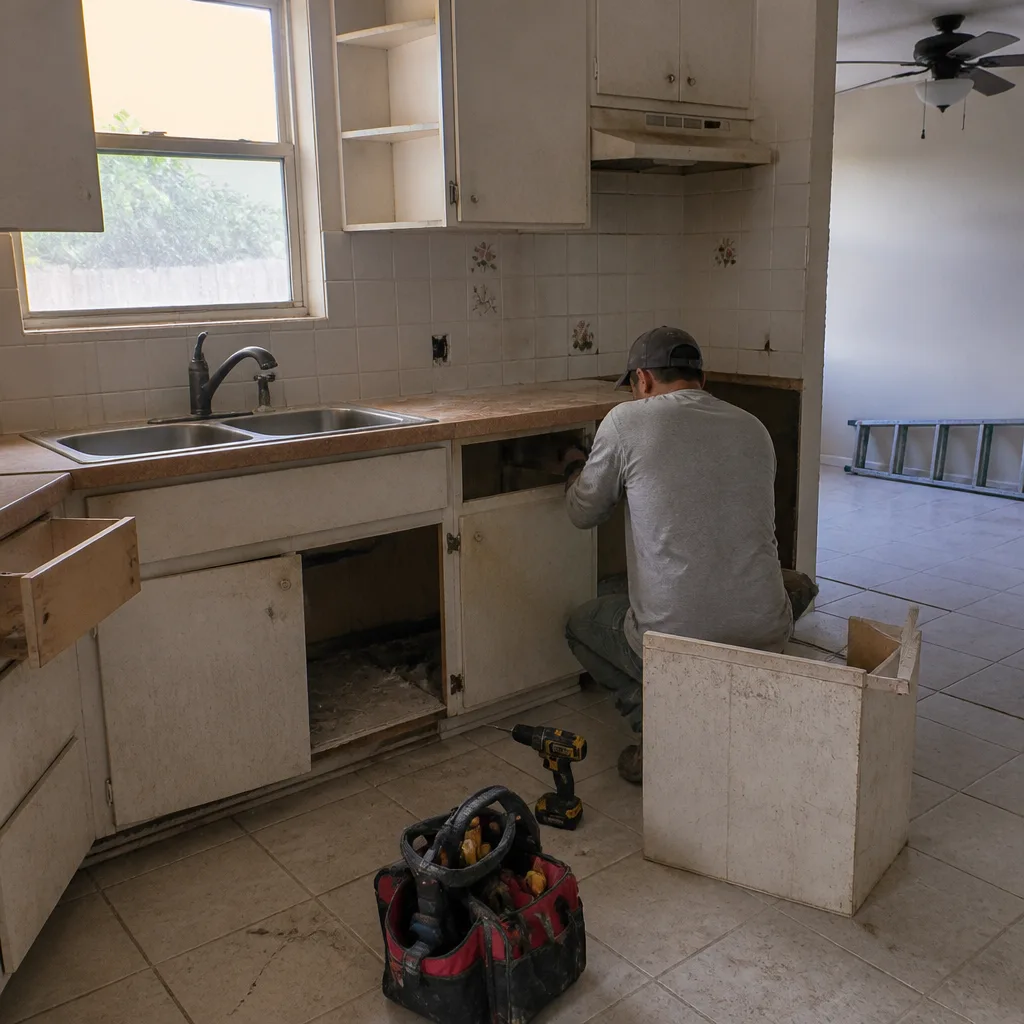 Before
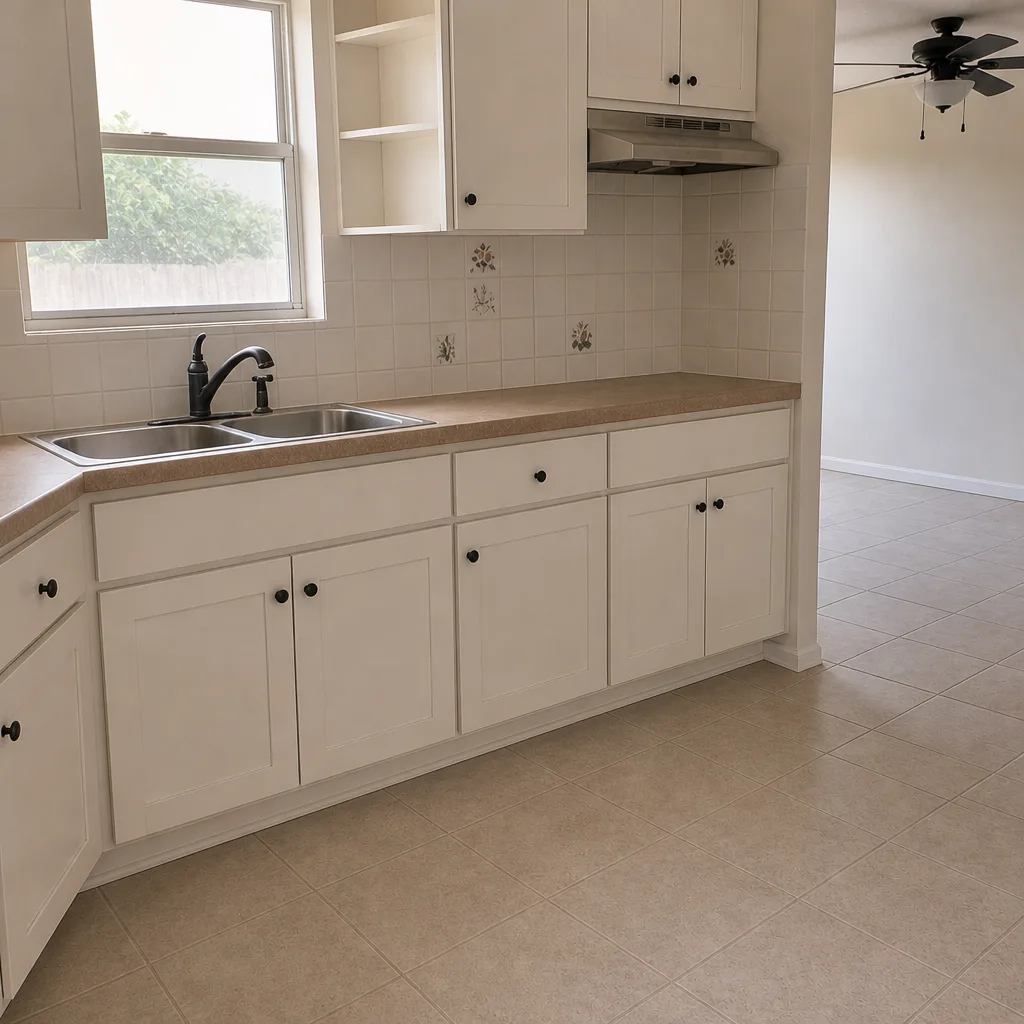 After
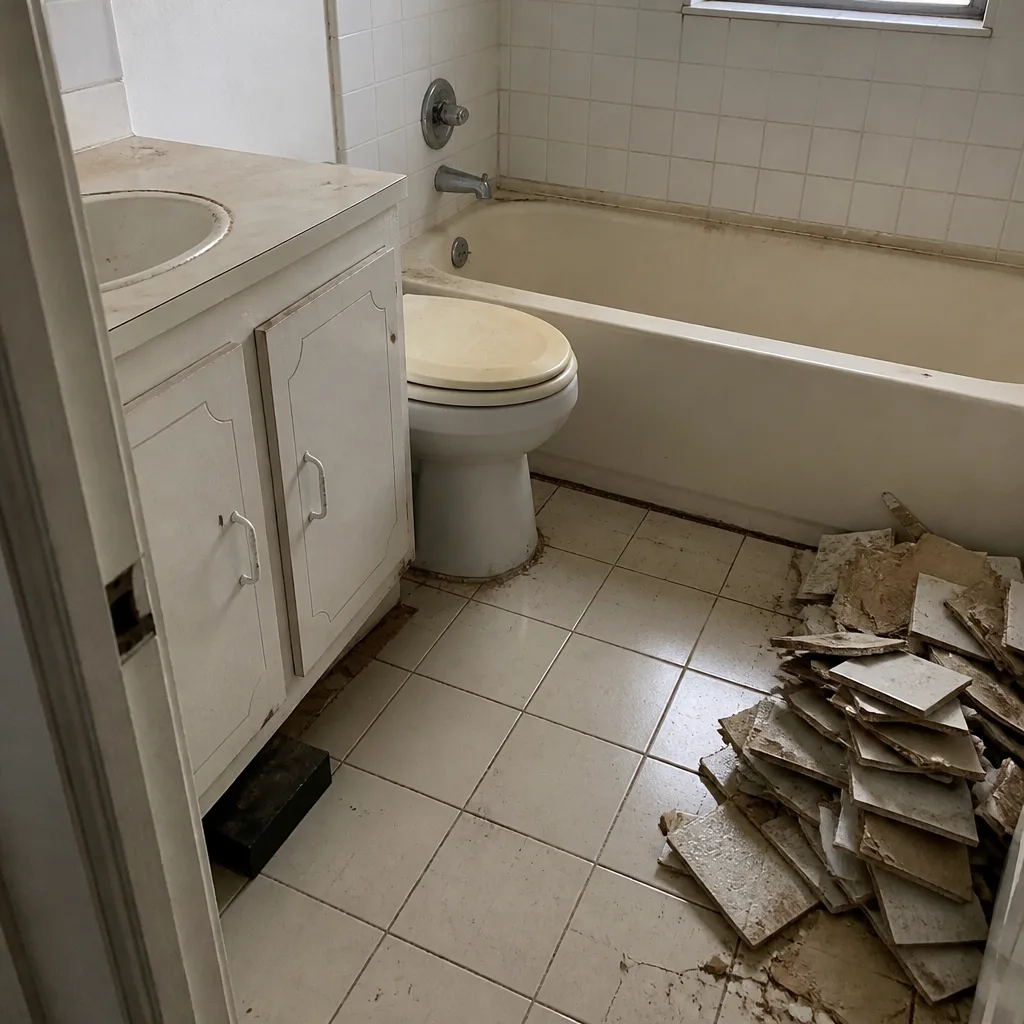 Before
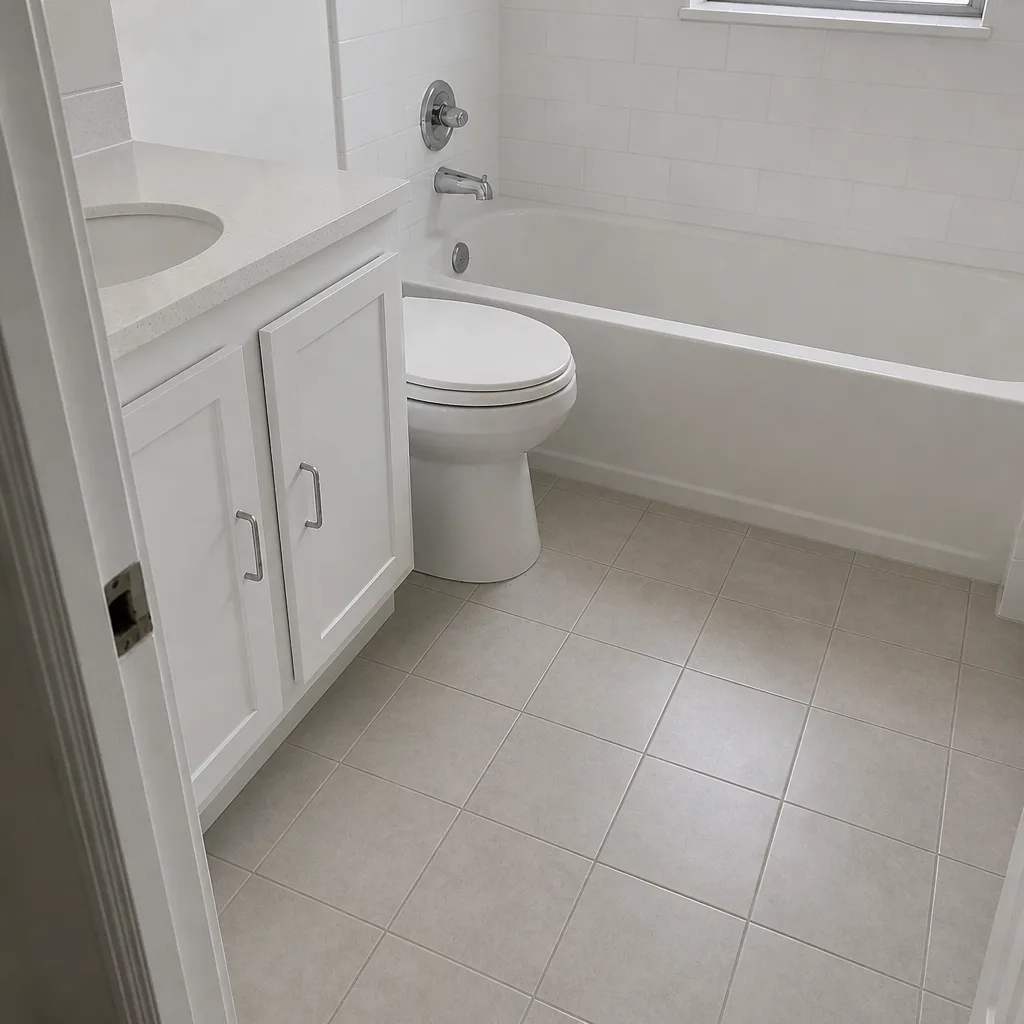 After
 Before
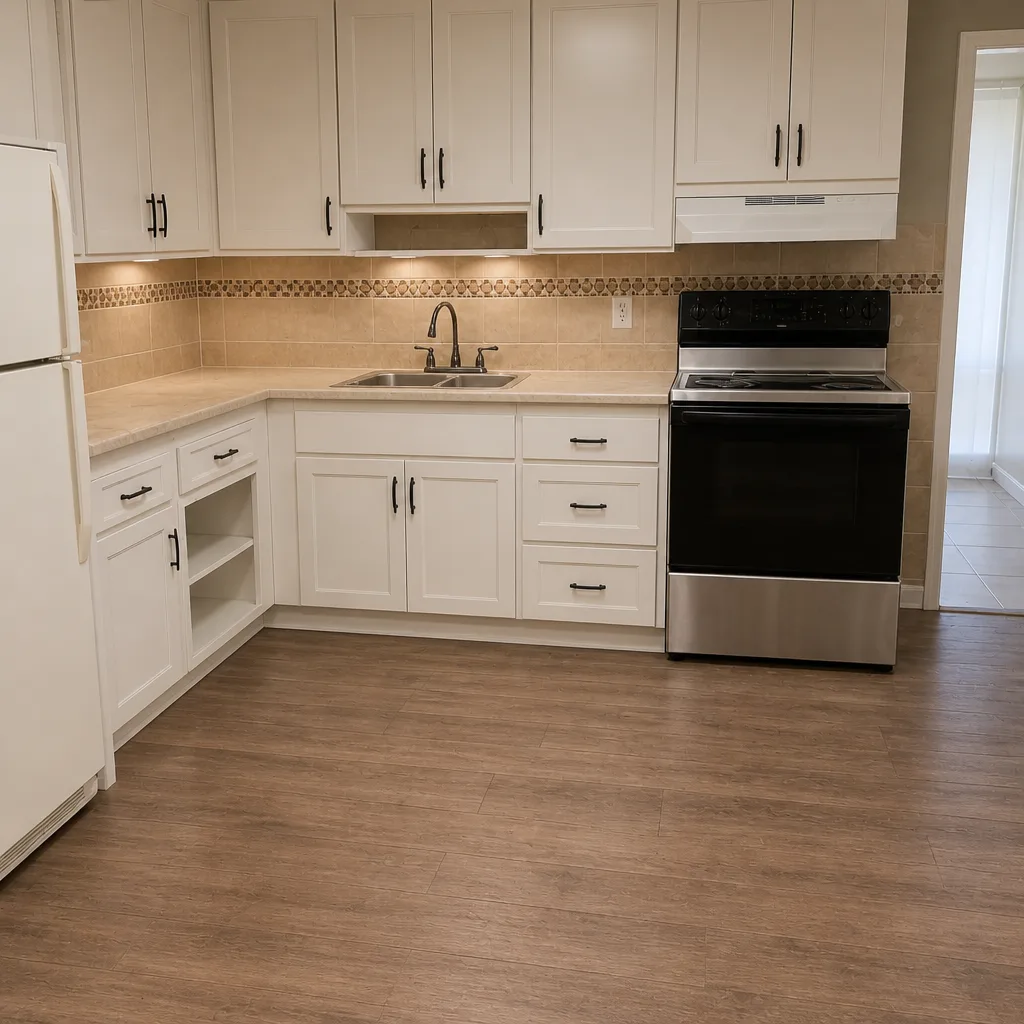 After
When to Call a Professional
Any project that touches electrical, plumbing, structural, or requires a permit belongs with a licensed professional. That covers most kitchen and bath remodels, anything involving wall removal, all additions, and any exterior work with impact products. If your project is minor, like replacing a faucet or repainting a room, you don’t need a contractor. If the scope needs a permit, involves multiple trades, or you want the work guaranteed in writing for a year, it’s time to call.
Bradford Remodeling Co Cutler Bay offers free estimates in Cutler Bay, with a written price and a phase-by-phase timeline before any work begins. Call (833) 620-5491 to schedule yours. A live person answers, not a voicemail queue.
Frequently Asked Questions

A typical kitchen remodel in Miami-Dade takes 4 to 6 months from contract to final inspection, and a whole-home remodel takes 8 to 14 months. Roughly 25 to 40 percent of that is pre-construction: permit review, drawings, and material orders. Call (833) 620-5491 for a phase-by-phase timeline specific to your project.
Miami-Dade’s residential review currently averages 15 to 25 business days for a first pass, and that clock starts after a complete application is filed. Assembling a correct application takes one to three weeks, and a resubmittal after corrections can add another cycle. Cutler Bay projects run through the same county process, so building review time into the schedule is standard, not a red flag.
Yes. A June start carries higher procurement risk than a February start because South Florida distributors get stretched during storm season. Cabinetry, impact windows, and roofing materials may have longer lead times. If you’re planning a summer start, add two to three weeks of procurement buffer.
Legally, it means the project is usable for its intended purpose even if minor items remain. On the job site, it often means the room is functional but the punch list isn’t closed. The difference is where most schedule disputes start, so get the definition and the punch list deadline in writing before work starts.
In our experience, labor is usually the smaller share. A 6-month kitchen remodel might have 8 to 12 weeks of active construction and 10 to 14 weeks of pre-construction, procurement, inspection windows, and closeout. The waiting is scheduled and permitted, not idle, but it counts toward your calendar.
Yes. Every Bradford Remodeling Co Cutler Bay project gets a written price and a phase-by-phase schedule before any work starts, with the completion window defined and the 365-Day Done Right Promise attached at closeout. If the work fails within a year, we return and correct it at no charge. Call (833) 620-5491 for a free estimate and a written timeline.
The Bottom Line
The honest answer to how long a general contractor takes in Miami-Dade is this: the crew is not the variable. Permit review, inspection hold points, material lead times, and the gap between substantial completion and final inspection are what move the date. Expect 4 to 6 months for a kitchen and 8 to 14 months for a whole-home remodel, with 25 to 40 percent of that in pre-construction. Build a 10 percent time contingency on top of your 10 percent cost buffer. And get the phase-by-phase schedule in writing before the first tool comes out, so every date in the plan has a reference point you can hold to.
Written by the team at Bradford Remodeling Co Cutler Bay.