Last updated November 18, 2026






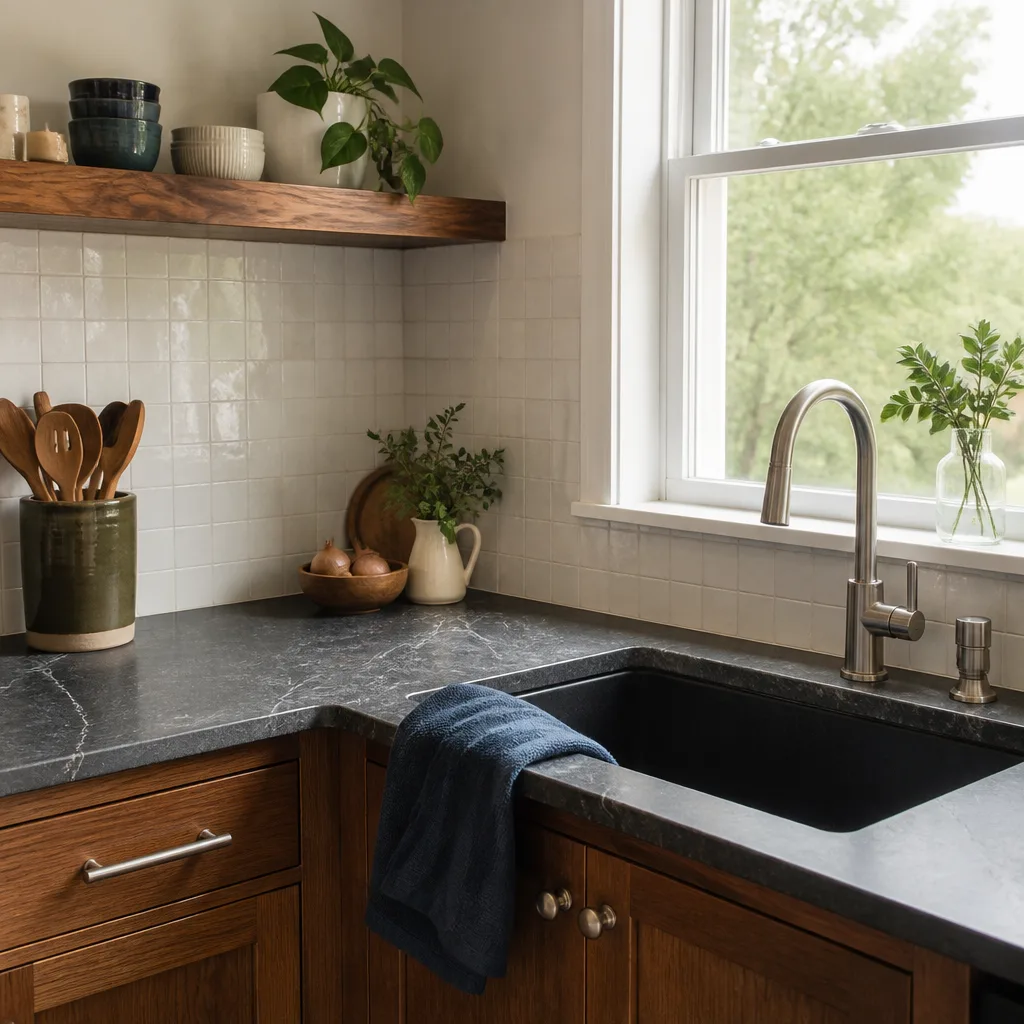
Free written scope consultation - allowances, timeline, and change-order rules on paper before a single trade is scheduled
How to Hire a Construction Contractor in Cutler Bay: A Step-by-Step Guide
Florida’s DBPR license lookup takes about 90 seconds. That’s the whole test, and most homeowners never run it. In a 2023 review of Miami-Dade County consumer complaints, more than 40% of construction disputes involved contractors whose licenses had lapsed, or whose license was issued in a different trade classification than the work they were actually doing. Getting three bids protects your wallet. It does nothing about the unlicensed operator, the uninsured crew, or the contract that lets a contractor walk away at 70% complete. This guide replaces the three-bid rule with a five-step verification process built around Florida’s licensing structure, with the local detail you need to hire a construction contractor in Cutler Bay.
Quick Answer
To hire a contractor in Cutler Bay, verify their license two ways – the state DBPR database and Miami-Dade County’s local records – confirm their insurance directly with the carrier, and insist on a written agreement that meets Florida Statute 489.126. Check the license classification against the work: a CBC or CGC license matters, and the wrong type can invalidate your permit. Do all four before you sign or hand over a deposit.
Key Takeaways
- A state license check and a county record search show different things. You need both.
- License classification has to match the work, or the permit is void.
- An insurance certificate is a piece of paper until the insurer confirms it.
- Florida law requires specific terms in a contractor agreement, including a progress payment schedule.
- Vague scope language is what lets a contractor charge for “unforeseen conditions” without your approval.
Styles & brands we work with
- Kitchen remodeling
- Bathroom remodeling
- Home additions & ADU
- Roofing
- Windows & doors
- Driveway & pavers
- Fence
Table of Contents
- Why the Three-Bid Rule Falls Short
- Step 1: Run the Florida DBPR License Check
- Step 2: Pull the Miami-Dade County Records
- Step 3: Match the License Classification to the Work
- Step 4: Verify Insurance With the Carrier
- Step 5: Read the Agreement Against F.S. 489.126
- Red Flags in the Scope of Work
- Permits and Inspections in Cutler Bay
Why the Three-Bid Rule Falls Short
The three-bid advice is old, and it isn’t wrong. Comparing prices is sensible. The problem is that comparing three numbers tells you nothing about whether any of the three contractors can legally pull your permit. It tells you nothing about whether their workers’ comp policy is current. And it tells you nothing about whether the contract you’re about to sign has a payment schedule that leaves you holding the bag if they disappear.
In Cutler Bay, the stakes are concrete. Homes here sit through a wet season that dumps rain on roofs and windows for months, and after a storm, out-of-town crews flood the market. That’s exactly when unlicensed operators do their best business. A homeowner in Old Cutler Ridge signs with a fast-talking crew, pays a 50% deposit, and discovers three weeks later that the license number on the business card doesn’t exist in the state database.
Bids measure price. Verification measures whether the person quoting it can finish the job. Those are different questions, and only one of them protects your house. So we’re going to walk through the five checks in order, and you can run every one of them before a single tool comes out.
Step 1: Run the Florida DBPR License Check
Florida’s Department of Business and Professional Regulation keeps a public license database, and it’s free. Go to the DBPR license search, enter the contractor’s name or license number, and read the record. This takes about 90 seconds and is the single highest-value thing you’ll do all week.
Here’s what the DBPR record shows you:
- License status – active, inactive, delinquent, or revoked. A delinquent license is a lapsed license with a friendlier word attached.
- License classification – the trade the state authorizes them to perform (more on this in Step 3).
- Expiration date – and whether it renews on the current cycle.
- Disciplinary history – complaints, citations, fines, or suspensions filed against the license.
- Qualifying agent – the individual whose credentials actually hold the license up.
Pause on that last one. In Florida, a business license is tied to a qualifying agent, a real person who has passed the state exam and carried the liability. If that person leaves the company and nobody replaces them, the license can go inactive. The DBPR record tells you whether the person behind the license is still there.
If the contractor hands you a license number and the database shows nothing, that’s your answer. Move on. If the name doesn’t match the business name on the estimate, ask why before you go any further.
Step 2: Pull the Miami-Dade County Records
The DBPR check is necessary, but it isn’t sufficient. The state database shows the license; the county shows the local right to do business. You need both because they answer different questions.
Miami-Dade County maintains contractor registration and permitting records through its local building and licensing channels. Search for the contractor’s name or license number and look at three things:
- Local registration – is the contractor registered to work in Miami-Dade County at all? State license plus no local registration means they can’t legally pull a permit here.
- Permit history – how many permits have they pulled in the county, and how many passed final inspection? Volume isn’t everything, but a contractor with zero permits filed in five years is not doing permitted work.
- Open permits and failed inspections – repeated failed inspections can point at work quality, and open permits can follow a property after the contractor walks.
What the county shows that the state doesn’t: whether the contractor actually operates in your jurisdiction. A license valid in Tallahassee tells you they passed a state exam. It doesn’t tell you they’ve ever built anything in Cutler Bay, where permitting runs through Miami-Dade’s own building department and inspectors know the local code.
Check the county’s permit records for your address too if any work has been done before. Unpermitted additions and remodels from previous owners are common in this area, and they become your problem at resale.
Step 3: Match the License Classification to the Work
Florida splits contractor licensing by trade, and the classification on the license has to match the work being done. This is the step homeowners skip, and it’s the one that can void a permit after the fact.
The two you’ll see most on residential projects:
- CBC – Certified Building Contractor. Authorized for commercial and residential building construction, additions, and structural work. This is the classification most whole-home remodels and additions require.
- CGC – Certified General Contractor. The broadest residential and commercial license, covering the full scope of building construction. A CGC can handle anything a CBC can, plus work across multiple trades.
There are also more limited classifications – specialty licenses for roofing, electrical, plumbing, mechanical, or specific finish trades. A specialty contractor is fine for their specialty and wrong for general contracting. If the scope includes framing, structural changes, or moving walls, a specialty license doesn’t cover it.
Why this matters in Cutler Bay: if you hire someone whose license classification doesn’t authorize the work, the permit can be issued in the wrong category or, worse, invalidated later. The building department doesn’t check for you. You sign a contract, the permit gets pulled under the wrong class, and you find out when the county catches it. Confirm the letter code on the license matches what the job actually requires before you sign.
Our team at Bradford Remodeling Co Cutler Bay works the classification question on every job because doing it right is the only way a permit survives inspection. If you want to talk through your project, we’ll walk you through which license it needs.
Step 4: Verify Insurance With the Carrier, Not the Certificate
Any contractor can hand you a certificate of insurance. What you need to know is whether that certificate is current, whether the policy is real, and whether it covers the work being done on your property. There’s only one way to find out: call the insurance company directly.
Here’s the process, and it takes about 15 minutes:
- Get the certificates. Ask for the general liability certificate and the workers’ compensation certificate, each with the carrier’s name, phone number, policy number, and effective dates.
- Call the carrier. Dial the number printed on the certificate. Don’t use a number the contractor gives you over text. Ask the carrier to confirm the policy is active on the date you plan to start.
- Confirm the coverage amounts. Ask what the general liability limit is. For a whole-home remodeling project in South Florida, six-figure coverage is the floor, not a generous number.
- Check that workers’ comp covers the crew on your job. Florida generally requires workers’ comp for construction crews with four or more employees. If you hire a crew that’s injured on your property with no coverage, you can be exposed to the bills.
- Ask how to be listed as a certificate holder. That puts you on the policy notification list if the coverage lapses mid-project.
Why the certificate alone isn’t enough: certificates list a snapshot in time. A policy can lapse the week after the certificate is printed, and the contractor is under no requirement to tell you. Carriers will confirm by phone, and a legitimate contractor won’t flinch at the request. If they do, that tells you something too.
Step 5: Read the Agreement Against F.S. 489.126
Florida Statute 489.126 governs agreements for construction and improvement work, and it requires the contract to contain specific terms. Read your agreement against this list before you sign. A contract missing these items is a red flag, and a contract with terms that leave you unprotected is worse.
What a compliant Florida contractor agreement should contain:
- Start and completion dates – clear calendar dates for when work begins and when it’s expected to finish. “To be determined” isn’t a date.
- Scope of work – detailed enough to know what’s included and, just as importantly, what isn’t.
- Progress payment schedule – the specific dollar amount or percentage owed at each stage, tied to completed stages. Not a lump sum at milestones you don’t control.
- Lien rights notice – the required notice under Florida’s construction lien law, telling you the contractor and suppliers can file a lien if they aren’t paid. Read it. A lien against your property is the consequence.
- Permit responsibility – who pulls the permit, who pays for it, and who schedules inspections.
- The total written price – a number. Not a range, not “call for a quote.”
That last item is non-negotiable in our view. A contractor who won’t put a fixed price in writing before work begins is telling you the price will move. In our experience in Cutler Bay, a written price before work starts is the difference between a job and a negotiation. Every Bradford Remodeling Co Cutler Bay project gets that price in writing up front, and the 365-Day Done Right Promise means if the work fails within a year, we come back and fix it at no charge. That’s in writing too.
Red Flags in the Scope of Work
The scope-of-work section is where a contract either protects you or gives the contractor an exit. Read it slowly. Here’s what to watch for:
- “Unforeseen conditions” with no approval clause. Some scope language lets the contractor charge for hidden damage without your sign-off. Any unforeseen condition should require written approval before work goes on, with the new price in writing first.
- Allowance line items with no cap. An allowance is a budget for a material selection. If the contract doesn’t cap what happens when you exceed it, the change order becomes an open checkbook.
- No completion trigger for payment. If the second progress payment doesn’t depend on a milestone, the contractor has no reason to reach it.
- “Subject to owner’s request” exclusions. Watch for scope language that excludes anything you might reasonably request, so a change mid-job means paying twice.
- Missing trade inclusions. Cabinetry, fixtures, countertops, hardware, and finishes should each be listed or explicitly excluded. A gap in the list is a gap in the price.
- No written change-order process. Every change should go through a signed change order with the price attached, before the work happens, not after.
This matters most in older housing stock around here. Kitchen and bathroom remodels in Cutler Bay often hit surprises behind the walls – old plumbing that needs a rough-in swap, no vapor barrier in a bathroom wall, or a floor that needs the substrate leveled before tile goes down. A good contractor plans for that and quotes it. A bad one writes “unforeseen conditions” into the contract and treats every surprise as a payday.
Permits and Inspections in Cutler Bay
Cutler Bay building permits run through Miami-Dade County’s building department. Most remodeling work – moving walls, changing plumbing or electrical, structural changes, additions, reroofing, window replacements – requires a permit and inspections. Finish work like painting or trim doesn’t. The contractor should tell you which category your job falls into, and they should be the one pulling the permit.
Insist on it. An unpermitted addition or a bathroom remodel with plumbing moved without a permit can cost you at resale, and it can cost you years later when a buyer’s inspector finds it. The permit and inspection record is the paper trail that says the work met code. For work beyond general contracting, our general contractor in Cutler Bay page covers what a full scope looks like, and the bathroom remodeling in Cutler Bay guide covers the Schluter waterproofing and Grohe fixture details that inspectors and insurers look for.
Common Mistakes to Avoid
- Taking the license number on faith. Always run the DBPR check yourself. A business card is not a license, and a license number can belong to another company entirely.
- Paying more than a modest deposit up front. Florida’s payment structure protects you when it’s tied to completed stages. A 50% deposit with no milestone behind it puts your money at risk the moment the job stalls.
- Skipping the insurer call because the certificate looks official. Cover can lapse between the day the certificate is printed and the day work starts. One phone call settles it.
- Signing a scope that says “unforeseen conditions” without an approval clause. In a 1960s-era Cutler Bay home, you’ll hit surprises. Without written approval language, those surprises get charged to you without your consent.
- Letting the contractor pull a permit under the wrong classification. A specialty license on a structural job can void the permit. Check the classification before signing.
- Ignoring the lien notice. Florida law requires suppliers and subcontracted trades to be paid, and their lien rights follow the property. Read the notice and ask who the subcontractors are.
- Hiring on price alone. The cheapest bid is often the one with the fewest line items in the scope. Compare scopes, not just totals, and ask each bidder why their number is different.
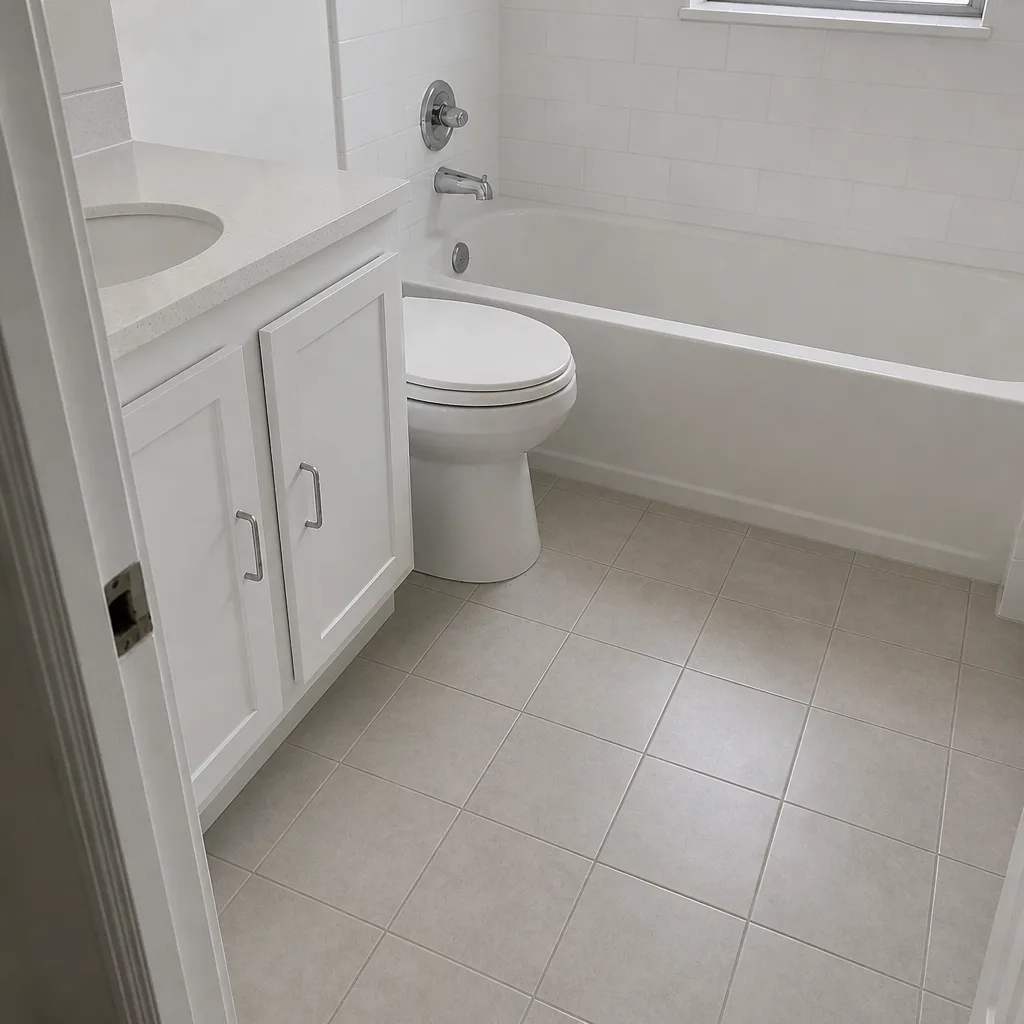
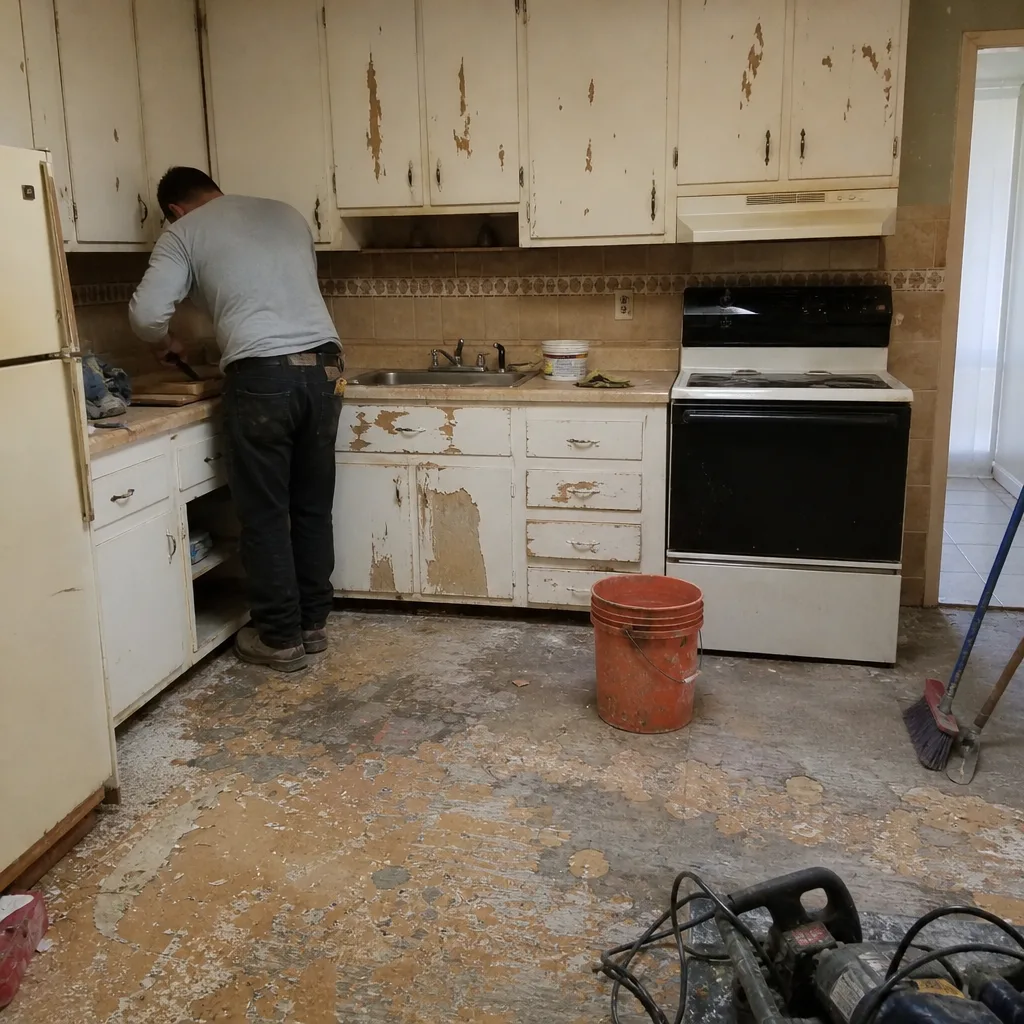
See the difference
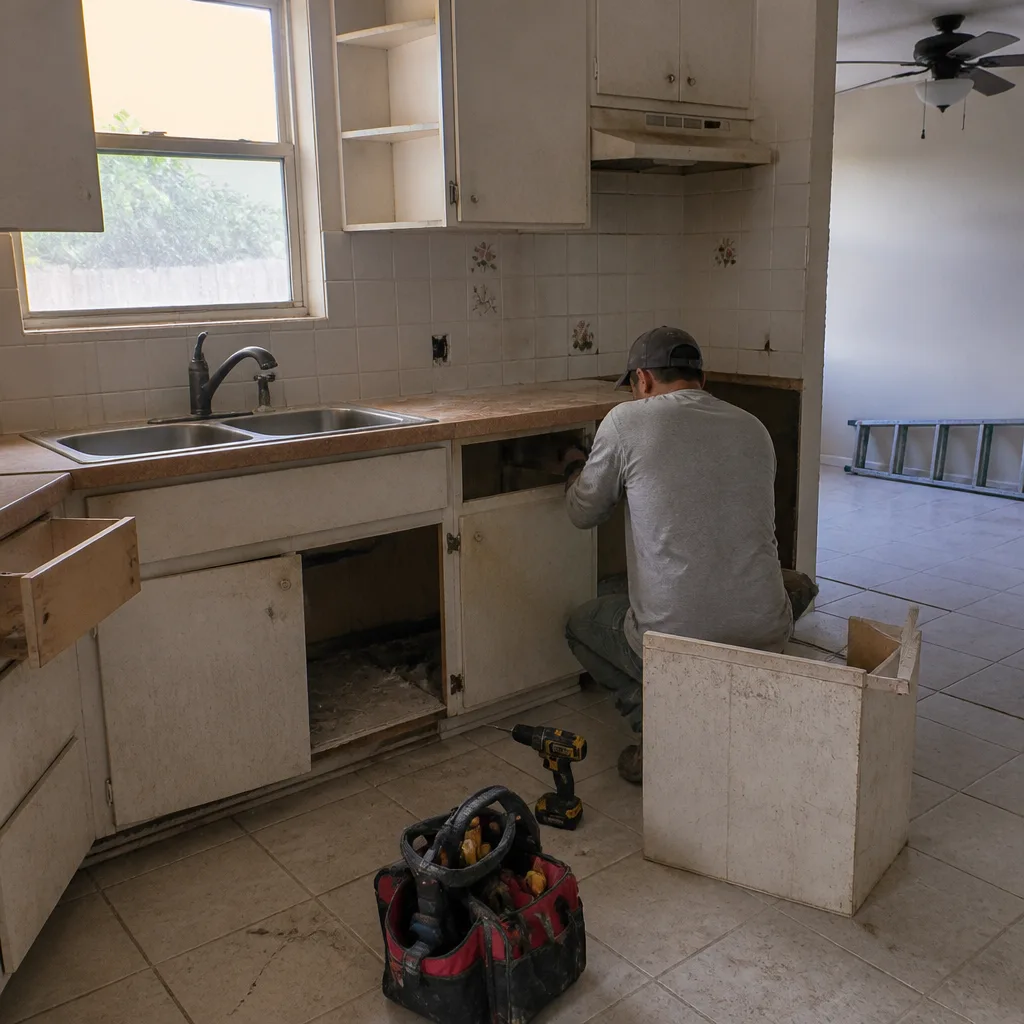 Before
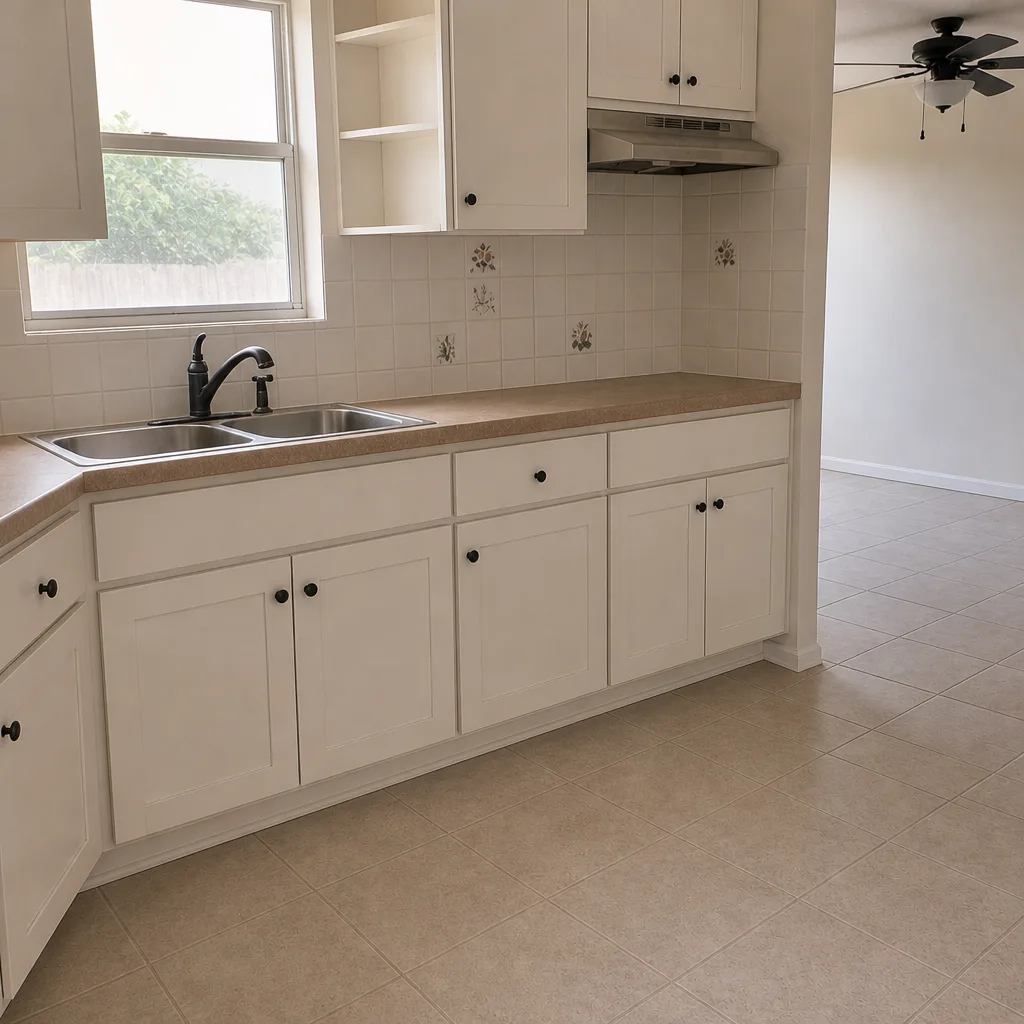 After
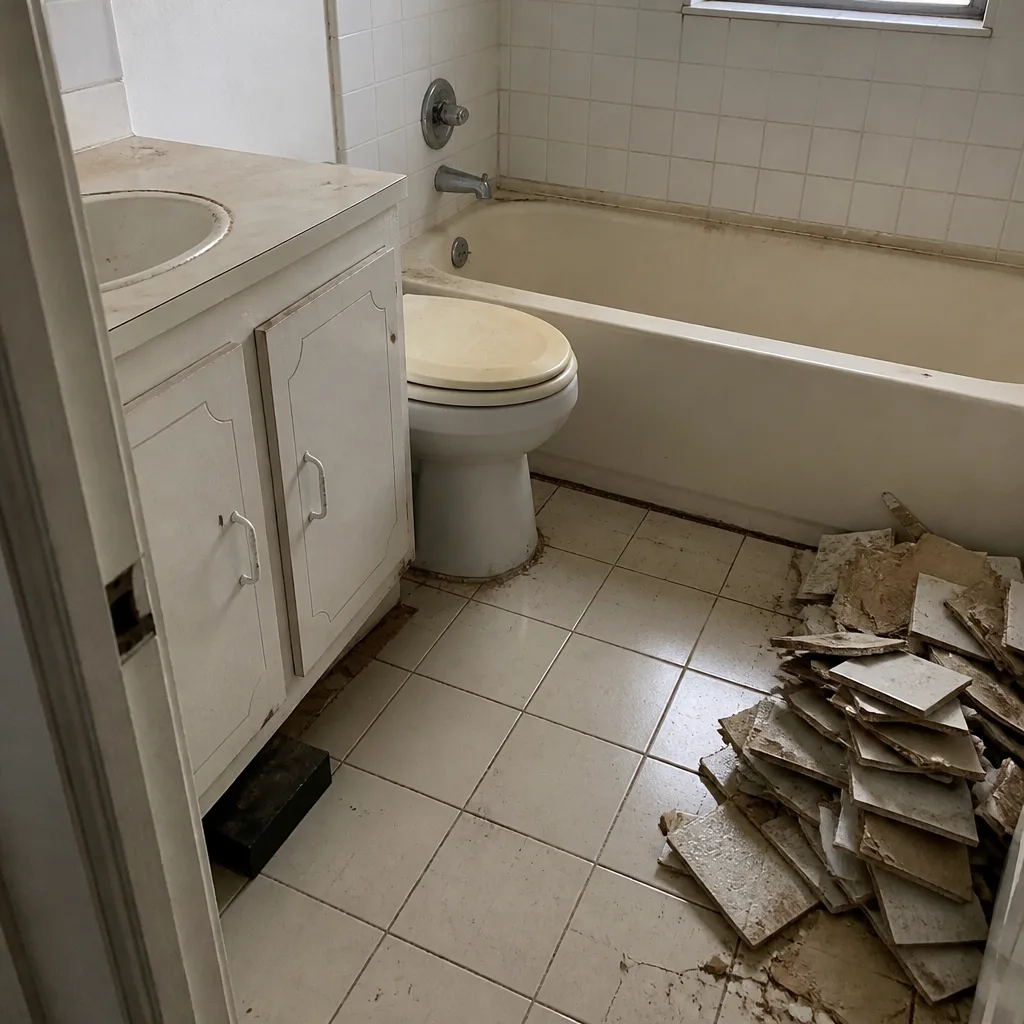 Before
 After
 Before
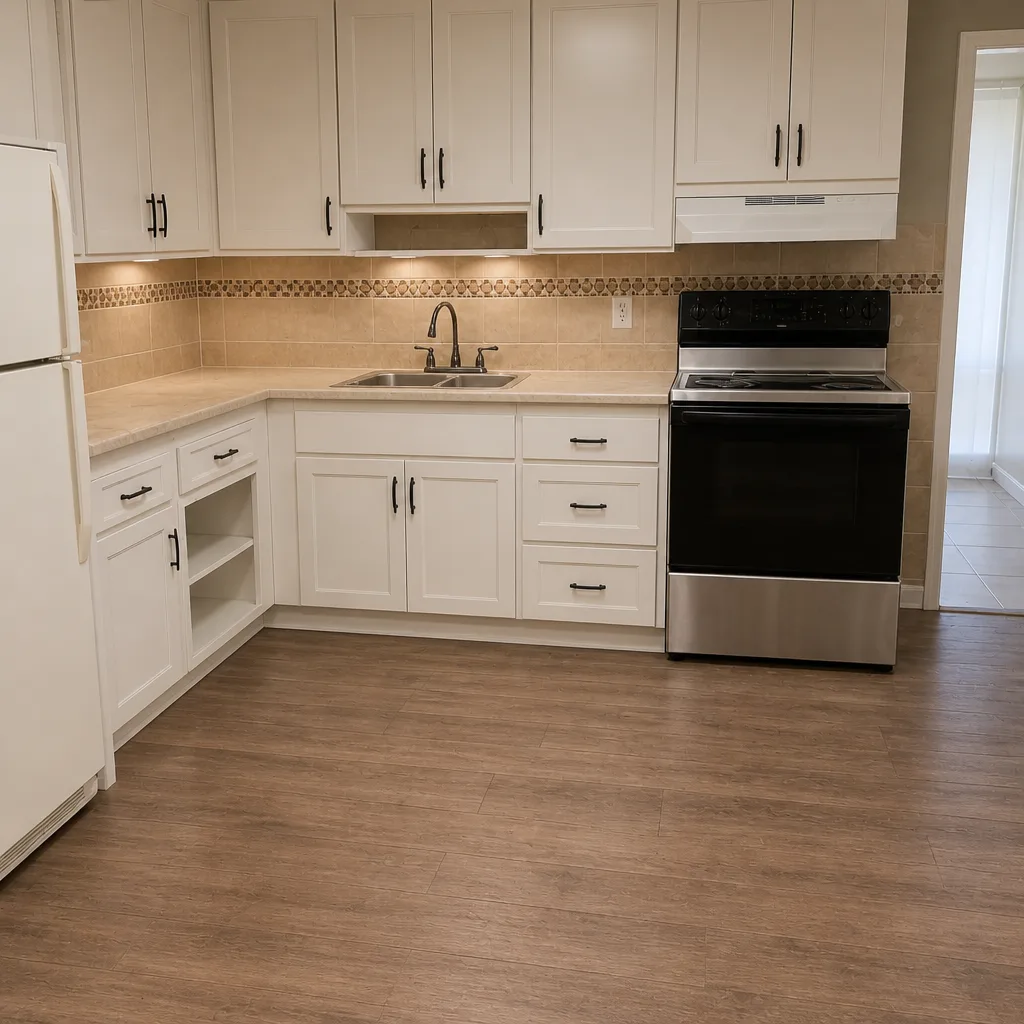 After
When to Call a Professional
Some jobs are fine as a weekend project. Others shouldn’t be. Move or remove a wall, touch the electrical panel, run new gas or plumbing lines, reroof, or work at height, and you’re in the territory where a licensed contractor and a permit aren’t optional. High-tension garage door springs and electrical panel work especially deserve a trained professional – the injury risk is real, and the permit protects you whether or not you DIY.
If your project touches structure, systems, or something that will need an inspection, call a licensed professional. After a storm, call before the out-of-town crews roll in. Bradford Remodeling Co Cutler Bay offers free estimates in Cutler Bay – call (833) 620-5491. Our technicians have up to 22 years of experience, and we put every price in writing before work starts. If you’re considering a kitchen project, the kitchen remodeling in Cutler Bay guide walks through how we handle cabinetry and countertop selections.
Frequently Asked Questions

Run two checks: the Florida DBPR license search and the Miami-Dade County contractor records. The state shows license status, classification, expiration, and disciplinary history. The county shows local registration and permit history. You need both because they answer different questions, and neither one alone tells you the full story. If you want help interpreting what you find, call (833) 620-5491 for a free estimate.
A CBC (Certified Building Contractor) covers commercial and residential building construction, additions, and structural work. A CGC (Certified General Contractor) is the broader license and can handle anything a CBC can plus work across multiple trades. For a whole-home remodel or an addition in Cutler Bay, either is generally adequate – but the classification on the license has to match the scope, or the permit can be invalid. Call (833) 620-5491 and we’ll tell you which classification your project needs.
Under F.S. 489.126, a compliant agreement includes the scope of work, start and completion dates, a progress payment schedule tied to completed stages, and the required lien rights notice. It should also state the total written price and who pulls the permit. If any of those items are missing, ask for a corrected contract before you sign. Call (833) 620-5491 for a free estimate on your project.
Yes. Call the insurance carrier directly using the number on the certificate and confirm the policy is active on your projected start date. Confirm the general liability limit and that workers’ comp covers the crew on your job. A certificate is a snapshot; the carrier verifies whether it’s still true. A legitimate contractor won’t object to the call. For a free estimate, reach us at (833) 620-5491.
You don’t need a paid review to spot the basics – the checklist in this guide covers the clauses that matter most. If you’re signing a five-figure contract with structural and permitting implications, an hour with a Florida construction attorney is money well spent, typically a few hundred dollars. For the work itself, we give you a written price before anything starts. Call (833) 620-5491 – estimates are free.
Much of the housing stock here went up in the 1960s through the 1980s, before current electrical, plumbing, and moisture-barrier standards. Open a bathroom wall and you can find cast iron drain lines at the end of their life, or a shower with no proper waterproofing membrane behind the tile. A good contract caps how that gets handled – written approval before extra work, price attached. Call (833) 620-5491 for a free estimate on your remodel.
The Bottom Line
The three-bid rule measures price. The five-step verification process measures whether the contractor can legally and financially finish the job: DBPR license check, Miami-Dade county records, license classification matched to the scope, insurance confirmed with the carrier, and a contract that meets F.S. 489.126. Run all five before you hand over a deposit. On a Cutler Bay project, that’s the difference between a remodel that closes with a signed written guarantee in your hand and one that drags into a dispute. If you’d like an estimate from a crew that puts its price in writing up front, and backs the work with the 365-Day Done Right Promise, call (833) 620-5491. When we can’t match a budget, we say so – that’s the point of a written number.
Written by the team at Bradford Remodeling Co Cutler Bay.