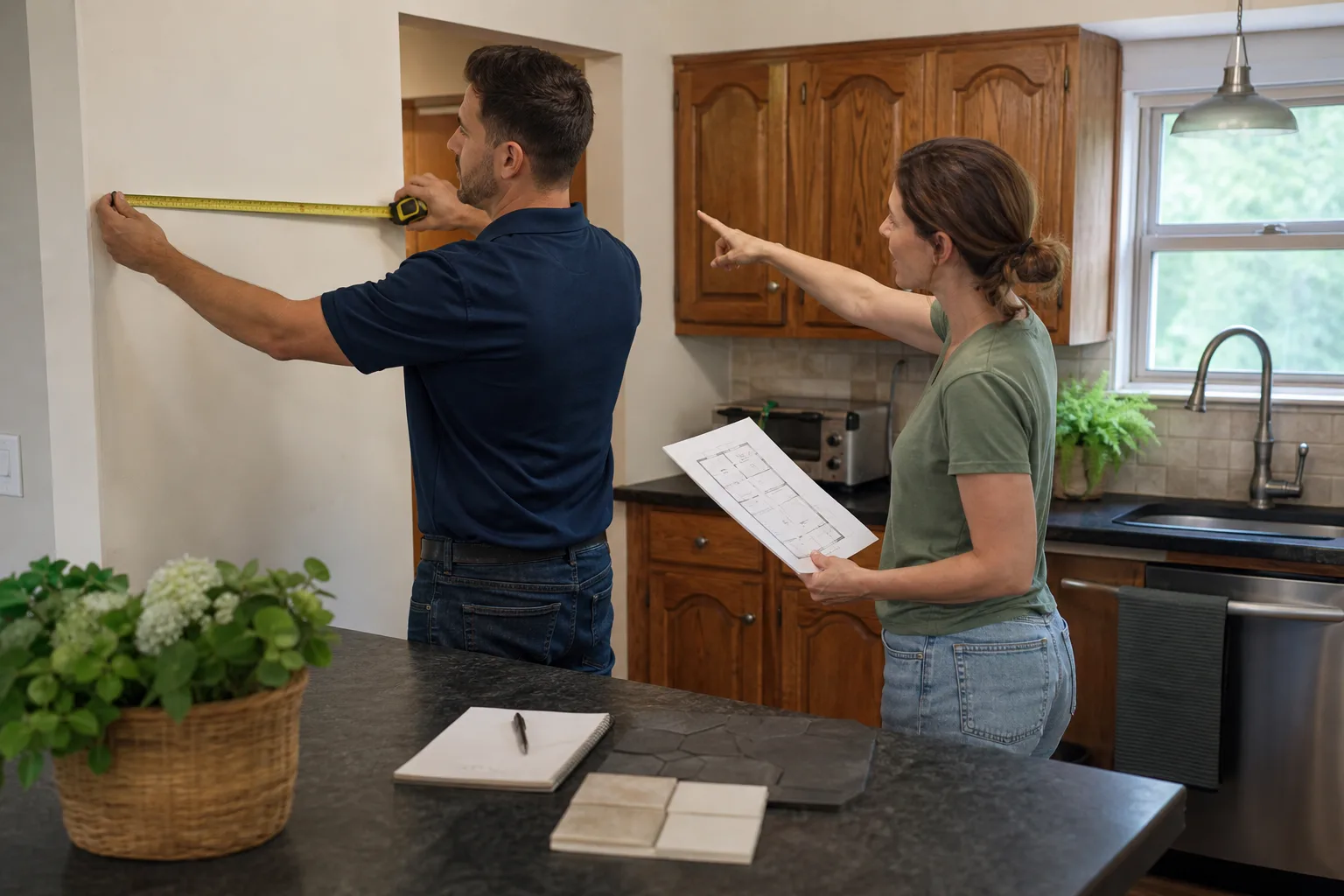
Last updated November 18, 2026








Free written scope consultation - allowances, timeline, and change-order rules on paper before a single trade is scheduled
Home Remodeling Warning Signs Every Homeowner Should Know
A bad remodel rarely collapses in a single dramatic moment. It falls apart slowly, and almost always after an agreement that was thin to begin with. Here’s the part homeowners miss: by the time the visible warning signs show up – the no-shows, the phone that goes to voicemail, the crew that vanishes for a week – you’re already inside a contract that’s hard to enforce. The real red flag came earlier, quietly, when scope, price, and guarantees were never put in writing. In our experience across Cutler Bay and South Miami-Dade, this guide will teach you to read those early signals before a single nail is driven.
Quick Answer
The biggest home remodeling warning signs appear before work starts: a contractor who won’t put scope and price in writing, a vague “satisfaction guaranteed” line instead of a real written guarantee, and a contract with no completion date, no payment schedule tied to milestones, and no lien waiver. Those missing clauses are what turn a small disagreement into an expensive dispute. If you spot them, treat them as a stop sign, not a small detail.
Styles & brands we work with
- Kitchen remodeling
- Bathroom remodeling
- Home additions & ADU
- Roofing
- Windows & doors
- Driveway & pavers
- Fence
Table of Contents
- Pre-Contract Red Flags That Predict Trouble
- The Written Price: What It Must Contain
- What a Real Written Guarantee Says vs. Vague Promises
- How to Read a Contract for Missing Clauses
- Behavior Patterns of Contractors Who Walk
- Already Mid-Project? How to Protect Yourself
- Cutler Bay Code and Climate Signals
Pre-Contract Red Flags That Predict Trouble
The signs that matter most show up in the first two conversations, long before a hammer comes out. A contractor who resists putting numbers on paper, who talks in ranges and then hedges, who won’t describe the sequence of work in plain language – that’s the warning. In our experience, the homeowner who says “they seemed so nice at first” is usually the one who never got a written scope.
Watch for these pre-contract signals:
- No written quote before work starts. A legitimate contractor gives you a written price, line by line, before any tool comes out. If you only have a number scribbled on a business card or texted to you, that’s a red flag.
- Scope described only verbally. “We’ll redo the kitchen” is not scope. What cabinets, what countertops, what fixtures, what gets demolished and what stays? A written scope names the materials and the sequence.
- Pressure to sign before you’ve read. Any urgency tactic – “this price is only good today” – is a signal the numbers will move later.
- Reluctance to put guarantees in writing. If the promise is real, it can be printed. If it can’t be printed, it isn’t a guarantee.
- No mention of permits. Work that requires a permit but is quoted without one is work that will get expensive later, or fail inspection.
Cutler Bay homes carry their own quirks. Many were built in the 1970s through the 1990s, and once you open a wall for a remodel you find stucco over frame or block, older plumbing, and sometimes windows that were replaced without a permit. A contractor who doesn’t ask about the age of the home or how it was built is one who plans to discover surprises on your dime.
The Written Price: What It Must Contain
A written price is not a single total. It’s a document that tells you exactly what you’re buying and what you’re not. When we hand a homeowner a written price, it names every line item: demolition, framing, rough-in for plumbing and electrical, drywall, paint, cabinetry, countertops, fixtures, and cleanup. Nothing hidden in “miscellaneous.”
Here’s what a legitimate written price includes:
- Itemized scope. Each phase of work named and priced separately, so you can see what a change to one phase would cost.
- Brands and models specified. Not “premium cabinets” but the actual name – Cambria quartz for the counters, a Kohler or Moen fixture for the faucet. Specifications make quality traceable and take guesswork out of the job.
- A clear exclusions list. What isn’t included is as important as what is. If permits, disposal fees, or finish carpentry are separate, the quote should say so up front.
- Payment schedule tied to milestones. Deposits, progress payments, and final payment each tied to a completed, inspectable phase of work – not to a calendar date.
- A stated price that doesn’t move at the door. Numbers that change once work starts, unless tied to a written change order you approve, are the single most common source of disputes.
This is the discipline behind Bradford Remodeling Co Cutler Bay home and The Garrison Standard: a written price before work begins, every time, with no numbers that shift once the truck is in the driveway. For a fuller picture of what a disciplined contract looks like on a kitchen project, see our Kitchen Remodeling in Cutler Bay page, where the scope and material specifications are laid out the same way.
What a Real Written Guarantee Says vs. Vague Promises
“Satisfaction guaranteed” is a marketing phrase, not a legal commitment. It has no defined term, no defined remedy, and no defined process. If it isn’t written down with a time window and a remedy, you have nothing to enforce if the work fails.
A real written guarantee says four things: what’s covered, for how long, what the remedy is, and how you get it. Our 365-Day Done Right Promise is a full-year written guarantee on every completed project. If the work fails inside that window, we come back and correct it at no charge. That’s a term you can hold us to, in writing, in your hand at job close.
When you compare contractors, ask a direct question: “Show me the guarantee in writing.” A vague answer is a warning sign. Here’s what to look for:
- Defined guarantee period. A real number of days or months, in writing, not “as long as you own the home” with no documentation.
- Defined remedy. Does the contractor return and fix it, or refund? Either is fine, as long as it’s stated.
- Defined process. How do you file a claim? Who answers? A live person, or voicemail?
- Coverage of labor and materials. Manufacturer warranties (Cambria, Silestone, Caesarstone, Kohler) are separate from the contractor’s own guarantee. A real guarantee tells you which is which.
If your current contractor can’t put that into a paragraph you can read out loud, you’ve found the warning sign that predicts everything else.
How to Read a Contract for Missing Clauses
Most disputes are caused not by what a contract says, but by what it leaves out. A missing clause is a loophole, and a loophole is where a project gets delayed, repriced, or left half-finished.
Read a remodeling contract looking for these, and treat an absence as a red flag:
- No defined completion date. “Approximately eight weeks” is not a date. A real contract ties the finish to a start date plus specific working days, allowing for weather and inspection delays that are described in writing.
- No payment schedule tied to milestones. If payments are tied to calendar dates rather than completed work, the contractor is paid before the work is done. That’s the setup for a walk-off.
- No lien waiver language. In Florida, subcontractors and suppliers can place a mechanic’s lien on your home if they aren’t paid. A written contract should require lien waivers from subs and suppliers as work is completed, so you’re not on the hook for someone else’s unpaid bill.
- No change-order process. Any change to scope or price should require a written change order you sign before the work is done. Without it, changes appear on the final invoice as surprises.
- No permit responsibility clause. The contract should state who pulls permits and who pays for inspections and any corrections.
- No dispute-resolution section. What happens if you disagree? A written process protects both sides.
In Cutler Bay and across South Miami-Dade, wind-mitigation and product-approval rules mean permits and inspections aren’t optional for most structural or exterior work. A contract that skips the permit responsibility clause is one that plans to skip the permit. To see how a general contractor handles the permit and inspection sequence, our General Contractor in Cutler Bay page walks through the process step by step.
Behavior Patterns of Contractors Who Walk
The contractor who abandons a job usually broadcasts it in the weeks before. The patterns are consistent, and once you know them you can’t unsee them.
- They collect a large deposit and then slow down. A deposit larger than the cost of the first phase of work is a warning sign. Payment should follow progress, not precede it.
- They subcontract everything and manage nothing. If the person who sold you the job never appears on site and the crews change from week to week, no one owns the schedule.
- They avoid written communication. Texts that disappear, calls that go to voicemail, promises made verbally and never confirmed in writing. Every conversation that can’t be produced later is a conversation they plan to disown.
- They change the story on price. The first hint that “we found something” will cost extra, delivered in person without a written change order, is a warning. Surprise invoices that appear only at the door are the pattern.
- They disappear during inspections. A crew that vanishes the week a permit inspection is due is often a crew that doesn’t want the inspection.
- They leave the site a mess. A chaotic site is a signal of a chaotic business. Debris, unprotected floors, and no daily cleanup are clues about how the job will close.
Eighty percent of remodeling disputes trace back to contracts that were never written, or written so vaguely they couldn’t be enforced. The behavior patterns above are the trailer for a contract that was never real.
Already Mid-Project? How to Protect Yourself
If warning signs are surfacing on a job already underway, your goal isn’t to win a fight. It’s to protect yourself without tipping the contractor into abandoning the site, which is far worse than a slow job. The steps below are the ones a construction attorney would walk you through.
- Document everything. Photograph the site daily, keep a written log of conversations and dates, and save every text and email. If it isn’t written, it didn’t happen.
- Stop paying ahead of progress. From now on, release payment only against completed, documented work. If a payment is due against work that hasn’t happened, hold it and say why in writing.
- Request written change orders for anything new. Any price change or scope change must come to you as a written change order you sign before the work is done. This closes the surprise-invoice loophole.
- Put concerns in writing, calmly. A short, factual letter or email listing the issues, the dates, and what you need – a written schedule, a written change order, a written guarantee – creates a paper trail without a confrontation.
- Ask for the written guarantee before final payment. Final payment should not be released until you hold the written guarantee and the signed lien waivers in your hand.
- Contact a construction attorney before you terminate. Terminating a contract mid-project can trigger a mechanic’s lien or a breach claim. Get advice before you act, not after.
This is the reason we work differently. The Garrison Standard puts scope, price, and guarantee in writing before a single tool comes out, because a written record is the only thing that protects both sides when a project runs into the unexpected. For a bathroom project the same discipline applies, and our Bathroom Remodeling in Cutler Bay page shows how the written scope and guarantee look before work begins.
Cutler Bay Code and Climate Signals
A contractor who doesn’t know Cutler Bay’s local conditions is a warning sign all on its own. This is a coastal South Florida market. Wind-mitigation requirements, product approval, and inspection standards apply to much of the work that touches the exterior or the structure. A contractor who quotes a window or door replacement without mentioning product approval is one who hasn’t read the code.
Climate shapes the work. The humidity and summer storms mean moisture management inside walls matters more here than in drier markets. A remodel that puts KraftMaid or Wellborn cabinetry against an unsealed block wall, or installs drywall without the right vapor management, will fail in a year or two, not ten. A written scope that names the substrate, the moisture barrier, and the sequence of installation is what a disciplined contractor provides; a vague scope that skips those details is a warning.
Neighborhood context matters too. In Cutler Bay’s older sections, homeowners regularly find that a previous remodel was done without a permit, which can surface during an inspection and stall a new project. A by-the-book contractor will look for that during the walkthrough and price the correction into the written scope before work starts, rather than appearing with a surprise invoice once the wall is open. The Garrison Code is a framework for that kind of pre-work discipline, and it’s why our written price includes an allowance for the kinds of issues common to Cutler Bay homes rather than pretending they don’t happen.
If you’re comparing three bids, the lowest one is often the one with the thinnest written scope. A price that’s five thousand dollars less because it leaves out permits, moisture management, or the lien-waiver clause isn’t a bargain – it’s a contract waiting to become a dispute.
Common Mistakes to Avoid
- Signing a contract without a completion date. “Around eight weeks” gives you nothing to enforce. Insist on a start date and a specific working-day count, in writing. This is the first clause to check.
- Paying a deposit that exceeds the first phase of work. A deposit should cover the cost of the work about to happen, not the whole project. If it doesn’t, you’ve handed over leverage you can’t get back.
- Accepting “satisfaction guaranteed” as a guarantee. It has no term and no remedy. Insist on a written guarantee with a defined period – ours is the 365-Day Done Right Promise, a full year, in writing.
- Skipping the lien-waiver clause. In Florida, an unpaid subcontractor can place a lien on your home. The contract must require waivers as subs are paid, or you inherit someone else’s bill.
- Choosing the cheapest bid without comparing scope. A lower price with a thinner scope isn’t lower – it just moves the cost to later. Compare line items, materials, and guarantees side by side.
- Ignoring the climate factor in Cutler Bay. A contractor who doesn’t talk about moisture management along the coastal bend is one who has never watched a wall fail. Ask how vapor barriers and substrates are handled.
- Not getting the guarantee in your hand at final payment. A promise made at signing and not delivered at close isn’t a guarantee. Don’t release final payment until the written document is in your hand.
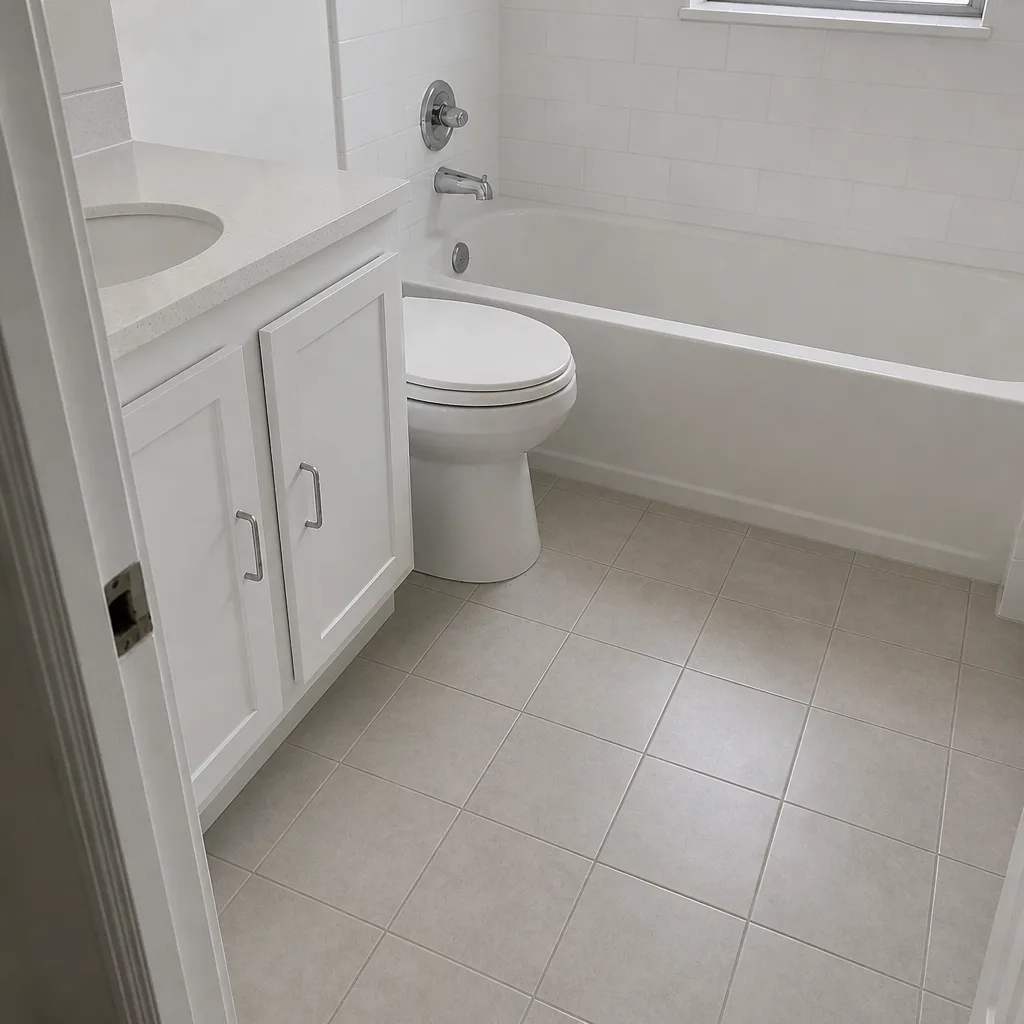
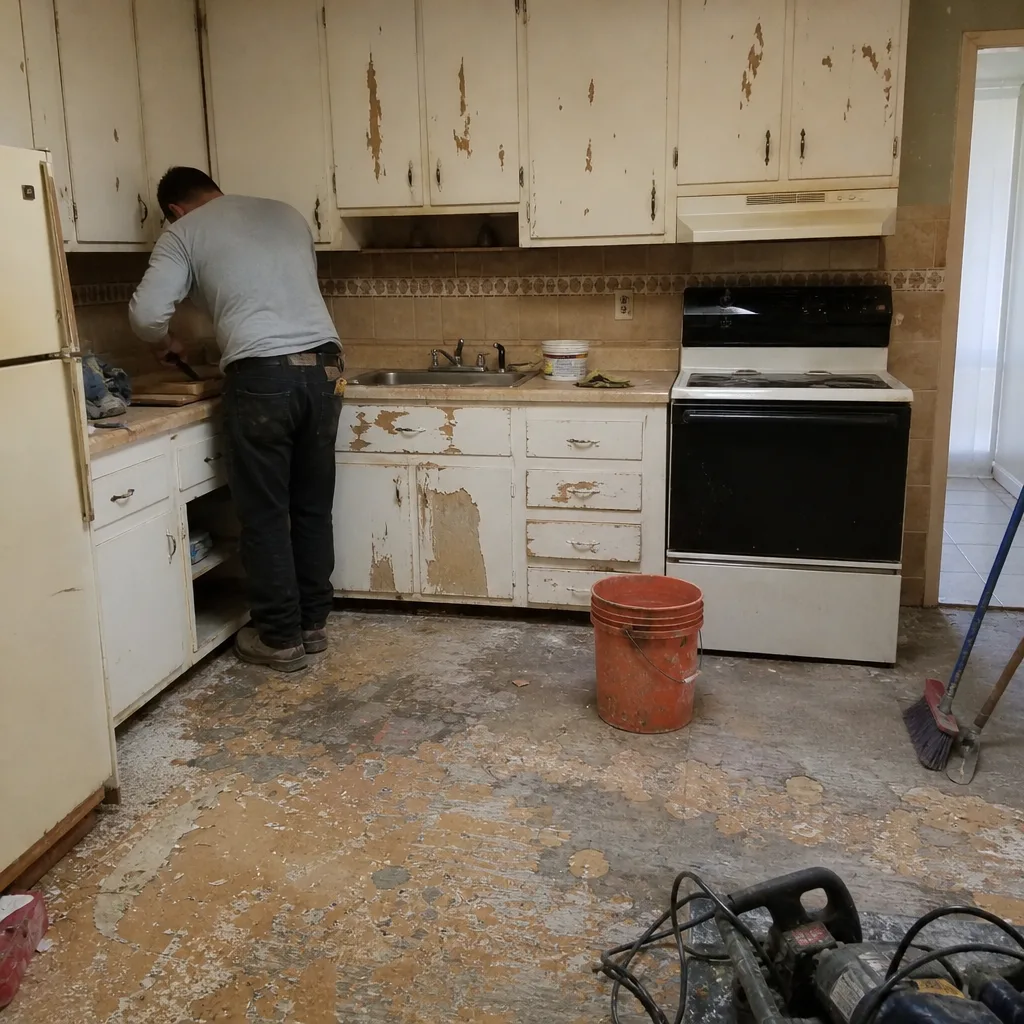
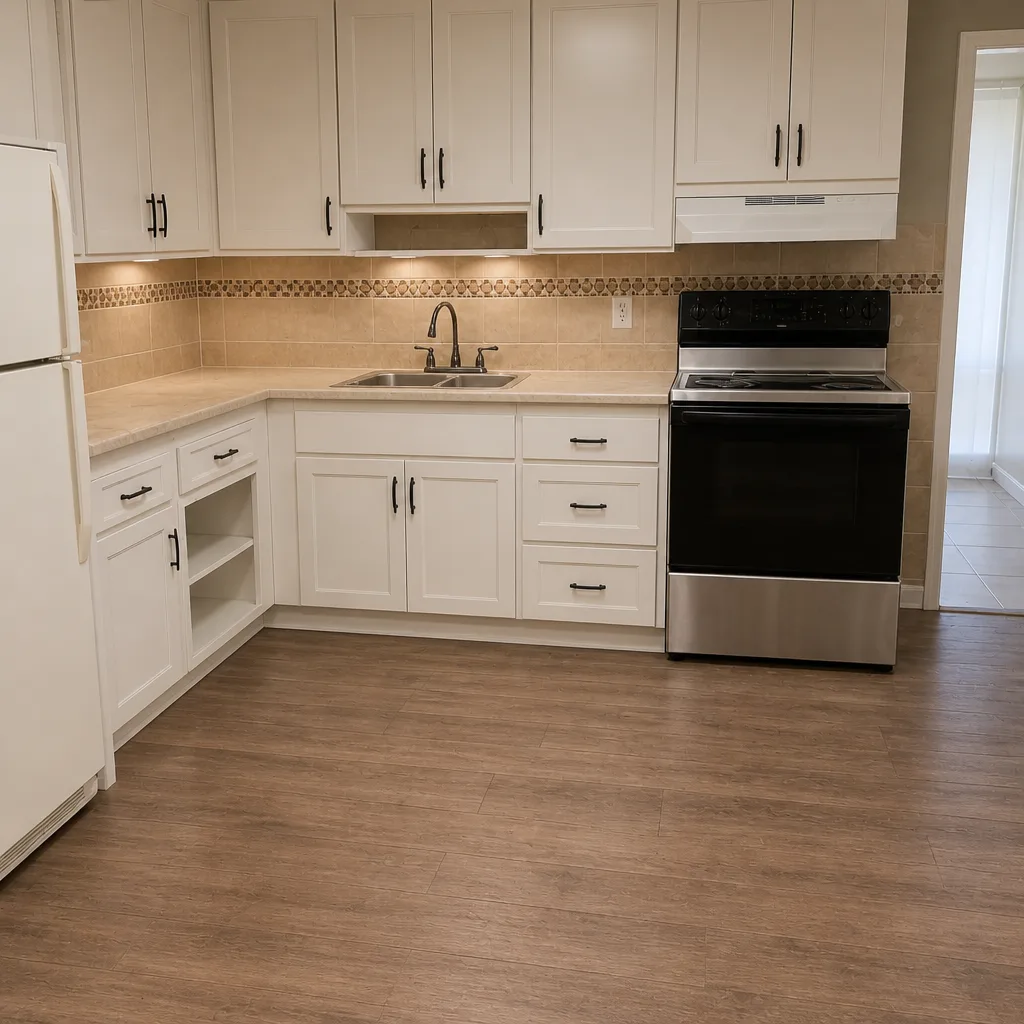
See the difference
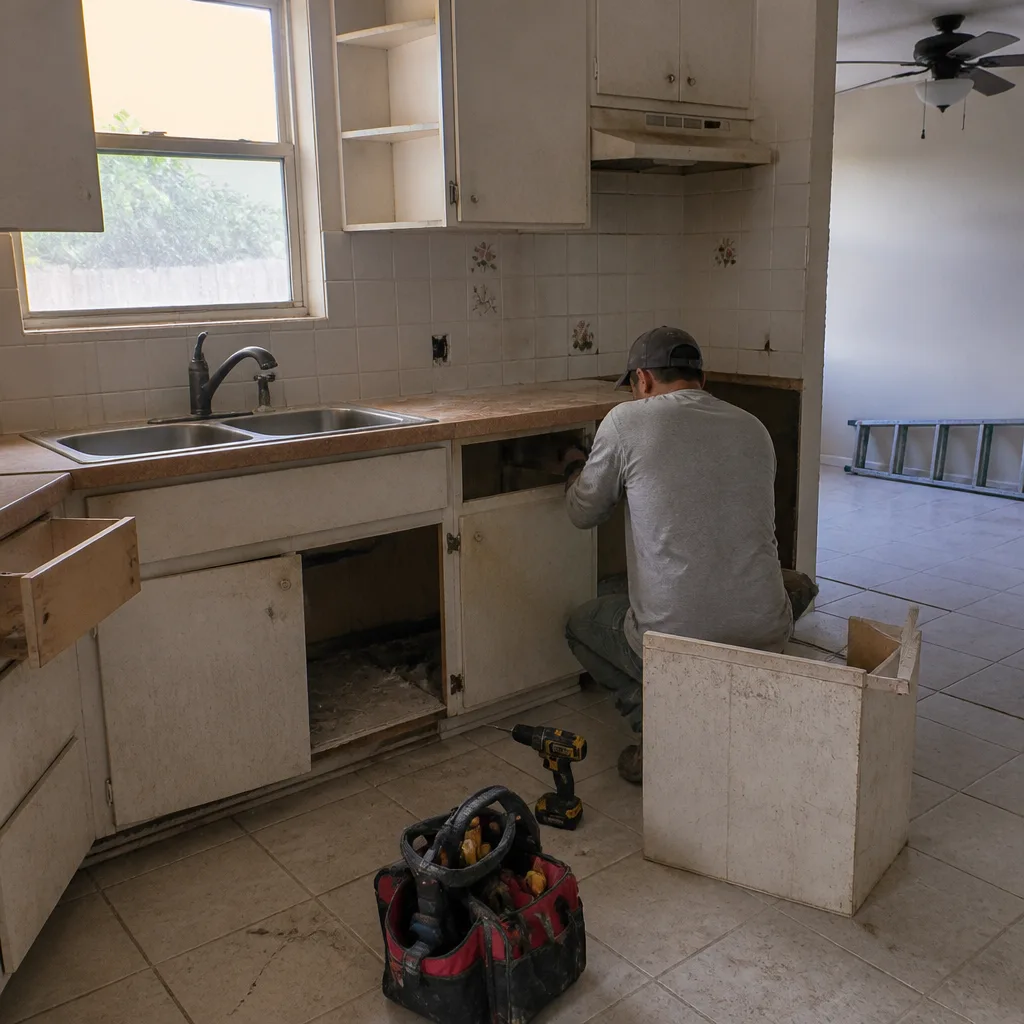 Before
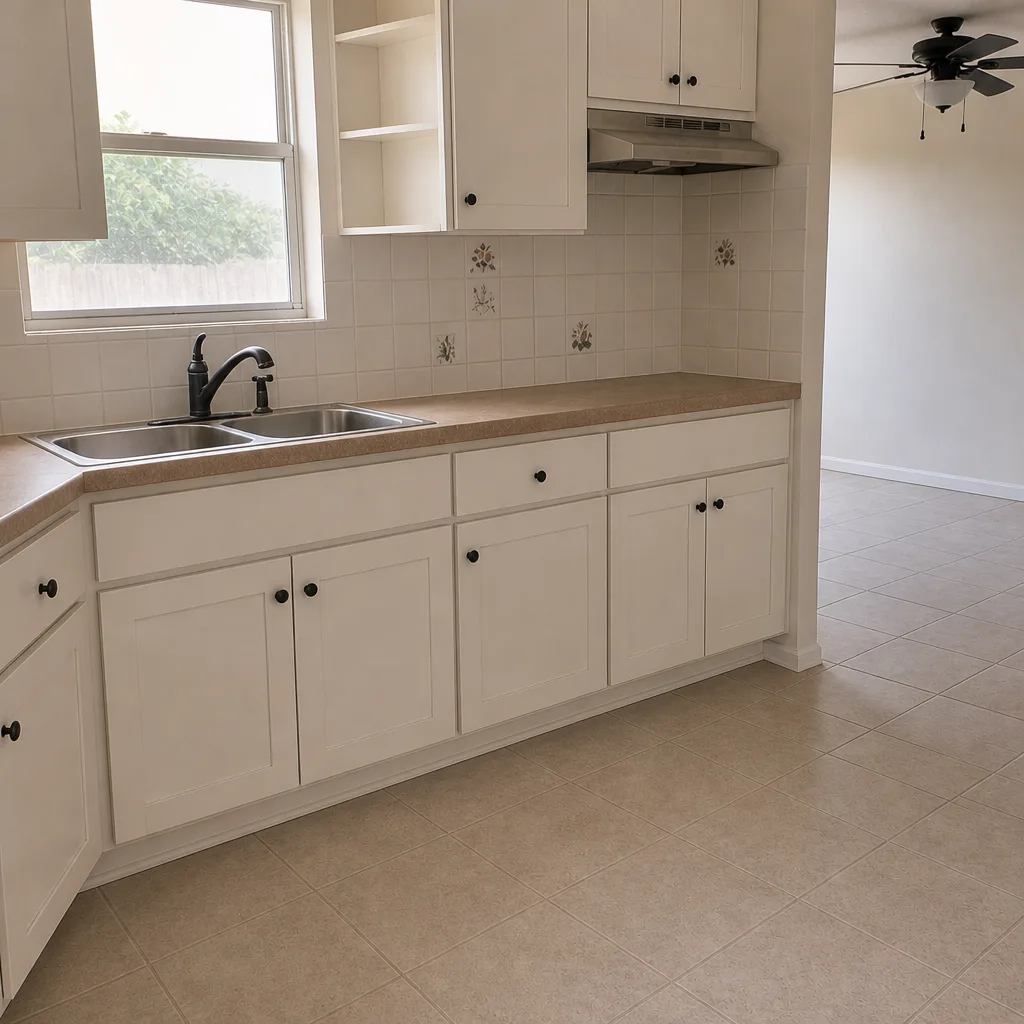 After
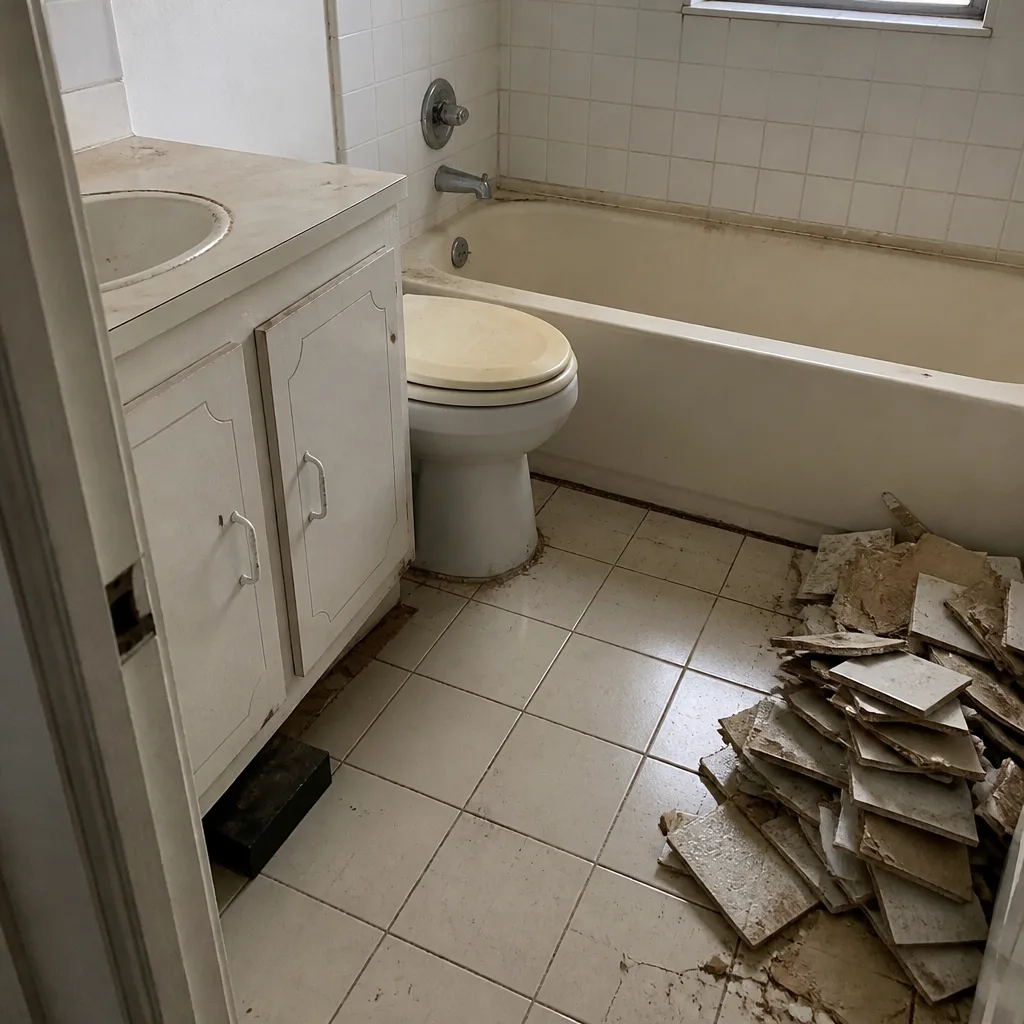 Before
 After
 Before
 After
When to Call a Professional
Call a professional when you’re early enough that a written contract can still prevent the problem – not after you’re already in a dispute. If you’ve received a verbal quote with no written scope, if the guarantee is a phrase and not a document, or if the contract has no completion date and no lien-waiver language, that’s the moment to get a second written opinion. The same goes if a job is mid-project and the pattern of surprise invoices or vanishing crews has started; a construction attorney and a written record are your first moves.
Bradford Remodeling Co Cutler Bay offers free estimates in Cutler Bay – call (833) 620-5491 to schedule yours. A live person answers, 24 hours a day. Every estimate is a written price before work begins, backed by the 365-Day Done Right Promise and a documented roster of name-brand materials. Contact us to schedule your free estimate.
Frequently Asked Questions

The single biggest warning sign is a contractor who won’t put scope, price, and guarantees in writing before work starts. Every other warning sign – late arrivals, missed calls, surprise invoices – is downstream of a contract that was never written. Insist on a written price and a written guarantee first, and most of the other risks disappear.
Costs vary by scope, but a written price always tells you exactly what your project costs before work begins – not a range that moves at the door. The only honest number is the one written down for your specific project. Call (833) 620-5491 for a free estimate in Cutler Bay with a written price before work starts.
Legally, very little. It has no defined term, no defined remedy, and no defined process. A real written guarantee names what’s covered, for how long, and what the contractor will do if the work fails. Ours is the 365-Day Done Right Promise: a full year in writing, with a free return visit to correct the work if it doesn’t hold. Ask any contractor to show you theirs in writing.
For most structural, exterior, and system work in Cutler Bay, yes. The written contract should state who pulls permits, who pays for inspections, and who covers any corrections. If a contractor doesn’t mention permits at all, treat it as a warning sign. Call (833) 620-5491 for a free estimate that spells the permit process out before work begins.
Document everything in writing, stop paying ahead of progress, require written change orders for anything new, and don’t release final payment until you hold the written guarantee and lien waivers. Contact a construction attorney before terminating a contract, because termination can trigger a lien or a breach claim. The goal is to protect yourself without tipping the contractor into abandoning the site.
A written guarantee should name what’s covered, for how long, what the remedy is, and how you file a claim. It should also distinguish the contractor’s guarantee from manufacturer warranties on products like Cambria countertops or Kohler fixtures. Ours is the 365-Day Done Right Promise, in writing, on every completed project. Call (833) 620-5491 for a free estimate and ask to see it.
The Bottom Line
The warning signs you’ll actually see before a remodel goes wrong aren’t late arrivals or missed calls – they’re missing clauses. No written scope, no defined completion date, no payment schedule tied to milestones, no lien-waiver language, and a guarantee that’s a phrase instead of a document. By the time the visible dysfunction shows up, you’re already in a contract that’s hard to enforce. Check the paperwork first, compare written scope line by line, and get the guarantee in writing before final payment. That’s what squared away looks like: clean site, documented scope, signed written guarantee in your hand. If you’re planning a project in Cutler Bay, call Bradford Remodeling Co Cutler Bay at (833) 620-5491 for a free estimate with a written price before work begins.
Written by the team at Bradford Remodeling Co Cutler Bay.