Last updated November 18, 2026








Free written scope consultation - allowances, timeline, and change-order rules on paper before a single trade is scheduled
General Contractor Troubleshooting: Common Problems and How to Fix Them
Here’s the part of remodeling that nobody puts in the brochure: Florida’s Construction Lien Law (Chapter 713) lets a subcontractor your general contractor never paid file a lien against your house, even after you’ve paid that contractor in full. Most homeowners don’t discover it until closing day, when the title company pulls the record and the sale stalls over a debt you never owed. In our experience across Cutler Bay, most disputes don’t start with bad work. They start with a contract that never defined “done.” This guide gives you the exact language, paperwork, and steps to use when a project stalls, overruns, or goes quiet.
Quick Answer
When a general contractor stalls, overruns, or disappears, don’t stop paying and don’t start yelling. Send a written cure notice that names each specific defect and sets a deadline, collect conditional and unconditional lien releases from every subcontractor before you release final payment, and document deficiencies with timestamped photos tied to specific spec line items. Those three moves preserve your leverage, keep your house clear of liens, and create the paper trail a mediator, the Florida DBPR, or the Miami-Dade Building Department will actually use.
Styles & brands we work with
- Kitchen remodeling
- Bathroom remodeling
- Home additions & ADU
- Roofing
- Windows & doors
- Driveway & pavers
- Fence
Table of Contents
- How to issue a written cure notice in Florida
- Conditional vs. unconditional lien releases
- Documenting deficiencies the way the DBPR wants
- Change order dispute vs. scope dispute
- When to call the building department about a stalled permit
- What to do when the schedule keeps slipping
- How to fire a contractor and reassign the work
How Do You Issue a Written Cure Notice in Florida?
A cure notice is a written demand that identifies each defect or breach by spec item, sets a firm deadline to fix it, and states what happens if the deadline passes. It starts the clock on Florida’s contractor dispute process without filing suit, and it puts the contractor on record that you gave them a fair chance to perform. Send it by a method that produces a delivery receipt, and keep a copy.
The mistake most homeowners make is a vague email that says “the kitchen isn’t right.” That won’t hold up. Here’s the format that does:
- Header it “Notice to Cure” and date it. Reference the contract by date and any permit number.
- List each deficiency separately. “Cabinet run on the north wall is out of level by roughly 3/8 inch over 6 feet” beats “cabinets look off.” Tie it to the spec sheet or drawing.
- State the remedy you expect for each item: replace, reinstall, correct, or provide documentation.
- Set a deadline that’s reasonable for the scope of the fix, not a number you pull out of anger.
- State the consequence plainly: that you’ll pursue remedies under the contract and Florida law if the deadline passes.
- Send it with proof of delivery and keep the receipt with your project file.
In Cutler Bay, we’ve watched cure notices fail for one simple reason: they arrived after the homeowner had already stopped paying and the contractor had already walked. Send the notice while the crew is still on site if you can. That’s the point where a written deadline still has teeth. And if you’re choosing a contractor for the next round, this is exactly why the general contractor in Cutler Bay you hire should put every scope item in writing before work starts.
What’s the Difference Between a Conditional and Unconditional Release of Lien?
A conditional release of lien takes effect only once payment actually clears. An unconditional release takes effect the moment it’s signed, whether or not the check ever clears. That distinction is the whole game when you’re releasing final payment.
Under Florida law, you should collect a release from every subcontractor and supplier who worked on the job, not just the general contractor. A sub who was never paid can lien your property regardless of whether you paid the GC. Here’s the sequence that protects you:
- Mid-project progress payments: get a conditional release from each sub covering the amount you’re paying. It only becomes effective when the funds clear, so you’re protected if a check bounces.
- Final payment: collect unconditional releases only after the work is inspected and accepted, and only in exchange for the final check.
- Get a contractor’s final affidavit confirming all subs and suppliers have been paid, in addition to the releases themselves.
- Request a Notice of Commencement early. It tells you who has lien rights and should be posted on the job.
This matters more in South Florida than most homeowners realize. Cutler Bay projects attract a rotating cast of trades, and a landscaper or drywall sub you never dealt with can file a lien on your house if the GC stiffed them. Collecting releases before you hand over the final check is the cheapest insurance you’ll ever buy. A disciplined remodeler hands you these documents as part of closeout, not on request. That’s what “squared away” looks like at job close: clean site, documented scope, signed releases, and a written guarantee in your hand.
How Do You Document Work-in-Progress Deficiencies That Hold Up?
The documentation that holds up with the Florida DBPR is timestamped, specific, and tied to a spec item. A photo of a crooked tile floor proves nothing on its own. A timestamped photo with a note reading “Row 4 of master bath floor, lippage exceeds 1/16 inch at three joints, spec sheet calls for under 1/32” gives an investigator something to act on.
Build the file in this order:
- Keep the spec sheet and drawings in one folder. Every defect gets referenced to a line item, a page, or a detail on the plan.
- Photograph with a timestamp app or a camera that stamps metadata. Date, time, and location should be embedded, not added later.
- Take one wide shot for context and one close-up for the defect. Pair them in the file so the investigator sees where the problem lives.
- Write a one-line description per photo that uses the trade term and the spec reference. “Soffit gap at rear elevation, approx. 1/4 inch, spec calls for sealed and flush.”
- Log every site visit with who was there, what was discussed, and whether the item was addressed.
Cutler Bay’s climate gives you specific defects to watch for. The salt air off Biscayne Bay eats cheap fasteners and hardware, and the summer humidity drives failures in exterior sealants and paint. When we see rusted hinges on a coastal install or caulk pulling away at exterior joints within a season, we tie it back to the spec: was the hardware rated for marine exposure? Was the sealant the specified product? That’s the level of detail a DBPR investigator responds to. For exterior product selection that survives coastal exposure, documented brands like PGT windows and Boral trim carry the manufacturer specs and warranties that back your own guarantee.
Change Order Dispute vs. Scope Dispute: Which Needs a Mediator?
A change order dispute is a fight over a written, signed change to the contract. A scope dispute is a fight over what the original contract actually required. The paperwork path is different for each, and mixing them up wastes months.
Change order disputes are the easier ones. Someone signed a written change (or didn’t), the price is on the page, and the argument is about whether the work matched it. These often resolve with a demand letter and a written reconciliation. If the contract has a mediation clause, a mediator can settle them in a session.
Scope disputes are harder because the contract itself is the battleground. “You never said the soffit was included” versus “you never excluded it.” These are the disputes that go to a mediator or end up in front of a licensing board, and they’re the ones a vague contract can sink. Here’s the practical split:
- Written change order exists but work is deficient: cure notice, then demand letter.
- Written change order doesn’t exist and the GC is billing anyway: demand letter citing the contract’s change clause.
- Contract language is genuinely ambiguous about scope: mediator, or a DBPR complaint if the language misrepresented the work.
This is the reason we push written pricing so hard. A written price before any work starts, every time, with the scope spelled out line by line, eliminates most scope disputes before they start. The kitchen remodeling in Cutler Bay projects we see go wrong almost always trace back to a contract that said “kitchen remodel, per plans” and nothing more specific. In Cutler Bay, where homeowners often add a backyard summer kitchen or exterior structure that brushes up against zoning on a corner lot, the scope line matters even more.
When Should You Contact the Miami-Dade Building Department About a Stalled Permit?
Contact the Miami-Dade Building Department directly when a required inspection hasn’t been scheduled within the timeframe your permit calls for, or when the permit has gone untouched while trades have already finished and covered the work. Don’t wait for the contractor to handle it. The permit is tied to your address, and the record follows the property, not the contractor.
Here’s what triggers a call:
- An inspection is overdue by the permit’s stated timeline and the contractor hasn’t scheduled it.
- Work has been covered without inspection (drywall over un-inspected rough-in is the classic one).
- The permit has expired or gone inactive and the contractor won’t address it.
- The contractor’s license status changed mid-job and you can’t get a clear answer on permit responsibility.
Call the building department with the permit number and address, and ask for the current inspection status. That single call establishes who’s responsible for the next inspection and gives you a record of the permit’s condition. In Cutler Bay, let’s be direct: an un-inspected, uncovered rough-in is exactly the kind of problem that surfaces years later at a home sale, well after the contractor is gone. Getting the county record straightened out now is far cheaper than explaining it to a buyer’s inspector later. If you’re choosing a contractor for the next phase, confirm that they pull permits and pass inspections as a matter of course, and get that in writing.
What Do You Do When the Schedule Keeps Slipping?
Put the schedule in writing, get a signed acknowledgment of the revised dates, and tie progress payments to completed milestones rather than to dates on the calendar. A contractor who won’t confirm a revised schedule in writing is telling you something.
When the slippage starts:
- Compare actual progress to the written schedule. Identify which milestone is late and by how long.
- Send a written status request asking for a revised schedule and a reason for the delay.
- Hold progress payments until the milestone tied to that payment is complete. Never pay ahead to “keep the crew moving.” That’s how homeowners end up with the lien problem above.
- If the delay is weather-related, confirm it against the contract’s weather clause. South Florida rainy season runs May through October, and a good contract builds that in.
We’ve seen Cutler Bay remodels stall on delays that had nothing to do with weather: a cabinet order that was never placed, a missing permit, a sub who got pulled to another job. The tell is that the contractor can’t tell you the real reason. Ask for the schedule in writing. If the answer is vague, that vagueness is your answer. A contractor running on The Garrison Standard shows you the schedule, the order dates, and the permit status without being asked.
How Do You Fire a General Contractor and Reassign the Work?
Fire a general contractor with a written termination notice that cites the contract’s termination clause, documents each uncured breach, and inventories the site and materials on the day of termination. Don’t just change the locks and hope. The clean record is what protects your lien position and lets the next contractor step in without inheriting the mess.
- Confirm the contract’s termination clause. Most spell out notice and cure periods you must honor first.
- Send written termination referencing the uncured items from your cure notice, with proof of delivery.
- Inventory the site the same day: photos of all installed work, remaining materials, and the permit status.
- Collect lien releases from every sub who performed work, even for partial payment.
- Notify the building department of the change in contractor if the permit requires it.
- Get the next contractor’s written scope and price before anyone lifts a tool. Recovering the project is a new contract, and it deserves the same written-price discipline as the first one.
This is the moment homeowners most need a by-the-book crew. A bathroom remodeling in Cutler Bay project that stalled at rough-in doesn’t need a rescue hero. It needs a documented scope, a written price, background-checked technicians who show up when scheduled, and a guarantee that stands behind the finished work for a full year. That’s the difference between a comeback story and a second disaster. Start with a Bradford Remodeling Co Cutler Bay home page if you want to see how that standard is written down.
Common Mistakes to Avoid
- Stopping payment without a paper trail. Withholding money without a written notice can turn you into the party in breach. Send the cure notice first.
- Releasing final payment without lien releases. In Cutler Bay and across Miami-Dade, a sub who wasn’t paid can lien your house long after you’ve paid the GC. Collect releases from every trade before the final check clears.
- Documenting a defect with one blurry photo and no spec reference. Without a timestamp and a spec line item, you’ve got a picture, not evidence. Build the file the way the DBPR wants it.
- Verbal change orders. A handshake on “we’ll add the soffit lighting” is a scope dispute waiting to happen. Every change goes in writing with a price, before the work.
- Ignoring a permit that’s gone quiet. An un-inspected rough-in or an expired permit follows the property, and it surfaces at the worst possible time: the home sale.
- Hiring the next contractor without a written price. The second contract needs the same discipline as the first. A price and a scope before any work starts, or you’re back where you began.
- Assuming the cheapest bid is the cheapest outcome. A low number that moves at the door costs more than a written price that holds, especially when the fix involves redoing covered work.
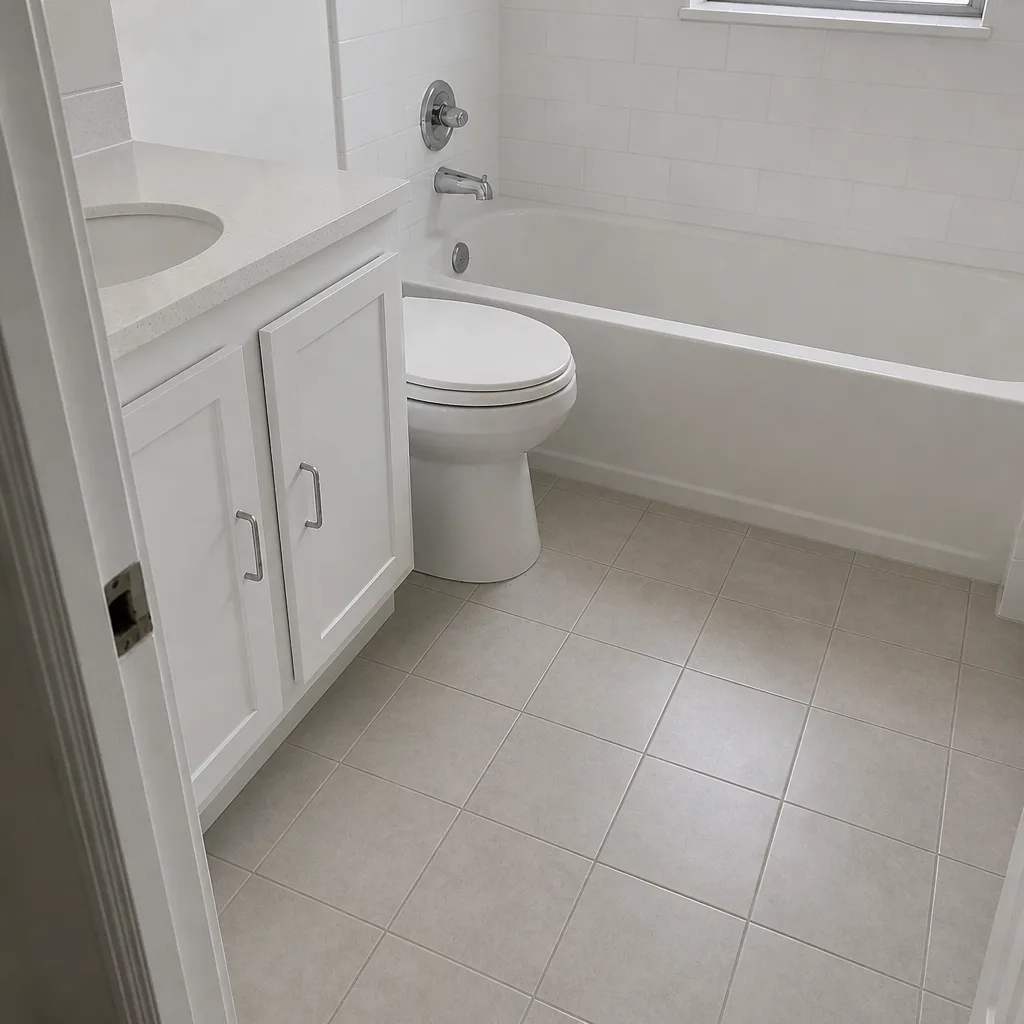
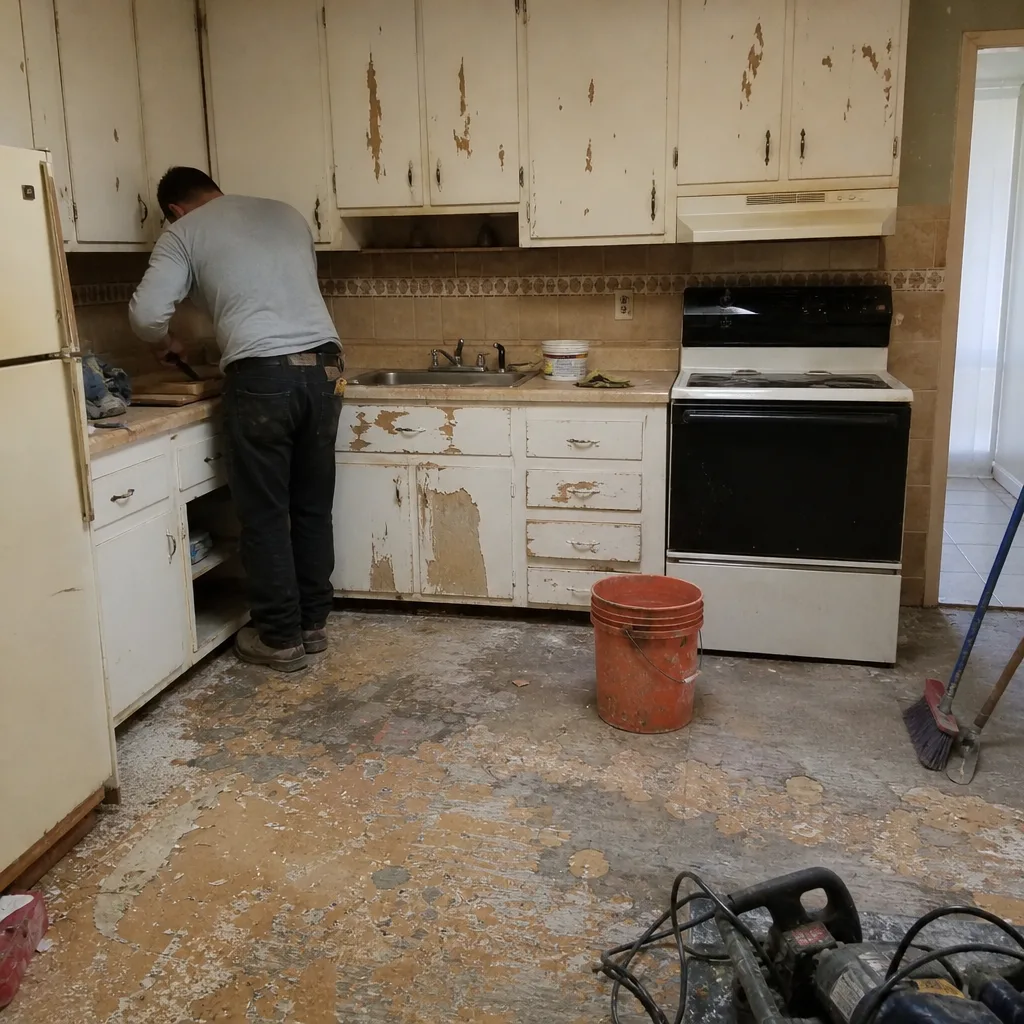
See the difference
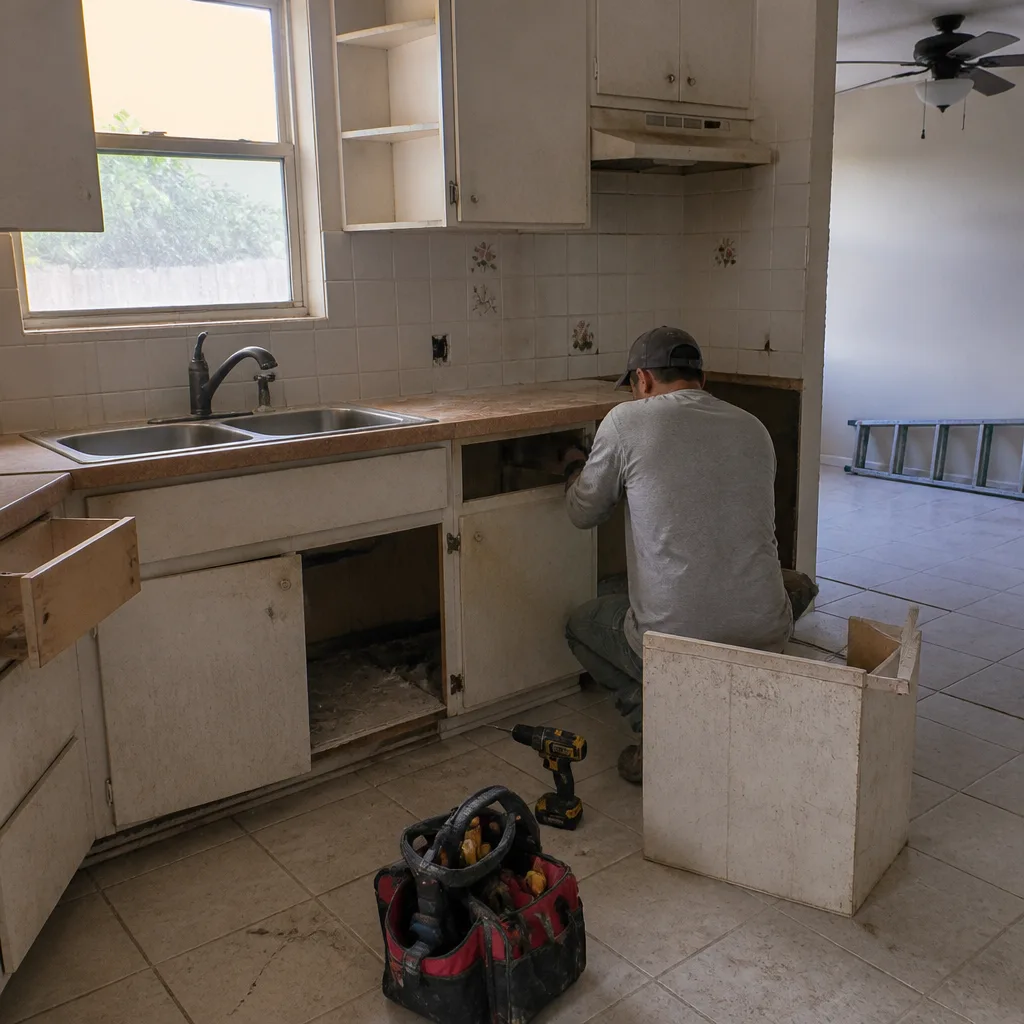 Before
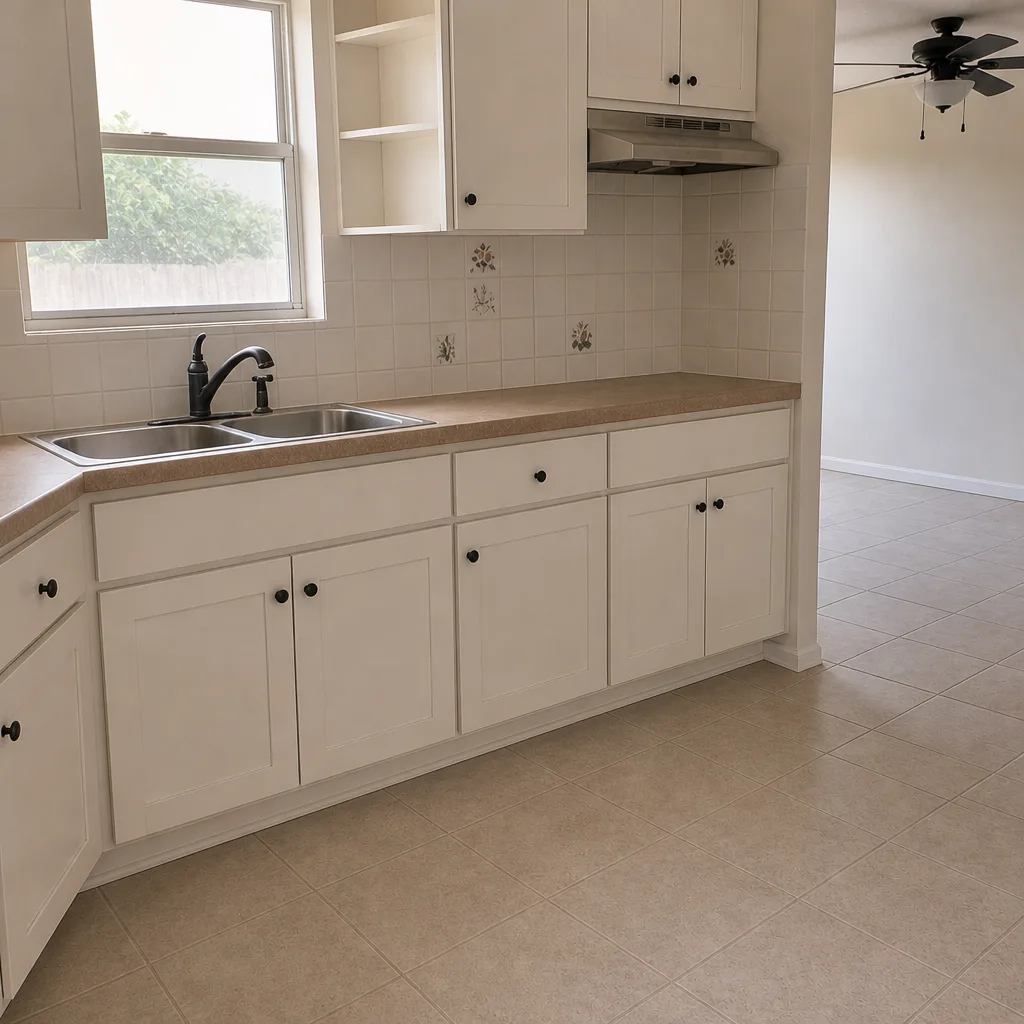 After
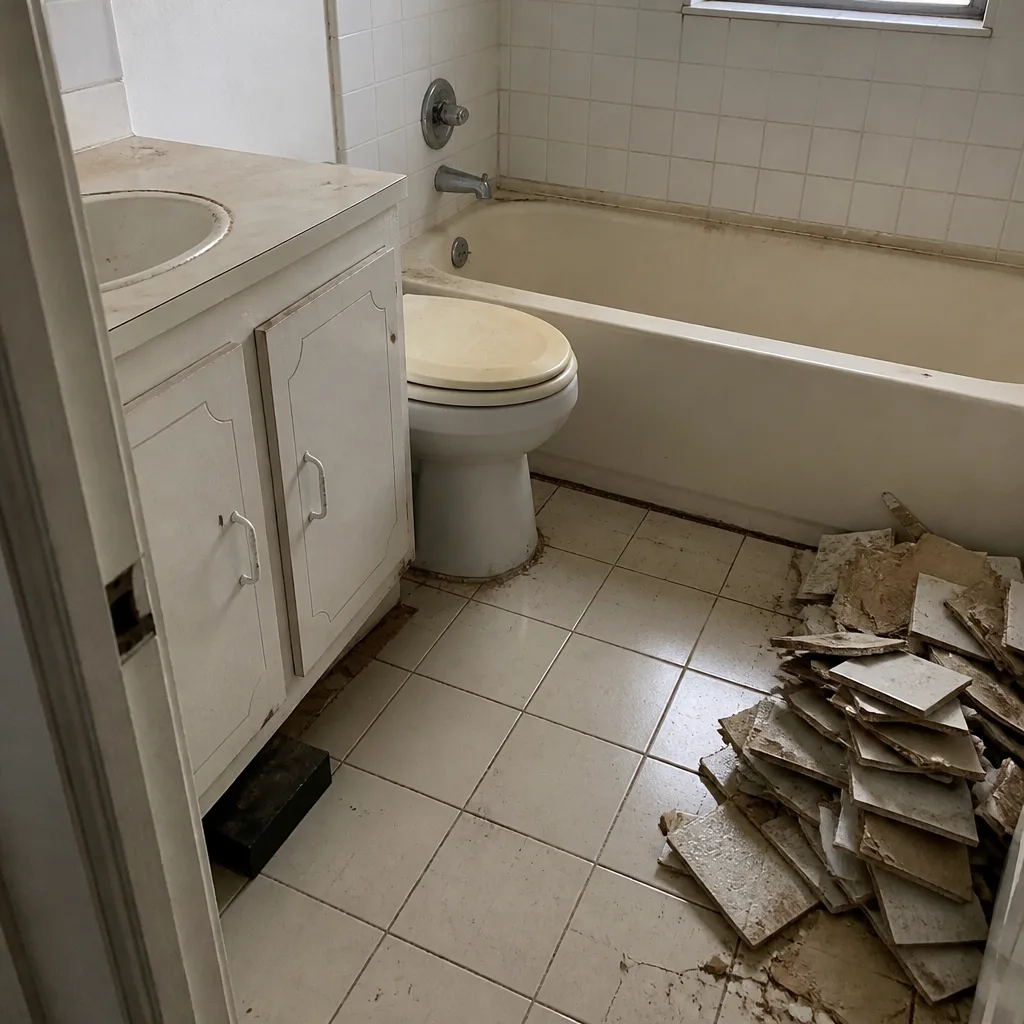 Before
 After
 Before
 After
When to Call a Professional
Call a professional the moment a project stalls, a contractor goes quiet, or a lien shows up on your property. Getting a second set of eyes on a documented file early saves months of fighting later. Specific scenarios that warrant a call: a contractor who stopped showing up with work unfinished; a lien filed by a subcontractor you never hired; a permit that’s going to expire before the next inspection; or a stalled remodel you need to recover with a written scope and a guarantee behind it.
Bradford Remodeling Co Cutler Bay offers free estimates in Cutler Bay. Our technicians have up to 22 years of experience, we work from a documented roster of premium brands (KraftMaid, Wellborn, Cambria, Kohler, GAF, James Hardie, Therma-Tru, among others), and every project gets a written price before work starts and a full-year 365-Day Done Right Promise at close. Call (833) 620-5491 for a free estimate, and a live person will answer.
Frequently Asked Questions

Send a written cure notice that lists each unfinished scope item, states a deadline, and is delivered with proof of receipt. Don’t stop payment or change the locks before that notice is sent, because the written deadline is what protects your position under Florida law. If the contractor still doesn’t respond, the cure notice becomes your paper trail for termination and, if needed, a licensing board complaint.
Yes. Under Florida’s Construction Lien Law, a subcontractor or supplier who was never paid by the general contractor can file a lien on your property regardless of the fact that you paid the GC in full. That’s why you collect a conditional or unconditional release of lien from every sub and supplier before you release final payment, and why you ask for a contractor’s final affidavit confirming all parties have been paid.
Use timestamped photos, tie each one to a specific spec line item, and include a one-line written description using the trade term. Pair a wide shot with a close-up, and keep a site-visit log alongside the photos. The file that holds up is specific and dated, not a set of pictures with comments like “looks wrong.”
Contact the building department when a required inspection is overdue, when work has been covered without inspection, or when a permit has expired and the contractor won’t address it. The permit follows your address, so the county will talk to you directly. Call with the permit number and ask for the current inspection status, then get the answer in writing if you can.
It depends on the type. A change order dispute (where a written change exists and the argument is about whether the work matched it) usually resolves with a demand letter and a written reconciliation. A scope dispute (where the contract itself is ambiguous about what was included) is the one that typically needs a mediator or a licensing board complaint. Read your contract’s dispute clause before you choose.
Pick a contractor who puts the full scope and price in writing before any work starts, pulls permits and passes inspections, provides background-checked technicians, and gives you a written guarantee with a defined coverage period. Ask for lien releases and a final affidavit at close, and confirm the guarantee terms before you sign. Call (833) 620-5491 for a free estimate and compare the written scope side by side with your original contract.
The Bottom Line
Most contractor disputes are contracts that never defined “done.” When a project stalls or a lien appears, the fix is disciplined paperwork, not shouting. Send a written cure notice that names each item and sets a deadline. Collect conditional and unconditional lien releases from every sub before you release final payment. Document defects with timestamped photos tied to spec line items, so the DBPR, the building department, and a mediator all have something to act on. And when you hire the next contractor, demand a written price, a written scope, and a guarantee with a defined coverage period. In Cutler Bay, that paper trail is the difference between a dispute you win and a dispute you lose by default. Call (833) 620-5491 for a free estimate.
Written by the team at Bradford Remodeling Co Cutler Bay.