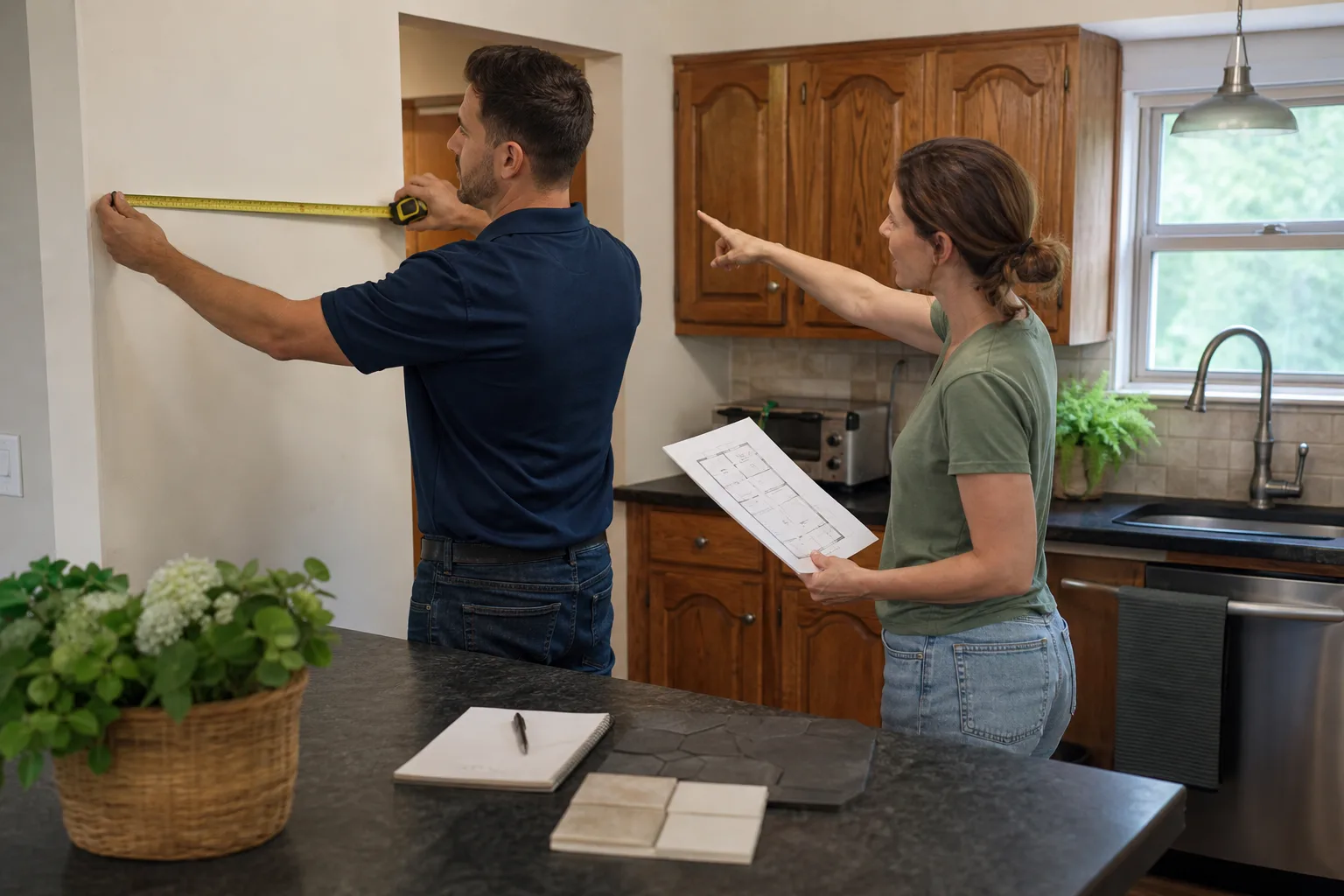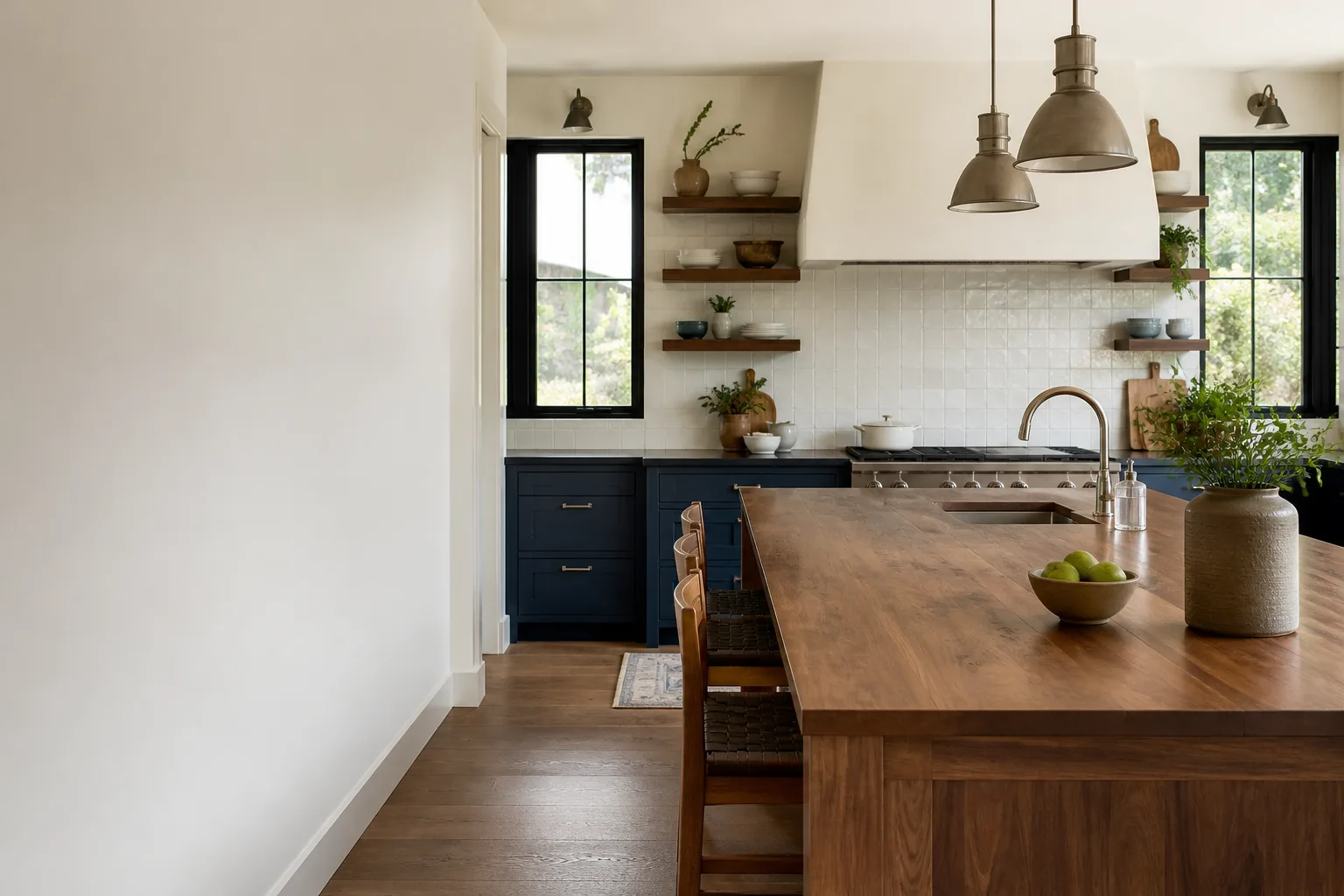
Free written scope consultation - allowances, timeline, and change-order rules on paper before a single trade is scheduled
Styles & brands we work with
- Kitchen remodeling
- Bathroom remodeling
- Home additions & ADU
- Roofing
- Windows & doors
- Driveway & pavers
- Fence
See the difference
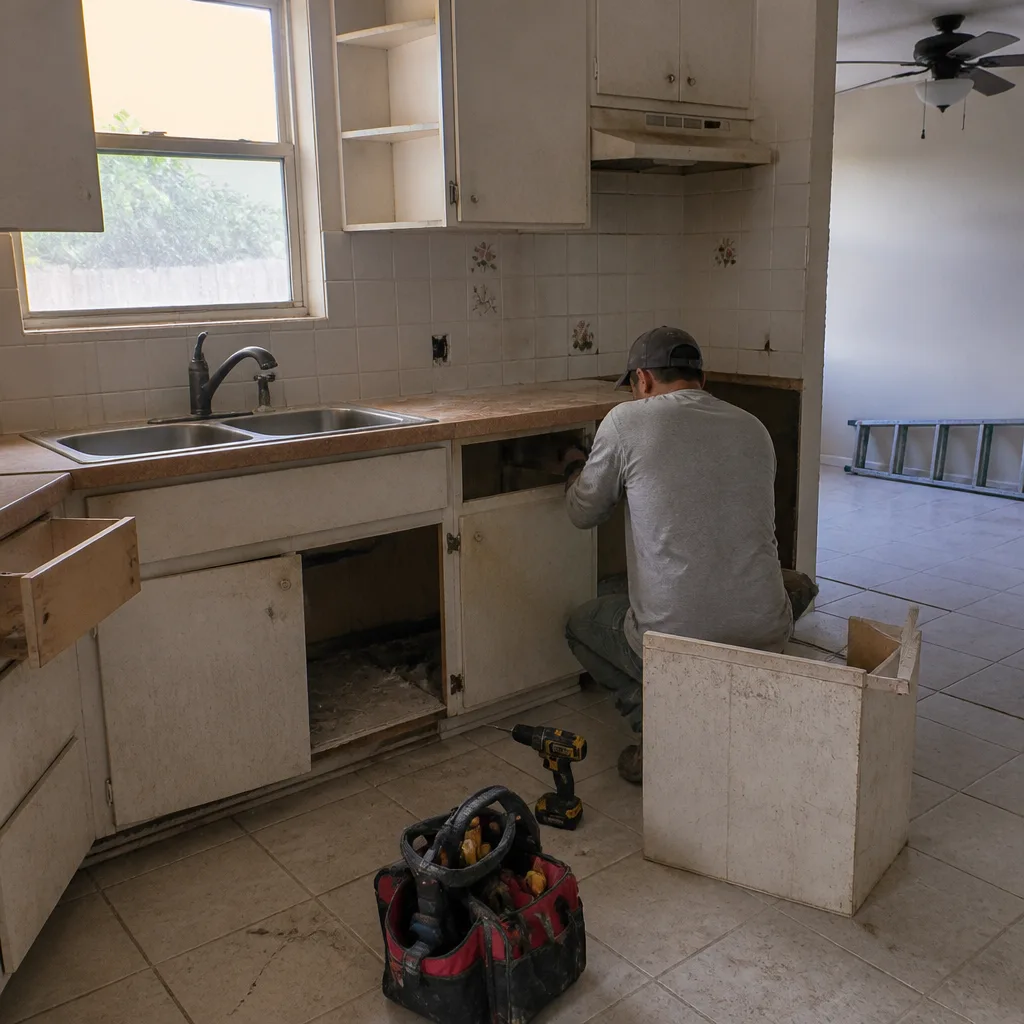 Before
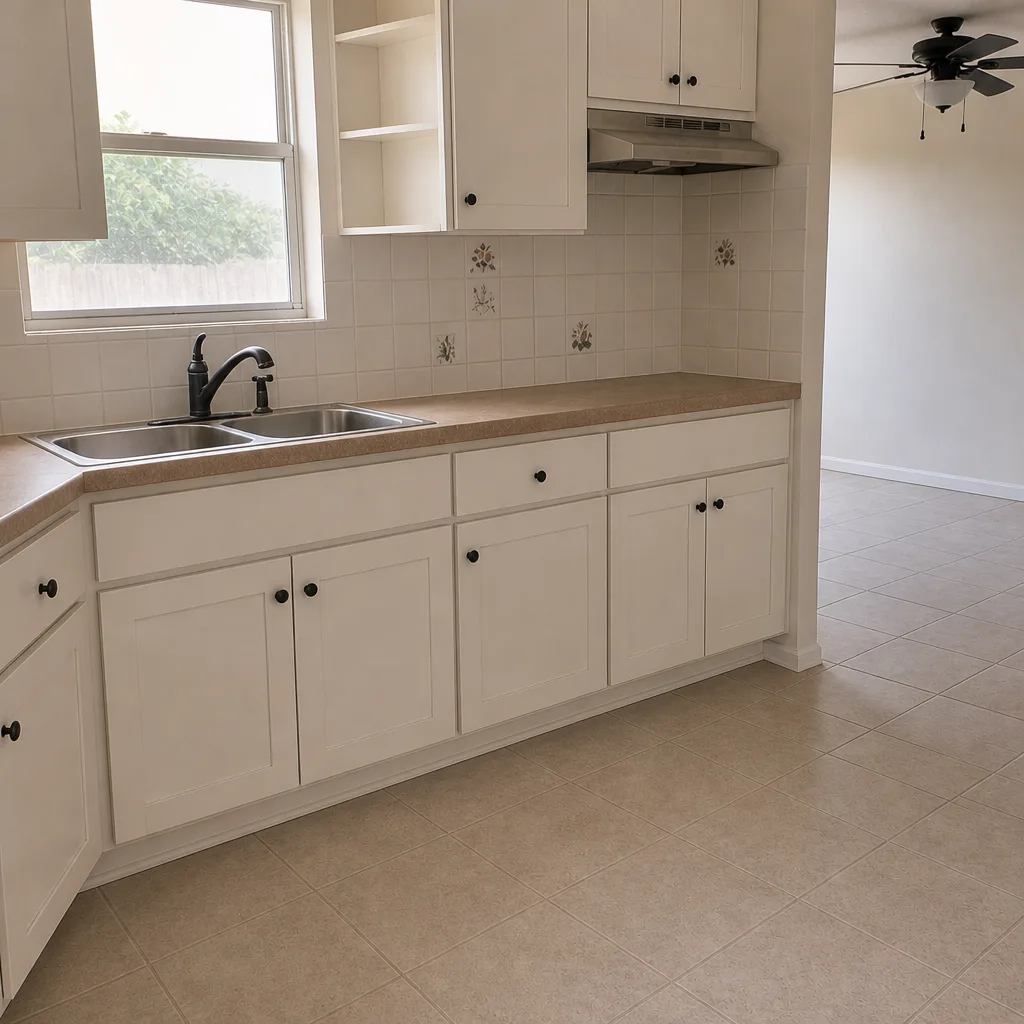 After
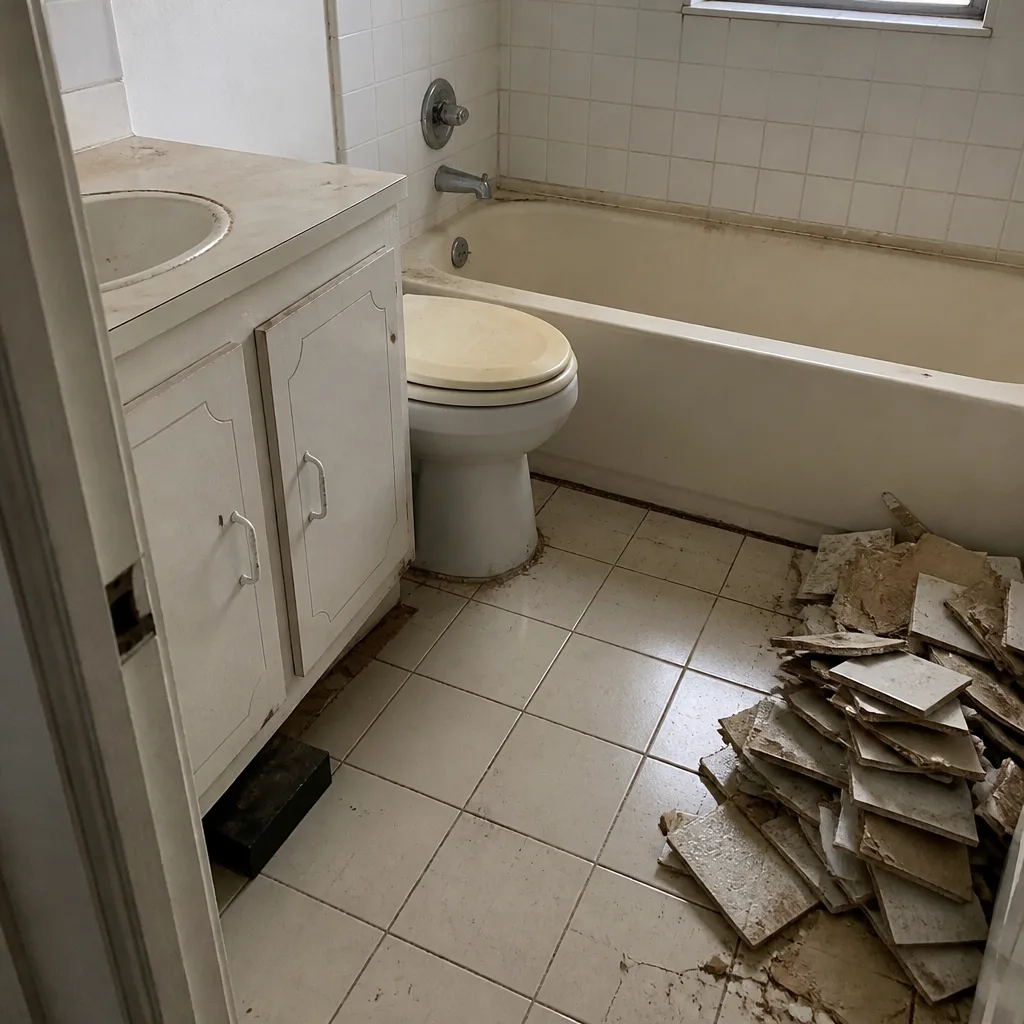 Before
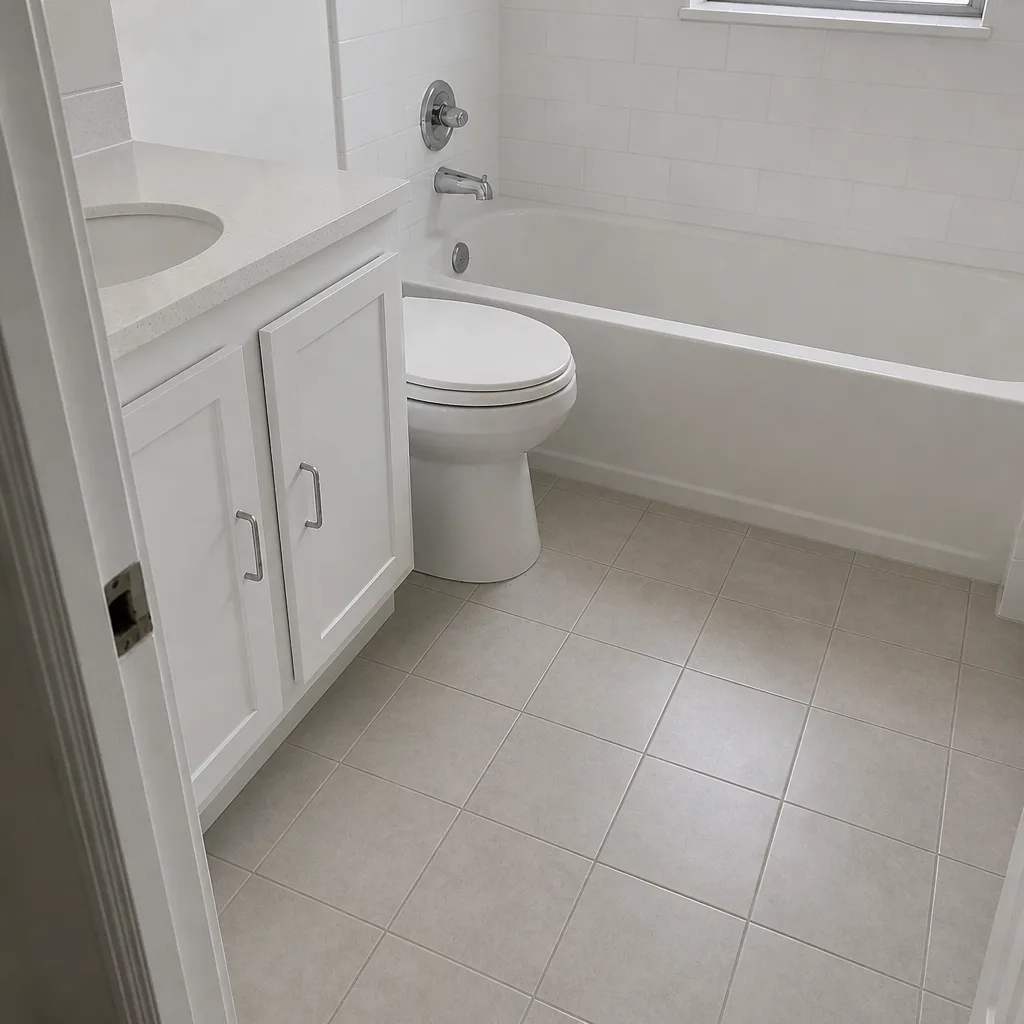 After
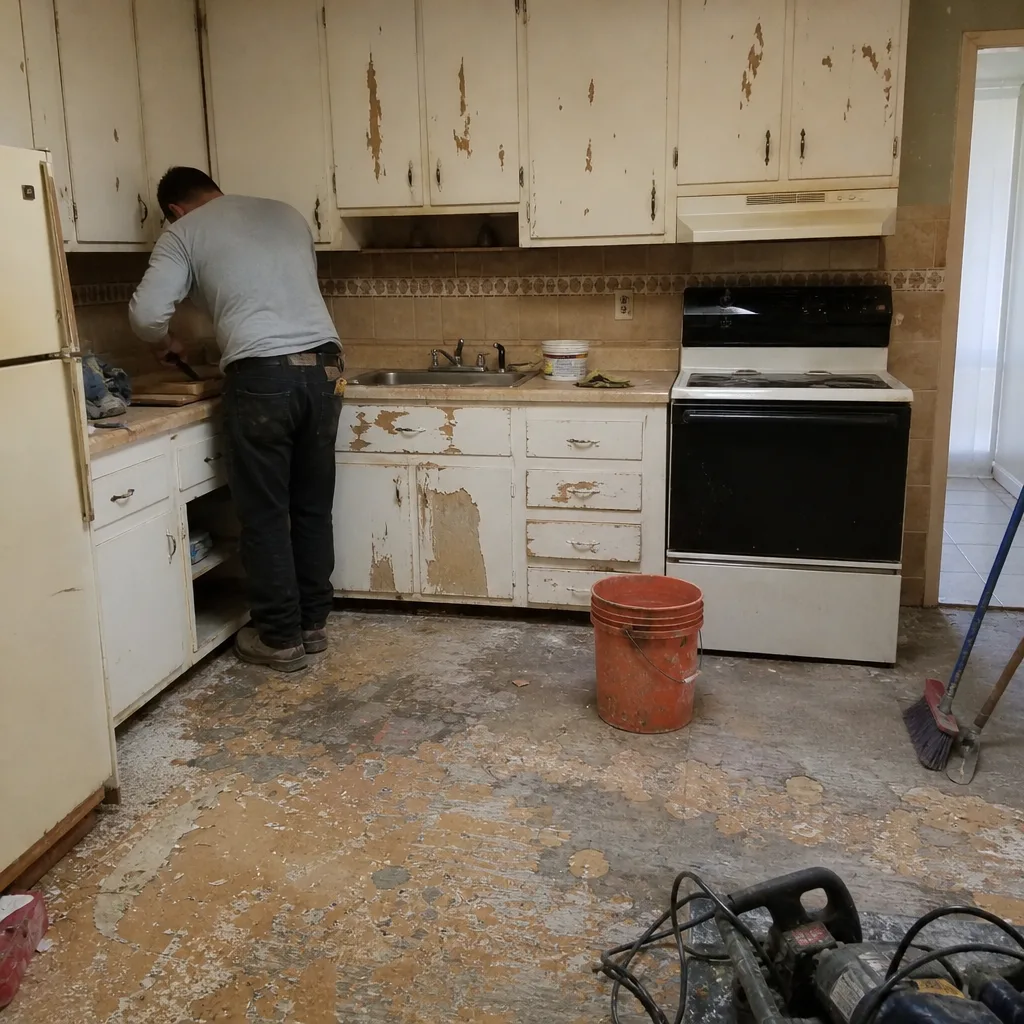 Before
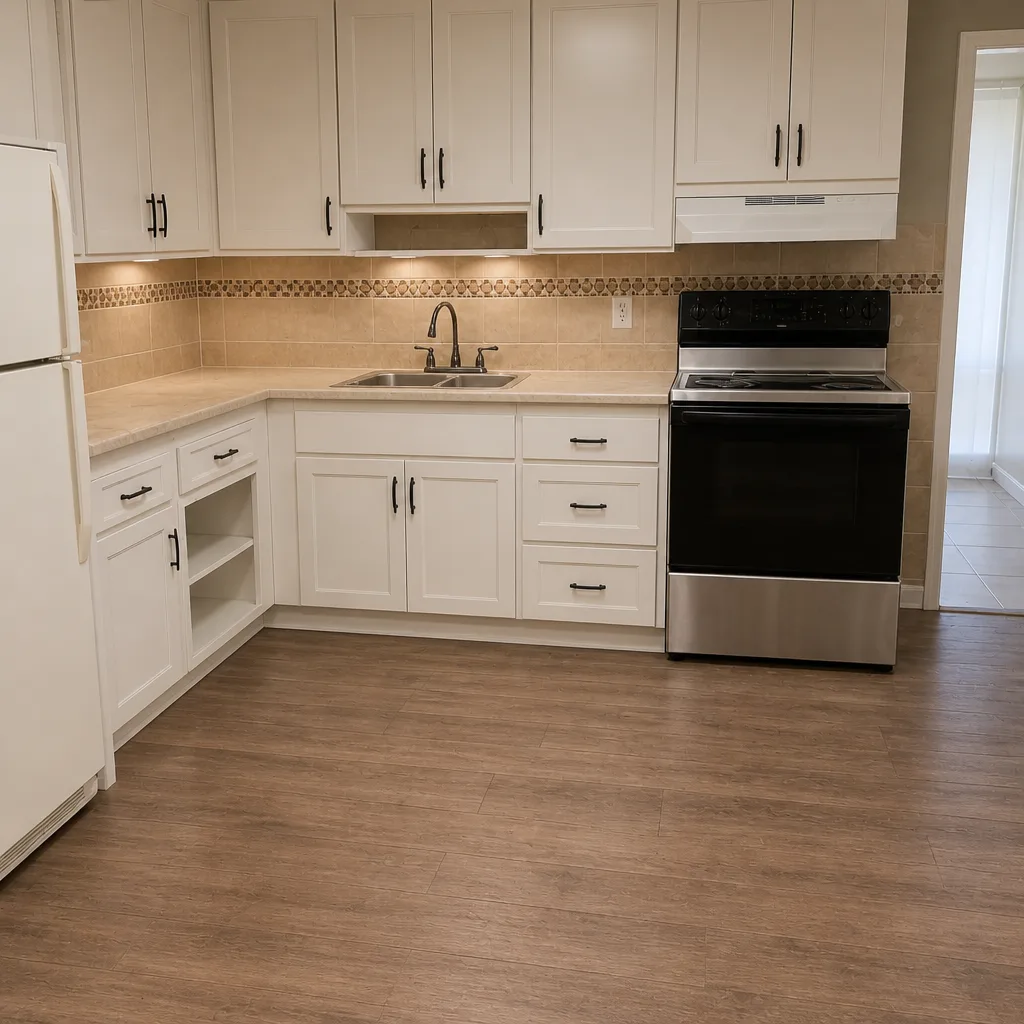 After
Quartz vs Granite in Cutler Bay, FL: Which Countertop Holds Up on the Bay
Choose quartz unless you want natural stone enough to reseal it twice a year and accept a little more maintenance risk. That’s the short answer for most Cutler Bay kitchens. Engineered quartz from Cambria or Caesarstone is non-porous by manufacture, so our humid, salt-laden air doesn’t get inside the slab. Granite can be gorgeous, but its natural porosity becomes a genuine liability in a house where indoor humidity rarely drops below 70% and the Bay is a couple of miles east. If you’re planning a kitchen and want a straight answer before you commit, call (833) 620-5491 and we’ll walk your actual space.
Key Takeaways
- Quartz is engineered non-porous (roughly 93% quartz bound in polymer resin); granite is natural stone with porosity from about 0.2% to over 1% depending on the slab.
- Granite handles direct heat better; quartz can discolor above about 300°F at a point contact. A $12 trivet solves that, resealing twice a year is the bigger commitment.
- In South Florida, the moisture and salt question matters more than the heat question.
- Expect a full Cutler Bay kitchen remodel at $14,000 to $45,000; countertop installation runs $2,000 to $6,500 on its own.
Why the Quartz vs Granite Debate Changes on a Coastal Lot
Most comparisons stop at “quartz is low-maintenance, granite is natural.” That’s fine in a dry inland kitchen. Here it misses the point.
Cutler Bay is coastal South Florida. Salt air, sustained humidity, and a June-November storm season with king-tide and surge flooding on the low-lying bayfront blocks near Black Point and Saga Bay all push moisture through a home in ways a generic article never accounts for. Your countertop sits in that environment all day, every day. That’s why the material science matters more here than the showroom finish.
Engineered quartz is non-porous by manufacture: about 93% ground quartz bound in polymer resin, pressed and cured into a slab with no capillaries for water or airborne salt to enter. Granite is a natural stone cut from the earth, and its porosity ranges from roughly 0.2% to over 1% depending on the slab. A tight, dense granite can perform well. A more open one will absorb. You don’t fully know which you’re getting unless the source does the testing, and no amount of annual sealing permanently closes the stone.
What Actually Fails in South Florida Kitchens
We’ve seen the same two failure modes repeat in this climate, and neither shows up in the average comparison chart.
- Grout-line mold around the perimeter. That unsealed caulk bead where granite meets the backsplash or wall is where moisture quietly collects. In a kitchen that runs above 70% indoor humidity most of the year, that seam is the first place mold colonizes. It’s a maintenance issue you can manage, but you have to know it’s there.
- Efflorescence and iron oxide staining on certain granite varieties. Repeated exposure to salt-humid air pulls mineral salts to the surface (efflorescence) and can lift rust-colored iron oxide stains on granites that carry iron-bearing minerals. It’s not a defect in the stone; it’s the environment doing what it does to natural stone over time.
Quartz doesn’t carry those failure modes. There’s no capillary structure to colonize and no mineral content to leach. For a bayfront lot that sees storm-season moisture, that isn’t a preference, it’s a durability argument.
The Heat Argument, Answered Honestly
Granite does handle direct heat better than quartz. Set a hot pan straight off the burner on quartz and you can scorch or discolor it above roughly 300°F at the point of contact.
That’s a real difference, and we won’t pretend otherwise. But a trivet or a $12 cooling rack eliminates the risk entirely. Meanwhile, resealing granite every one to two years in a South Florida kitchen is a recurring commitment most homeowners underestimate. One is a five-second habit; the other is a calendar item you have to keep. For most Cutler Bay households, the tradeoff favors quartz.
What Gets Written in the Scope Matters as Much as the Material
Here’s where granite and quartz jobs quietly go wrong: the spec sheet says “quartz, to be determined.” That tells you nothing. You don’t know the slab, the color code, or which manufacturer’s warranty backs it, and by the time the slab arrives you’re committed.
Bradford Remodeling Co Cutler Bay specifies the exact product line and color code in the written scope before a tool comes out. Cambria or Caesarstone, named to the slab, with the manufacturer warranty traceable to that specific product and backed by our own written guarantee. It’s the same discipline we apply across a full Kitchen Remodeling project, and it’s part of how we hold to The Garrison Standard.
Every completed project also carries the 365-Day Done Right Promise: if the work doesn’t hold within a full year, we come back and correct it at no charge. Written price up front, background-checked, uniformed technicians on the job, and a live person on the phone 24/7 when you call.
Countertop Costs in Cutler Bay
Real numbers, so you can plan. These are the ranges we work with for Cutler Bay kitchens:
| Work | Typical Range |
|---|---|
| Countertop installation (quartz or granite) | $2,000-$6,500 |
| Backsplash installation | $800-$2,500 |
| Kitchen island installation | $3,000-$10,000 |
| Cabinet installation | $4,000-$13,000 |
| Full kitchen remodel | $14,000-$45,000 |
| Small kitchen remodel | $9,000-$20,000 |
Quartz generally lands a bit above mid-grade granite on materials but saves you the resealing labor over the life of the kitchen. If countertops are part of a full rework, the whole scope moves together – kitchen remodeling in Cutler Bay runs $14,000 to $45,000, and smaller jobs $9,000 to $20,000. We put your exact written price together before any work starts, and it doesn’t move at the door.
The Insurance Angle Most Homeowners Miss
Some Cutler Bay kitchen remodels aren’t purely cosmetic. They’re tied to insurance renewals and inspections, or they’re part of a water-damage repair after a storm or a slow leak. In that context, the countertop choice stops being a style decision.
A non-porous quartz surface is a defensible documentation point for an insurance adjuster reviewing a repair scope: it resists moisture, it doesn’t host mold in its structure, and the spec is traceable to a named product. Granite requires sealing and seam maintenance to make a similar case, and even then the porosity is still there. If your remodel is being driven by insurance, quartz is the easier material to write up and stand behind. Much of Cutler Bay’s housing is 1980s-2000s subdivision construction on former farmland and pine rockland, so these repairs often fold into a larger renovation anyway, and the post-Andrew High-Velocity Hurricane Zone code shapes product and permitting decisions across the job.
How to Decide: A Quick Framework
- Choose quartz if you want a non-porous surface you don’t have to reseal, you’re near the Bay, or your remodel ties to an insurance claim you need to document.
- Consider granite if genuine natural stone is the whole point for you and you’ll actually keep up the sealing and seam maintenance in this climate.
- In either case, insist the slab is named by product line and color code in writing, and that the manufacturer warranty is traceable to it.
FAQs
Quartz is the better default in Cutler Bay because its non-porous structure stands up to sustained humidity, salt air, and storm-season moisture without resealing. Granite works if you love natural stone and keep up with the maintenance, but the climate tilts the practical answer toward quartz. Call (833) 620-5491 for a free, no-pressure estimate on your exact space.
Countertop installation in Cutler Bay runs $2,000 to $6,500, with quartz slightly higher on material and granite adding resealing labor over time. A full kitchen remodel runs $14,000 to $45,000. Call (833) 620-5491 for an exact written price – estimates are free.
Yes. In this climate, granite typically needs resealing every one to two years, plus attention to the caulk seams where moisture and mold collect. Quartz doesn’t need resealing. Call (833) 620-5491 and we’ll tell you honestly which material fits your kitchen and budget.
We can line up a no-pressure assessment quickly, and a live person answers the phone 24/7 – (833) 620-5491 – so you’re never routed to voicemail. We’ll put your written price together before any work begins.
If you’d rather have it looked at, Bradford Remodeling Co Cutler Bay offers a no-pressure assessment in Cutler Bay – call (833) 620-5491. We’ll bring the straight answer, the real numbers, and a written scope that names your exact slab.
Written by the team at Bradford Remodeling Co Cutler Bay, serving Cutler Bay, FL.