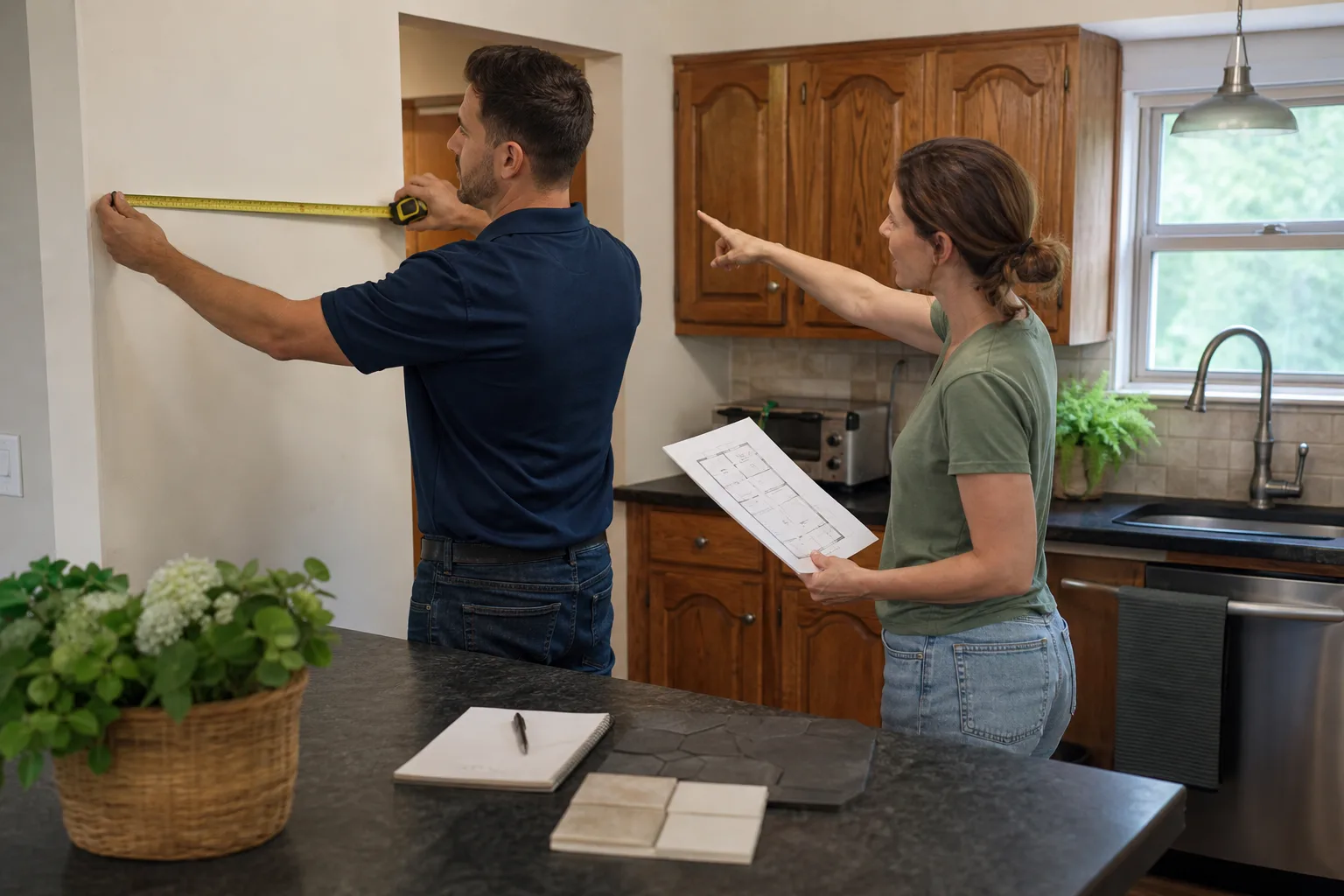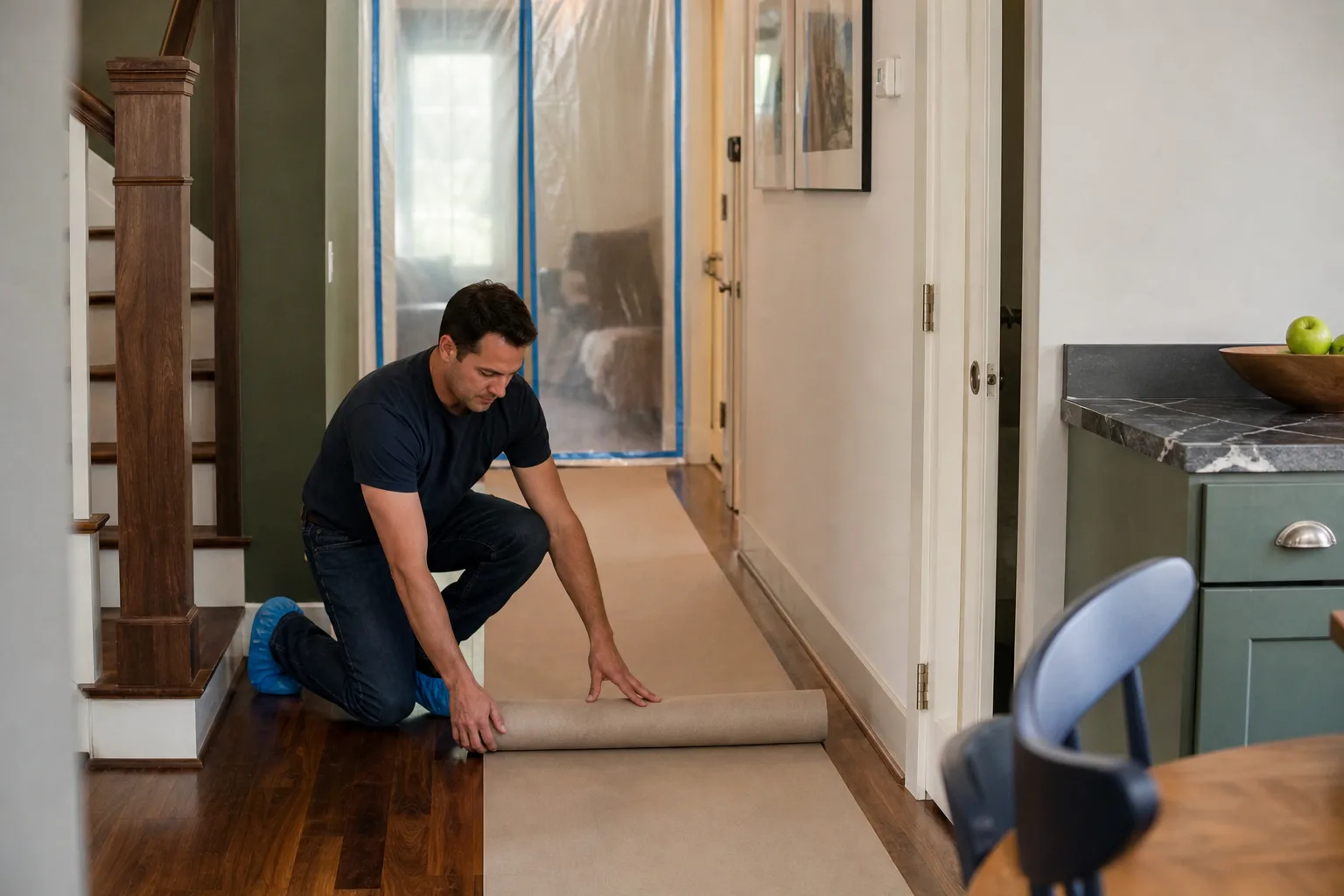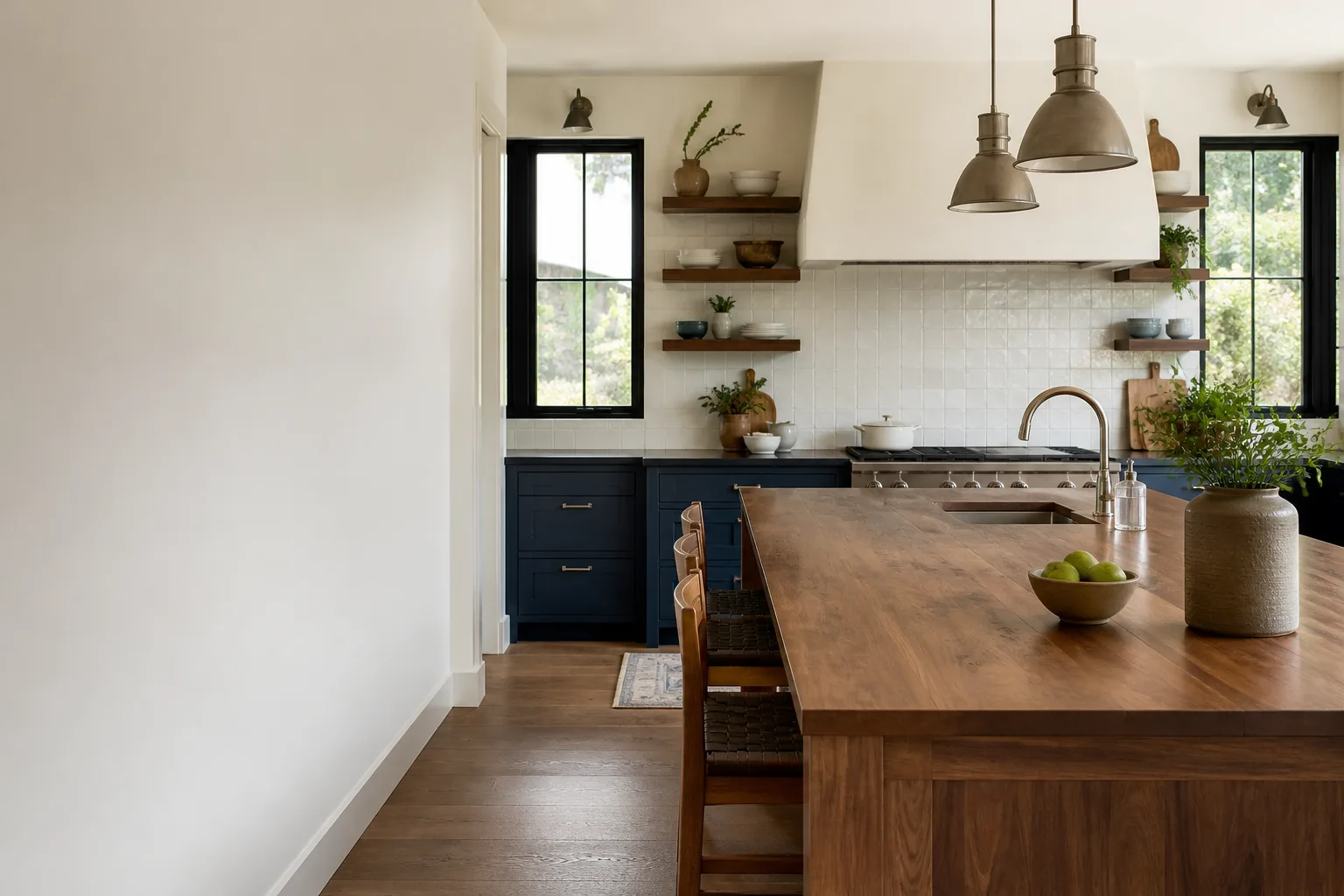


Free written scope consultation - allowances, timeline, and change-order rules on paper before a single trade is scheduled
Styles & brands we work with
- Kitchen remodeling
- Bathroom remodeling
- Home additions & ADU
- Roofing
- Windows & doors
- Driveway & pavers
- Fence
See the difference
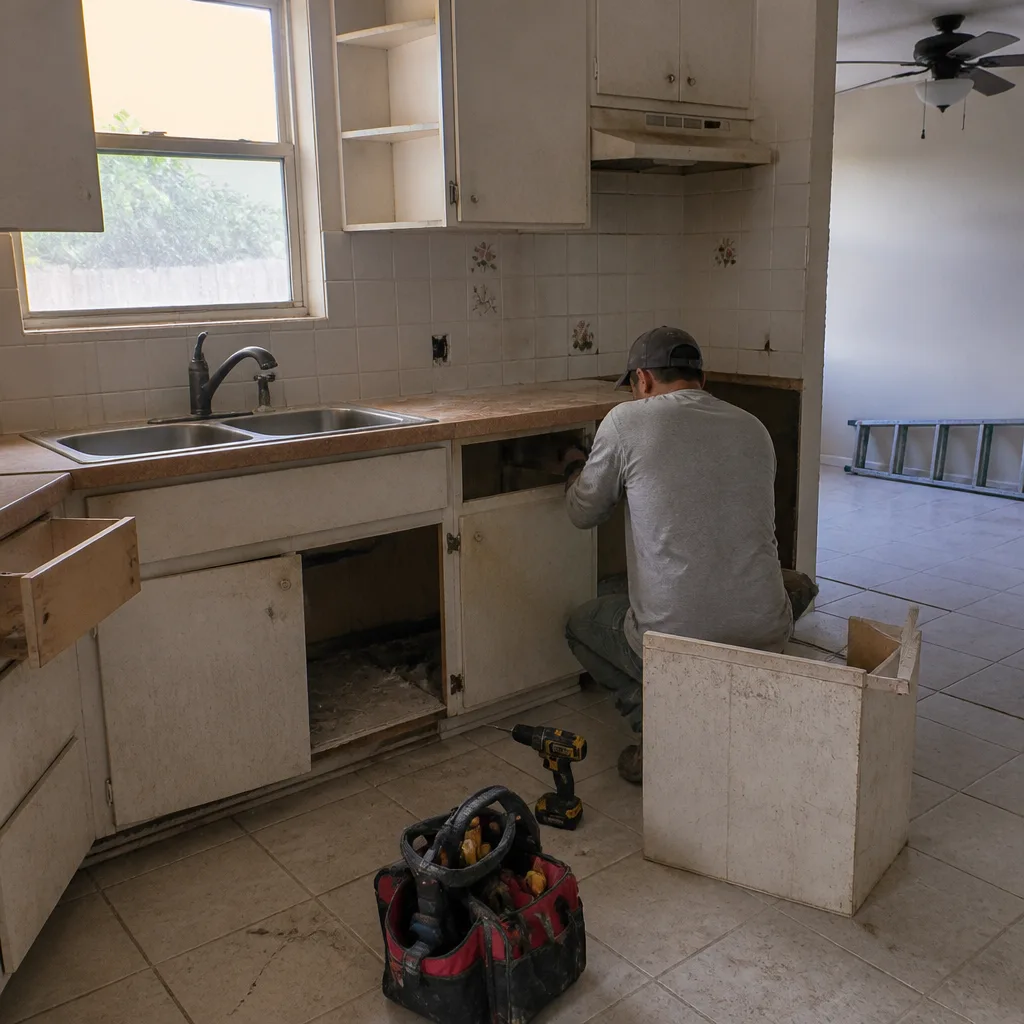 Before
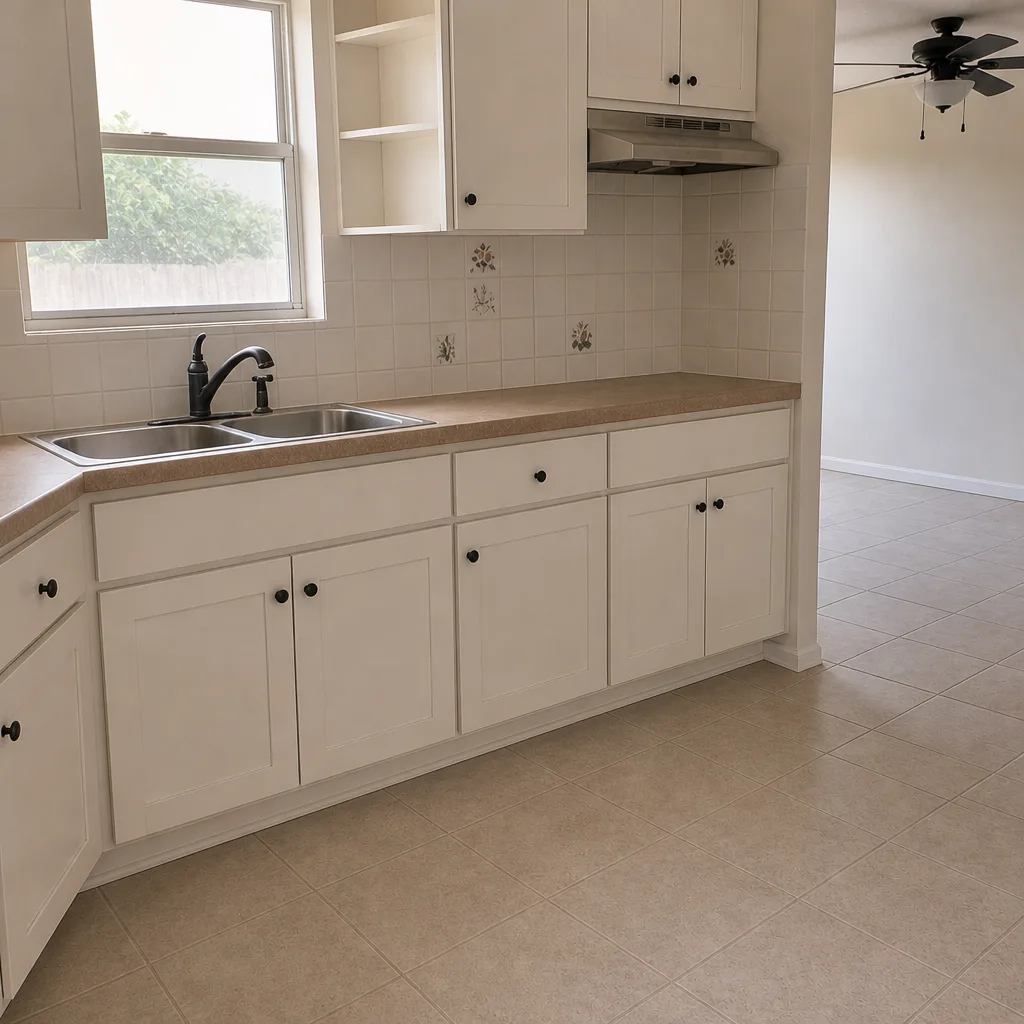 After
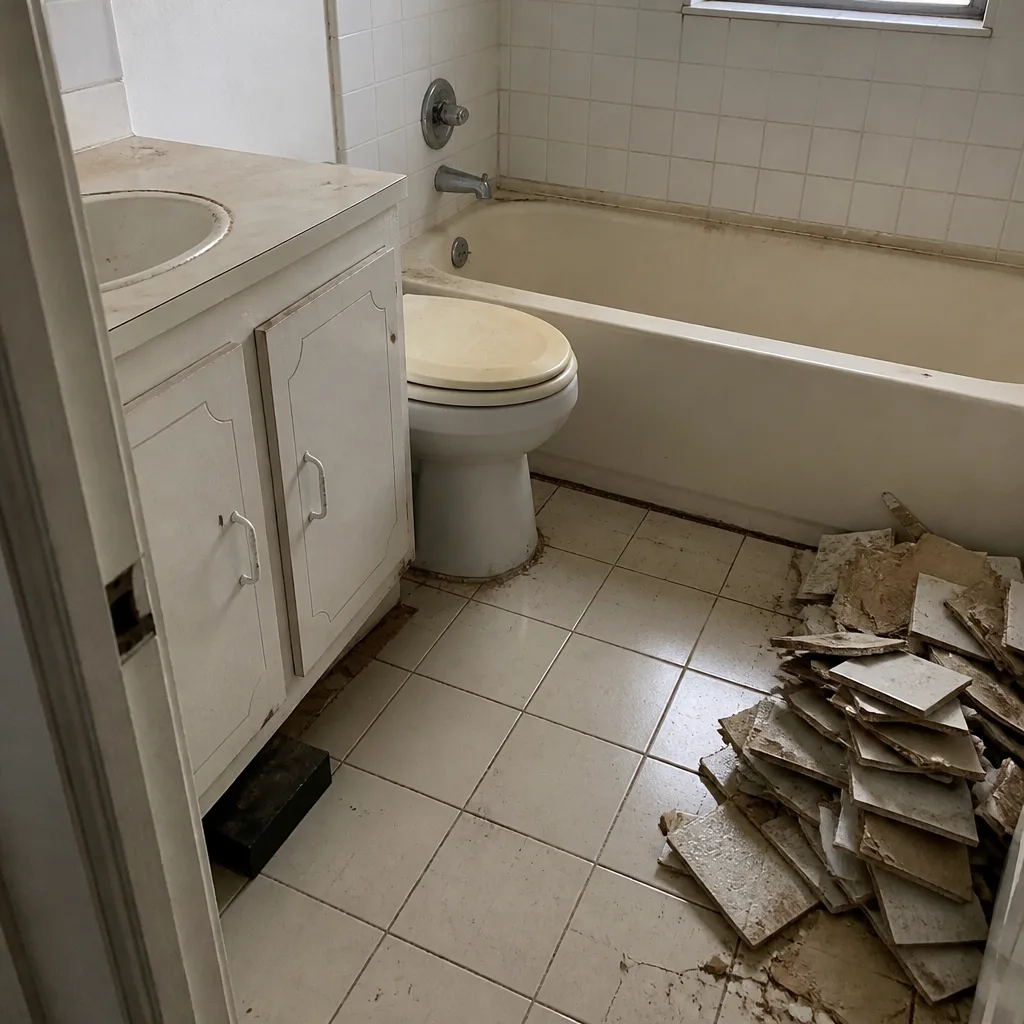 Before
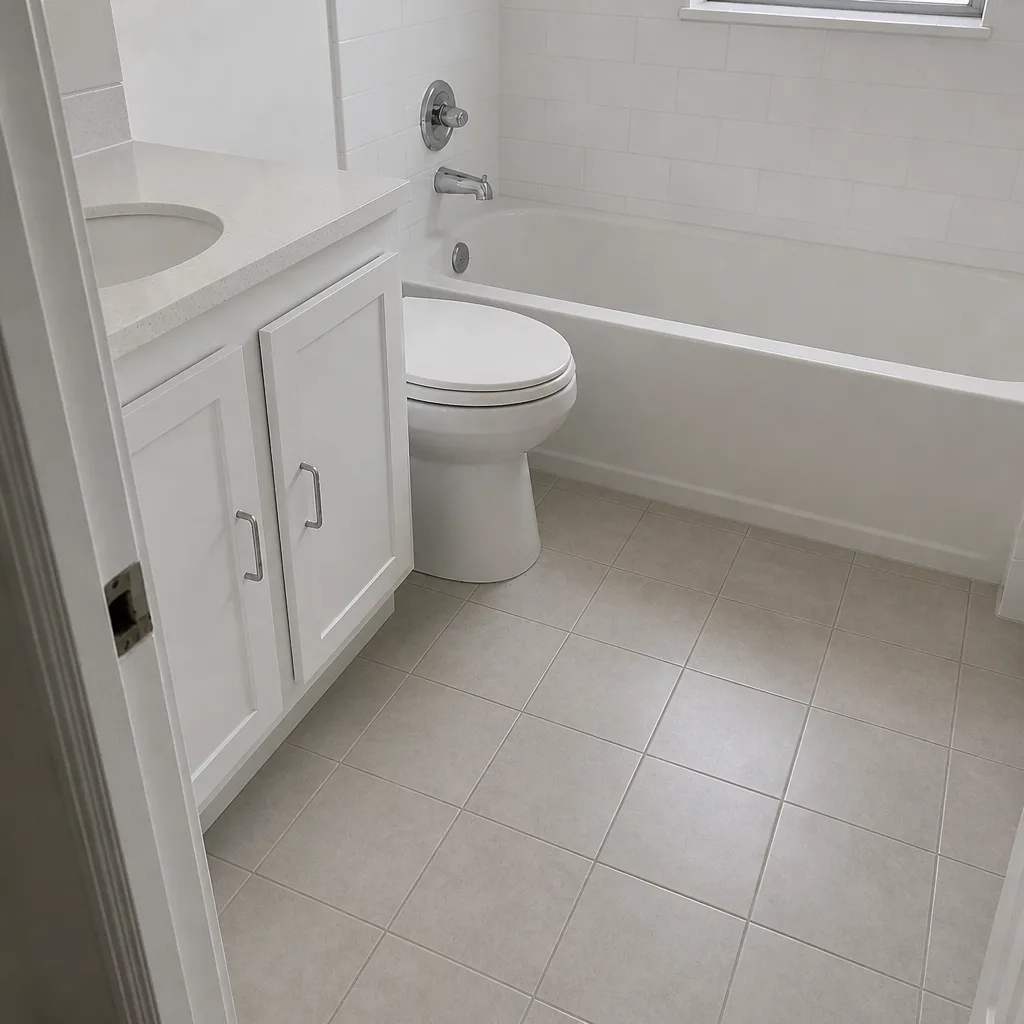 After
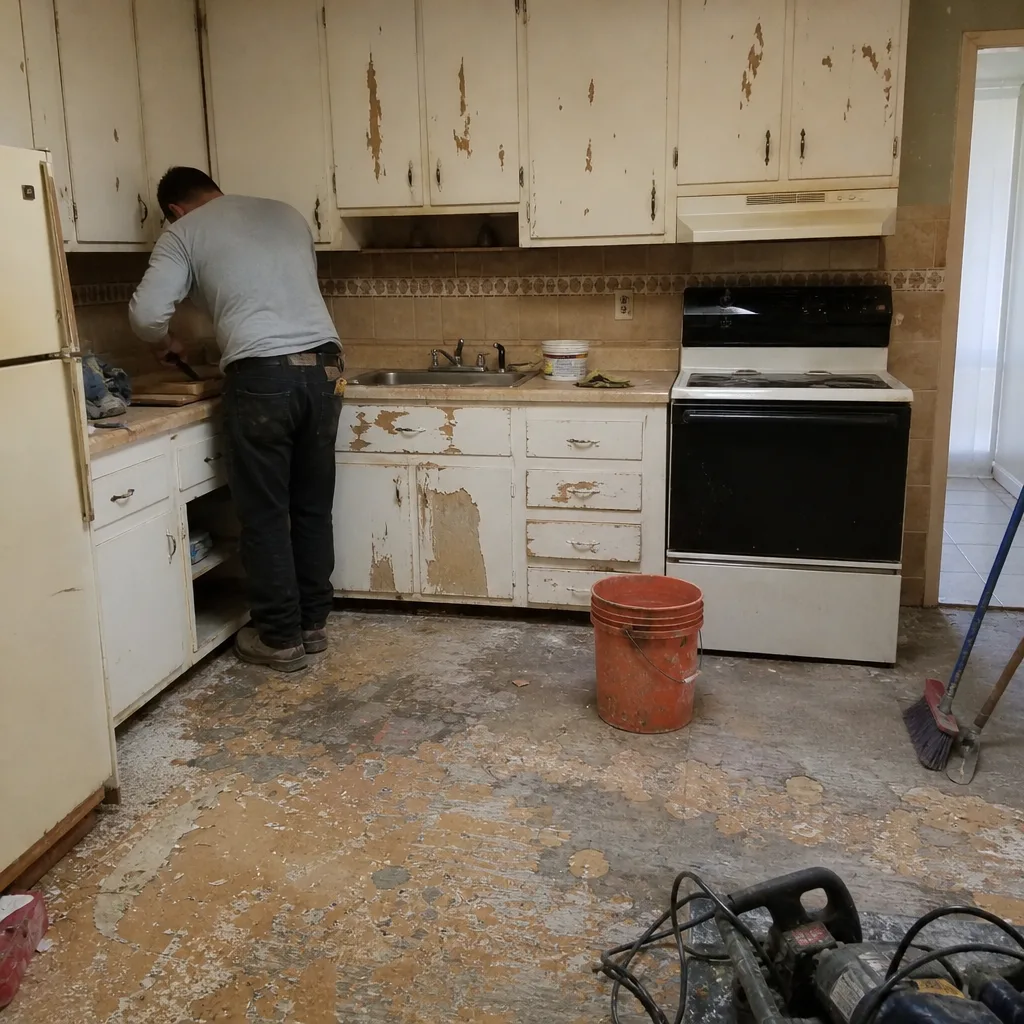 Before
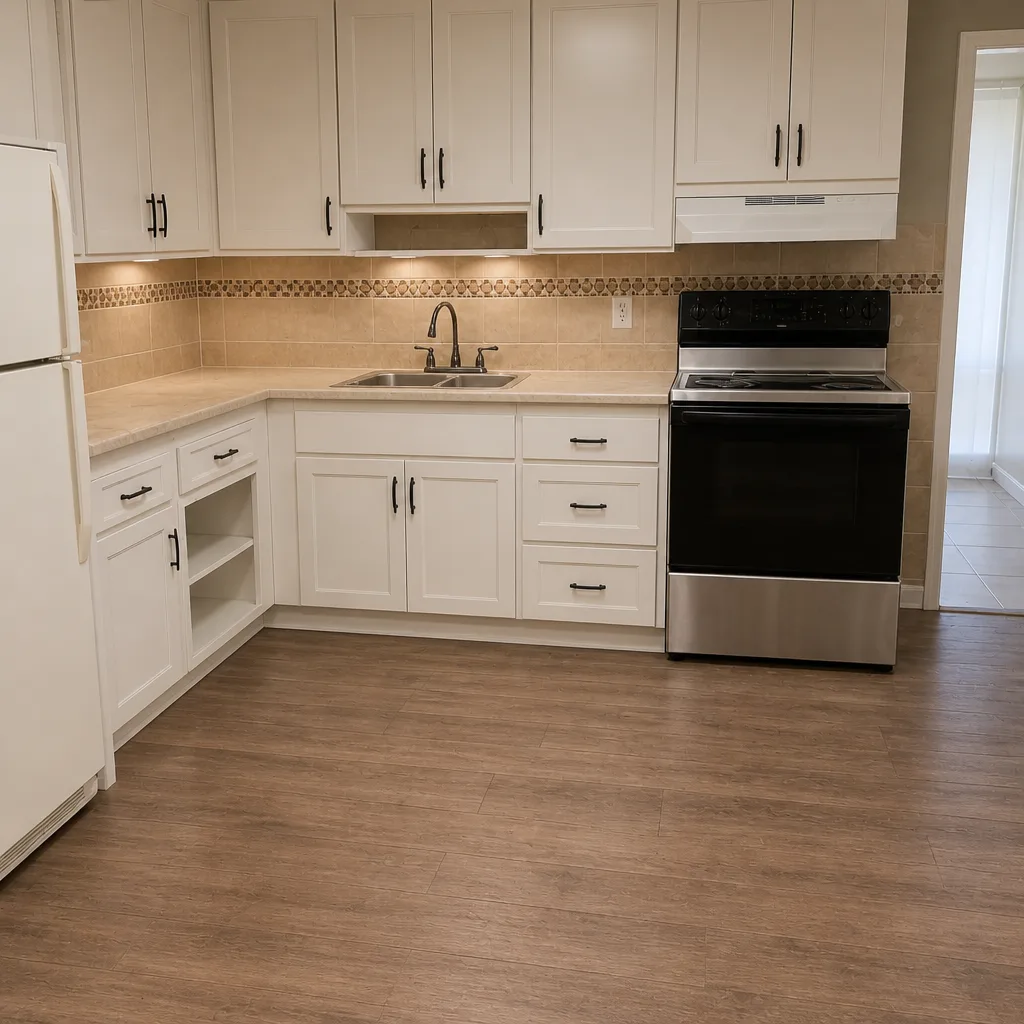 After
Tile vs Vinyl Plank Kitchen Flooring in Cutler Bay, FL: Which One Actually Holds Up on a Slab?
Choose tile unless your slab tests dry and you’re willing to specify a rigid SPC (stone-plastic composite) plank with the right vapor barrier underneath. Here in Cutler Bay, most kitchen floors sit on concrete slabs that push ground moisture up year-round, and that single fact decides the job more than any showroom sample. A kitchen remodel here runs $14,000-$45,000, and the flooring line is where we see the most callbacks when the substrate gets ignored. Call (833) 620-5491 and we’ll walk your slab before anyone quotes a product.
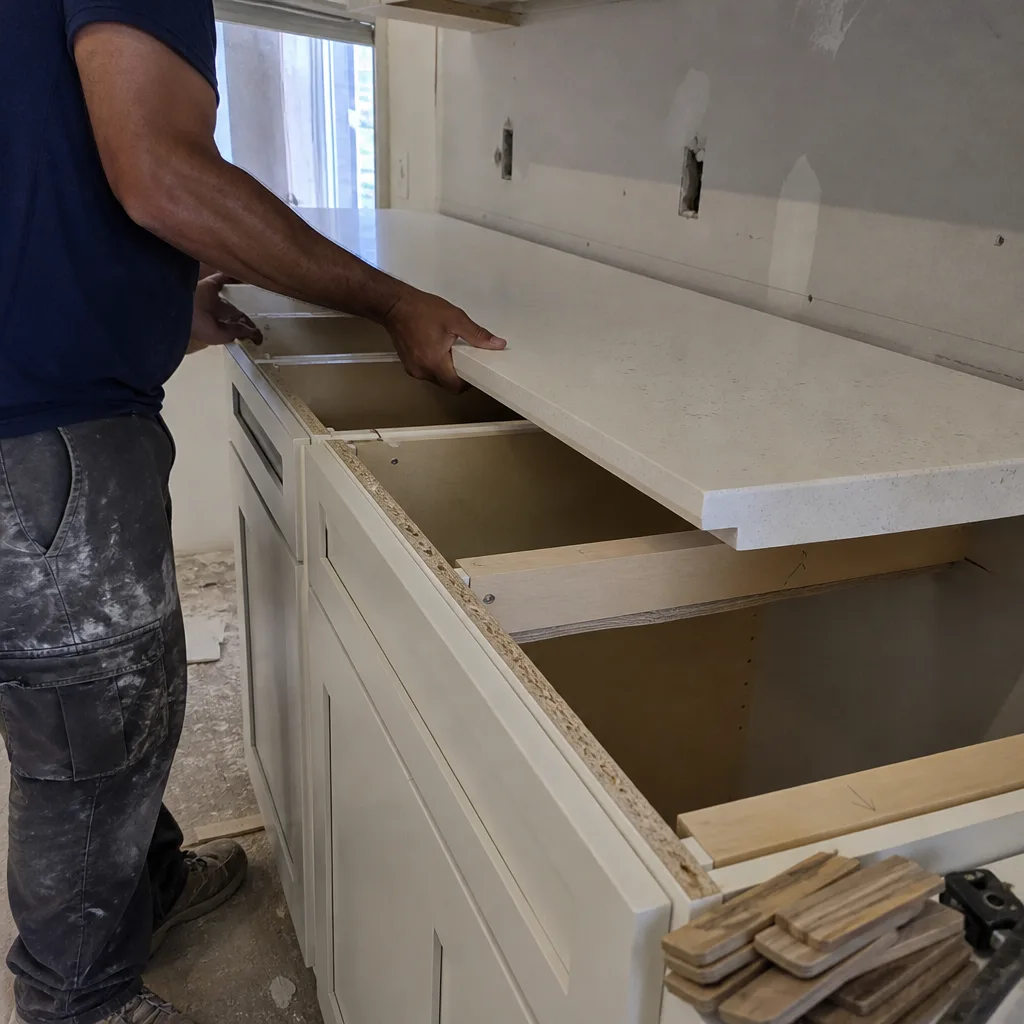
This isn’t a style argument. It’s a moisture, grout, and storm-surge argument, and it plays out differently on a Saga Bay slab than it does in a national trend piece written for a dry-climate house.
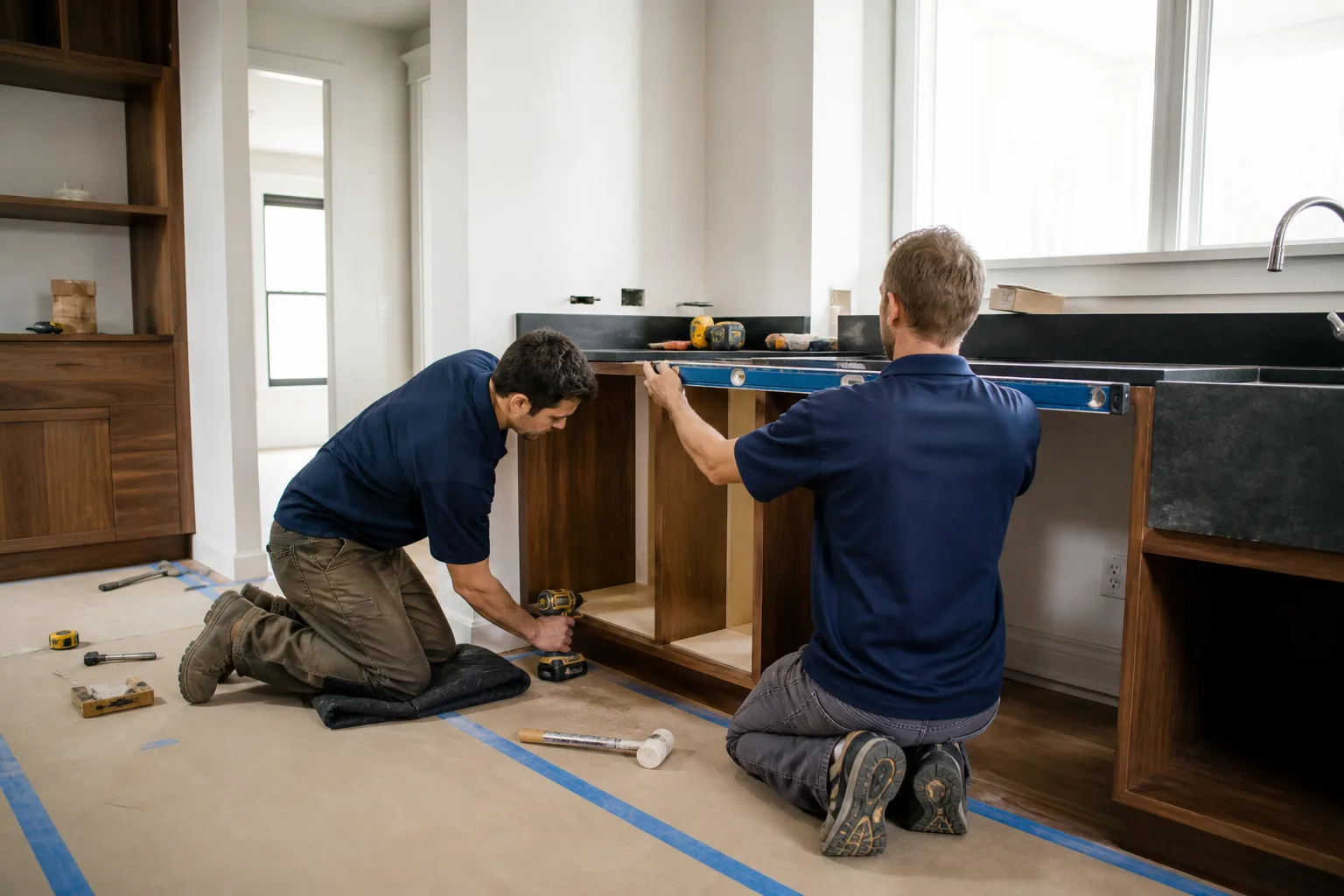
What’s Actually Happening Under Your Cutler Bay Kitchen Floor?
Cutler Bay was built out fast – incorporated in 2005 partly to control its own growth – and much of the housing west of US 1 is 1980s to 2000s subdivision and townhome construction on former farmland and pine rockland. That means most kitchen slabs in town are 20 to 40 years old. Concrete that age, in this humidity, moves moisture. It doesn’t feel wet. It doesn’t look wet. But it emits water vapor at a measurable rate, and that rate is the number that decides whether vinyl plank survives or fails.
The trade measures it as MVER – moisture vapor emission rate, expressed in pounds of water per 1,000 square feet per 24 hours. On 1980s-2000s South Florida slabs we routinely see readings high enough to disqualify a glue-down or floating plank unless a proper vapor barrier goes in first. Skip that step and the wrong underlayment traps the vapor. The plank cups, the seams lift, and by year two you’re pulling the whole floor. Tile doesn’t care about the same vapor the way a wood-core plank does – but it has its own maintenance bill, which is the other half of this decision.
Before we quote any kitchen floor, we want to know three things: the slab age, whether a vapor barrier already exists, and what the MVER reading looks like. That’s the diagnosis. The product choice comes after. It’s the same discipline we bring to every Kitchen Remodeling scope, and it’s the reason our written price names the exact material before a tool comes out.
Tile vs Vinyl Plank: The Honest Side-by-Side for a Humid Kitchen
Neither floor is “better” in the abstract. Each one wins under specific conditions, and in Cutler Bay those conditions are concrete and humid.
| Factor | Porcelain Tile | SPC Vinyl Plank |
|---|---|---|
| Slab moisture tolerance | High – grout and thinset tolerate vapor better | Requires tested slab + vapor barrier |
| Storm-surge / standing water | Survives if grout is sealed; dry out and move on | Water wicks under plank – full removal and re-lay |
| Grout maintenance | Real liability in salt air + HVAC condensation cycles | None – no joints to seal |
| Slab unevenness | Thinset bridges minor dips | SPC rigid core handles it; wood-core WPC telegraphs it |
| Underfoot in a hot kitchen | Cool, hard, unforgiving on a long cook | Warmer, softer, quieter |
| Typical installed cost (kitchen) | Higher material + grout labor | Lower material, but underlayment + prep adds back |
Here’s the recommendation in plain terms. If your slab tests wet – and on a 1990s Cutler Bay slab, test it before you assume – tile is the defensible choice. If the slab tests dry and you want the warmer, quieter floor, go SPC rigid-core plank, never wood-core. Wood-core (WPC) planks are the ones we pull out most often after two summers, because the core expands and the floor starts telegraphing every dip in the concrete.
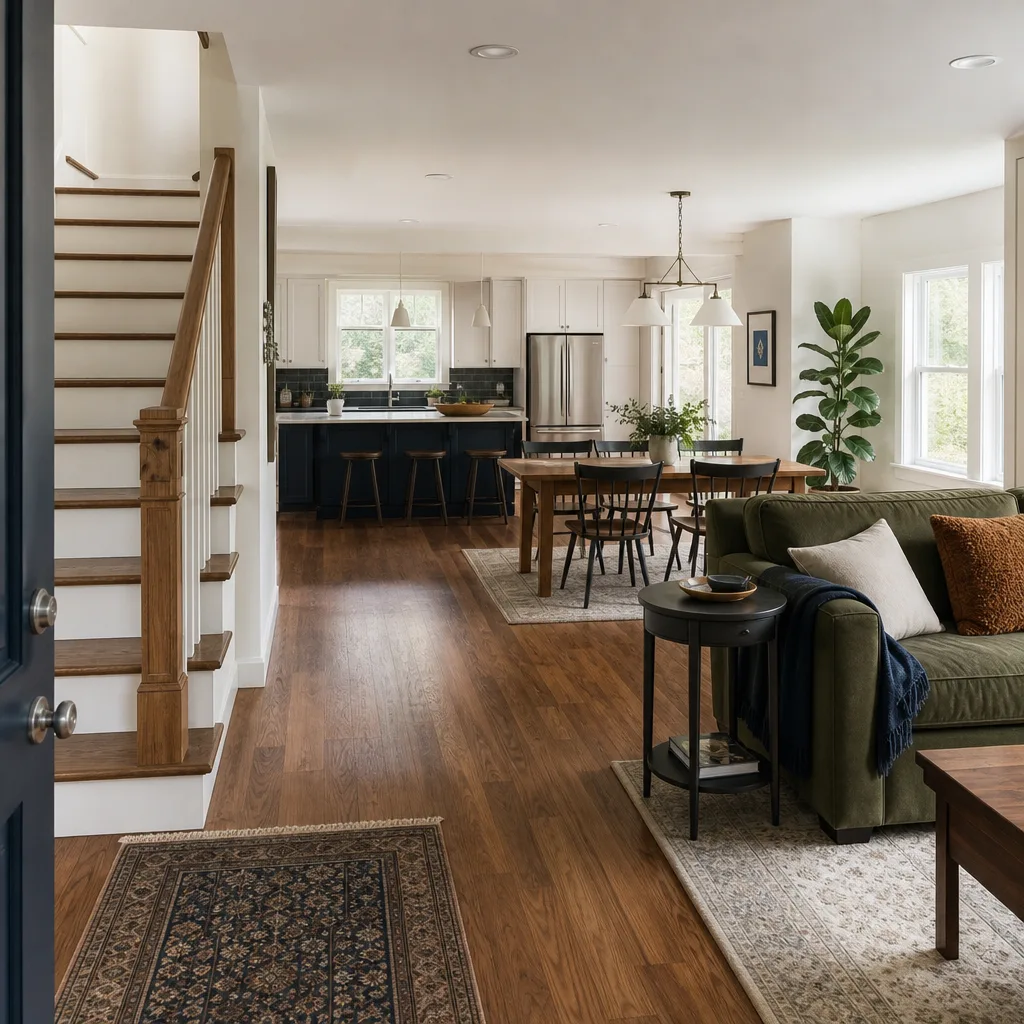
Grout Is a Maintenance Contract, Not a Detail
People pick tile for low maintenance and then get surprised by the grout. In a coastal kitchen, salt-laden air and the condensation cycles off a hard-working HVAC unit both attack cementitious grout, and wide sanded joints give that attack more surface to work on. This is a real cost line, not a footnote.
- Epoxy grout costs more up front – roughly double the material cost of sanded – but it resists staining and moisture far better. In a humid kitchen we lean this way on the floor.
- Sanded cement grout is cheaper and fine on walls, but on a kitchen floor near a bayfront block it needs resealing on a schedule, and that’s a recurring bill.
- Joint width matters – a tight 1/8-inch joint holds up better than a wide 3/8-inch joint, but large-format tile forces wider joints unless the slab is dead flat. On an older Cutler Bay slab, “dead flat” is often not what we find.
We spec the grout type and joint width into the written scope so there’s no surprise later. You’ll know whether you’re getting epoxy or sanded before the first bag comes off the pallet.
How Storm Water and Insurance Deadlines Change the Math
Neither floor affects your wind-mitigation score – that’s a roof, window, and door conversation, and Cutler Bay homeowners are already deep in that one because 1980s-90s roofs and single-pane windows are hitting end-of-life right as carriers demand four-point inspections. But water intrusion events hit these two floors very differently, and that’s worth knowing before you commit.
Tile survives standing water if the grout is sealed. A king-tide surge or a burst supply line floods the room, you pull the wet contents, dry it out, and the floor is still there. Vinyl plank is the opposite: water wicks under the floating floor, sits against the slab, and the only real fix is full removal and re-lay. On low-lying blocks near Black Point and Saga Bay, that’s not a hypothetical – it’s a scenario worth pricing into the decision.
What “Specified” Means in a Bradford Remodeling Co Cutler Bay Flooring Scope
Most flooring quotes you’ll collect say “tile” or “luxury vinyl plank.” That’s a category, not a product. When Bradford Remodeling Co Cutler Bay writes a flooring scope for a Cutler Bay kitchen, it names the manufacturer, the product line, the thickness or wear layer, and the install method – plus the vapor barrier and prep, because that’s where the failures live. Our technicians have up to 22 years of experience, and every completed project carries the 365-Day Done Right Promise: a written guarantee, honored for a full year, and if the work fails inside that window we come back and correct it at no charge.
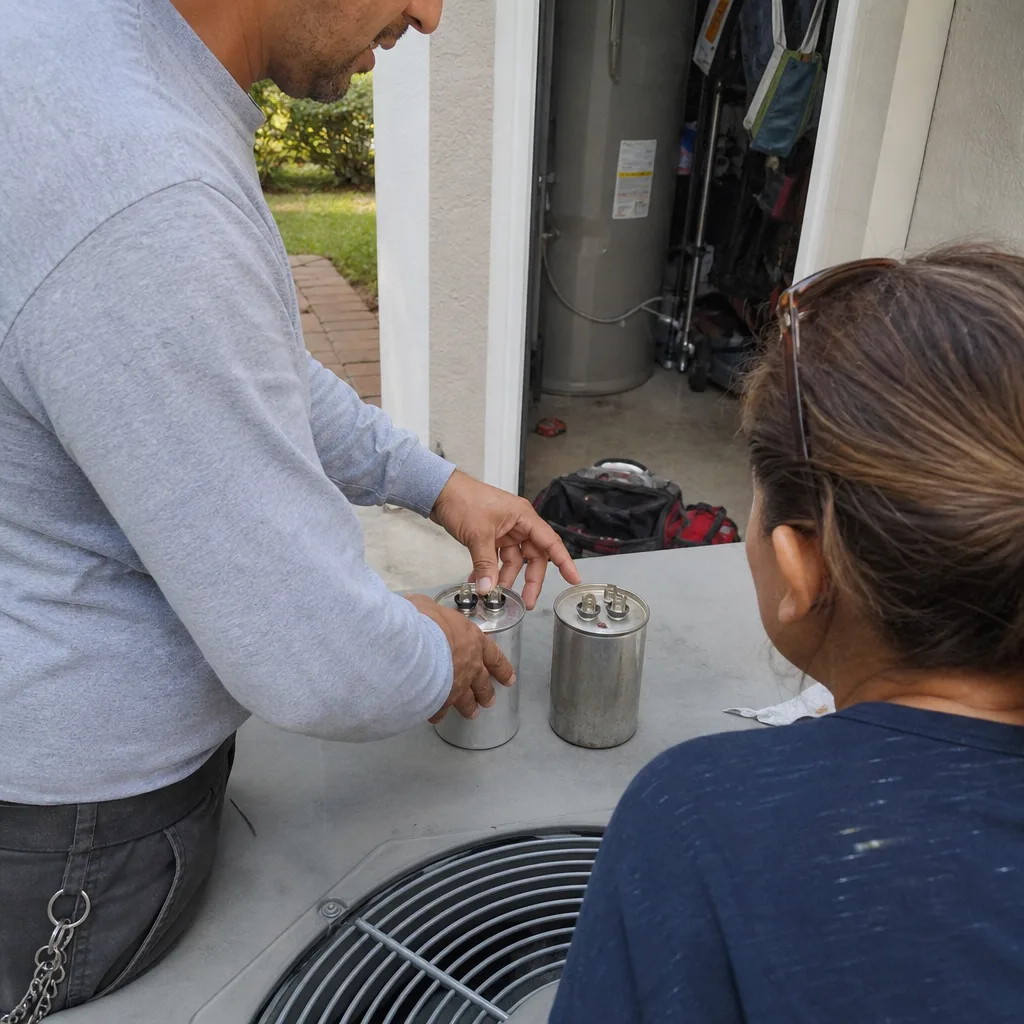
We work with a documented roster of name-brand materials – Sakrete and Quikrete underlayment and leveling products, for instance, so the substrate work is traceable rather than whatever’s on the shelf. A live person answers the phone 24/7, not a voicemail. Background-checked, uniformed technicians show up on every job, so you know who’s walking through your door. And the whole thing runs on The Garrison Standard: a written price before any work starts, every time, with numbers that don’t move at the door.
If the kitchen remodel is part of a bigger scope, that same discipline carries into Kitchen Remodeling in Cutler Bay, where the flooring decision ties directly to cabinet layout and countertop height.
Common Cutler Bay Scenarios (and What We Usually Recommend)
A 1990s townhome off Old Cutler Road, original slab, no vapor barrier. Test the MVER first. If it reads high, tile with epoxy grout. If it reads dry, SPC plank over a proper barrier.
A Saga Bay kitchen that flooded during a storm. Tile, sealed grout, so the next event is a mop-up instead of a re-lay. We’ve seen what water does under a plank floor and it isn’t worth re-buying the floor after every surge.
A busy family kitchen where the cook is on their feet all day. SPC plank if the slab allows – it’s warmer and quieter. Tile wins on durability but loses on comfort, and pretending otherwise doesn’t help you.
A flip or rental where cost is the driver. SPC plank is usually the lower installed number – as long as the slab tests dry and the underlayment is right. Skip the test and you’re paying twice.
FAQs
Tile is the safer choice on a Cutler Bay concrete slab because it tolerates slab moisture and survives storm-surge flooding if the grout is sealed; vinyl plank is the better choice only when the slab tests dry and you spec SPC rigid core with a proper vapor barrier. The deciding factor is your slab, not the sample in the showroom. Call (833) 620-5491 for an exact quote – estimates are free.
A full Cutler Bay kitchen remodel, flooring included, runs $14,000-$45,000 depending on scope, with the flooring line varying by tile type, grout choice, and whether slab prep is needed. Vinyl plank carries a lower material cost but adds underlayment and prep back on a wet slab. Call (833) 620-5491 and we’ll put a written price in front of you before any work starts.
Vinyl plank fails here because slab moisture vapor pushes up into the floor and, with the wrong underlayment, gets trapped – the plank cups and the seams lift, usually within two years. Wood-core (WPC) planks fail even faster on uneven slabs because the soft core telegraphs every dip. SPC rigid core with a tested slab and a proper vapor barrier is the version that holds.
No – four-point inspections and wind-mitigation scores don’t rate kitchen flooring, so neither tile nor plank changes your insurance standing. What matters is how each floor handles water intrusion: tile survives standing water if the grout is sealed, while vinyl plank has to be fully removed and re-laid after water wicks underneath. Call (833) 620-5491 to talk through your situation.
If you’d rather have it looked at, Bradford Remodeling Co Cutler Bay offers a no-pressure assessment in Cutler Bay – we’ll test the slab, name the exact product in writing, and give you a price that doesn’t move. Call (833) 620-5491 for a free estimate.
Written by the team at Bradford Remodeling Co Cutler Bay, serving Cutler Bay, FL.