
Last updated November 18, 2026







Free written scope consultation - allowances, timeline, and change-order rules on paper before a single trade is scheduled
Seasonal Construction Care for Cutler Bay: Year-Round Homeowner’s Guide
Cutler Bay averages about 61 inches of rain a year, nearly double the national figure, and roughly 80% of it lands between May and October. That single fact rewrites the maintenance calendar. A schedule built for a northern climate tells you to winterize pipes and clear gutters in October; here, October is the start of your best building weather, and May is when the real test begins. This guide lays out a Cutler Bay-specific calendar built around the two cycles that actually stress homes here, the wet season and the dry season, plus the hurricane preparation window that sits on top of both. You’ll get checklists, inspection protocols, and the timing that keeps small problems from becoming five-figure repairs.
Quick Answer
In Cutler Bay, seasonal construction care runs on two cycles, not four: a wet season (May – October) when wind-driven rain attacks roofs, window seals, and stucco, and a dry season (November – April) that’s the ideal window for repairs and remodeling. The highest-value habit is a March – April pre-wet-season inspection of roof penetrations, seals, and drainage, followed by a hurricane preparation sweep before June 1 and a post-storm documentation protocol within 72 hours of any named storm.
Styles & brands we work with
- Kitchen remodeling
- Bathroom remodeling
- Home additions & ADU
- Roofing
- Windows & doors
- Driveway & pavers
- Fence
Table of Contents
- Why Cutler Bay Has Two Seasons, Not Four
- The Pre-Wet-Season Checklist (March – April)
- Hurricane Preparation Window (Before June 1)
- Mid-Wet-Season Check (August): Catching Water Intrusion Early
- The Dry-Season Window (November – April): Best Time to Build
- Post-Storm Inspection Protocol: The First 72 Hours
- Common Mistakes to Avoid
- Frequently Asked Questions
Why Cutler Bay Has Two Seasons, Not Four
Cutler Bay sits on the southern Miami-Dade coastal ridge, close enough to Biscayne Bay that humidity stays high year-round and afternoon thunderstorms are a summer ritual. The temperature swing is mild; the moisture swing is enormous. That’s why the maintenance calendar here is driven by water, not cold. The stress conditions that damage Cutler Bay homes are wind-driven rain, sustained humidity, salt air moving inland off the bay, and the occasional named storm, not frost heave or ice dams.
What that means for a homeowner is simple: the timing of your inspections matters more than the frequency. A roof inspection in February tells you very little about how that roof will behave in a July downpour. A seal check in June, right as the wet season is loading up, tells you almost everything.
We’ve seen this pattern repeatedly across neighborhoods like Saga Bay, Lakes by the Bay, and the older sections off Old Cutler Road. Homes that get a focused inspection in March and April ride out the wet season with minor issues. Homes that skip it discover failed window seals and hairline stucco cracks the hard way, usually after the third straight week of afternoon storms. The cost difference isn’t small: a sealed window perimeter is a modest line item, while drying in and repairing water-damaged framing behind that same window runs into the thousands.
The Pre-Wet-Season Checklist (March – April)
This is the highest-leverage month-and-a-half on the Cutler Bay calendar. The goal is to find and fix every water path into the house before the first heavy rain of the season, not after. Work through this list in order, because each item can reveal a problem the next one depends on.
- Walk the roof penetrations. Every vent stack, skylight, chimney chase, and satellite mount is a potential leak point. Check the flashing and sealant around each one. Sealant that has cracked or pulled away needs to be cut out and redone, not smeared over.
- Test window and door seals. Press on the frame perimeter at each opening and look for gaps in caulk, hardened weatherstripping, or water staining on interior drywall below the sill. South and east-facing windows take the worst of the wind-driven rain in Cutler Bay.
- Survey the stucco. Hairline cracks are normal in South Florida stucco as it moves with temperature and humidity. Cracks wider than a credit card, or any crack with staining, need a closer look. Left alone, a hairline crack becomes a water channel into the wall assembly.
- Check French drain flow rates. Pour a bucket of water into each drain inlet and time how fast it clears. Slow drainage means silt and root intrusion, and a French drain that can’t move water in April won’t move it during a tropical downpour in August.
- Clear gutters and downspouts. Confirm downspouts discharge well away from the foundation. Water pooling against the slab is one of the most common causes of interior moisture we see in Cutler Bay.
- Verify attic ventilation and look for staining. A quick attic walk in April catches early leaks while the wood is still sound.
If you’re planning a bigger fix, like re-flashing a roof section or rebuilding a window wall, that’s general contracting territory. Our General Contractor in Cutler Bay page covers how we scope and price that work with a written number before anything starts.
Hurricane Preparation Window (Before June 1)
June 1 is the official start of Atlantic hurricane season, and it’s also the deadline that matters for insurance. Most policies contain a pre-existing condition exclusion, which means damage that existed before a named storm isn’t covered as storm damage. The way you protect a claim is by documenting the condition of your home before the season, in writing and with dated photos.
Here’s what to inspect, document, and address in the weeks before June 1:
- Inspect: roof covering and flashing, soffit and fascia attachment, screen enclosure frames, garage door tracks and anchors, and the seal on every window and door.
- Document: date-stamped photos of the roof from multiple angles, the exterior walls, and any existing cosmetic damage. Keep receipts for any repairs you make.
- Address: loose soffit panels, missing shingles, compromised screen enclosure anchors, and any sealant that’s failed. These are the components that fail first in sustained wind.
Screen enclosures and pool cages deserve special attention in Cutler Bay. They’re the most common storm-loss item on the block, and a loose anchor that’s visible in May becomes an insurance argument in September. If a repair or replacement is on your list, the dry season window later in this guide explains why the timing affects both price and inspection speed.
Mid-Wet-Season Check (August): Catching Water Intrusion Early
By August, Cutler Bay has usually taken weeks of afternoon storms. This is the moment to look for active water intrusion, because the gap between a small leak and a mold problem is measured in days to a few weeks, not months. Mold colonizes damp building materials fast in this humidity, and once it’s inside a wall cavity, the repair expands well beyond the original leak.
What to look for in August:
- Water staining on ceilings or interior walls, especially below windows and near roof valleys.
- Musty odors in closets, bathrooms, or the garage that weren’t there in spring.
- Bubbling or soft spots in drywall or paint.
- Doors that suddenly stick or won’t latch, a sign of moisture swelling the frame.
When you find active intrusion, the priority is dry-in. In construction terms, dry-in means getting the building envelope sealed and the wet materials dried or removed so the interior is protected from further water. Structurally, it’s the step where you stop the water at the source, open up the affected cavity if needed, and dry it thoroughly before closing anything back up. Skipping that step and painting over a leak traps moisture inside the assembly. That’s how a modest repair becomes a mold remediation and a framing replacement.
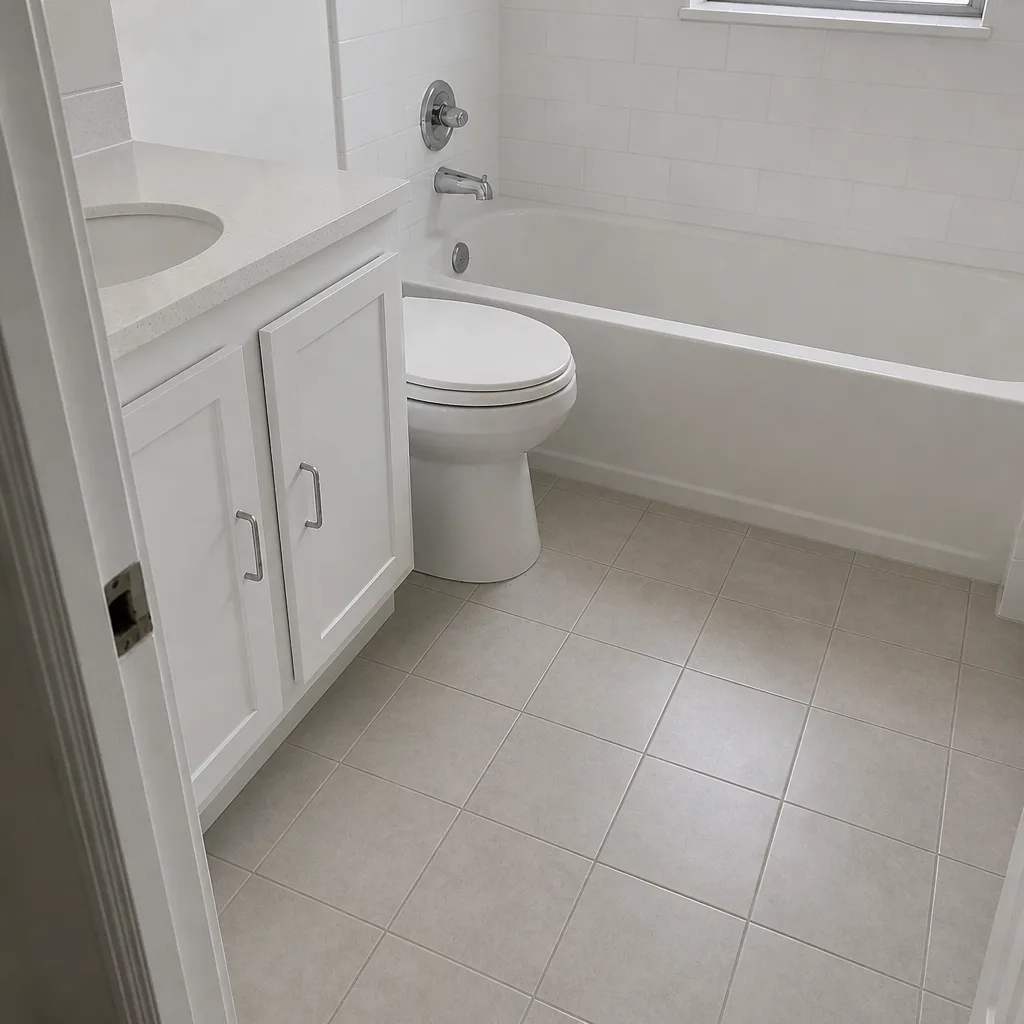
If you suspect water is getting behind a finished wall, that’s a job for a trained contractor, not a weekend project. We scope dry-in work as part of our Bathroom Remodeling in Cutler Bay and general contracting projects, and every scope comes with a written price before work begins.
The Dry-Season Window (November – April): Best Time to Build
If you’re planning a repair, a remodel, or an addition in Cutler Bay, the dry season is the window to choose. The reasons are practical, not marketing.
- Weather reliability. Fewer rain days means fewer schedule interruptions, and a project that would take six weeks in July often takes five in January.
- Drying and curing. Stucco, concrete, paint, and cabinetry installs all behave better in lower humidity. Materials that cure too fast or stay damp cause callbacks.
- Inspection speed. Local inspection schedules are less congested in the dry season, which shortens the gap between phases.
- Price stability. Winter is also when national demand for materials eases, so pricing on cabinetry and exterior products is steadier.
Concrete flatwork and hardscaping are a good example. Cambridge Pavers and Belgard products install cleanly in dry weather, and the base prep is far easier to control. If you’re doing a porch, driveway, or pool deck, target the dry season and budget for a proper sub-base. That sub-base, usually a compacted gravel layer, is what keeps the surface from settling, and it’s the step most often skipped. Quikrete and Sakrete mixes are common for small repairs, but a full hardscape deserves engineered prep.
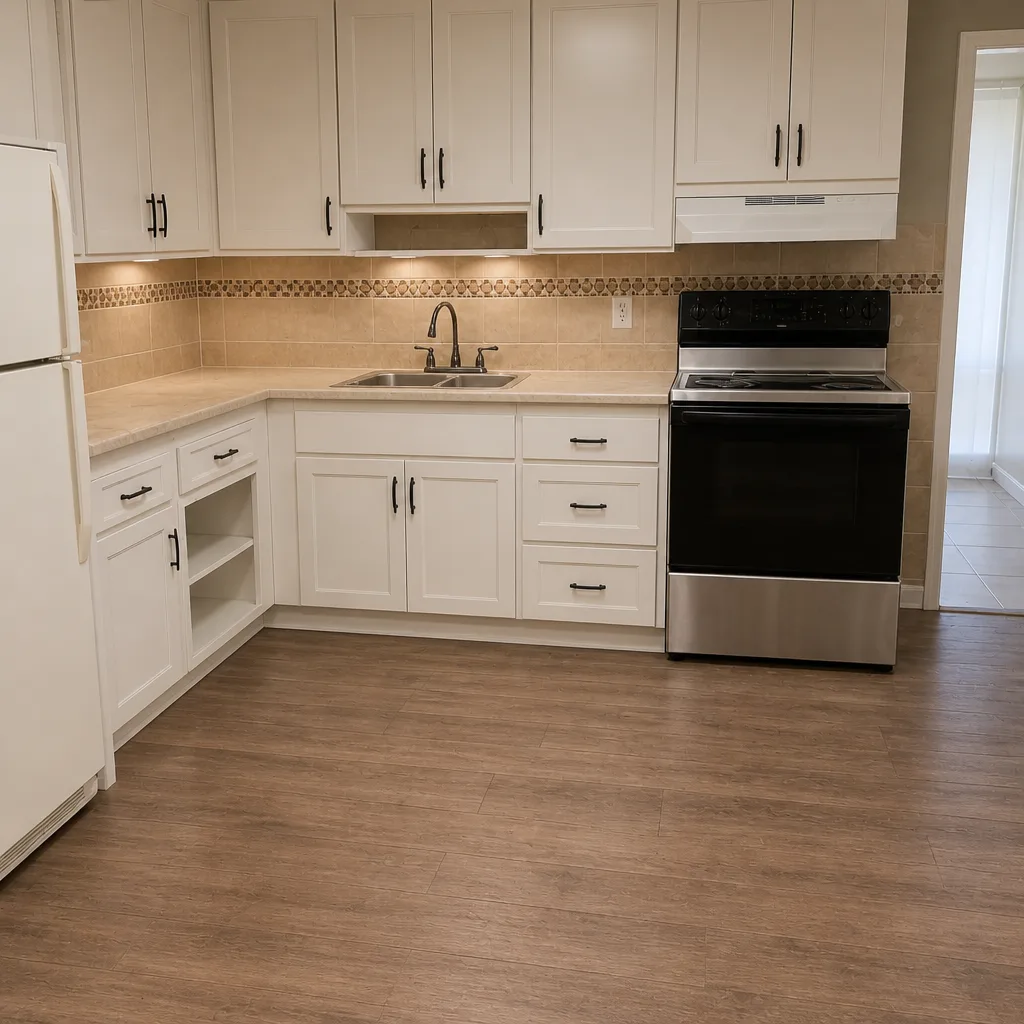
This is also the season we see the most kitchen and whole-home projects scheduled, because a family can live through a kitchen remodel without fighting storm season at the same time. Our Kitchen Remodeling in Cutler Bay page covers the planning side, including the brands we specify like KraftMaid and Wellborn cabinetry and Cambria surfaces.
Post-Storm Inspection Protocol: The First 72 Hours
After a named storm passes, the first 72 hours decide how smoothly an insurance claim goes. The rule is simple: document everything you can safely reach, and don’t touch anything that needs a licensed assessment.
Document within 72 hours (safely, from the ground):
- Photos and video of every exterior elevation, the roof line, and any visible damage.
- Photos of interior water staining or damage, with a tape measure or common object for scale.
- A dated written list of what you observed and when.
- Any temporary protective measures you took, with receipts.
What requires a licensed contractor assessment:
- Any roof damage where the structural decking may be compromised.
- Soffit, fascia, or screen enclosure damage that affects attachment to the structure.
- Water intrusion that has reached wall cavities, ceilings, or flooring.
- Anything involving the electrical system or gas lines.
Be careful here. Roofs, electrical panels, and gas lines are genuinely dangerous after a storm, and a fall or an electrical shock is far worse than a delayed repair. Leave the ladder work and any electrical or gas inspection to trained professionals. Our Bradford Remodeling Co Cutler Bay home page outlines how we scope post-storm repairs with a written price before any work starts.
Common Mistakes to Avoid
- Treating the calendar like a northern one. Winterizing advice and fall gutter routines don’t match Cutler Bay’s rain pattern. Build your schedule around the wet and dry seasons instead.
- Inspecting the roof only after a leak appears. By the time you see the stain, the water has usually been traveling for weeks. The March – April inspection is the one that matters.
- Smearing sealant over failed caulk. New sealant won’t bond to old, dirty caulk. Cut it out and redo it properly, especially around window perimeters.
- Skipping the pre-season photo documentation. Without dated photos before June 1, a pre-existing condition exclusion can turn a legitimate storm claim into a dispute.
- Painting over water staining without finding the source. That traps moisture and sets up mold inside the wall.
- Ignoring French drain flow. A drain that clears slowly in April will back up in August. Test it with a bucket before the season loads up.
- Scheduling major work in the wet season to save a few weeks. The rain delays, rescheduling, and drying problems usually cost more than the wait.
See the difference
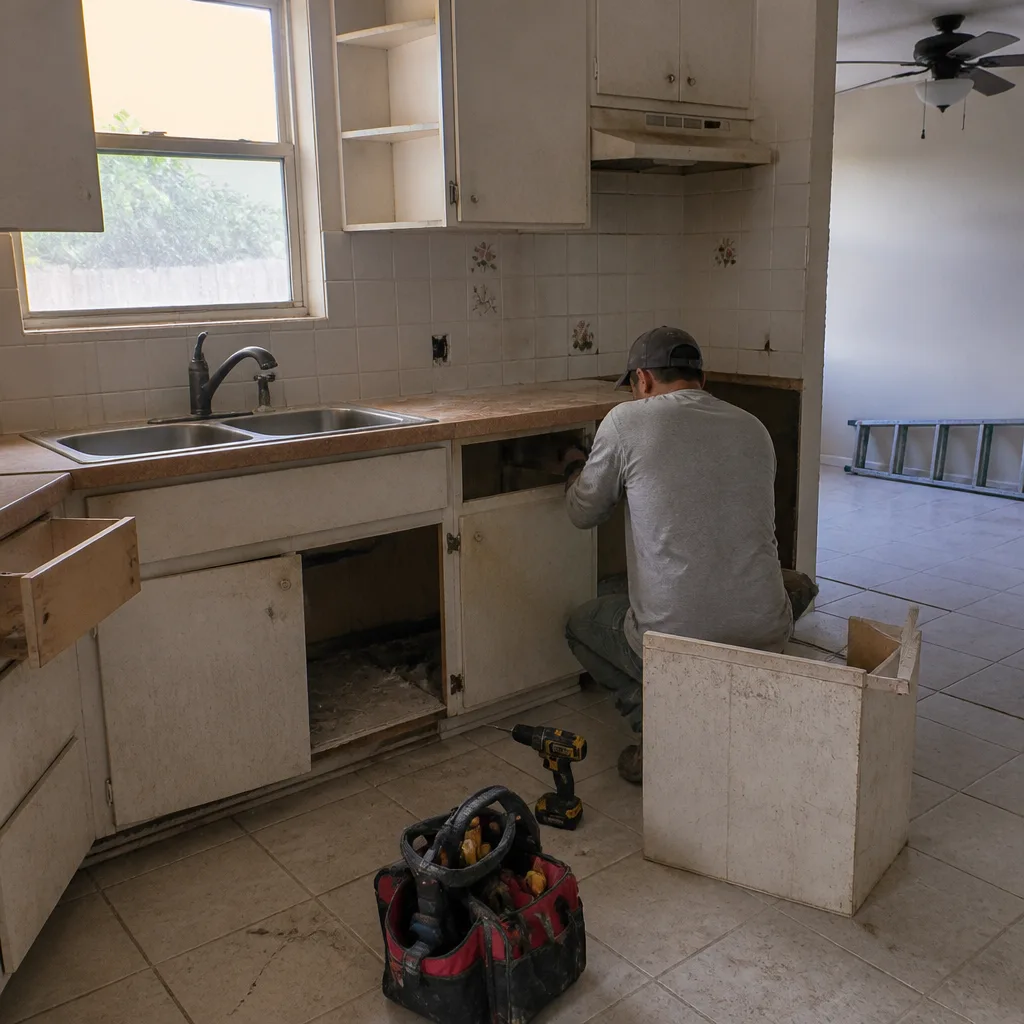 Before
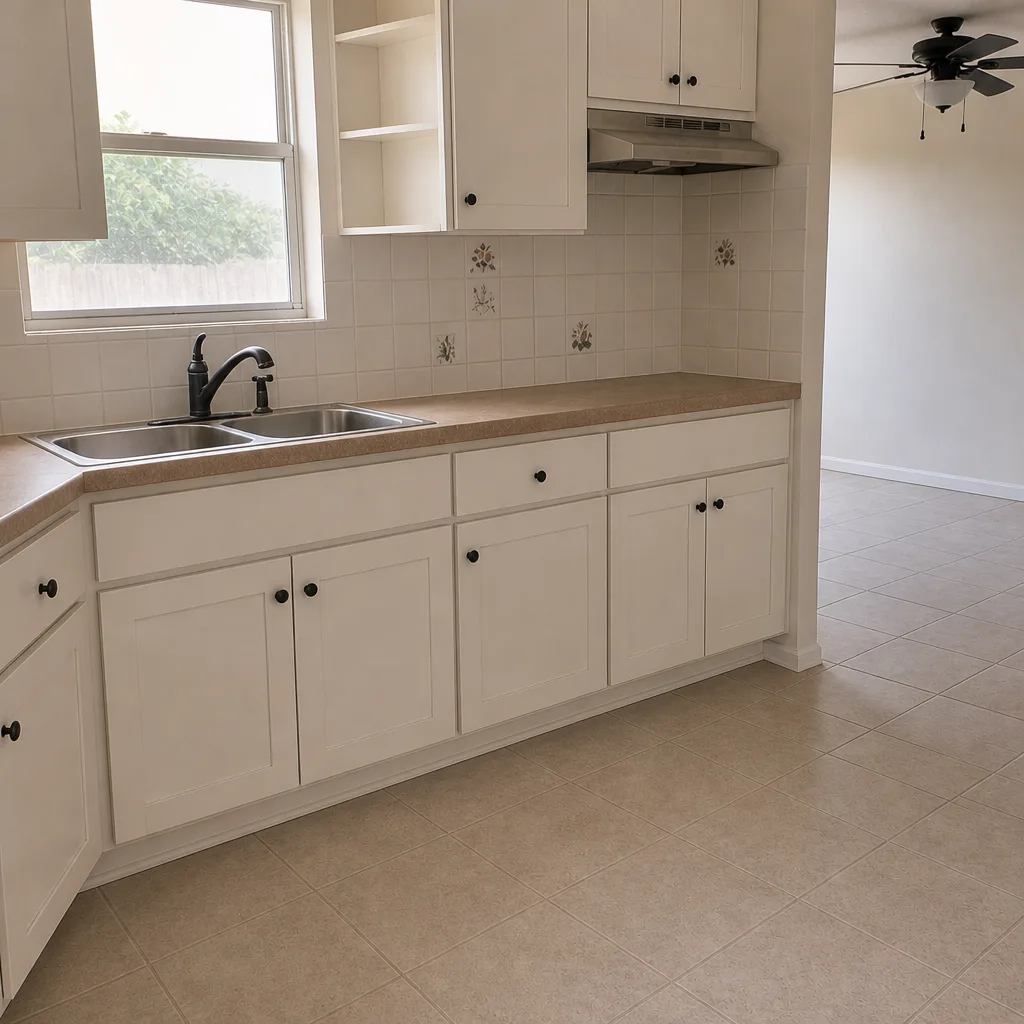 After
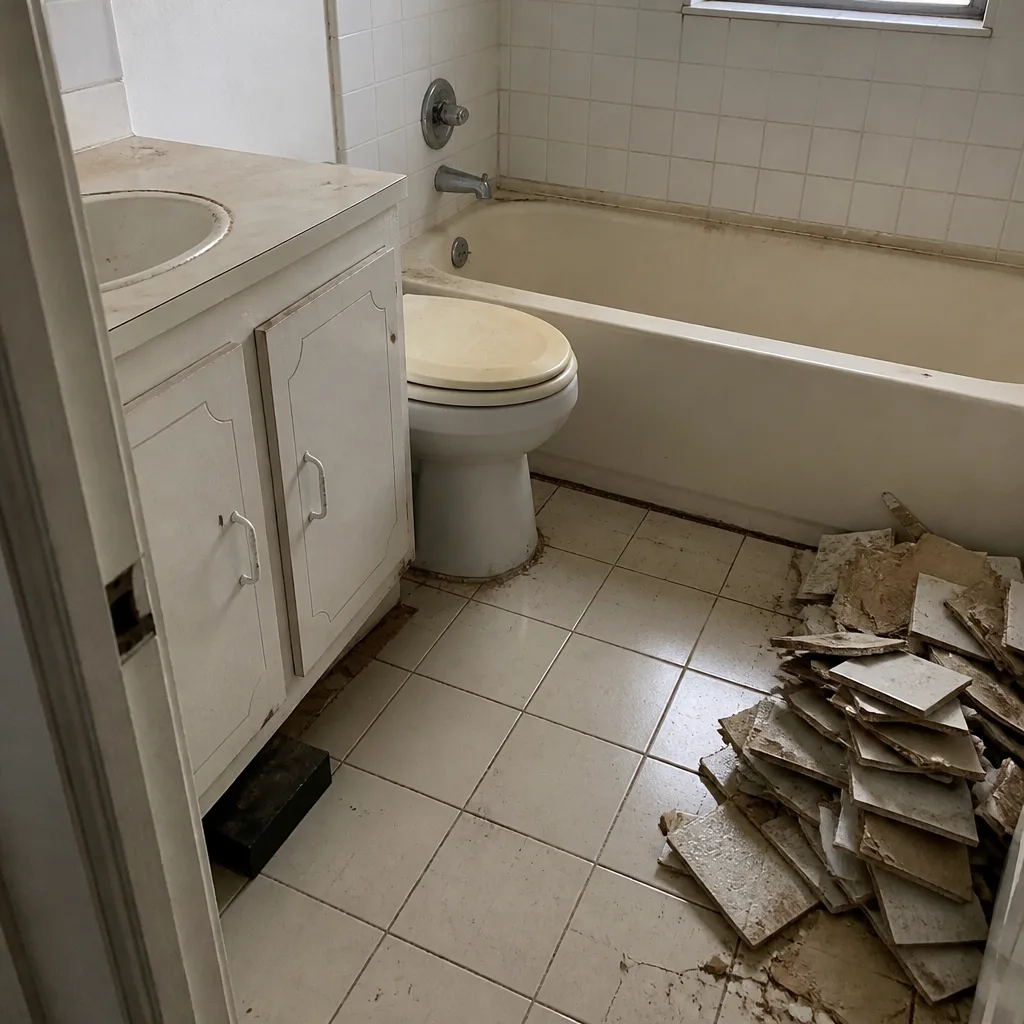 Before
 After
 Before
 After
When to Call a Professional

Some jobs are genuinely do-it-yourself, like clearing gutters or replacing a weatherstripped threshold. Others aren’t, and it’s worth being honest about which is which. Call a professional when the work involves roof access above a single story, any electrical or gas component, water that has reached a wall cavity or ceiling, stucco repairs beyond hairline patching, or structural attachment points like soffit, fascia, and screen enclosure anchors. Post-storm damage that might become an insurance claim is another clear case, because the documentation and scope need to be done correctly. Bradford Remodeling Co Cutler Bay offers free estimates in Cutler Bay. Every project gets a written price before work starts, and our 365-Day Done Right Promise means we return and correct anything that doesn’t hold within a full year. Call (833) 620-5491 to schedule your free estimate.
Frequently Asked Questions
The dry season, November through April, is the best window for remodeling in Cutler Bay. Fewer rain days mean fewer schedule interruptions, materials cure more predictably, and local inspections are less congested. Call (833) 620-5491 for a free estimate and to talk through timing.
A focused pre-wet-season inspection in Cutler Bay typically runs a modest flat fee, often applied toward any repair work you approve. The important number is the repair: re-flashing a penetration or resealing a window perimeter is a small line item compared to drying in and repairing water damage. Call (833) 620-5491 for an exact quote. Estimates are free.
Dry-in means the building envelope is sealed and any wet materials have been dried or removed so the interior is protected from further water. Structurally, it’s the step where you stop the water at the source, open the affected cavity if needed, and dry it thoroughly before closing it back up. Skipping dry-in traps moisture and sets up mold. Call (833) 620-5491 if you suspect water is behind a finished wall.
No. Bradford Remodeling Co Cutler Bay provides a written price before any work begins, and that price doesn’t move at the door or mid-project. If the scope changes at your request, we document it in writing first. Call (833) 620-5491 to schedule your free estimate.
Within 72 hours, photograph and video every exterior elevation, the roof line, and any interior water damage, and keep a dated written list with receipts for any temporary protection. Leave roof, electrical, and gas assessment to licensed professionals for safety and insurance reasons. Call (833) 620-5491 for help scoping post-storm repairs.
Yes. Permitted work is pulled and inspected according to local code so the project closes out clean, with documentation in your hand. That matters more in Cutler Bay than in many markets, because unpermitted work can complicate a future insurance claim or sale. Call (833) 620-5491 to talk through your project.
The Bottom Line
Cutler Bay homes are stressed by water, wind, and humidity, not cold, so a maintenance calendar built for a northern climate misses what actually damages houses here. The pattern that works: inspect roof penetrations, seals, stucco, and drainage in March and April; document everything and address loose components before June 1; watch for active intrusion through the wet season and dry in fast if you find it; and schedule repairs and remodels in the November – April dry season when both pricing and inspections cooperate. Get the timing right and most of these problems stay small. Get it wrong and they compound.
Written by the team at Bradford Remodeling Co Cutler Bay.