Last updated November 18, 2026








Free written scope consultation - allowances, timeline, and change-order rules on paper before a single trade is scheduled
General Contractor Maintenance Checklist for Cutler Bay Homeowners
A loose ridge cap in New England gives you a slow leak. In Cutler Bay, that same loose ridge cap can give you wind uplift that peels a 10-foot section off in a single afternoon – and that’s a structural problem, not a roofing claim. Most maintenance checklists you’ll find online are calendar busywork built for a four-season climate. This one is organized around the failure modes that actually degrade homes here: salt air, year-round humidity, and a storm season that runs May through October. Below, we break down what to inspect, how often, and what each deferred repair tends to cost so you know what you’re putting off. We’ve walked these jobs in Cutler Bay, and the pattern is consistent.
Quick Answer
The core maintenance checklist for a Cutler Bay home covers six systems: roof edges and ridge caps, soffit and fascia, salt-air-exposed fasteners and connectors, drainage and swales ahead of the May-October rainy season, AC condensate lines and attic humidity, and load-path connections like tie-down straps and expansion joints. Inspect the wind-and-water items twice a year and before storm season; check salt-air corrosion annually if you’re within a mile of Biscayne Bay. Deferred repairs in these categories run from a few hundred dollars to five figures once water and rot get into the structure.
Styles & brands we work with
- Kitchen remodeling
- Bathroom remodeling
- Home additions & ADU
- Roofing
- Windows & doors
- Driveway & pavers
- Fence
Table of Contents
- Salt-Air Corrosion: The Inspection Schedule Near Biscayne Bay
- Soffit and Fascia: Finding the Rot You Can’t See From the Ground
- Drainage and Swale Checks for the May-October Rainy Season
- AC Condensate and Attic Humidity: Stopping Mold Behind Drywall
- What a GC Checks That Homeowners Miss: Load Path and Tie-Downs
- Roof Edges and Ridge Caps: Why Wind Uplift Starts Here
- The Two-Times-a-Year Cutler Bay Maintenance Schedule
- Common Mistakes to Avoid
Salt-Air Corrosion: The Inspection Schedule Near Biscayne Bay
If your home sits within about a mile of Biscayne Bay, salt-laden air is working on every piece of exposed metal on the structure. The parts that fail first are rarely the ones you notice: the fasteners holding soffit panels, the flashing around penetrations, and the galvanized connectors in the roof-to-wall and wall-to-foundation load path. Salt spray accelerates corrosion on standard galvanized steel far faster than inland homeowners expect. A connector that looks like it has a decade of life left inland can be structurally compromised here in a few years.
Here’s the schedule we recommend for salt-exposed homes:
- Every 12 months: Walk the perimeter and look at every visible fastener, hanger, and strap. White or red rust dust is the tell. Don’t rely on a paint-over; probe the metal.
- Every 12 months: Check the flashing at roof-to-wall junctions, chimney or vent penetrations, and window and door heads. Flashing that’s lifted or corroded is the #1 path for water intrusion.
- Every 2-3 years: Have an attic-side look at the roof-to-wall connectors and any anchor straps. Corrosion out there is invisible from below and is exactly what inspectors flag on wind-uplift evaluations.
What corrosion costs: replacing a corroded flashing detail runs a few hundred dollars. Replacing compromised structural connectors in the load path is a $1,500-$5,000 job depending on access. Ignoring both until water gets into the sheathing and framing is where it turns into a five-figure repair. We use documented hardware with manufacturer specs so the replacement matches what the structure was built for – no guesswork on a connector that carries load.
Soffit and Fascia: Finding the Rot You Can’t See From the Ground
Soffit and fascia are the two components most likely to fail a wind-uplift test while looking perfectly fine from your driveway. On South Florida homes, wood fascia boards and the soffit substrate behind them absorb moisture during the rainy season and dry slowly in the humidity. Rot starts inside the board, near the joints and nail holes, where water sits longest. By the time discoloration or a soft spot shows on the painted face, the wood has often been compromised for a year or more.
How to check without climbing a ladder into a dangerous spot:
- From the ground with binoculars: Look for sag lines, waviness in the fascia, and gaps at the soffit-to-wall joint. A straight fascia line is a healthy one.
- From a window that looks onto the roof overhang: Check the top edge of the fascia where it meets the shingles. That’s where water wicks in first.
- Poke test at ground-reachable points: Use a screwdriver to probe the bottom edge of any fascia you can safely reach. Soft wood means rot.
In our experience, a fascia board that’s spongy from the ground is the same one that tears free in a storm. Replacing a run of fascia and soffit with a James Hardie fiber-cement product runs roughly $2,500-$6,000 for a typical Cutler Bay single-story home, depending on linear footage. Patching soft wood with caulk and paint is money spent twice – the underlying moisture path doesn’t go away, and the next storm finds it. If you’re also due for exterior work at the roofline, our team can fold it into a broader plan; the same professionals cover general contractor work in Cutler Bay and can tell you whether the soffit repair is a standalone job or a sign of a bigger envelope problem.
Drainage and Swale Checks for the May-October Rainy Season
Cutler Bay’s wet season is May through October, and that’s when your drainage either works or it doesn’t. The generic “check gutters in spring and fall” advice doesn’t fit here. You need everything clear and grading correct *before* the first heavy system of the season rolls in, because once the ground is saturated, a swale that wasn’t draining properly is already doing its damage.
Run this check in April, before the season, then again in midsummer after a major storm:
- Clear gutters and downspouts. Leaf litter and the fine debris from South Florida trees clog downspouts faster than most homeowners expect. A blocked downspout dumps water at the foundation.
- Verify the swales. Your lot’s swale – the shallow graded channel that moves water to the street or a drainage easement – should slope continuously with no low spots. Check that soil, mulch, or new landscaping hasn’t filled it in.
- Check the grading at the foundation. Soil should slope away from the house at roughly six inches of fall over the first ten feet. Mulch beds against the wall that sit too high are a direct water path to the slab.
- Look at your yard’s discharge points after a heavy rain. Water should be gone within hours, not pooling for a day.
Poor drainage doesn’t just flood the yard. It undermines slabs, rots the base of exterior walls, and pushes water into the structure. Regrading and re-establishing a swale typically runs $1,500-$4,000. Foundation or slab repairs from years of standing water are a much bigger number. A documented drainage plan is part of how we scope any exterior project so the water goes where it’s supposed to.
AC Condensate and Attic Humidity: Stopping Mold Behind Drywall
The mold scenario we see most often in South Florida homes doesn’t start in a bathroom or a visible corner. It starts in the attic, fed by a slow condensate leak or persistent humidity, growing on the back of your ceiling drywall where you can’t see it until it’s a full remediation. Your air handler produces condensate year-round, and the line that carries it off carries real risk: a cracked or clogged line drips steadily into the attic insulation and framing.
What to check and how often:
- Condensate line, every 3 months: Look for water stains, standing water, or wet insulation near the air handler. Have the line flushed annually by your HVAC tech – it’s a small service that prevents a large problem.
- Attic humidity, twice a year: Humidity in an attic should stay under about 60%. Sustained readings above that, especially in the rainy season, point to a ventilation problem or a moisture source. A $20 hygrometer is all the diagnostic you need to start.
- Secondary drain pan: Make sure the pan under the air handler is dry and the float switch (the device that shuts the unit off if the pan fills) actually works. A failed float switch means the pan overflows instead of stopping the unit.
Cleaning or relocating a condensate line runs a couple hundred dollars. Remediating mold behind drywall, replacing saturated insulation, and resealing the envelope – that’s a $3,000-$10,000+ job depending on how far it spread before anyone noticed. This is one of the checks a GC does on a maintenance walkthrough that a homeowner almost never thinks to do, because nothing about it is visible from the living space.
What a GC Checks That Homeowners Miss: Load Path and Tie-Downs
When a licensed general contractor walks a Cutler Bay home, the checklist goes well past cosmetics. The most important items are structural and invisible from the driveway: the load-path connections that hold the roof to the walls and the walls to the foundation. These are the connections wind-uplift and storm engineering depend on. On an older home, some of them may predate current tie-down expectations – and a connector that’s corroded, loose, or undersized is a weak link in the whole chain.
Here’s what a maintenance walkthrough covers that a homeowner typically misses:
- Tie-down straps and connectors. Roof-to-wall and wall-to-foundation hardware, checked for corrosion, looseness, and proper fastening. In a coastal market, this is both a safety and an insurability question.
- Expansion joints. Concrete slabs, driveways, and walkways need functioning expansion joints. When they fail, the crack widens and water gets under the slab. Look for gaps that have filled with debris or joints that have closed up entirely.
- Beam and rim connections. Where a porch roof, lanai, or carport attaches to the main house, the connection point needs inspection. These attachments are a common uplift failure point.
- Substrate condition under finished surfaces. A floor that feels slightly soft or a bathroom wall that sounds hollow can mean a substrate problem under a good-looking finish.
- Beyond that: attics, crawl spaces, and the envelope as a whole, viewed as a system rather than separate parts.
We’ve seen a $400 connector rework prevent a storm-loss claim many times its size. Our technicians have up to 22 years of experience reading these connections, and background-checked crews do the work on every job.
Roof Edges and Ridge Caps: Why Wind Uplift Starts Here
A ridge cap is a small, cheap piece of roofing. In Cutler Bay it’s also the leading edge of wind uplift. When a ridge cap or a rake-edge shingle loosens, wind gets underneath the field of shingles and starts peeling. The failure goes from a lifted cap to a stripped roof section in one weather event. The same holds for the perimeter details – drip edge, starter course, and the seal at the rake and eave. That’s why the roof edge is the first place to look after any wind event and one of the most valuable things to inspect before storm season.
What to check:
- Ridge and hip caps: Look for lifted, curled, or missing caps. Any of those means wind has already found the edge.
- Rake edges and drip edge: Check that the metal edge is firmly fastened and the shingles seal over it.
- Sealant and granule loss: Bald, granule-shedding shingles near the edge indicate a roof past its service life, which is a whole different conversation.
- Attic-side water staining near the roof edges after a storm, the earliest internal sign of edge failure.
Re-securing a ridge cap is a small repair. Reroofing a section after wind damage rarely is. We install documented GAF shingle systems with manufacturer specs that back our own guarantee – a full-year 365-Day Done Right Promise on every completed project, so if the repair fails inside that window, we come back and correct it at no charge. Roofing is also work best left to professionals; don’t climb onto a steep pitch to fix a ridge cap yourself.
The Two-Times-a-Year Cutler Bay Maintenance Schedule
Calendar busywork aside, a Cutler Bay home really needs two maintenance passes a year: one before the May-October rainy season and one after it. Here’s how to split the work.
April pass (before rainy season):
- Clear gutters, downspouts, and verify swales and grading.
- Inspect roof edges, ridge caps, and flashing.
- Probe soffit and fascia for soft wood.
- Check the AC condensate line, drain pan, and float switch.
- Walk the perimeter looking for salt-air corrosion on fasteners and connectors.
October-November pass (after rainy season):
- Re-check attic humidity and look for any new water stains.
- Inspect tie-downs and load-path connectors, especially in salt-exposed homes.
- Re-check expansion joints in slabs and driveways.
- Look for wind or storm damage anywhere on the roof edges.
- Note anything deferred during the season and book it before the next one.
The discipline here is simple: catch the small stuff before the season tests it. For homeowners who want a documented plan, we fold a maintenance scope into a written estimate – a written price before work starts, no numbers that move at the door. If you’re planning exterior work or a larger project, our Bradford Remodeling Co Cutler Bay home page lays out how we run a job from first walkthrough to signed guarantee.
Common Mistakes to Avoid
- Treating the checklist as generic spring/fall housekeeping. A four-season schedule misses the May-October rainy season that actually drives damage here. Time your checks to the weather that’s coming, not the calendar in a magazine.
- Patching fascia and soffit rot without finding the moisture source. Caulk and paint over soft wood buys you until the next storm. Fix the intrusion and the wood at the same time.
- Ignoring the AC condensate line until you smell it. A slow drip into the attic is the hidden path to mold behind drywall. Flush and inspect it yearly.
- Letting swales fill in with mulch and landscaping. A decorative bed that blocks the swale is redirecting water at the foundation. Keep the channel clear.
- Skipping the structural connections. Fasteners, tie-downs, and flashing are invisible and load-bearing. Verify them on a schedule before salt air and wind do.
- Probing roof edges and fascia from a ladder beyond your comfort level. Inspect from the ground or a safe vantage point and leave height work to trained professionals.
- Waiting for damage to be visible before acting. In Cutler Bay, visible damage usually means the failure already happened. Maintenance is about catching what’s invisible.
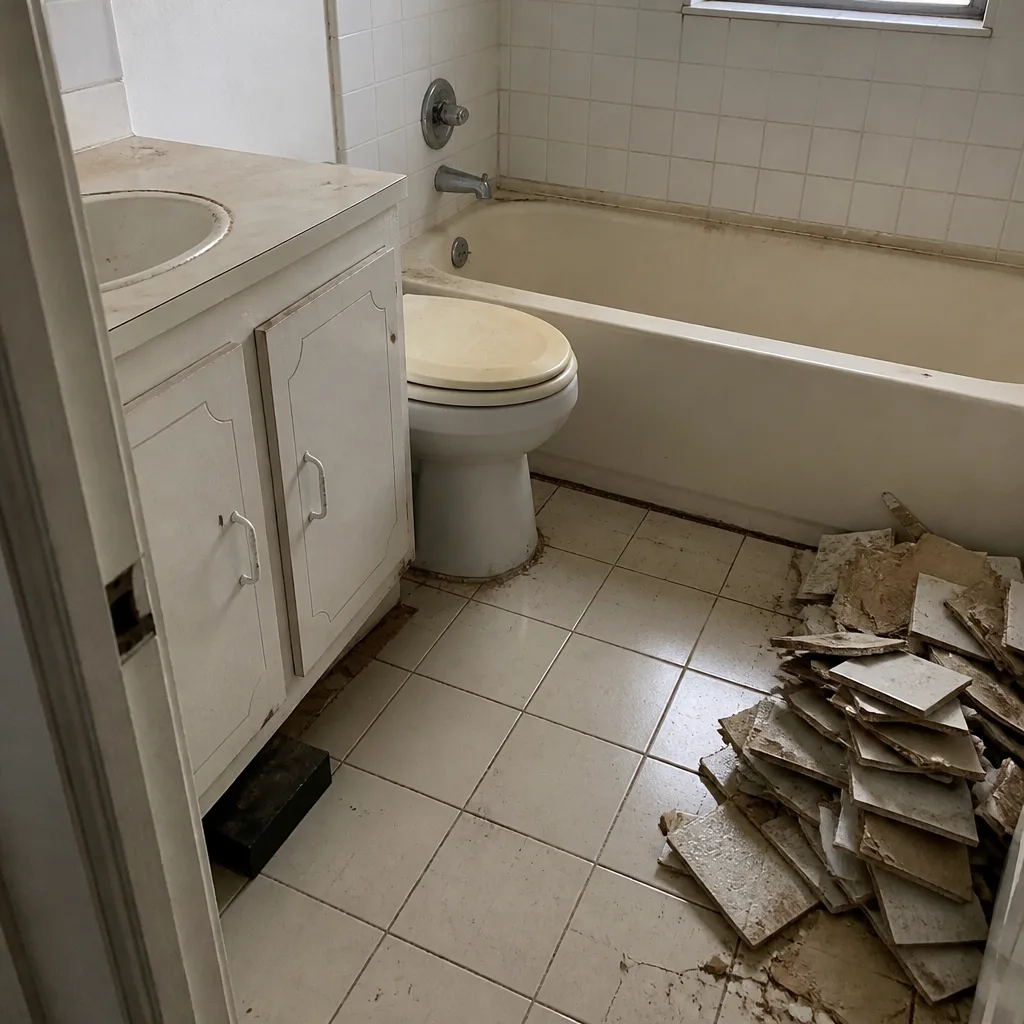
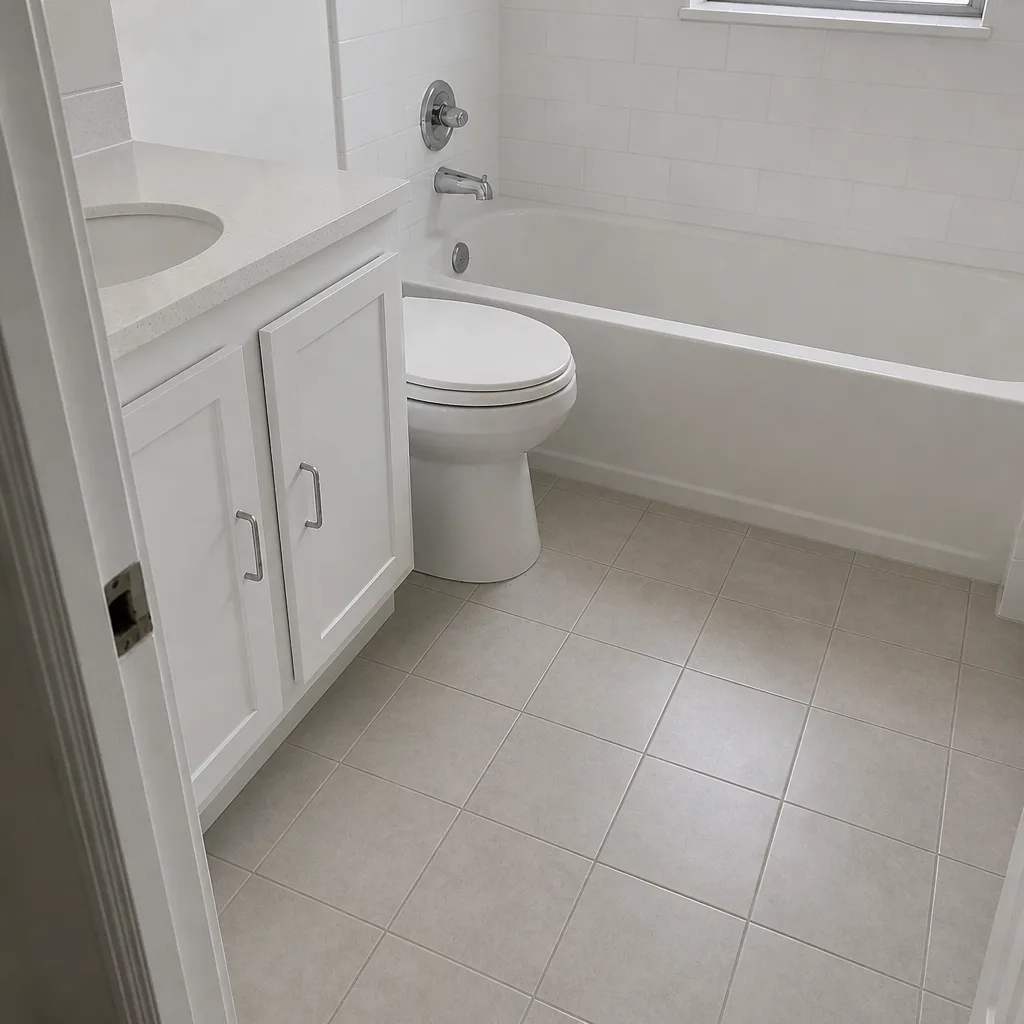
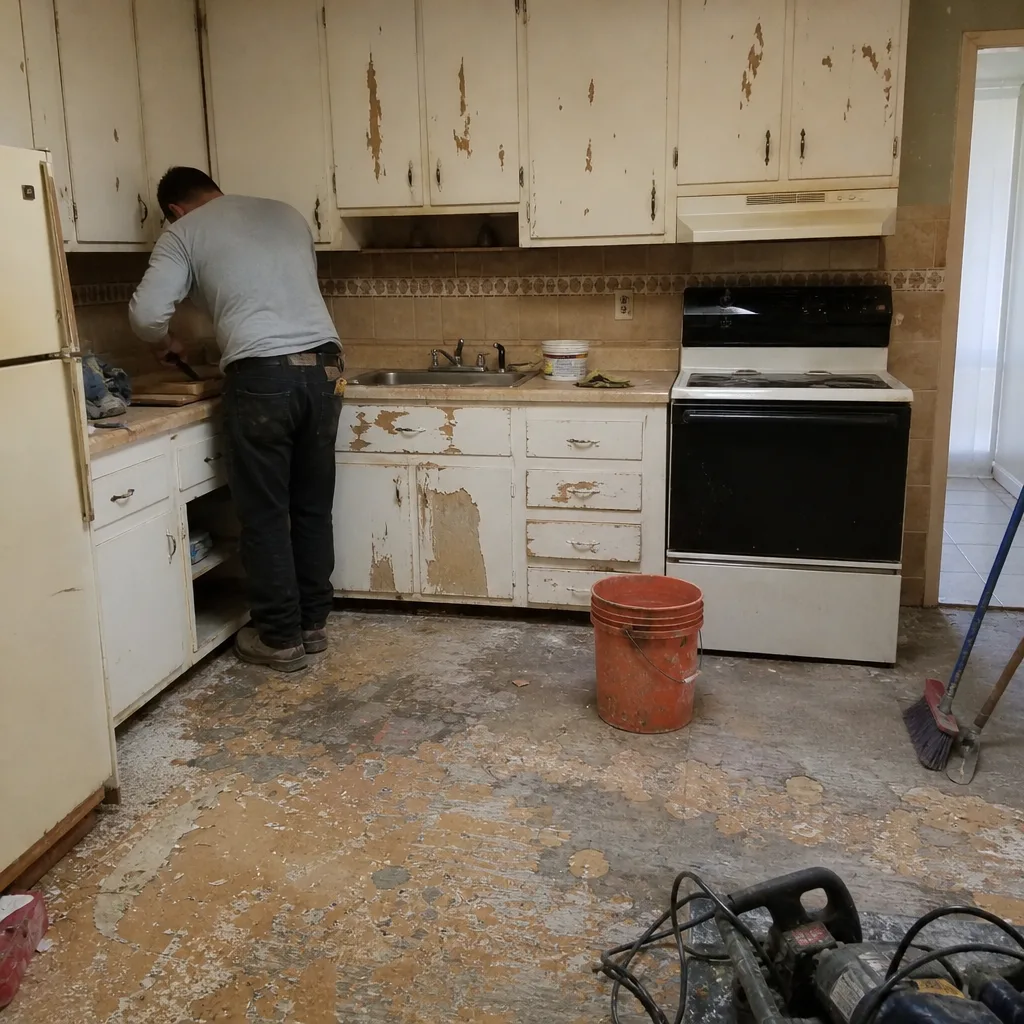
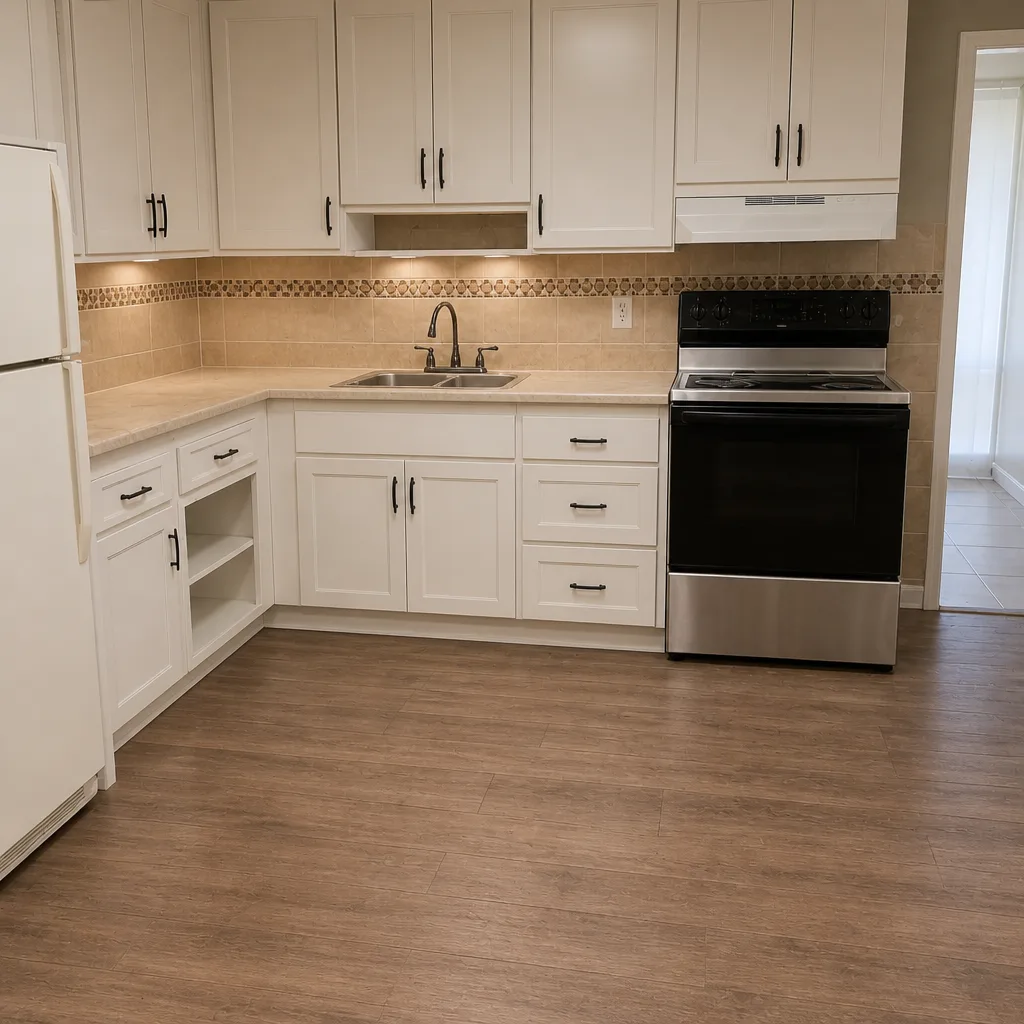
See the difference
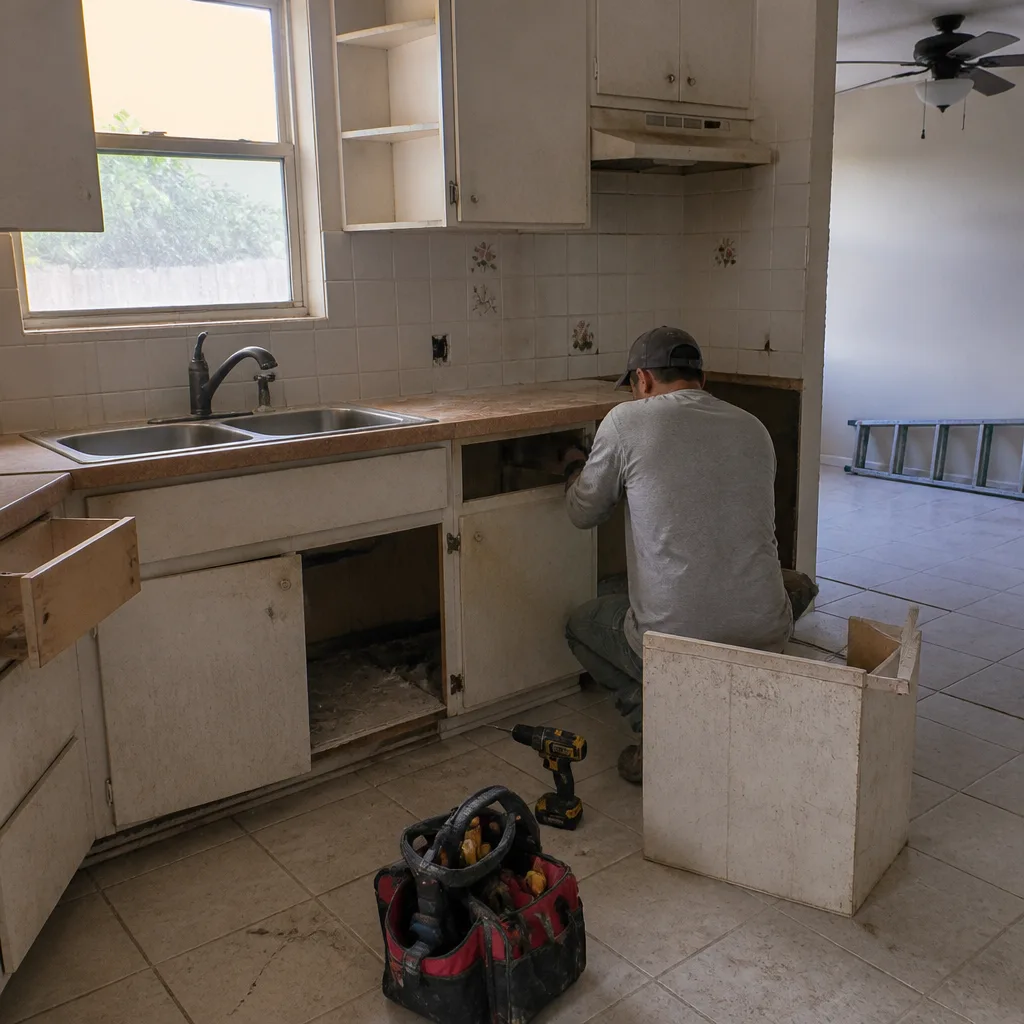 Before
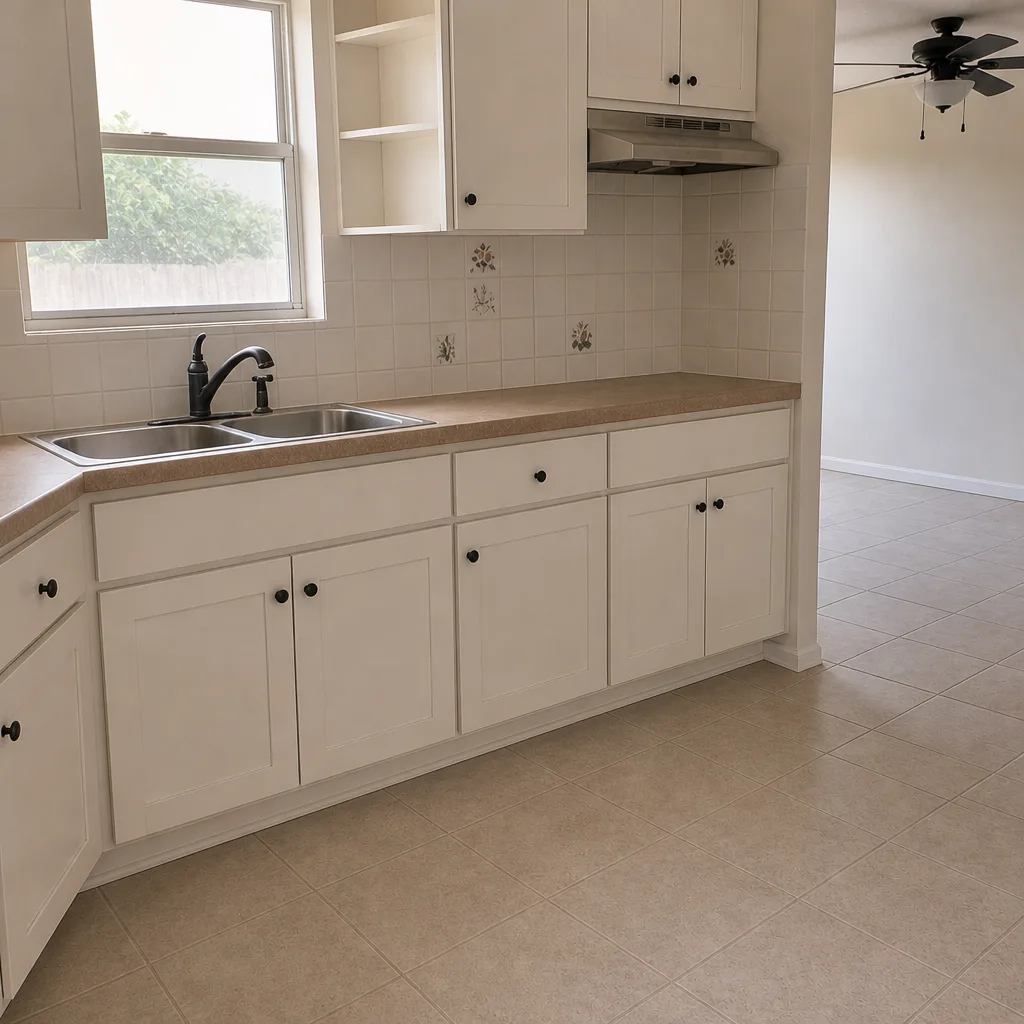 After
 Before
 After
 Before
 After
When to Call a Professional
Some items on this checklist are safe and useful for any homeowner. Anything involving roof edges, structural connectors, or electrical work is not. Call a professional when you find soft or spongy fascia and soffit, any visible corrosion on load-path connectors, water staining in the attic, or a swale that won’t drain after a storm. Those four items sit at the top of the list for a reason – they’re the ones that turn small into serious. Our technicians, with up to 22 years of experience, do maintenance walkthroughs and document exactly what they find. Bradford Remodeling Co Cutler Bay offers free estimates in Cutler Bay – call (833) 620-5491 to schedule yours. A live person answers the phone, day or night.
Frequently Asked Questions
Twice a year: an April pass before the May-October rainy season and an October-November pass after it. Homes within about a mile of Biscayne Bay should add an annual salt-air corrosion check on exposed fasteners and connectors, since salt accelerates metal failure. Call (833) 620-5491 for a professional walkthrough if you’re not comfortable inspecting roof edges or structural connections yourself.
A GC looks at the load path: roof-to-wall and wall-to-foundation tie-downs and connectors, expansion joints in slabs and driveways, and the attachment points where a porch or lanai ties into the main house. These are structural and invisible from the driveway. A maintenance walkthrough also covers the attic as a moisture system and the envelope as a whole, which catches problems before they show up as damage.
Salt-laden air accelerates corrosion on standard galvanized metal, so fasteners, flashing, and structural connectors degrade faster near the water than inland. The failure is quiet – it happens on the inside of a connector before the outside shows it. An annual inspection within a mile of Biscayne Bay is the schedule that fits the exposure. Call (833) 620-5491 for an exact quote on any replacement – estimates are free.
The most common is deferred drainage – swales that fill in and grading that sends water at the foundation during rainy season. The second most common is soffit and fascia rot that’s been painted over rather than repaired. Both are cheap to fix early and expensive once water reaches the structure. Put both at the top of the April checklist.
Yes. The work usually involves tracing the condensate line, correcting the source, removing and replacing saturated insulation and the affected drywall, and resealing the envelope. That’s a $3,000-$10,000+ range depending on how far it spread. Call (833) 620-5491 for a free estimate and a written scope before any work starts. Our kitchen remodeling in Cutler Bay and bathroom remodeling in Cutler Bay projects often include the same envelope and moisture remediation that prevents the problem from coming back.
No. Every job gets a written price before any work starts, and that number doesn’t move at the door. If we find something new mid-job, it becomes a written scope change, not a surprise on the invoice. That written-price commitment is part of The Garrison Standard, and it’s non-negotiable on every Bradford project.
The Bottom Line

Maintenance in Cutler Bay is about the failure modes specific to this coast, not generic calendar reminders. Salt air eats connectors near Biscayne Bay. Soffit and fascia rot from the inside and fail wind-uplift tests. Drainage has to be ready before the May-October rainy season, not after. AC condensate and attic humidity quietly set up mold behind drywall. And the load-path connections a GC checks are the ones that decide whether a storm stays outside. Run the two-time-a-year schedule, fix what you find, and leave the roof edges and structural work to trained professionals. We’d rather be called for a quick check than a storm repair.
Call (833) 620-5491 for a free estimate on a maintenance walkthrough or repair, or to get your project squared away with a written price and a signed guarantee in your hand.
Written by the team at Bradford Remodeling Co Cutler Bay.