Last updated November 18, 2026





Free written scope consultation - allowances, timeline, and change-order rules on paper before a single trade is scheduled
The Complete Guide to Construction in Cutler Bay
Miami-Dade County keeps its own product approval list, separate from the Florida Building Code, and that one fact reshapes almost everything about building in Cutler Bay. If your contractor’s permit application doesn’t reference the right Miami-Dade NOA numbers, the inspection fails before a shovel hits the ground. Most generic construction advice you’ll find online was written for a national audience and never accounts for this. This guide walks through the layers a Cutler Bay homeowner actually has to navigate: the High-Velocity Hurricane Zone, town and county permitting sequence, flood zones, the Notice of Commencement, and materials that carry the right approvals.
Quick Answer
Construction in Cutler Bay sits inside Miami-Dade’s High-Velocity Hurricane Zone, so it requires product approvals beyond the standard Florida Building Code, plus flood-zone-specific foundation and framing decisions. Permits typically start with the Town of Cutler Bay, then flow to Miami-Dade County Building for the technical review, and you file a separate Notice of Commencement before work begins. Materials for windows, doors, and roofing need both a Florida Product Approval number and a Miami-Dade Notice of Acceptance (NOA) to pass inspection.
Styles & brands we work with
- Kitchen remodeling
- Bathroom remodeling
- Home additions & ADU
- Roofing
- Windows & doors
- Driveway & pavers
- Fence
Table of Contents
- What the High-Velocity Hurricane Zone Means for Your Project
- How Town of Cutler Bay Permitting Interfaces with Miami-Dade County
- Flood Zones in Cutler Bay: AE, X, and VE Explained
- Notice of Commencement vs. Building Permit: Two Separate Filings
- Why Materials Need Both Florida Product Approval and Miami-Dade NOA
- The Correct Sequence of a Cutler Bay Construction Project
- What Construction Costs Look Like in Cutler Bay
- Common Mistakes to Avoid
What the High-Velocity Hurricane Zone Means for Your Project
The High-Velocity Hurricane Zone, or HVHZ, is Miami-Dade and Broward County’s stricter overlay on top of the Florida Building Code. It exists because these two counties face the highest wind speeds in the state’s design maps, and the code treats them differently. Every exterior component in a Cutler Bay build has to meet a higher standard than the same component installed in, say, Orlando.
In practical terms, HVHZ changes three things on almost every job:
- Wind-load engineering: Roof-to-wall connections, uplift resistance, and glazing pressure ratings are all calculated against HVHZ wind speeds, not the statewide default.
- Product approval: Windows, doors, skylights, shutters, and roofing systems must carry a Miami-Dade NOA. A Florida Product Approval alone does not clear the bar in an HVHZ county.
- Inspection rigor: Miami-Dade Building inspectors check the specific approval documents against what’s installed. Mismatches stop the job.
We’ve seen this catch homeowners who ordered impact windows from out of state. The windows pass the manufacturer’s own tests, arrive on a truck, and then sit in the driveway because the NOA number on the frame doesn’t match anything in the county’s system. That’s a $15,000-$30,000 mistake if the whole order has to be replaced. In Cutler Bay, where the palette of approved products is large but specific, the fix is to check the approval number before you sign the purchase order, not after delivery.
This is also why the choice of contractor matters more here than in a low-wind zone. Construction in Cutler Bay rewards the crew that already knows which manufacturers carry active NOAs for the window, door, and roofing lines they install. For the contractor-side of that conversation, our General Contractor in Cutler Bay page covers how we sequence approvals against the schedule.
How Town of Cutler Bay Permitting Interfaces with Miami-Dade County
Cutler Bay is its own municipality, but it delegates building-code enforcement to Miami-Dade County. That split is where most first-time permits slow down. The town handles zoning, land use, and local site-plan review; the county handles the technical building code, structural review, and inspections. Both steps are mandatory and they run in a specific order.
The sequence typically looks like this:
- Town of Cutler Bay zoning review: Setbacks, lot coverage, height, tree protection, and any local overlay apply here. This is where a Cutler Bay property’s specific lot restrictions get checked before anyone drafts structural plans.
- Miami-Dade County Building review: Structural, mechanical, electrical, plumbing, energy code, and HVHZ product-approval verification happen at the county level.
- Combined permit issuance: The town and county coordinate the issuance of the actual permit, which is what authorizes work to start.
- Notice of Commencement: A separate filing with the county recorder’s office, covered below.
- Inspections: County inspectors perform the phased inspections through to final.
The reason sequencing matters is that doing the county review before the town’s zoning sign-off often means paying for two rounds of plan review, because the county can’t issue until the town’s approvals are on file. In Cutler Bay, where lots along Southwest 87th Avenue and quieter blocks near the old grove parcels vary widely in setback constraints, a zoning assumption made before the town review can ripple through the whole plan set.
The predictable failure here isn’t incompetence, it’s sequencing. A homeowner submits the county packet first because that’s the form with the longest queue, and three weeks later discovers the property has a setback exception that codes the design out of compliance. Start with the town. Every time.
Flood Zones in Cutler Bay: AE, X, and VE Explained
Cutler Bay is not a single flood zone. The town spans areas mapped as AE, X, and in the coastal reaches, VE. That inconsistency is one of the most consequential facts for a homeowner planning an addition, a foundation repair, or a rebuild: two houses on the same block can carry different flood-design requirements.
What each zone actually means for construction:
- Zone X: Moderate to minimal risk. Lowest of the three for foundation requirements; a standard shallow foundation usually works if the geotech report doesn’t flag fill or organics.
- Zone AE: The base flood elevation, or BFE, sets the minimum lowest floor. Construction typically requires elevating the finished floor to or above the BFE, and the foundation design accounts for flood-borne forces plus scour.
- Zone VE: Coastal high-hazard. The foundation has to handle wave action and velocity flow, which usually means engineered pilings or structural columns rather than a slab, and the lowest horizontal structural member must sit above the BFE.
The follow-on consequence is insurance. A finished-floor elevation certificate is a required document for flood insurance rating in AE and VE zones, and the certificate has to reflect what was actually built, not what was designed. We’ve handled jobs where the certificate came back a foot lower than designed because the fill wasn’t placed right, and the premium jumped accordingly. The cost to regrade is small compared to years of inflated premiums, but it only works if it happens before the slab is poured.
In Cutler Bay, the correct first move on any foundation-involving project is pulling the current FEMA map panel for the specific parcel, not the town-wide summary. The parish-level map shows the broad picture; the parcel-level panel is what the permit reviewer uses, and it occasionally disagrees.
Notice of Commencement vs. Building Permit: Two Separate Filings
A Notice of Commencement, or NOC, is a legal notice recorded with the Miami-Dade County Clerk of Courts that formally starts the construction timeline for lien purposes. A building permit is the county’s authorization to perform the work. Both are required, they are filed with different agencies, and they each have deadlines that catch people who assume one covers the other.
The distinction matters because the NOC carries specific legal weight:
- When it must be recorded: Before the work begins. In practice, the safest rule is before any labor is performed or materials are delivered, and definitely before the first inspection.
- What it does: It starts the clock that protects the homeowner’s exposure to mechanics’ liens and gives subcontractors a single point of reference for their rights.
- Where it lives: Posted on the job site (typically near the permit) and recorded at the county clerk’s office.
- What happens if it’s missing: A missing or incorrectly filed NOC can cloud title and create lien exposure that outlasts the project by years.
In Cutler Bay, homeowners on the eastern edge near the bay see the highest volume of multi-party projects (roof, windows, waterproofing all on different contracts), and that’s exactly the profile where a missed NOC creates the worst exposure. Four separate subs, four separate lien rights, and no reliable record of when each started. The NOC is a 10-minute filing that prevents a multi-year headache.
Any contractor who tells you the NOC is optional, or who pushes back on filing one, is telling you something about how they handle paperwork in general. Construction in Cutler Bay has enough moving parts without leaving this one to chance.
Why Materials Need Both Florida Product Approval and Miami-Dade NOA
Florida Product Approval is the statewide system. Miami-Dade NOA is a county-level add-on required for HVHZ projects, and it is not automatically implied by a Florida Product Approval number. A given window might have a valid Florida approval and no current Miami-Dade NOA, or the NOA might be expired. Both are common.
What to verify for the material categories that most often trip Cutler Bay jobs:
- Windows and doors: Florida Product Approval number and a current Miami-Dade NOA with matching product series and size limits. PGT is one of the brands whose product schedules we reference frequently, and it’s a manufacturer that publishes both numbers clearly.
- Roofing systems: The whole system gets approved, not just the shingle. Underlayment, fasteners, and attachment method all need to match the approval document. We work with manufacturers like Tamko because their system-level approvals are documented and don’t leave the installer guessing at close-out.
- Doors, including exterior: A garage or entry door is an HVHZ-rated assembly, not just a slab. The approval must cover the installation configuration.
- Hardscaping and climate-specific materials: Not HVHZ-regulated in the same way, but Cutler Bay’s heat-and-humidity cycle makes these worth getting right at the product level. Boral pavers, for example, are chosen for salt-air and thermal stability in coastal applications.
For any spec that reaches the finish stage, the interior work matters too, and that’s where the brand roster we work with (KraftMaid and Wellborn cabinetry, Cambria and Caesarstone surfaces, Kohler and Moen fixtures) contributes to the project being traceable from approval number through final install. The comparison that matters at close isn’t aesthetic, it’s whether every component’s documentation matches what’s in the wall.
If you’re building out a kitchen or bath inside a permitted renovation, the specification work runs alongside the approval work, and our Kitchen Remodeling in Cutler Bay and Bathroom Remodeling in Cutler Bay pages cover the finish-side process in detail.
The Correct Sequence of a Cutler Bay Construction Project
Every project is different in detail, but the Order of operations in Cutler Bay is consistent enough to map. This is the sequence that avoids re-review, inspection failures, and lien exposure:
- Parcel check: Pull the FEMA flood panel and the town zoning designation for the specific lot. This step solves 80% of the surprise problems later.
- Design with HVHZ in mind: Wind-load and glazing-approval assumptions get built into the drawings from day one, not retrofitted.
- Town of Cutler Bay zoning approval: Setbacks, lot coverage, tree protection, and local overlays.
- Miami-Dade County Building plan review: Structural, MEP, energy code, and product-approval verification.
- Permit issuance.
- Notice of Commencement: Recorded with the county clerk and posted on site.
- Phased inspections: Rough-in, structural, framing, insulation, drywall, final. Each phase gets its own sign-off.
- Final inspection and Certificate of Occupancy or Completion: The document that other agencies (insurance, mortgage, and future sale) will check.
The place this sequence most often breaks in Cutler Bay is between steps 3 and 4. A homeowner with a contractor who hasn’t worked in Miami-Dade recently submits to the county first, and the zoning approval has to be redone. On a $200,000 addition, that three-week detour is a rounding error. On a whole-home rebuild, it’s a month of schedule and a lot of mental energy.
What Construction Costs Look Like in Cutler Bay
Construction costs in Cutler Bay run higher than inland Florida markets because HVHZ product approvals carry a cost premium, and flood-zone foundation work adds scope most homeowners don’t budget for. The ranges below are typical for the town’s current market and are before any site-specific engineering or flood-zone adaptation, both of which can move a project materially.
- Kitchen remodel (mid-grade): $35,000-$75,000
- Kitchen remodel (high-end, full spec): $80,000-$150,000+
- Bathroom remodel (mid-grade): $18,000-$40,000
- Bathroom remodel (full gut, high-end finishes): $45,000-$90,000
- Whole-home remodel, per square foot: $150-$275
- Room addition (per square foot): $250-$425, more in AE/VE zones
- Roof replacement (HVHZ-compliant, asphalt shingle): $14,000-$28,000
- Impact window replacement (typical whole-home): $18,000-$45,000
- Foundation repair or elevation (AE/VE, engineered): $40,000-$120,000+
These are the ranges a homeowner should expect to see written down. That’s a deliberate point. In Cutler Bay, the moving quotes happen at the door, and the difference between a written price and a verbal one is one of the most reliable indicators of how the project will close. If a contractor will not put the range in writing before work starts, that’s the signal. Our Bradford Remodeling Co Cutler Bay home page lays out the written-price commitment and what the 365-Day Done Right Promise actually covers. In short: if the work fails inside the guarantee window, we come back and correct it at no charge, and the promise is in writing.
Common Mistakes to Avoid
- Submitting the county plan review before the town review. You’ll pay for two rounds and lose three weeks. The town goes first in Cutler Bay.
- Accepting a Florida Product Approval as the only documentation for an HVHZ product. It isn’t. The Miami-Dade NOA is required and current, and it’s the number the inspector will look for.
- Skipping the parcel-level flood map. The town-wide summary doesn’t show the AE/VE boundary variations that decide your foundation design.
- Treating the Notice of Commencement as optional. A missing NOC creates lien exposure that outlasts the job. Record it before work starts, no exceptions.
- Ordering windows and doors before the approval check. A rejected delivery can be $20,000+ in Cutler Bay. Verify the NOA before the purchase order.
- Designing to the town’s minimum rather than the county’s HVHZ requirements. The county’s technical review will catch anything the town didn’t, and a re-review is more expensive than getting it right the first time.
- Taking a verbal price because it came with a handshake. In Cutler Bay, over half the disputes we hear about started with a number that moved after work began.
When to Call a Professional
HVHZ construction is not a category for owner-builder experiments on load-bearing exterior components. If the work involves a window or door replacement, a roof-system change, a foundation in an AE or VE zone, or any addition with a new structural tie-in, the HVHZ requirements are strict enough that an unapproved component fails inspection and possibly voids coverage. The same applies to electrical, gas, and any structural scope. We’ve seen homeowners lose more in one rejected inspection than a properly licensed crew would have cost from the outset.
For the finish side of a permitted project, a professional hand still saves time on specification alignment, and it’s from there that a written scope and price get built. Bradford Remodeling Co Cutler Bay offers free estimates in Cutler Bay: call (833) 620-5491, and the price comes to you in writing before any work starts.
See the difference
 Before
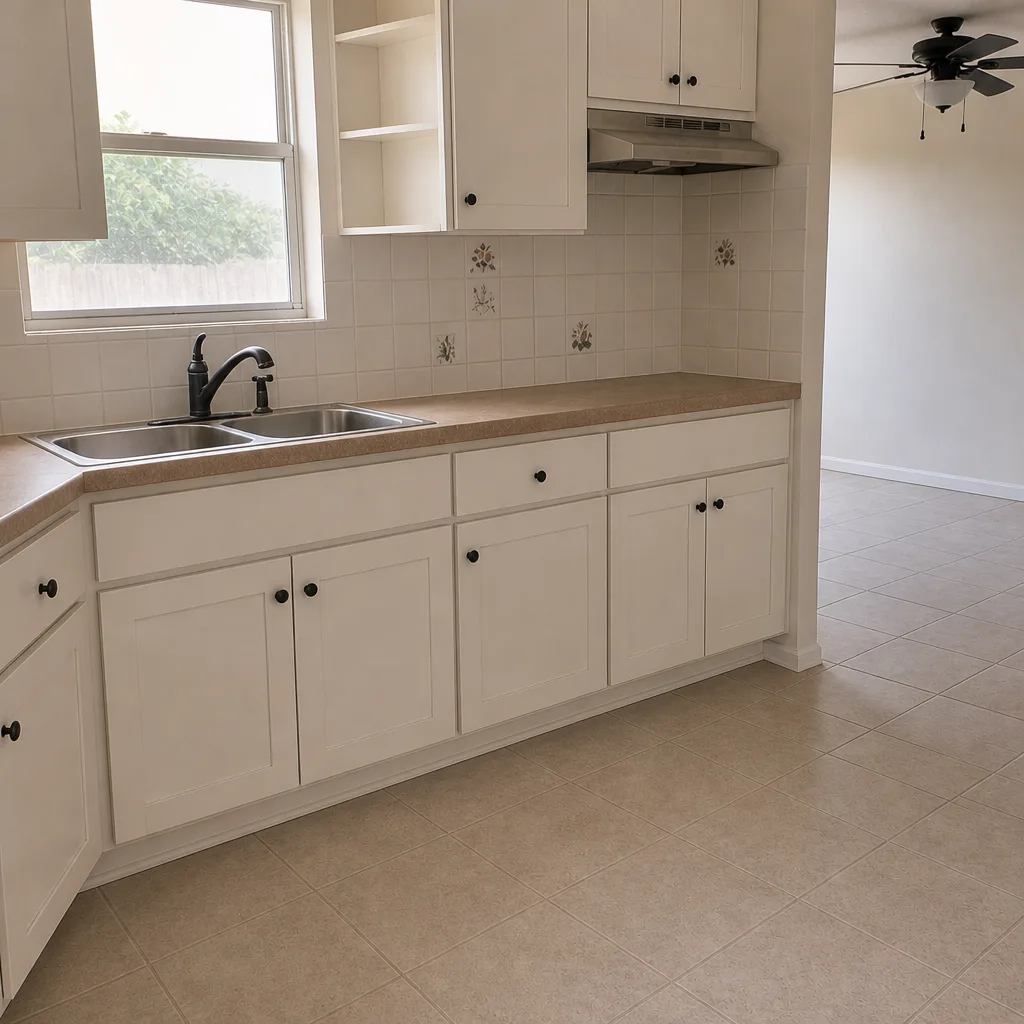 After
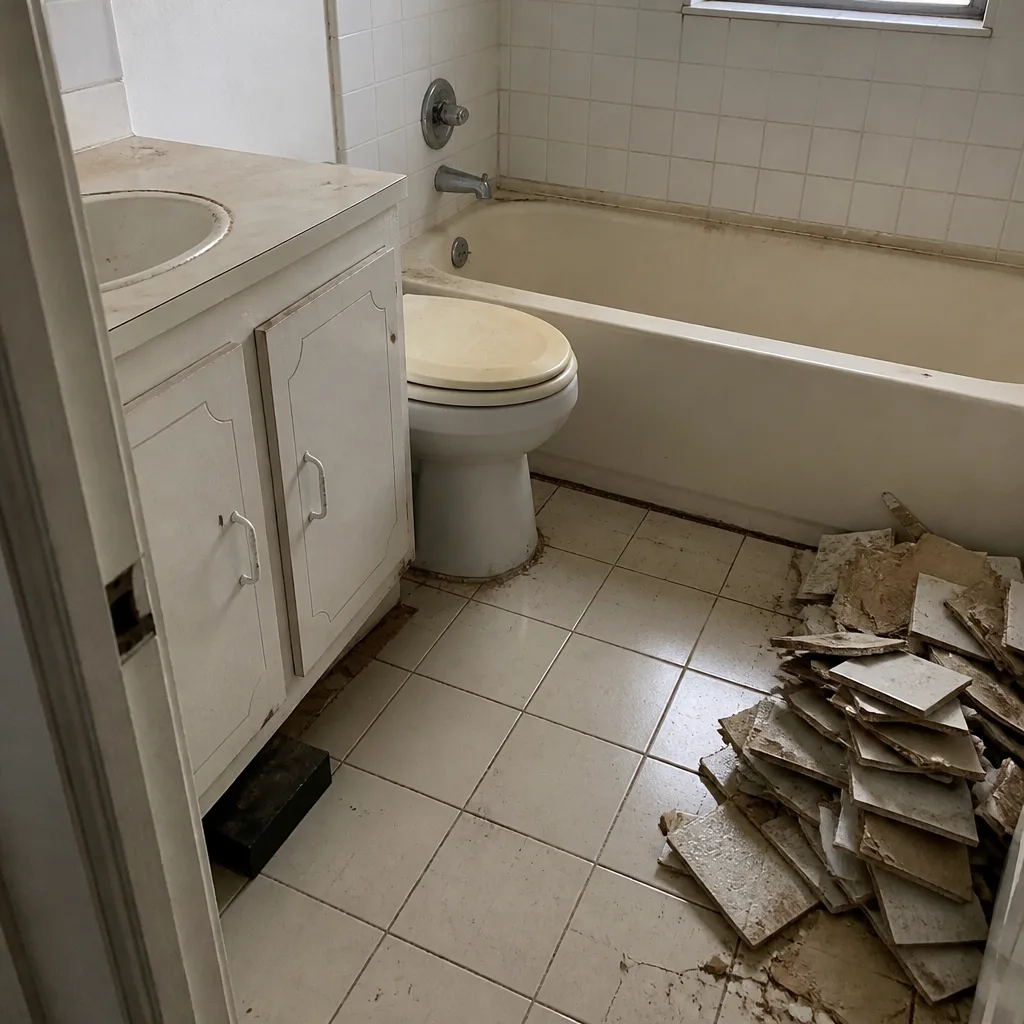 Before
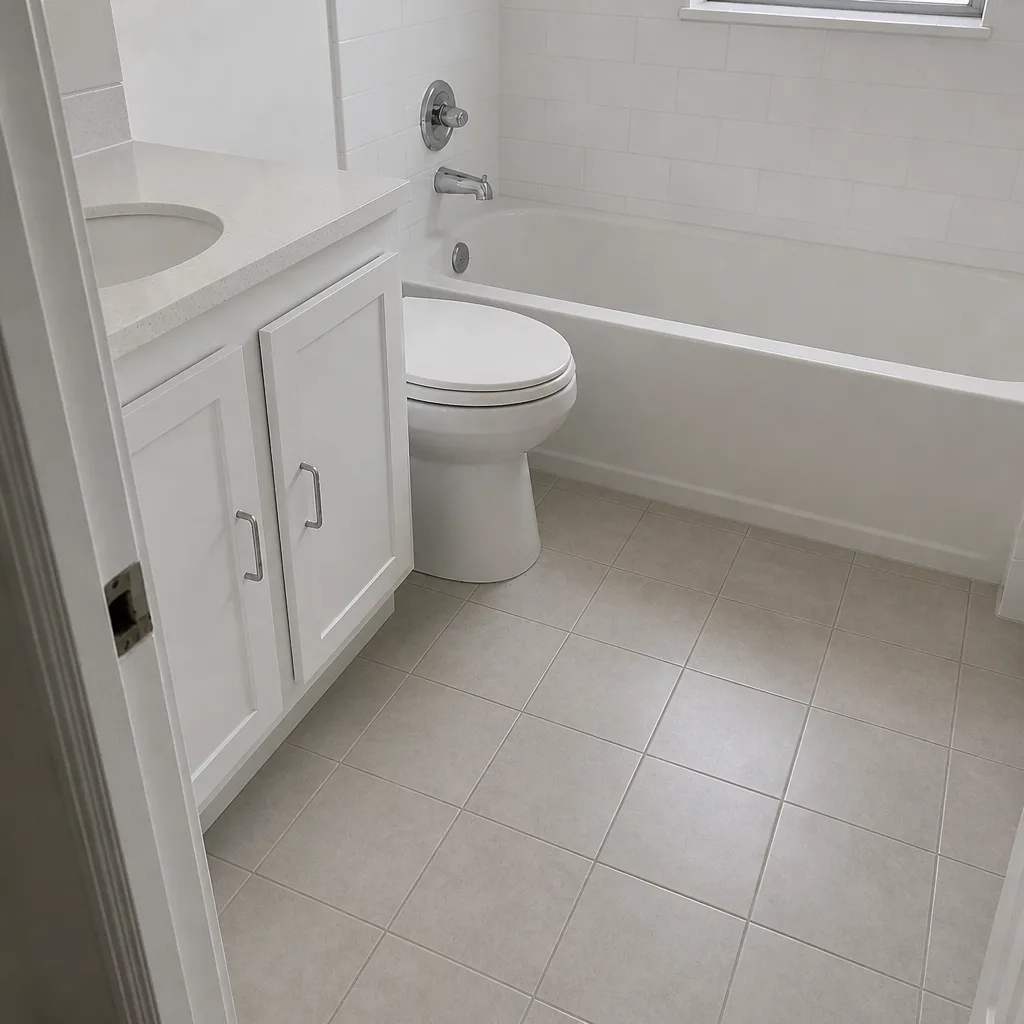 After
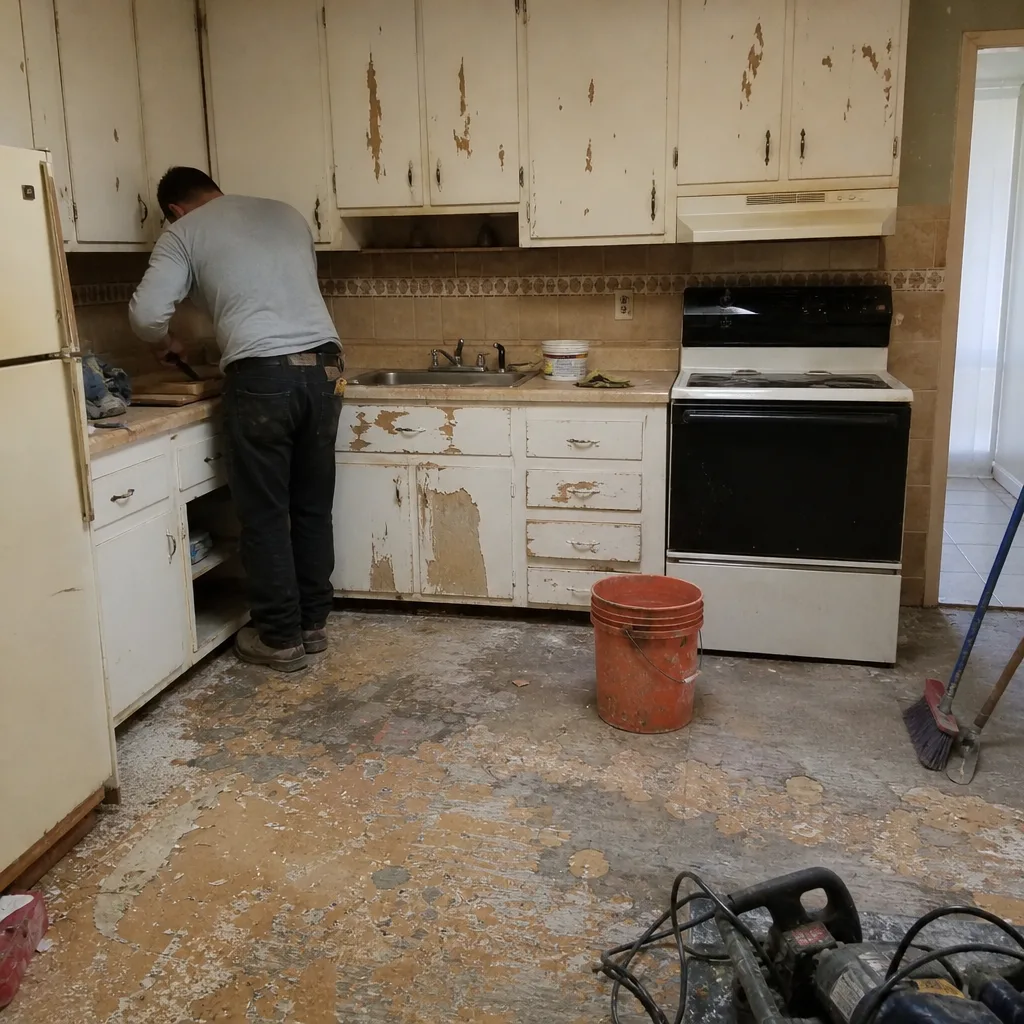 Before
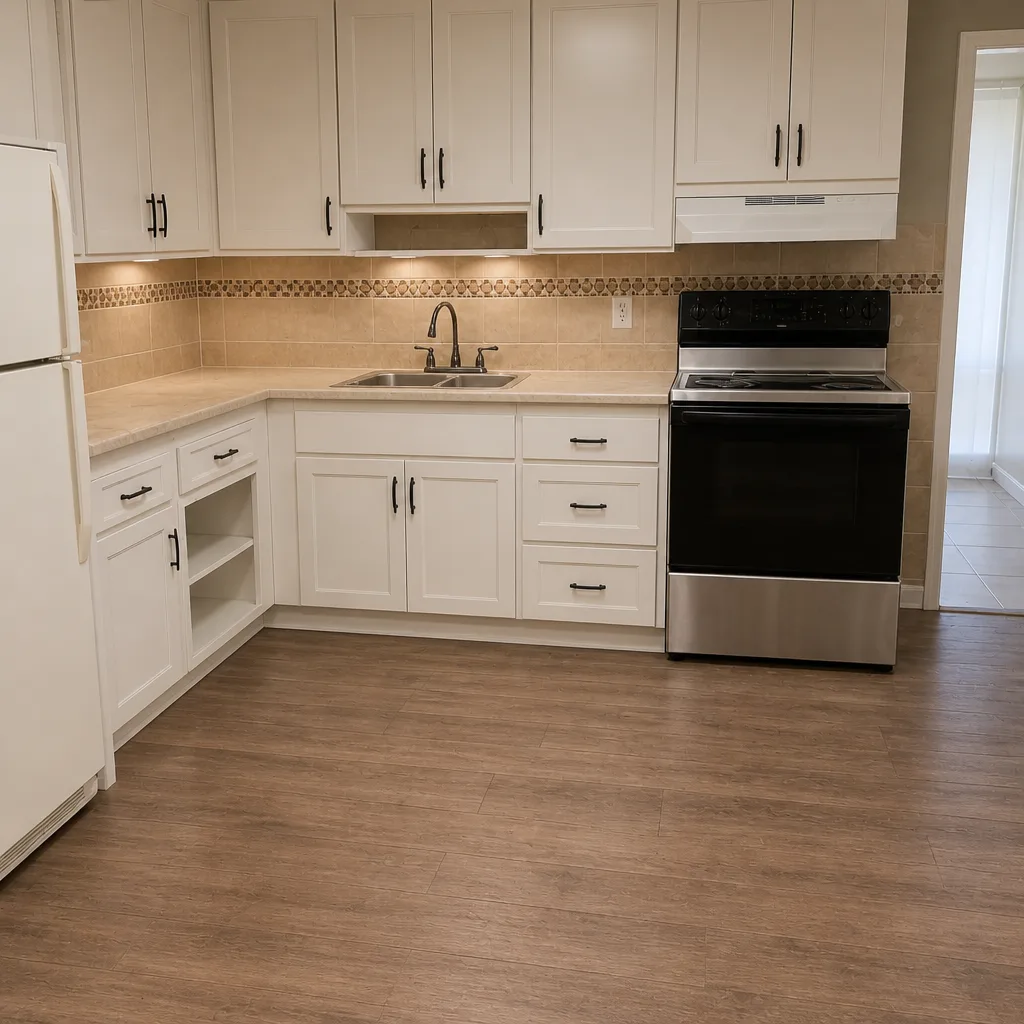 After
Frequently Asked Questions
The HVHZ is Miami-Dade and Broward County’s stricter overlay of the Florida Building Code, driven by higher local design wind speeds. It applies to every exterior component of a Cutler Bay project that’s subject to wind loading, including windows, doors, roofing, shutters, and glazing. Interior-only renovations still require the permits, but the HVHZ product-approval burden applies specifically to exterior work. If your project touches the envelope, assume HVHZ applies.
The Town of Cutler Bay comes first for zoning, land-use, and local overlays. Miami-Dade County Building follows for technical review, structural, MEP, energy code, and product-approval verification. Doing the county review before the town approval is the most common cause of double review and a 2-4 week delay. Call (833) 620-5491 if you want a free estimate that accounts for the full permit sequence.
A building permit is the county’s authorization to perform the work; the Notice of Commencement is a separate legal filing recorded with the Miami-Dade Clerk of Courts that starts the lien clock and must be recorded before work begins. Both are required, and a missing NOC creates lien exposure that outlasts the project. The NOC is posted on site alongside the permit.
Check for a current Miami-Dade Notice of Acceptance (NOA) number and a Florida Product Approval number. Look up the NOA in the county’s approval database and confirm the product series, size limits, and installation method all match what’s specified. A Florida Product Approval alone does not clear the HVHZ bar. If your contractor can’t produce the NOA reference before you order, that’s a stop sign.
Ranges run from about $35,000-$75,000 for a mid-grade kitchen remodel to $150-$275 per square foot for a whole-home remodel, with additions at $250-$425 per square foot and higher in AE/VE flood zones. HVHZ product premiums and engineered flood-zone foundations are the two biggest drivers above inland Florida pricing. Call (833) 620-5491 for a written estimate in Cutler Bay, and ask for the range to be itemized so the number doesn’t move after work starts.
Not if it’s written down. The one thing that should hold across any Cutler Bay project is the written price before work starts: if something changes after, it should be an addendum you sign, not a verbal adjustment at the door. Over half the disputes we hear about in the market started with a verbal number. If you’re comparing bids, the question to ask isn’t who’s cheapest, it’s who will put the range in writing with the scope. That single filter eliminates most of the wrong contractors.
The Bottom Line
Construction in Cutler Bay is a layered sequence: HVHZ compliance, town-then-county permitting, flood-zone-specific foundation design, a properly recorded Notice of Commencement, and materials carrying both Florida Product Approval and current Miami-Dade NOA numbers. Each layer is manageable on its own. Skipped in the wrong order, they cost weeks and, in the worst cases, materially more than the project itself. The reliable filter is documentation. Written price, written scope, written guarantee, and approval numbers that show up on the permit application and again on the installation. For a Cutler Bay homeowner, that’s the standard to hold every contractor to, and it’s easier to verify than reputation claims.
How to Get Started
If you’re planning work in Cutler Bay, the fastest path to a real number is a free estimate with the scope laid out line by line. Call Bradford Remodeling Co Cutler Bay at (833) 620-5491 to schedule your free estimate. We answer live, 24 hours a day, and the price we give you is in writing before any work starts, backed by the 365-Day Done Right Promise. Materials come from a documented roster of brands whose approvals and warranties hold up to Miami-Dade’s review, and every completed project closes with a clean site and a signed written guarantee in your hand. That’s the standard we work to, and it’s what a Cutler Bay project should look like from the first call to the final inspection.
Written by the team at Bradford Remodeling Co Cutler Bay.