Last updated November 18, 2026
Free written scope consultation - allowances, timeline, and change-order rules on paper before a single trade is scheduled
The Complete Home Remodeling Guide for Cutler Bay Homeowners
In Miami-Dade County, a whole-home remodel that touches plumbing, electrical, and structural work in the same project may require three separate permit applications under three different licensed trades. That single fact trips up more Cutler Bay homeowners than any design decision. A general contractor who says “I’ll handle it all” without explaining which permits get pulled under which license is telling you something important. This guide covers how the county’s permit structure really works, how to sequence trades so they don’t collide, what pre-1990 Cutler Bay homes tend to hide behind the drywall, and the contract terms that protect you. You’ll leave with a plan you can actually hold a contractor to.
Quick Answer
A whole-home remodel in Cutler Bay typically runs $85,000-$220,000 for a full gut of a 1,500-2,200 sq ft home, and the project succeeds or fails on sequencing and permits, not finishes. Miami-Dade requires trade-specific permits (plumbing, electrical, mechanical, structural) coordinated under a licensed general contractor, and any structural work in this wind-borne debris region triggers wind mitigation review. Budget a 12-18% contingency on pre-1990 homes, where aluminum branch wiring and galvanized supply lines are common.
Styles & brands we work with
- Kitchen remodeling
- Bathroom remodeling
- Home additions & ADU
- Roofing
- Windows & doors
- Driveway & pavers
- Fence
Table of Contents
- How Miami-Dade’s Permit Structure Works for Multi-Trade Projects
- Cutler Bay Site Conditions That Change Your Scope
- How to Sequence a Whole-Home Remodel Without Trade Conflicts
- Building a Contingency Budget for an Older Cutler Bay Home
- The Master Contract Checklist
- Common Mistakes to Avoid
- When to Call a Professional
How Miami-Dade’s Permit Structure Works for Multi-Trade Projects
Miami-Dade County issues permits by trade, not by project. That means a remodel touching your kitchen plumbing, a panel upgrade, and a load-bearing wall removal is three or four separate permit records, each tied to a license type. There are two ways this gets organized, and knowing the difference protects you.
Option one: a master permit with sub-permits. A licensed general contractor pulls the master building permit and files sub-permits for plumbing, electrical, and mechanical under it. The GC coordinates the inspections and is the single point of accountability. This is the cleaner route for a whole-home project because one entity owns the schedule.
Option two: separate permits by trade. The homeowner or GC contracts each trade directly, and each trade pulls its own permit. It works, but you’re now managing four inspection timelines and four license-holders who may not be talking to each other.
Here’s what matters most: a Florida general contractor’s license authorizes coordination and the structural and general building scope. It does not authorize the GC to self-perform electrical, plumbing, or mechanical work. Those require separate state licenses. So when someone offers to “do it all” on one handshake, ask which license covers which portion, and ask to see the permit records. The Division of Corporations and the DBPR license lookup are public; use them.
For the general-contracting scope specifically, see our page on general contractor services in Cutler Bay.
Cutler Bay Site Conditions That Change Your Scope
Cutler Bay sits on the coast-facing edge of South Miami-Dade, and three site realities affect nearly every remodel here.
- Slab-on-grade construction. Most Cutler Bay homes are built on a concrete slab with no basement or crawlspace. Rerouting plumbing means trenching or jackhammering the slab, which adds cost and time. If you’re relocating a kitchen sink or adding a bathroom, expect slab work in the line-item scope, not buried in an allowance.
- Wind mitigation and the High-Velocity Hurricane Zone. Miami-Dade is in the HVHZ, the strictest wind code in the country. Any structural work, new opening, or roof-related scope triggers product approval requirements. Windows, doors, and garage doors need Miami-Dade NOA (Notice of Acceptance) ratings. Even a structural beam replacement can pull wind mitigation review into your project. This is not optional and not something a handyman can navigate.
- Flood zone designation. Parts of Cutler Bay fall in AE or VE flood zones. If your remodel changes the footprint or the lowest floor elevation, you may need an elevation certificate and floodplain review. Check your flood zone before you design an addition; it can reshape the whole plan.
HOA approval is the fourth variable. Many Cutler Bay communities have architectural review boards that must approve exterior changes, roof color, fence style, and sometimes even window frame profiles before a permit is filed. We’ve seen projects sit for weeks because the ARC packet went in after the permit. Get HOA sign-off first, in writing, then permit.
How to Sequence a Whole-Home Remodel Without Trade Conflicts
Most multi-room projects that go sideways do so because trades overlap or arrive out of order. One crew’s finished work becomes the next crew’s damage. The sequence below is the order that keeps inspections clean and finishes intact.
- Demolition and structural. Tear-out, beam and header work, wall removals. Structural inspection happens before anything closes up.
- Rough-in framing and sheathing. New partitions framed, opening sizes confirmed against window and door specs (Therma-Tru entry doors, for example, need rough openings set to the manufacturer’s spec).
- Plumbing, electrical, and mechanical rough-in. These go in the walls and slab concurrently, then get inspected together. Electrical rough-in must be complete and inspected before insulation. Insulating over un-inspected wiring is one of the most common sequencing failures we see.
- Insulation and drywall. Only after rough-in inspection passes. No insulation goes in until the inspector signs off.
- Drywall finish, texture, and primer. Prime before trim, not after, so paint lines land clean.
- Cabinetry and casework. Kitchen and bath installs follow paint-ready walls. This is where documented brands matter: KraftMaid and Wellborn cabinets arrive to spec, with manufacturer documentation you can trace to the order.
- Countertops, tile, and hard surfaces. Templated after cabinets are set and level. Cambria and Caesarstone surfaces are measured on-site, so cabinet installation has to be final.
- Fixtures and trim. Kohler and Moen fixtures set after tile and paint. Door hardware, baseboard, casing.
- Flooring last. Flooring is the final finish trade in because every other trade walks on the substrate. Installing flooring early is how you get scratched planks and a punch list you didn’t budget for.
The discipline here is protecting completed work. Floors get ramp paper, cabinets get protective film, and trades that come in after flooring wear clean booties. A crew chief who doesn’t enforce that is costing you money you won’t see until the walkthrough.
Building a Contingency Budget for an Older Cutler Bay Home
Pre-1990 Cutler Bay homes are solid, but they were built to a different code cycle and with materials that ages poorly in South Florida humidity. The two hidden conditions that blow up remodels most often are aluminum branch wiring and galvanized plumbing. Aluminum wiring, common in homes built in the late 1960s and 1970s, requires either full replacement or code-compliant remediation at every connection. Galvanized supply lines corrode from the inside, and once you open walls, they’re often one repair away from a full repipe.
Budget the contingency properly. Here’s a framework:
- Standard contingency: 10% on homes built after 1990 with documented updates.
- Older-home contingency: 12-18% on pre-1990 Cutler Bay homes, higher if the electrical panel and wiring have never been touched.
- Reserve fund: a separate, untouchable 5% held back until final inspection. You’ll need it for the items that only surface at punch list.
That contingency is not padding. It’s the difference between a mid-project change order that derails the schedule and a documented allowance you already agreed to. Getting a written price before work begins, with line items that name the assumptions, means you know which surprises are truly hidden conditions and which were a contractor not doing their homework. That’s what The Garrison Standard requires of us: every number in writing before a tool comes out.
The Master Contract Checklist
A whole-home remodel is a lot of money moving across many months. The contract has to hold the scope, the money, and the accountability in one place. Check these off before you sign:
- Scope of work, room by room. Written spec sheets naming brands and models, not “premium cabinets” or “quality fixtures.” KraftMaid, Wellborn, Cambria, Kohler, GAF, James Hardie, Therma-Tru, and similar brands have traceable specs and warranties; generic language doesn’t.
- Payment schedule tied to phases. No large deposit up front beyond what your state allows. Draws release at completed milestones, verified by inspection or walkthrough, not by calendar date.
- Named licensed sub-contractors. Electrical, plumbing, and mechanical subs should be named with license numbers attached to the contract. You should know who’s walking through your door before they arrive.
- Lien release structure. Every draw should release a lien waiver from the sub and the supplier before the next payment goes out. This protects you from a mechanic’s lien on your own home.
- Final inspection sign-off. The last payment triggers only after the certificate of completion and final inspection passes. That sign-off is your legal proof the work meets Miami-Dade code, and it activates your guarantee, which for every project we complete is the 365-Day Done Right Promise: if the work fails within that year, we come back and correct it at no charge.
Common Mistakes to Avoid
- Hiring one unlicensed “general handyman” to do everything. They can’t pull the trade permits, and the inspector will stop the project. In Miami-Dade’s permit structure, that’s a full stop, not a slap on the wrist.
- Filing the permit before HOA approval. Cutler Bay communities with architectural review boards can reject an already-permitted exterior change, and you eat the cost of the re-file.
- Sequencing flooring too early. We’ve seen homeowners order flooring first because it was “the fun part.” It gets walked on by five more trades and shows every scratch at move-in.
- Skipping the contingency. A pre-1990 Cutler Bay home with aluminum wiring and a tired panel will find you mid-project if you budgeted zero for hidden conditions.
- Insulating before electrical inspection. The inspector will fail the wall, and you’ll be opening drywall you already paid for.
- Tools-down surprises. A price that moves at the door means the contract had allowances instead of fixed pricing. You want the written number locked before demolition.
- Ignoring wind mitigation scope. Any new opening in the HVHZ needs NOA-rated product. Specifying a non-rated door is a redesign and a delay.
When to Call a Professional
Some scope is genuinely beyond a homeowner with time and a YouTube playlist. Get a professional in the room when the project touches the panel, moves plumbing through a slab, changes a load-bearing wall, or changes the footprint. Those are the scopes that require licensed trades, permits, and inspections, and the ones where the cost of doing it twice dwarfs the cost of doing it right once. If your remodel crosses more than two rooms or more than two trades, a coordinated plan pays for itself. Bradford Remodeling Co Cutler Bay offers free estimates in Cutler Bay. Call (833) 620-5491 to schedule yours; a live person answers, 24 hours a day.
See the difference
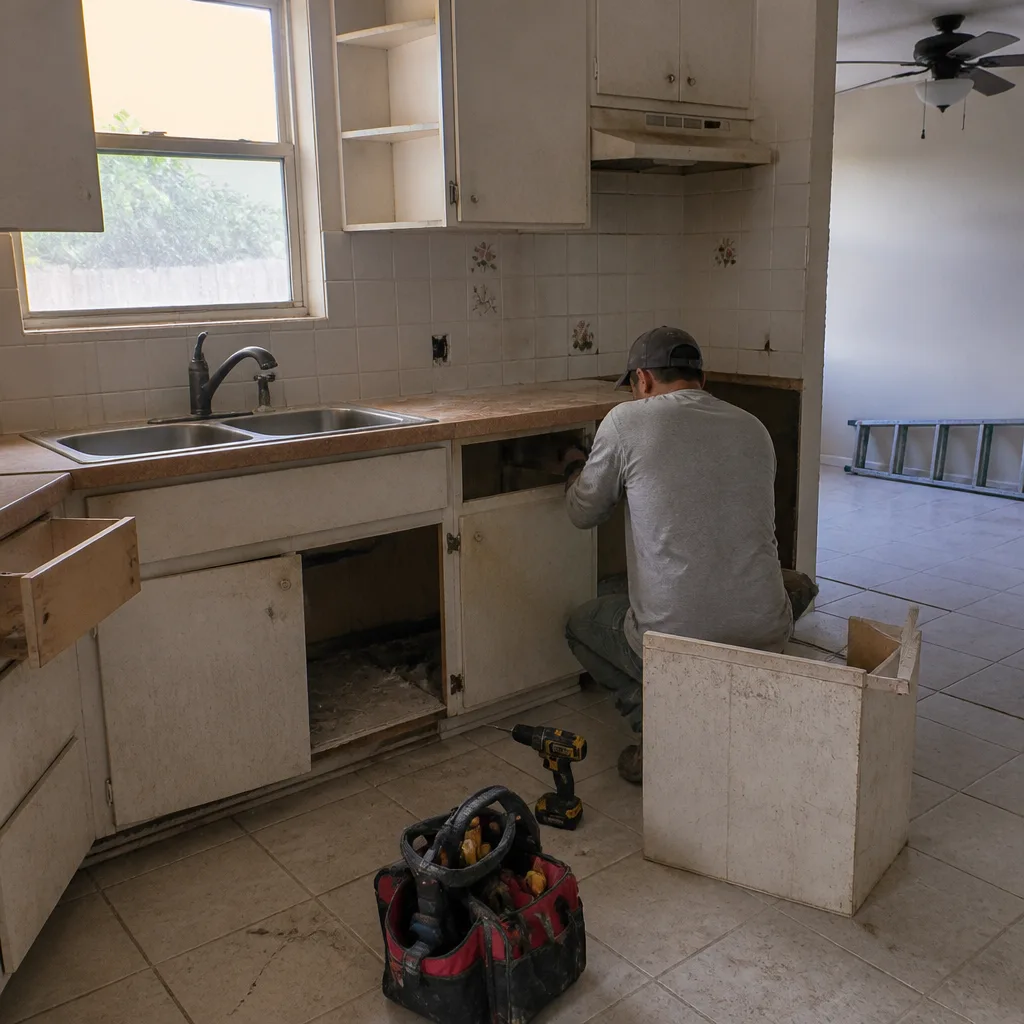 Before
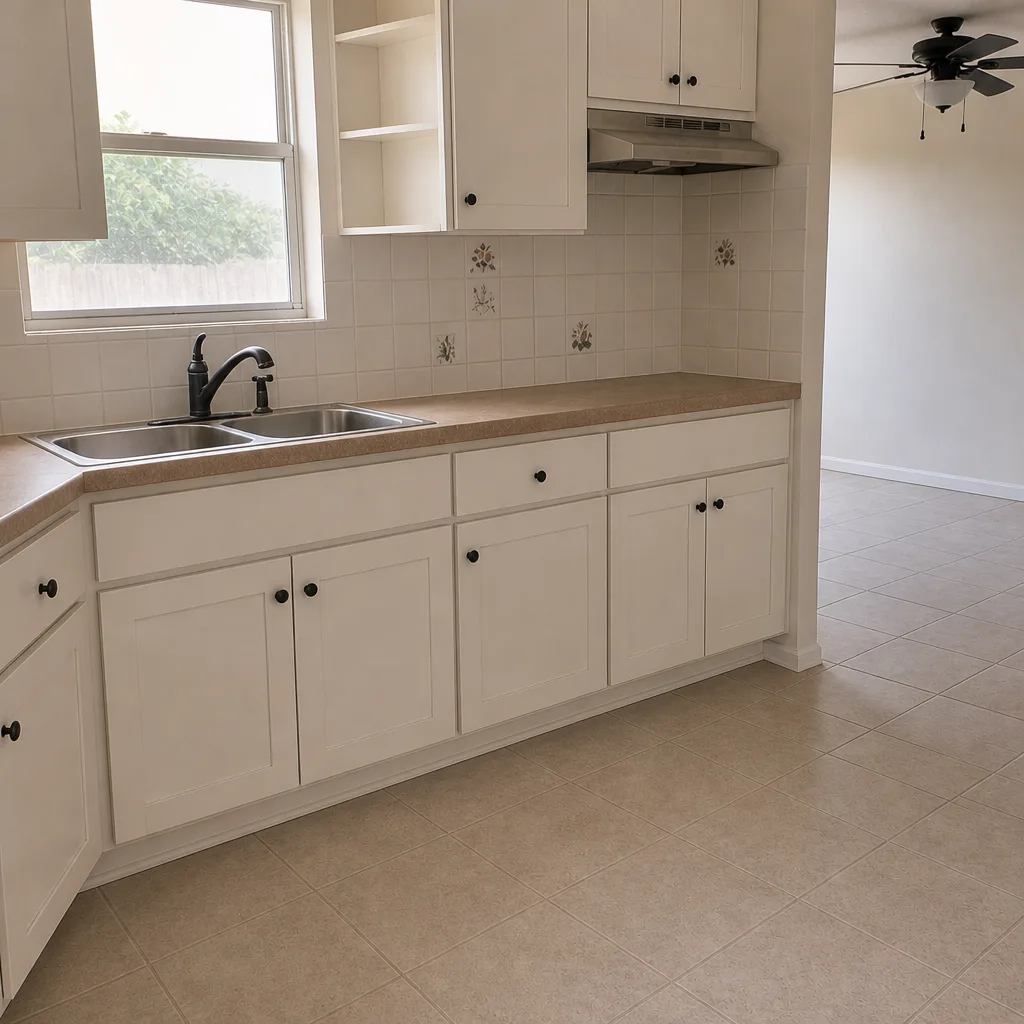 After
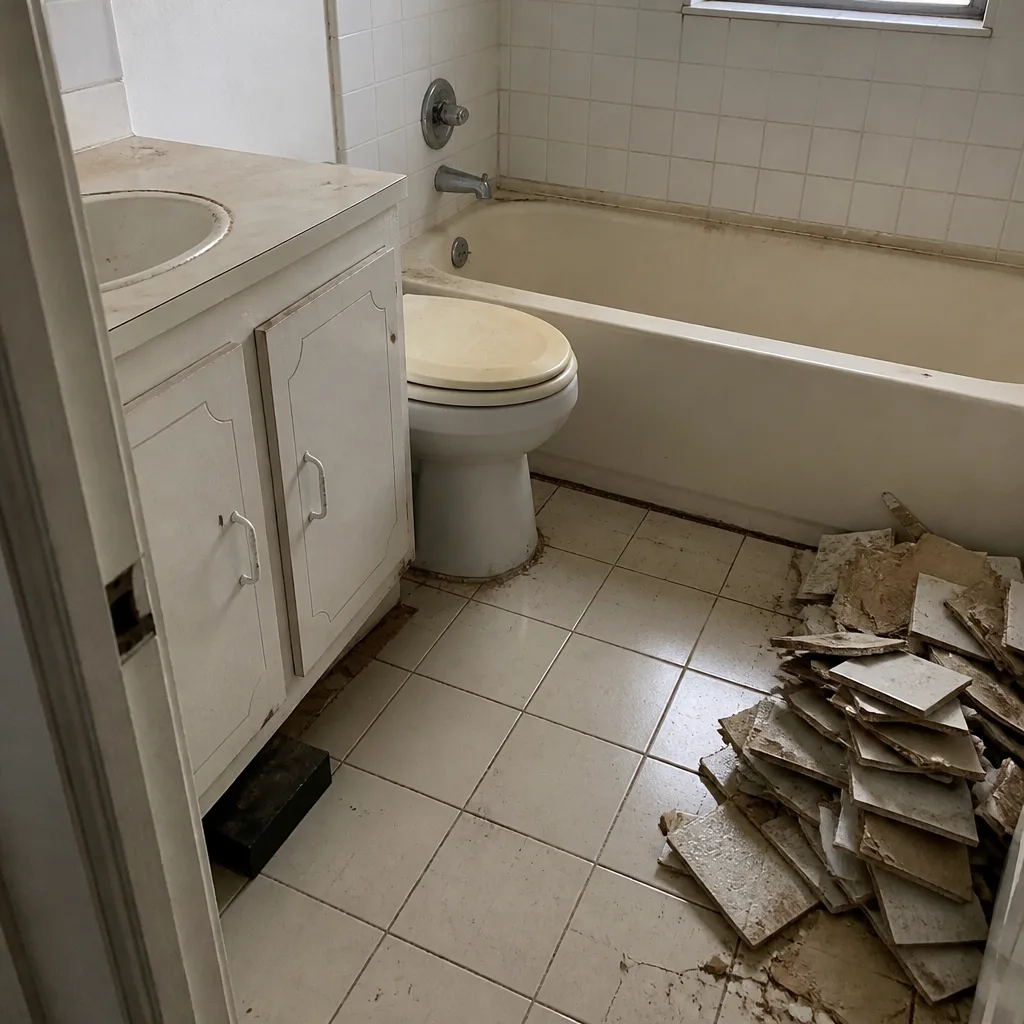 Before
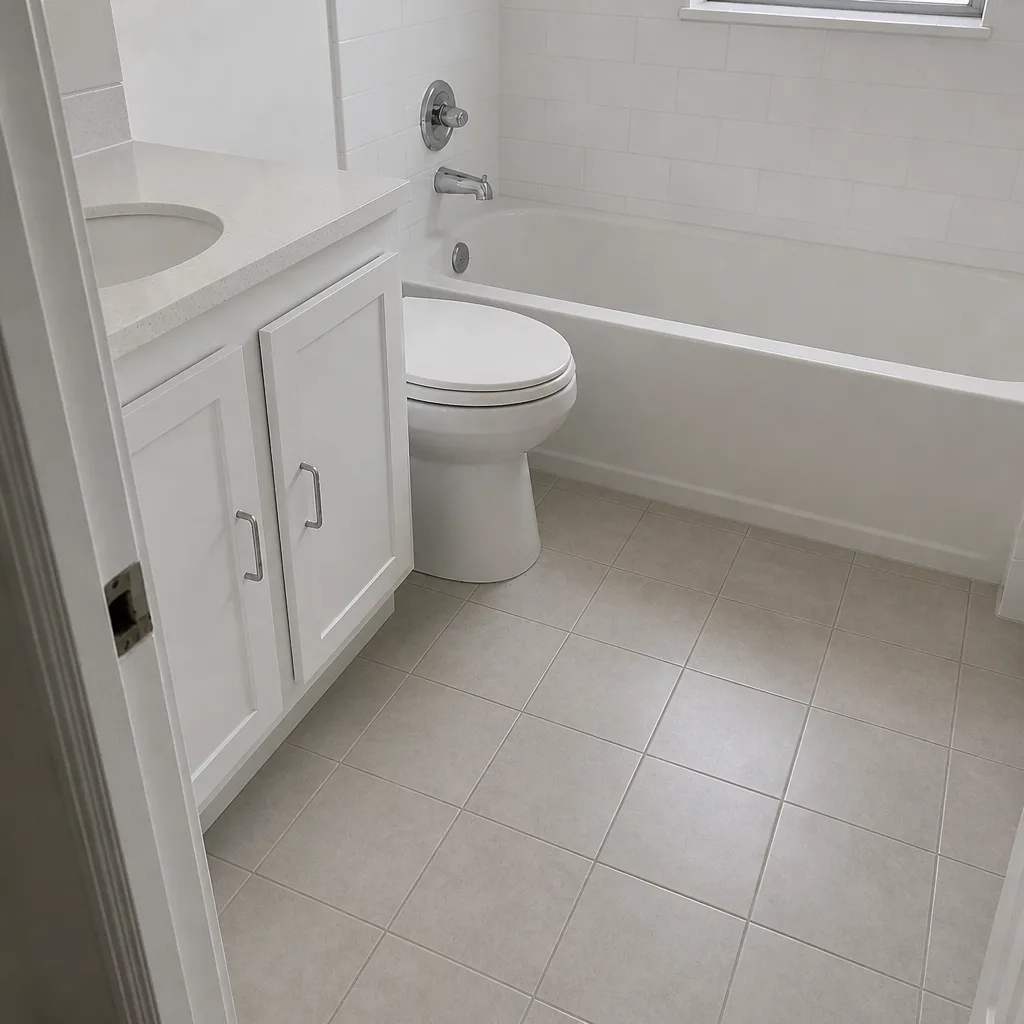 After
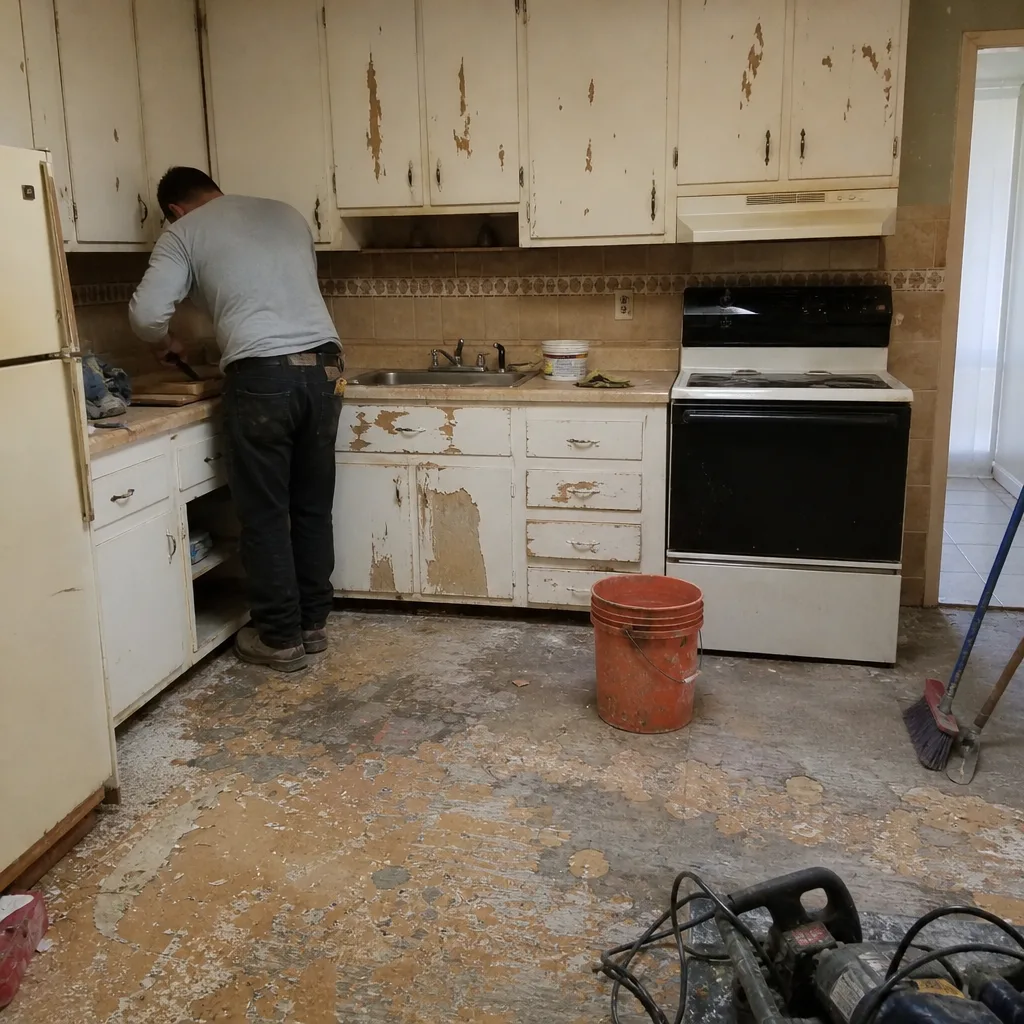 Before
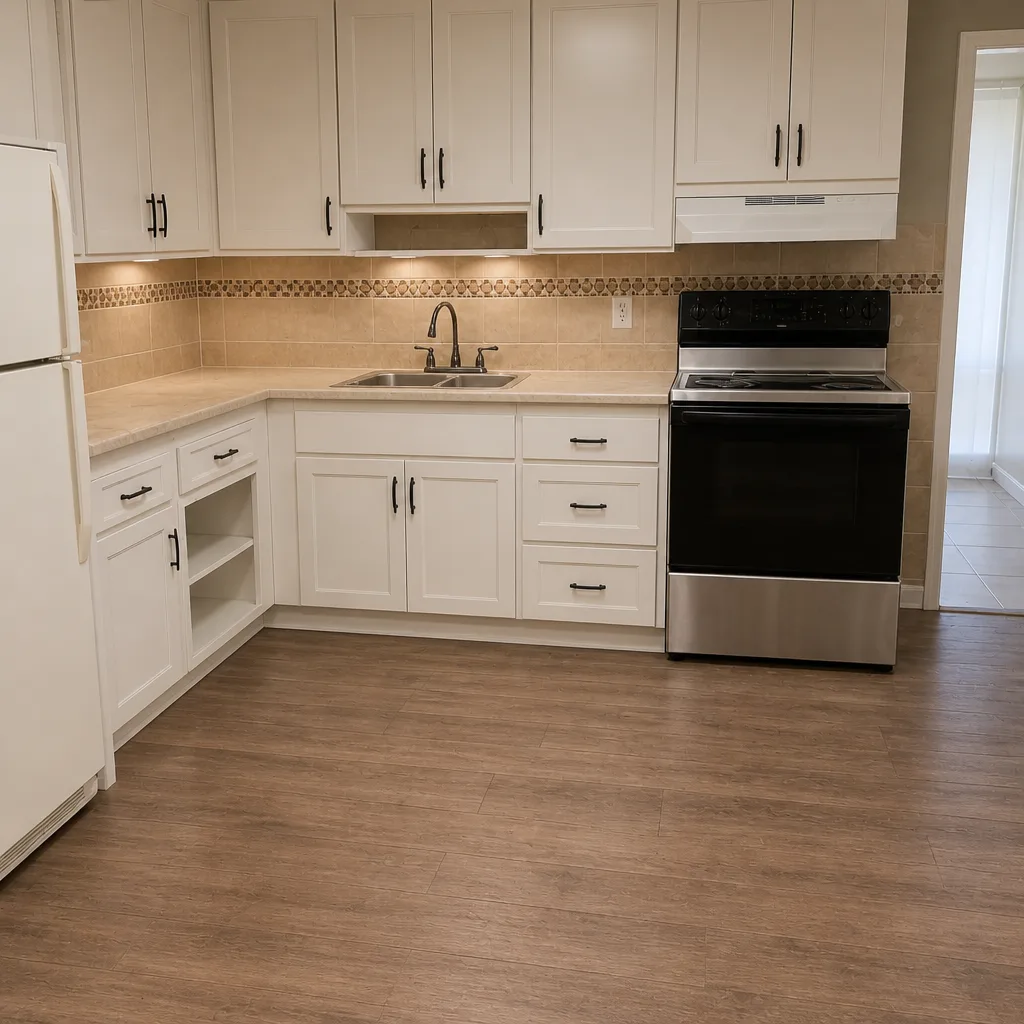 After
Frequently Asked Questions
A full gut remodel of a 1,500-2,200 sq ft Cutler Bay home typically runs $85,000-$220,000, with kitchen and bath scopes at the higher end and higher-end finishes (Cambria or Caesarstone surfaces, custom KraftMaid cabinetry) pushing past the range. Budget 12-18% contingency on pre-1990 homes. Call (833) 620-5491 for an exact written quote; estimates are free.
Yes. Miami-Dade County requires permits for any electrical, plumbing, or mechanical work, which nearly every kitchen remodel involves. Cosmetic work (paint, cabinet refacing without plumbing changes) may not need one, but relocating a sink, adding a vent, or moving an outlet does. Your contractor should tell you exactly which permits get filed.
It shouldn’t if you received a written fixed price before work began. Change orders are legitimate only for documented hidden conditions, like discovering galvanized supply lines behind a wall that wasn’t in scope. We put the price in writing before any work starts, and it doesn’t move at the door.
A whole-home remodel typically runs 4-7 months, longer for pre-1990 homes needing slab work or a full repipe. Miami-Dade inspections add scheduling time, and HOA approval can add weeks at the front end. Sequence correctly and the calendar holds; sequence wrong and every inspection pushes the next trade.
Often yes. Many Cutler Bay communities require architectural review board approval for exterior changes, roof color, fence style, door profiles, and window frame choices. Get it in writing before the permit goes in to avoid re-filing.
Every completed project we finish carries a full-year written guarantee. If the work fails within that 365-day window, we return and correct it at no charge. It’s in writing, in your hand, at job close, along with the documented scope and a clean site.
The Bottom Line
Whole-home remodeling in Cutler Bay rewards planning and punishes improvisation. The permit structure is by trade, the wind code is the strictest in the country, and pre-1990 homes hide conditions that a proper contingency absorbs. Sequence trades correctly, hold the contract to a written fixed price, and get every guarantee in writing. Our Bradford Remodeling Co Cutler Bay home page lays out how we run projects under The Garrison Standard. From a full kitchen rebuild to kitchen remodeling in Cutler Bay or bathroom remodeling in Cutler Bay, the discipline is the same: documented scope, written price, and a signed guarantee at close. Call (833) 620-5491 for your free estimate.
Written by the team at Bradford Remodeling Co Cutler Bay.