Last updated November 18, 2026




Free written scope consultation - allowances, timeline, and change-order rules on paper before a single trade is scheduled
Kitchen Remodeling Warning Signs Every Homeowner Should Know
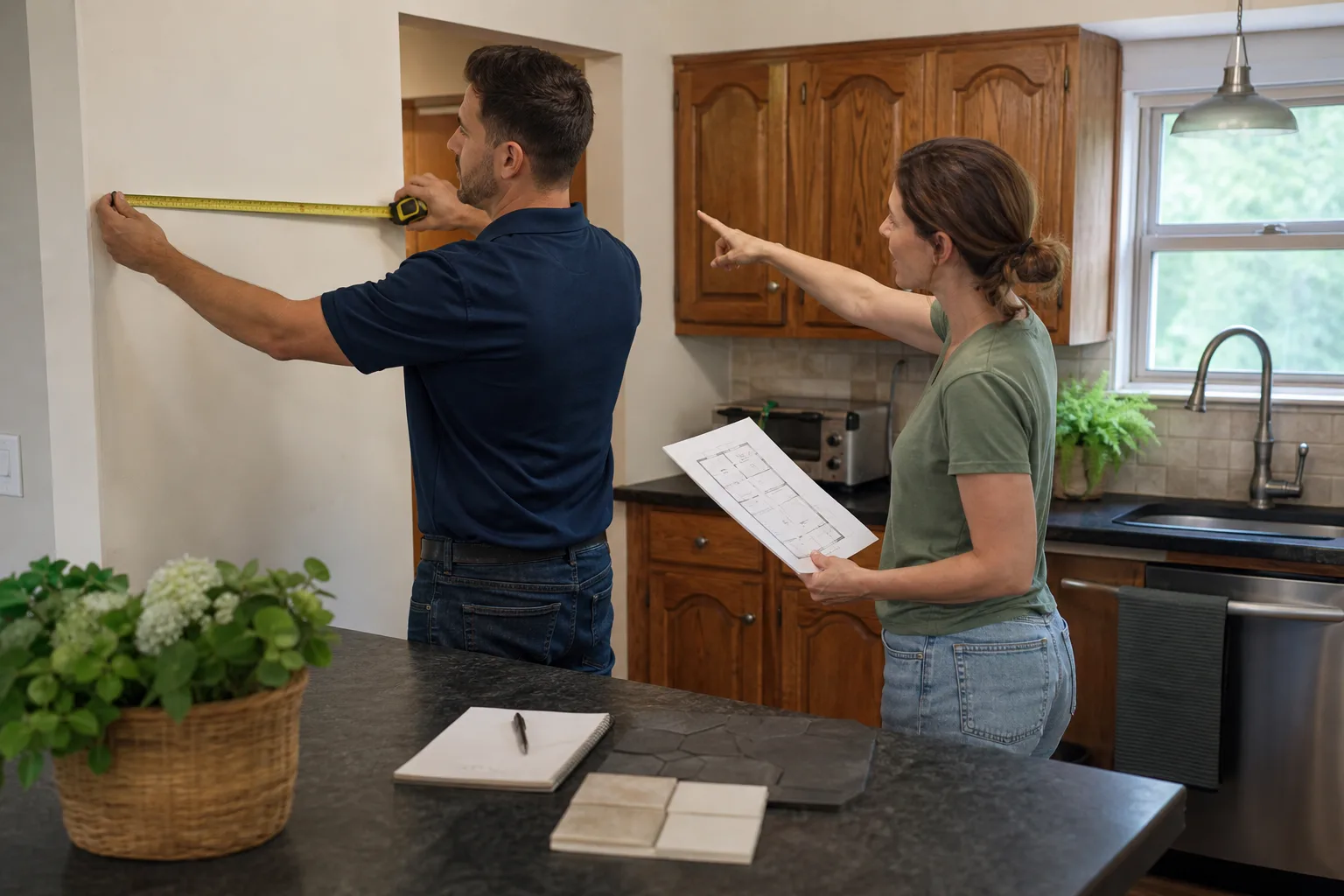
A contractor who can’t produce a line-item written estimate before the job starts will not produce accurate invoices after it starts. That’s not a personality quirk or a bad day at the office – it’s a workflow problem, and it costs homeowners money. In our experience working kitchens across Cutler Bay, the remodel that goes sideways almost always announced itself in week one, in how the estimate was written, not in how the drywall went up. This guide is about reading those signals early. We’ll cover the low-ball bid that grows change orders, what a vague scope looks like next to a specific one, how to verify a license and insurance in Miami-Dade County, and why a large upfront deposit is the single clearest warning you’ll ever get.
Quick Answer
The biggest warning signs of a bad kitchen remodeling contractor show up before the contract is signed: a verbal or “ballpark” estimate with no line items, a scope of work that says “demo and install” without listing debris disposal or permit fees, a deposit request above a few thousand dollars or a third of the job, and no Certificate of Insurance naming you as certificate holder. A contractor who won’t put those specifics in writing has shown you how they’ll handle the rest of the job. Call (833) 620-5491 and we’ll walk you through what a clean, written estimate looks like for a Cutler Bay kitchen.
Styles & brands we work with
- Kitchen remodeling
- Bathroom remodeling
- Home additions & ADU
- Roofing
- Windows & doors
- Driveway & pavers
- Fence
Table of Contents
- Why the Lowest Bid Is Usually the Most Expensive
- What a Vague Scope of Work Actually Looks Like on Paper
- How to Verify a License and Insurance in Miami-Dade County
- The Large Upfront Deposit: What a Fair Payment Schedule Looks Like
- When the Contractor Goes Quiet After the Deposit Clears
- Cutler Bay Climate and the Kitchen Remodel Details Contractors Skip
- How to Compare Two Kitchen Bids Side by Side
- Common Mistakes to Avoid
Why the Lowest Bid Is Usually the Most Expensive
The low-ball-and-change-order pattern is the oldest one in remodeling, and it works because the strategy is invisible until the customer is already committed. A bid that comes in $9,000 under every other quote for a comparable Cutler Bay kitchen isn’t generosity – it’s a bid that left something out on purpose. The missing line items are predictable: demolition debris disposal, permit fees, tile substrate prep, cabinet crown molding, plumbing rough-in adjustments when the sink moves, and the electrical work needed to bring an older kitchen up to code.
Here’s what happens. The number looks great, you sign, work begins. Then the first week of demo reveals that the old floor has two layers of tile over a lousy substrate, and the contractor explains that substrate prep wasn’t “in the price.” That’s $2,400 you didn’t budget. The dumpster gets dropped and hauled after the job, added as a separate fee. The permit application comes back with an inspection requirement, and someone has to pay for the extra visit. Each surprise feels small. Together they routinely add 20% to 30% to a low-ball bid, and you end up paying more than the honest quote you turned down.
In the Cutler Bay market we see this most often on kitchens in the older neighborhoods, where homes built in the 1970s and 1980s have layouts that were never updated for modern appliance sizes or electrical load. A remodeler who knows that will include allowance lines for the rework. A remodeler hunting volume won’t mention it until it’s too late to walk away.
Our approach is the opposite on purpose. Every Bradford Remodeling kitchen project in Cutler Bay starts with a written price before any work begins, broken out line by line, with the demolition, debris disposal, permit fees, and substrate prep all named. If a line item isn’t needed, you’ll see it isn’t there. If it is needed, you already know the number. See how we structure it on our Kitchen Remodeling in Cutler Bay page.
What a Vague Scope of Work Actually Looks Like on Paper
The scope of work is the sentence-by-sentence description of what will be done. It’s the part homeowners skim past, and it’s the part that decides whether the project stays on budget. Vague scope is the mechanism behind almost every change order. Learn to read it before you sign.
Here are two real-language examples, so you can hold them up next to your own quote:
Vague: “Remove existing kitchen, install new cabinets, countertops, and flooring. Includes labor and materials.”
Specific: “Remove existing upper and lower cabinets, countertops, sink, and flooring. Haul away all demolition debris in one 20-yard dumpster, included in price. Prep and level subfloor, install 1/4-inch cement backer board in wet areas. Install KraftMaid shaker-style cabinets to layout drawing, with 3/4-inch plywood boxes and soft-close hinges. Install Cambria quartz countertop, 2cm, with undermount sink cutout and eased edge. Install tile backsplash to 18-inch height with pre-sealed grout. Pull Miami-Dade County permit and coordinate two inspections. Includes final clean and haul-away of all packaging.”
The vague version can mean almost anything, and the contractor will decide what it means on the day the invoice goes out. The specific version is checkable. You can count line by line, compare against the bid the next contractor gave you, and see where the difference in price actually lives.
Two things you should insist on seeing in scope for any Cutler Bay kitchen:
- Permit language. Miami-Dade County requires permits for most kitchen remodels because of plumbing and electrical work. If the scope doesn’t mention permitting, ask directly who pulls it and who pays.
- Debris disposal. A 10-by-10-foot kitchen remodel produces a dumpster’s worth of material. If disposal isn’t named, plan on a separate bill of $400 to $800 depending on volume.
We put the same discipline into total-home work. If your scope extends beyond the kitchen, our General Contractor in Cutler Bay page shows how a phased written scope looks across a whole project.
How to Verify a License and Insurance in Miami-Dade County
Florida law requires the contractor performing more than $2,500 of work to hold a state-issued contractor license or a registered local license, and to carry workers’ compensation and general liability insurance. Verifying both takes about ten minutes online and is the single most valuable step you can take before signing. Here’s the sequence.
- Check the license. Go to the Florida Department of Business and Professional Regulation (DBPR) license lookup and search the contractor’s name or license number. Confirm the status is “Active,” that the license type covers residential work, and that the name on the license matches the name on the estimate and contract exactly. If a subcontractor or a company name is different, ask who will actually pull the permit.
- Confirm the license is certified for the county. Miami-Dade County requires a contractor to be licensed through the county’s Contractor Licensing office or to hold a state-certified license. If the contractor operates only on a different county’s registration, the county inspection department may refuse to permit the job.
- Request the Certificate of Insurance. Ask for it in writing, emailed directly from the insurance agent, not photographed and texted from a phone. It must list: the business’s legal name as insured, the policy effective and expiration dates, general liability with at least a $1 million per occurrence limit, and workers’ compensation coverage. If you’ll be receiving the certificate of insurance as certificate holder, ask to be named so. If the contractor has an exemption from workers’ comp as a single-employee business, that’s legal but ask for the exemption number in writing, and understand that any additional workers on your job must be covered by a separate policy.
- Check the schedule of values. Call the insurance agent listed on the certificate and confirm active coverage. This isn’t suspicious; it’s standard.
- Ask the county to confirm permit history. Before you sign, look up the contractor’s permit history in the Miami-Dade County online permitting system. You’ll see how many kitchens they’ve done and whether inspections were passed or failed.
This isn’t overkill. A Cutler Bay homeowner who hires an unlicensed or uninsured contractor is the one on the hook for injuries to workers on the property, and the one who pays for the code corrections when the final inspection fails. A licensed contractor and proof of insurance in hand before work starts are the requirements we consider non-negotiable.
The Large Upfront Deposit: What a Fair Payment Schedule Looks Like
A request for a 40-percent to 50-percent deposit before any material is ordered is one of the clearest warnings you’ll get, and it’s often the first. Legitimate remodelers do ask for money up front – it’s how material gets ordered – but the amount and the schedule are tied to actual work and actual purchases.
A fair payment schedule for a typical Cutler Bay kitchen remodel looks like this:
- Initial deposit: 10% to 20% of the project, typically applied toward cabinet and countertop orders, held in a written contract with an order-confirmation date.
- Rough-in milestone: Second payment at rough electrical and plumbing inspection.
- Cabinet and countertop install: Third payment when materials arrive and are installed.
- Substantial completion: Fourth payment when the kitchen is usable and punch-list items are underway.
- Final payment: Held until the punch list is signed off, final inspections are passed, and the site is cleaned. This is the lever that gets the last 5% of the job done.
What you want in writing is the amount of each payment and the exact event that triggers it. If a contractor asks for 50% before ordering anything, the money is funding something other than your kitchen. If the payment schedule ties to dates rather than milestones, you lose the leverage that gets the job actually finished. We write the schedule into the contract with each phase named, so there’s no argument about when the next check is due. And when the project closes, the site is clean, the scope is documented, and a signed written guarantee is in your hand.
When the Contractor Goes Quiet After the Deposit Clears
The most damaging pattern in remodeling isn’t anger or conflict. It’s silence. The contractor who cashes the deposit, says they’ll order cabinets on Monday, and then stops answering the phone. You’ll hear the phrase “we’re waiting on materials” for three weeks, then a new excuse, then a gap.
The contract prevents this if you write the right clauses. Here’s what to look for, in plain terms:
- A start date, in writing. “Work to begin no later than March 3, 2026” is enforceable. “Beginning soon” is not.
- Milestone deadlines. Cabinets installed by a specific date, countertops by another, final inspection by a third. Each tied to the payment schedule.
- A material ordering deadline. Cabinets and countertops often drive the schedule because they carry lead times of four to eight weeks. The contract should specify when the order is placed and should include the order confirmation as an attachment.
- A defined delay clause with notice requirements. If there’s a real delay, the contractor must notify you in writing within a set number of days. Silence isn’t a valid delay.
- A remedy clause. If the contractor misses a milestone without notice, what happens? Refund of the deposit toward the missed phase, or a defined daily credit, gives the deadline teeth.
Calls answered by a live person every hour of the day is one way to keep the silence from happening in the first place. When our Cutler Bay customers call with a question, a real person picks up, not a voicemail. That’s part of how Bradford Remodeling Co Cutler Bay operates.
Cutler Bay Climate and the Kitchen Remodel Details Contractors Skip
Cutler Bay sits a few miles from Biscayne Bay, which means high humidity, salt air, and a rainy season that runs from May through October. Kitchens here live in a wetter environment than the same kitchen in a dry part of the country, and a contractor who doesn’t adjust the materials and details for that will hand you a kitchen that fails early.
Here’s what the climate changes, in practical terms:
- Cabinet construction matters more. Particle board swells when it absorbs humidity and never returns to its original shape. Plywood cabinet boxes with melamine interior panels are what Cutler Bay kitchens need. We specify KraftMaid and Wellborn cabinets in part because their plywood-box options and construction standards hold up to the humidity.
- Under-sink moisture is the number one failure spot. Cabinet bases under the sink should be sealed or lined, and the cabinetry should have a moisture-resistant base. A contractor who skips this line item saves $80 and costs you $1,500 two years later.
- Exhaust venting to the exterior is non-negotiable. A recirculating microwave hood that terminates in the cabinet is common in cheap builds. In Cutler Bay, that means cooking moisture and grease stay in the kitchen.
- Flooring adhesive and leveling compounds need the right spec for humidity. Standard mastic may not hold in a South Florida environment; the substrate prep and adhesive must be approved for the conditions.
- Backsplash grout should be epoxy or pre-sealed. Cement-based grout without sealing in a high-humidity kitchen discolors early.
Our technicians have up to 22 years of experience, and much of that is in South Florida kitchens exactly like these. If you’re comparing bids, the contractor who names the humidity spec in the scope is the one who knows the market. Our Bathroom Remodeling in Cutler Bay page shows the same climate adjustments we apply across wet rooms.
How to Compare Two Kitchen Bids Side by Side
A raw price comparison between two kitchen bids tells you almost nothing, because the two bids are almost never for the same job. Here’s the sequence for comparing them fairly.
- Lay both bids next to each other and check the line items one by one. Debris disposal, permits, substrate prep, tile, electrical, plumbing, cabinet brand, countertop brand. Note which lines are present in one and missing in the other.
- Compare brands, not just line counts. “Quartz countertop” means one thing on a bid that says Cambria and another on a bid that says “quartz or similar.” “Cabinets” might mean KraftMaid plywood boxes on one bid and builder-grade particle board on another.
- Compare insurance and license status. The bid with the license number printed on it and the current Certificate of Insurance attached is the bid you can verify.
- Compare payment schedules. A 15% deposit tied to three milestones beats a 40% upfront deposit every time, even if the total price is slightly higher.
- Ask what happens if a line item changes. A bid that says “any additional work will be quoted in writing and approved before proceeding” protects you. A bid that says “additional costs may apply” doesn’t.
- Ask about the workmanship guarantee. The 365-Day Done Right Promise on Bradford Remodeling kitchens means a full year of written coverage; if the work fails inside that period, we return and make it right at no charge. Ask both contractors to name their guarantee in writing, and compare terms.
Common Mistakes to Avoid
- Choosing the lowest bid. A bid that comes in $9,000 under every other quote almost certainly left out debris disposal, permit fees, or substrate prep. Compare line items, not totals, and check what each bidder included.
- Signing a scope of work that uses “and any other tasks as needed.” That phrase gives the contractor the right to define the job as they go, and it’s how a fixed price becomes a moving one. Insist on a complete list of tasks.
- Skipping the certificate of insurance. An emailed current insurance certificate listing general liability and workers’ compensation is a requirement. A photo of a policy card that expired last year is not.
- Paying more than 20% upfront. A 40% or 50% deposit isn’t a size-of-the-job issue, it’s a warning that the contractor is funding something else with your money. Keep the deposit tied to material orders.
- Accepting verbal change orders. Any adjustment should be in writing, including the scope and price, before the work starts. On a Cutler Bay kitchen, verbal adjustments routinely turn into $2,000 invoices at close.
- Not asking about humidity spec. Kitchens in older Cutler Bay homes need plywood cabinet boxes and sealed sink bases. If the bid doesn’t say, ask; if the contractor can’t answer, that’s a warning.
- Failing to define the punch list and final payment. Hold back the final 10% of the contract until the punch list is signed off and the site is cleaned. It’s the lever that gets the job finished.
See the difference
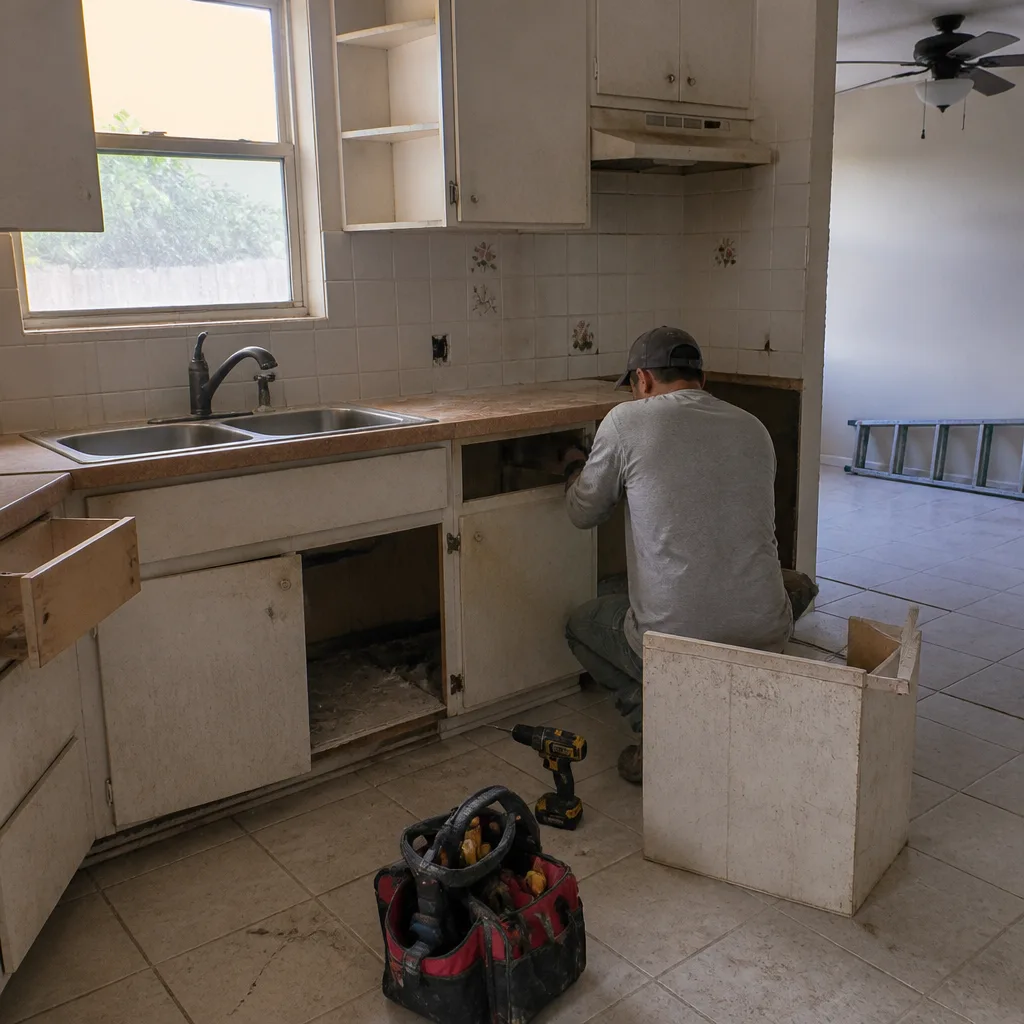 Before
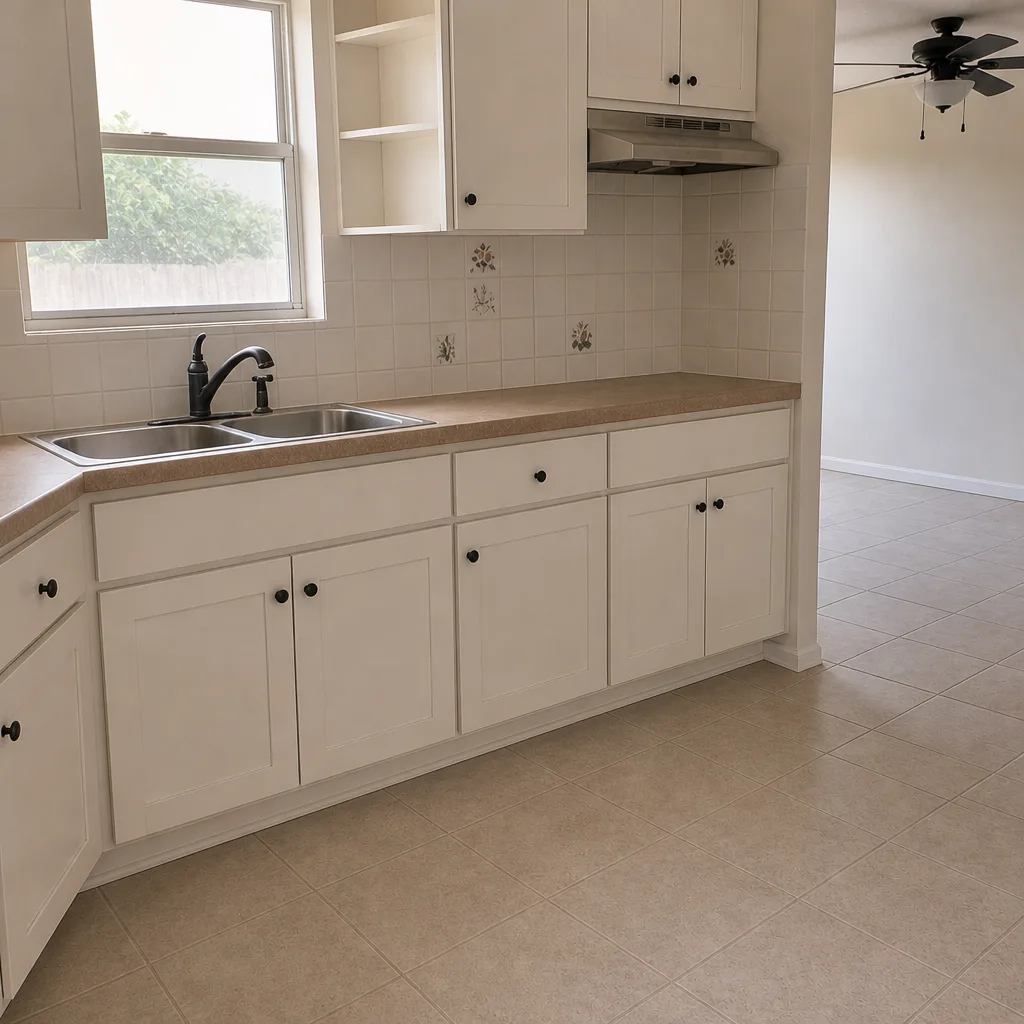 After
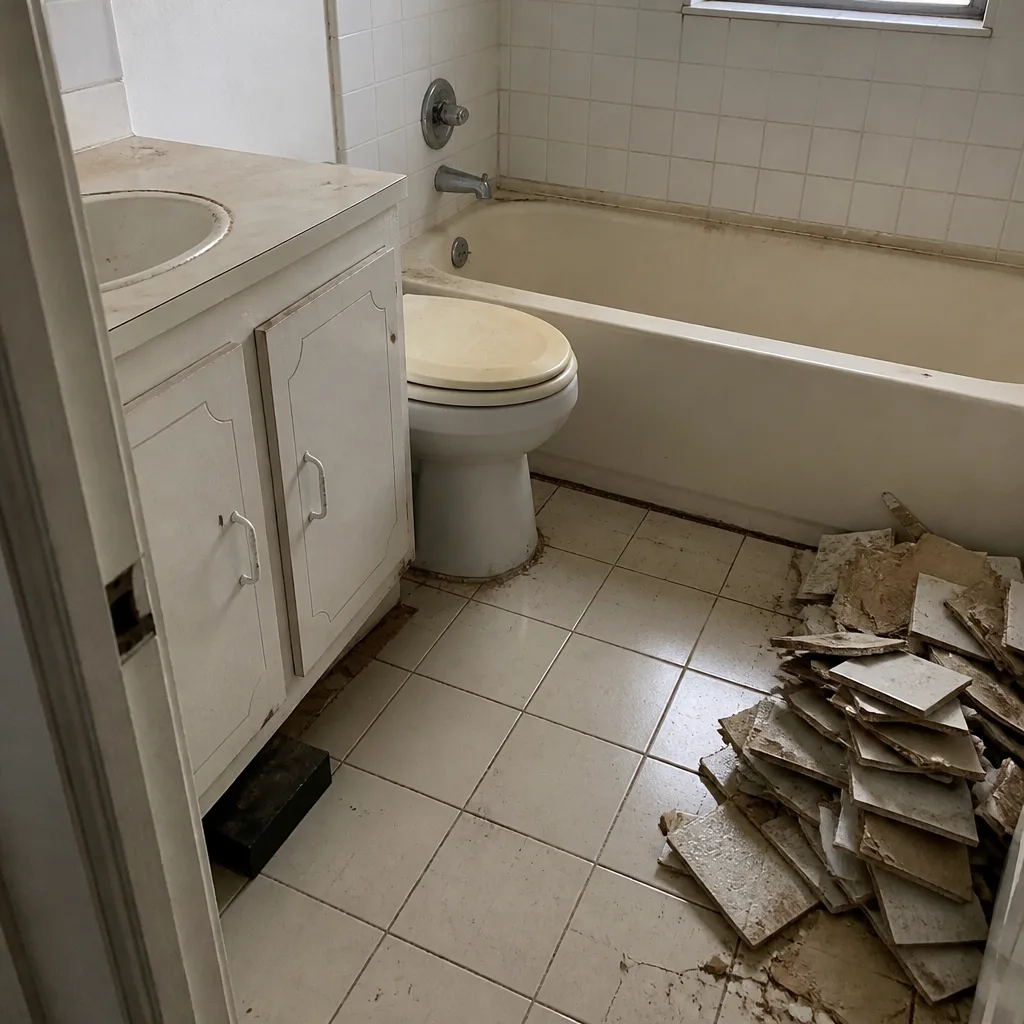 Before
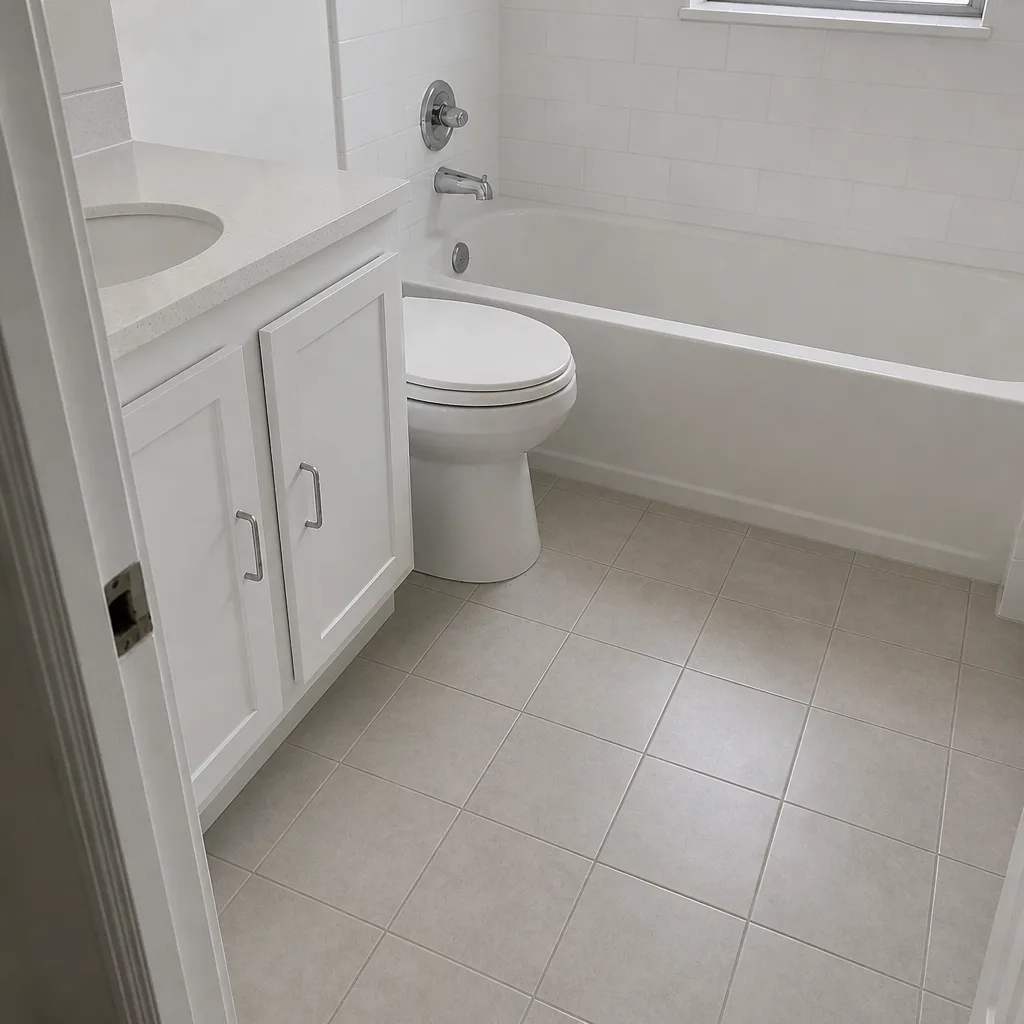 After
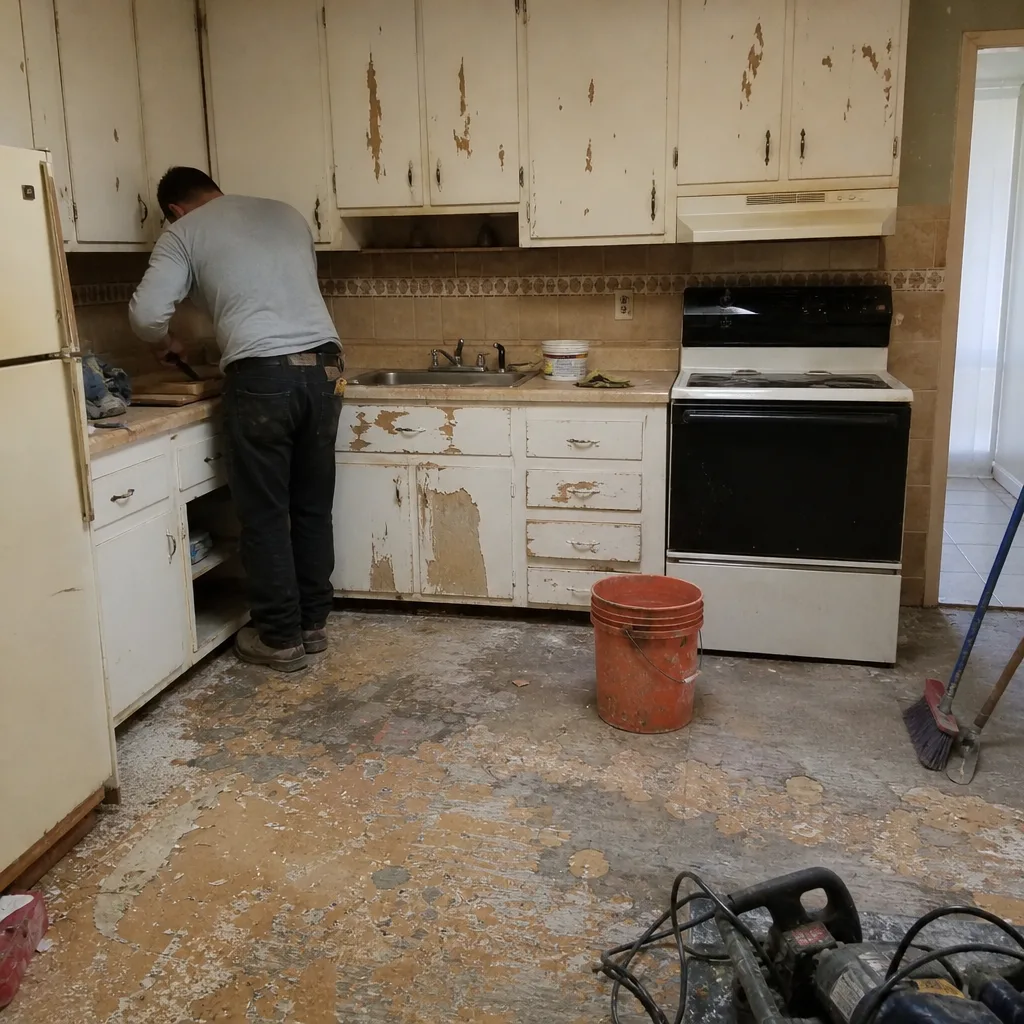 Before
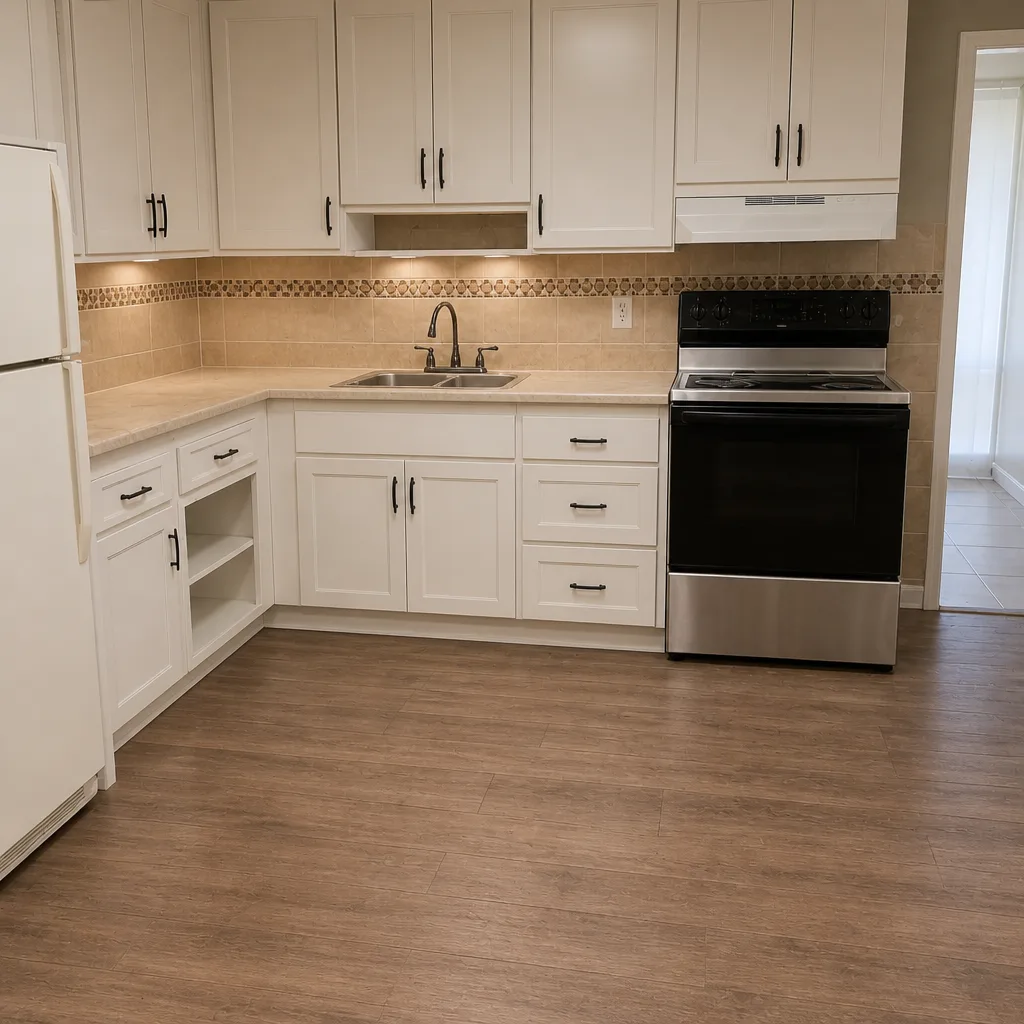 After
When to Call a Professional
Some part of every kitchen remodel needs a licensed professional. If you’re troubleshooting a contractor who’s already gone quiet, or you’ve received a bid and you want a second opinion on whether the scope is fair, call us. If you’re starting from scratch and want a written line-item estimate for your Cutler Bay kitchen, that’s the first conversation. If your kitchen has moisture damage at the sink base or a failed exhaust vent that’s been pushing cooking moisture into the cabinets for three years, that’s a drain on the structure, not just a cosmetic issue, and it’s worth getting someone out to look. And if the permit history on a contractor you’re considering doesn’t show a single kitchen remodel completed in the county, that’s worth a phone call before you sign anything. Bradford Remodeling Co Cutler Bay offers free estimates in Cutler Bay – call (833) 620-5491 and we’ll put a written price in front of you before any work begins.
Frequently Asked Questions

The biggest warning sign is an inability to produce a line-item written estimate before work starts. When the estimate is verbal, or says “ballpark $30,000 and we’ll figure out the details later,” that contractor has told you exactly how the invoices will look. A written, line-item estimate with brands named, permits listed, and debris disposal priced is the baseline for a professional job.
Search the contractor by name or license number in the Florida DBPR online license lookup, confirm the status is Active, and check that the name matches the name on your estimate. Then call the Miami-Dade County Contractor Licensing office if there’s any doubt about whether the license covers residential work. A legitimate Cutler Bay contractor will give you the license number without being asked twice; if a contractor hedges or says “my subcontractor has the license,” ask who pulls the permit and who holds the insurance.
No. A 50% upfront deposit is a warning sign, not a normal schedule. A fair payment schedule for a Cutler Bay kitchen starts with 10% to 20% tied to material orders, then breaks the balance into phases tied to actual milestones: rough-in inspection, cabinet install, substantial completion, and final punch-list sign-off. If a contractor can’t or won’t describe a phased schedule, that’s worth reconsidering.
A mid-range kitchen remodel in Cutler Bay typically runs $45,000 to $85,000 for a full gut renovation with new cabinets, countertops, flooring, tile backsplash, appliances, and pricing including permits and debris disposal. A cosmetic refresh with painted cabinets and a new countertop can land in the $18,000 to $28,000 range. The Cutler Bay climate adds a humidity spec to cabinet construction, which is a real line item; expect it to be present in a fair bid. Call (833) 620-5491 to walk through a written estimate for your specific kitchen – estimates are free.
It should not change if the scope is specific and the contract requires written change orders before work proceeds. Every additional cost should be quoted in writing with a price, approved by you, and only then performed. On a Bradford Remodeling job in Cutler Bay, the written price before work starts is the price; if a change is discovered during demolition, we document it, quote it, and wait for approval. If a contractor’s contract says “additional costs may apply,” that’s the language that lets the price move.
The 365-Day Done Right Promise covers every Bradford Remodeling kitchen for a full year after project completion. If the work fails within that period – a cabinet door hinge that fails, a tile that cracks, a grout line that fails on a sealed backsplash – we return and correct it at no charge. The terms are written into your contract at signing, not explained after the fact. Ask any contractor you’re comparing to describe their guarantee in the same terms, in writing.
A bid for a Cutler Bay kitchen should name cabinet and countertop brands, not just product categories. Our written estimates specify KraftMaid and Wellborn cabinetry, Cambria and Caesarstone quartz surfacing, Kohler and Moen fixtures, and where the project extends to exterior work, GAF roofing and James Hardie siding among others from a documented brand roster. When the brand is named, the specification is traceable and the quality comparison is possible. When a bid says “premium cabinets,” there’s nothing to compare.
A contractor who stops responding after the deposit clears is either overextended or hasn’t met their own material-ordering deadline. Both are signs the contract should have covered. Before you sign, make sure the contract includes a written start date, milestone deadlines tied to the payment schedule, a material-order deadline, a notice requirement for delays, and a remedy clause if a milestone is missed. When those clauses are in place, silence has consequences, and that’s what keeps the job on schedule.
The Bottom Line
The warning signs of a kitchen remodel that will go sideways almost always appear before the contract is signed, in how the contractor handles the estimate. A written line-item price with brands named, permits listed, debris disposal and substrate prep priced in, a fair phased payment schedule, a verified license and current Certificate of Insurance, and a written guarantee are the six checks that separate a disciplined remodeler from a costly one. Everything else – the schedule, the site, the finish – rests on those six. Bradford Remodeling Co Cutler Bay writes the price before any work begins and covers every completed project with the 365-Day Done Right Promise. Call (833) 620-5491 for a free estimate on your Cutler Bay kitchen.
Written by the team at Bradford Remodeling Co Cutler Bay.