
Last updated November 18, 2026








Free written scope consultation - allowances, timeline, and change-order rules on paper before a single trade is scheduled
Kitchen Remodeling Maintenance Schedule: What to Do and When
Silicone caulk at the countertop-to-backsplash joint in a South Florida kitchen typically needs replacement every 18 to 24 months. Not the five to ten years a manufacturer’s label suggests. Daily humidity cycling here breaks the bond faster than the material itself ages, and that single fact reshapes the entire maintenance calendar for a remodeled kitchen in Cutler Bay. The schedule below is built for this climate, not a national average: season-by-season tasks, inspection intervals that account for salt air off Biscayne Bay, the right cleaning agents for the surfaces we install, and how to track a labor warranty alongside a material warranty so neither one lapses unnoticed.
Quick Answer
A remodeled kitchen in Cutler Bay needs a light monthly routine, a deeper inspection four times a year, and one annual full review. The South Florida calendar shifts the big items to specific seasons: pre-hurricane checks in late spring, grout and caulk inspection after the humid summer, and cabinet humidity assessment in the dry winter months. Caulk and grout fail faster here than the manufacturer timeline suggests, so treat 18 to 24 months as the working replacement window at wet joints.
Styles & brands we work with
- Kitchen remodeling
- Bathroom remodeling
- Home additions & ADU
- Roofing
- Windows & doors
- Driveway & pavers
- Fence
Table of Contents
- The 12-Month South Florida Kitchen Maintenance Calendar
- Inspecting Cabinet Joints and Face Frames for Humidity Movement
- Refrigerator Coils and Salt Air: Coastal vs. Inland Intervals
- Cleaning Agents by Countertop Material and What Voids a Warranty
- Labor Warranties vs. Material Warranties and How to Track Both
- Hardware, Hinges, and Drawer Glides
- Common Mistakes to Avoid
- When to Call a Professional
The 12-Month South Florida Kitchen Maintenance Calendar
Yes, the timing of kitchen maintenance in Cutler Bay should follow the seasons, because humidity and storm risk drive what fails and when. Manufacturer schedules written for a four-season climate miss this. Here’s the calendar we hand to homeowners at job close, when the site is clean, the scope is documented, and the signed written guarantee is in their hand.
Late spring (April to May): pre-hurricane season checks.
- Test the range hood and vent to the exterior. Confirm the damper opens and closes freely and that the vent cap is secured against wind-driven rain.
- Check that countertop seams and backsplash joints are intact; storm-season humidity spikes stress weak seals first.
- Confirm the refrigerator has clearance from the wall so the compressor doesn’t work harder in the heat.
- Photograph the kitchen as it stands. A dated photo set makes any insurance or warranty claim simpler to document.
Late summer to early fall (August to October): post-humidity inspection. This is the grout and caulk review. Look at every wet joint, the countertop perimeter, and the sink rim. Re-grout or re-caulk any joint that has cracked, pulled, or turned chalky.
Dry season (December to February): cabinet humidity assessment. Doors and drawers that swelled slightly in summer often shrink back in winter. Check for new gaps, loose hinges, and joints that have opened. This is the window to torque hardware back to snug.
Inspecting Cabinet Joints and Face Frames for Humidity Movement
Cabinet boxes in a Cutler Bay kitchen move with the humidity, and the earliest sign is a drawer that stops closing flush. Not a broken glide. A box that has racked slightly out of square. We’ve seen this most often in homes near the water, where the daily swing between air-conditioned interior and humid exterior pushes and pulls the wood through the year.
Here’s how to inspect for humidity-driven movement before it becomes a repair:
- Open every door and drawer and look at the inside corners of the box. A hairline gap where two panels meet is early movement.
- Run a finger along the face frame where it meets the cabinet box. Feel for a lip or step. A face frame that has pulled proud of the box is a connection to check.
- Check drawer fronts for even reveals. An uneven gap top to bottom means the front has shifted or the box has racked.
- Open and close each drawer fully. Note any that rub, stick, or need a nudge. Catching this early means a hardware adjustment, not a rebuild.
Cabinetry we specify, including KraftMaid and Wellborn lines, is built to handle normal humidity swings. What causes problems is a swing the box wasn’t expecting: a kitchen with no exhaust running during cooking, or a sink cabinet with a slow leak underneath. The fix is almost always environmental first, hardware second.
Refrigerator Coils and Salt Air: Coastal vs. Inland Intervals
Yes, refrigerator coil cleaning should happen more often near Biscayne Bay, where salt air accelerates compressor wear. A coastal Cutler Bay home should clean condenser coils every six months. An inland home can stretch to twelve months. The difference is real: salt-laden air leaves a fine film on coils that insulates them, so the compressor runs longer and hotter to shed the same heat.
Coils on the back or bottom of the refrigerator collect dust, pet hair, and that salt film. When they’re coated, the compressor works harder and its life shortens. The cleaning is simple and safe:
- Unplug the refrigerator first.
- Brush or vacuum the coils with a coil brush or the upholstery attachment.
- Wipe down the front grille as well; that’s where most of the dust lands.
- Check the door gaskets while you’re there and wipe them clean; a torn gasket lets humid air in and makes the compressor work harder still.
For homes in the neighborhoods closest to the bay and the marinas, we recommend marking the six-month coil cleaning on the same calendar as the hurricane-season appliance check. If a compressor does fail, that’s a repair for a refrigeration technician, not a weekend job. We point homeowners to the right trade rather than attempt it ourselves.
Cleaning Agents by Countertop Material and What Voids a Warranty
Using the wrong cleaner on a quartz, porcelain slab, or quartzite countertop won’t always show damage immediately, but it can void the material warranty. This matters in Cutler Bay, where quartz and quartzite are both common in remodels and each has its own cleaning rules. Here’s what we tell homeowners, and what the manufacturer specs say.
Quartz (engineered stone): Clean with mild dish soap and warm water or a pH-neutral stone cleaner. Avoid bleach, ammonia, and any abrasive pad. Quartz is resin-based and heat-sensitive, so never set a hot pan directly on it; use a trivet.
Porcelain slab: Warm water and a mild cleaner are enough. Avoid harsh acids and abrasive powders that can dull the glaze. Porcelain is tough, but dropping a heavy pot on an edge can still chip it.
Quartzite (natural stone): Clean with a pH-neutral stone cleaner. Never use vinegar, lemon juice, or other acids; they etch the surface. Quartzite should be sealed periodically, and if it’s in a high-use Cutler Bay kitchen, reseal it annually.
The warranty rule is simple: follow the manufacturer’s care sheet and keep it. Cleaning products that contain bleach, ammonia, or acids can void engineered-stone and natural-stone warranties. We specify Cambria and Caesarstone quartz and quartzite surfaces and hand over the care documentation at close so you know exactly which cleaner is safe.
Labor Warranties vs. Material Warranties and How to Track Both
Yes, a remodeled kitchen carries two separate warranties, and you need to track both. The labor warranty comes from the general contractor; it covers the installation and workmanship. The material warranty comes from the manufacturer; it covers the product itself. They run on different clocks, and one can lapse while the other is still live.
The distinction matters in practice:
- Labor warranty (from the GC): Covers how the work was done. If a cabinet is installed out of level, if a seam opens, or if the caulk fails at the sink inside the guarantee period, that’s a workmanship call. Every Bradford project carries the 365-Day Done Right Promise: a full-year written guarantee, and if the work fails inside that window, we return and correct it at no charge.
- Material warranty (from the manufacturer): Covers the product. Quartz, cabinetry, and fixtures each carry their own terms, and those terms often require you to keep proof of purchase and follow the care instructions.
Track them in a single folder, paper or digital. Keep the written price, the scope of work, the care sheets, and the warranty cards together. Note the start date of the labor warranty and the start date of each material warranty. Before the labor window closes, walk the kitchen and note anything that concerns you, so a small fix gets handled while it’s still covered.
Hardware, Hinges, and Drawer Glides
Hardware is the easiest part of a Cutler Bay kitchen to keep tight, and the part most likely to loosen first. Hinges and drawer glides work thousands of cycles a year, and in a humid environment the small screws holding them back off sooner. A loose hinge axis lets a door hang crooked, and a loose drawer glide makes a drawer drag.
Work through this monthly:
- Grip each handle and pull bar and check for wobble. Tighten with the correct driver; don’t overtighten and strip the wood.
- Open each door fully and check that the hinge screws are snug. A hinge that has backed out is a five-minute fix.
- Open each drawer fully and let it close under its own glide. If it slams, the glide is loose or damaged.
- Wipe handles with a damp cloth; fingerprints and cooking residue build up faster near a range.
We specify Kohler and Moen fixtures for the sink and faucet, and the same principle applies there: check under the sink for slow drips and tighten connections, not the fixture body. Small attention now saves a larger repair later.
Common Mistakes to Avoid
- Following a national maintenance schedule. The intervals written on a product label assume a four-season climate. In Cutler Bay, humidity and salt air compress the timeline; caulk and grout fail in 18 to 24 months, not five to ten years.
- Cleaning a quartz or quartzite counter with vinegar or bleach. Acid etches natural stone and chloride cleaners can dull engineered stone; both can void the material warranty. Use a pH-neutral stone cleaner.
- Ignoring a drawer that stops closing flush. That’s often the first sign the cabinet box has racked with humidity. Catch it early and it’s an adjustment; ignore it and it’s a repair.
- Skipping the pre-hurricane vent and appliance check. A vent cap that’s loose or a hood that isn’t drawing right is a small item that becomes a problem in a storm.
- Cleaning coils on a coastal home once a year. Near Biscayne Bay, salt air coats coils faster; clean every six months to protect the compressor.
- Losing the warranty paperwork. The labor warranty from the general contractor and the material warranties from each manufacturer are separate documents. File them together and note the start dates.
- Not documenting the kitchen before the season starts. A dated photo set makes any later claim simpler and helps you spot change over time.
When to Call a Professional
Some kitchen maintenance is a homeowner task: wiping counters, cleaning coils, tightening a loose handle. Some isn’t. Call a professional if a cabinet box has racked badly enough that a drawer no longer closes, if a caulk joint keeps failing at the same spot after two replacements, or if a sink or faucet connection has a recurring slow leak. Those point to a substrate or rough-in issue behind the finish, and a written scope from a contractor saves you from guessing.
Bradford Remodeling Co Cutler Bay offers free estimates in Cutler Bay. We give you a written price before any work starts, and every completed project carries the 365-Day Done Right Promise. Call (833) 620-5491 to schedule your free estimate.
Frequently Asked Questions

Silicone caulk at the countertop-to-backsplash joint in a South Florida kitchen should be replaced every 18 to 24 months, rather than the five to ten years a manufacturer’s label may suggest. Daily humidity cycling breaks the bond faster than the material ages. Call (833) 620-5491 for an exact quote on re-caulking and resealing; estimates are free.
The best window is late summer to early fall, right after the humid season. That’s when cracked, pulled, or chalky joints show themselves. Do the cabinet humidity assessment in the dry winter months, before the next wet season. A written maintenance schedule at job close makes those dates easy to keep.
Clean refrigerator coils every six months in a home near Biscayne Bay, where salt air coats them and makes the compressor work harder. Inland, once a year is enough. If you’re near the water and can’t remember the last cleaning, unplug the unit and brush or vacuum the coils.
Yes, it can. Acidic cleaners like vinegar etch natural quartzite, and bleach or ammonia can dull engineered quartz and may void the manufacturer’s warranty. Use a pH-neutral stone cleaner and keep the care sheet that came with your counter. We specify Cambria and Caesarstone and hand over the care documentation at close.
Both, and they run on different clocks. The general contractor provides a labor warranty covering workmanship; every Bradford project carries the 365-Day Done Right Promise, a full-year written guarantee with a free return visit if the work fails inside the window. The manufacturer provides a material warranty on the cabinetry, countertops, and fixtures. Track both in one folder so neither lapses unnoticed.
Inspect them yourself monthly; look for hairline gaps at the inside corners, a face frame pulled proud of the box, or a drawer that won’t close flush. If a joint has opened significantly or a drawer won’t close, call a contractor. That usually means a box has racked and needs a proper adjustment, not just a tighter screw.
Written by the team at Bradford Remodeling Co Cutler Bay.
See the difference
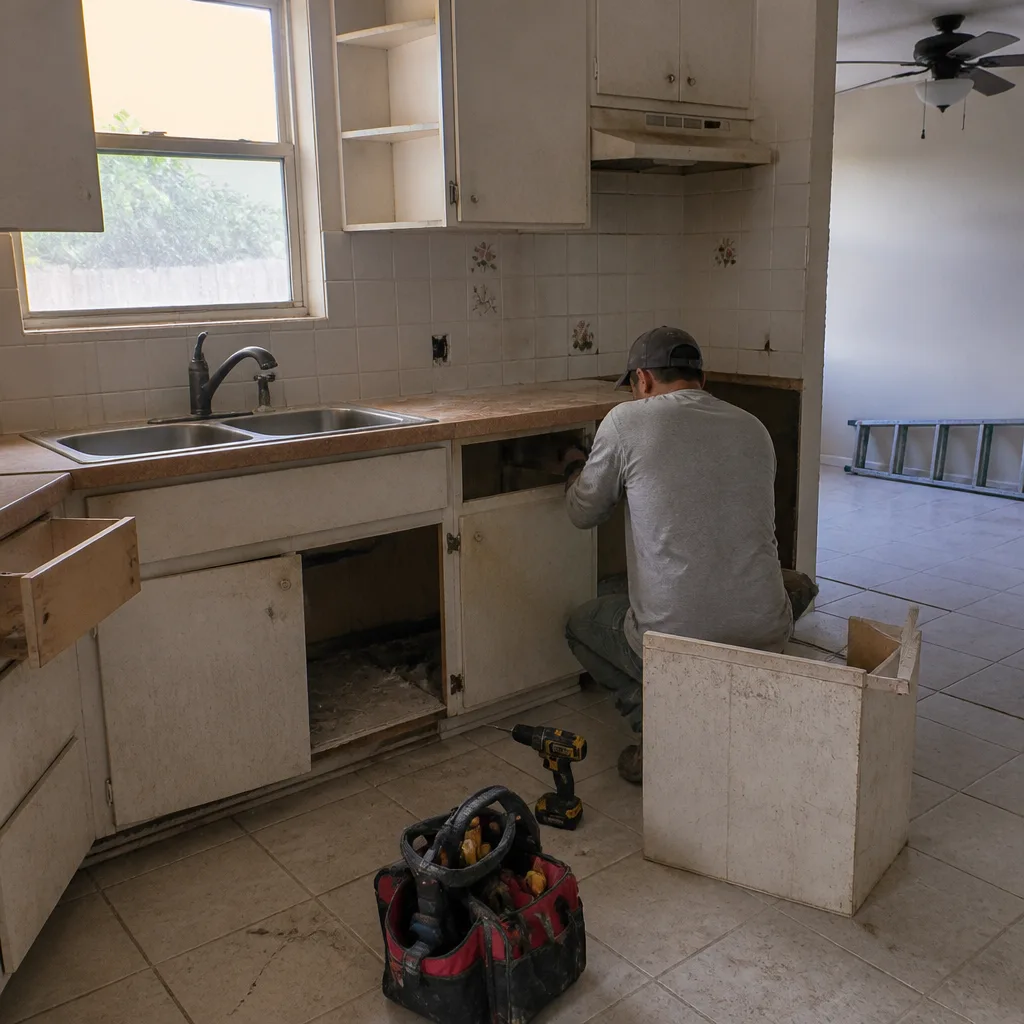 Before
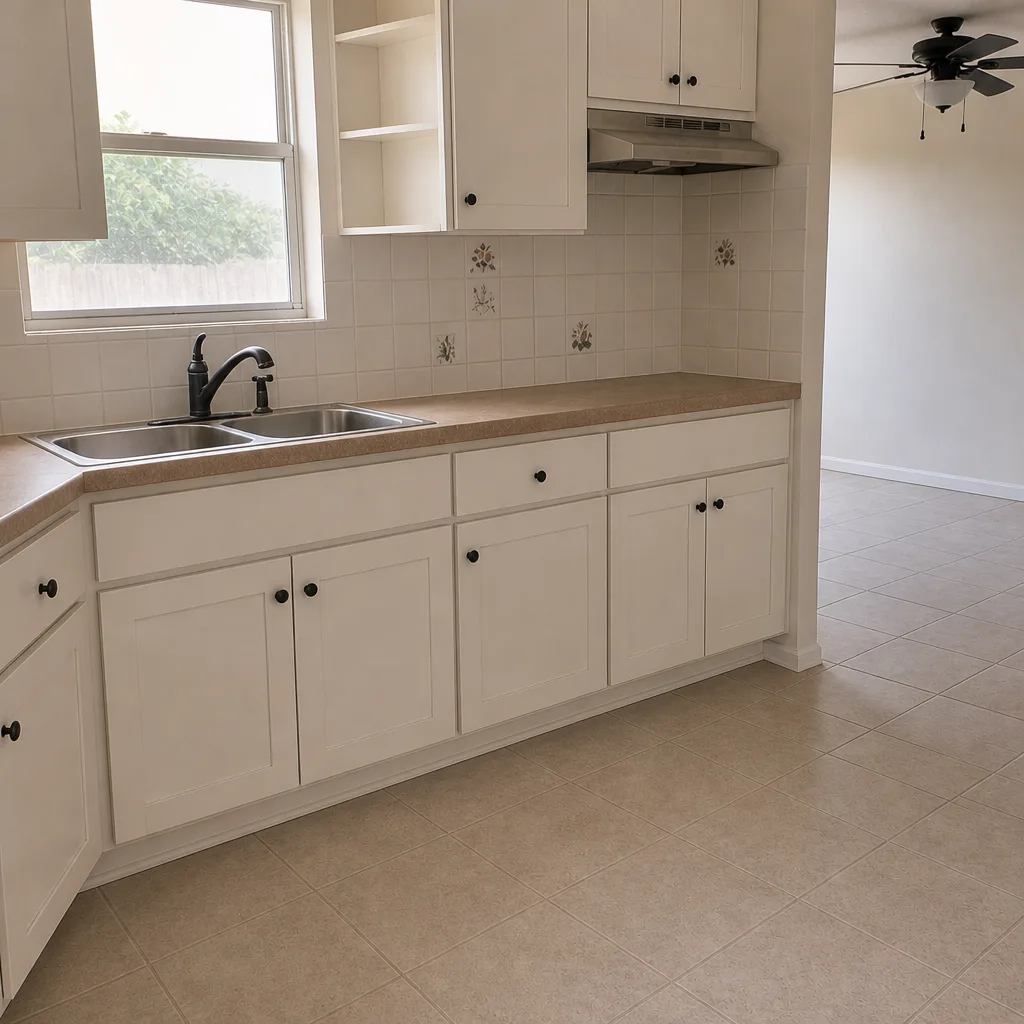 After
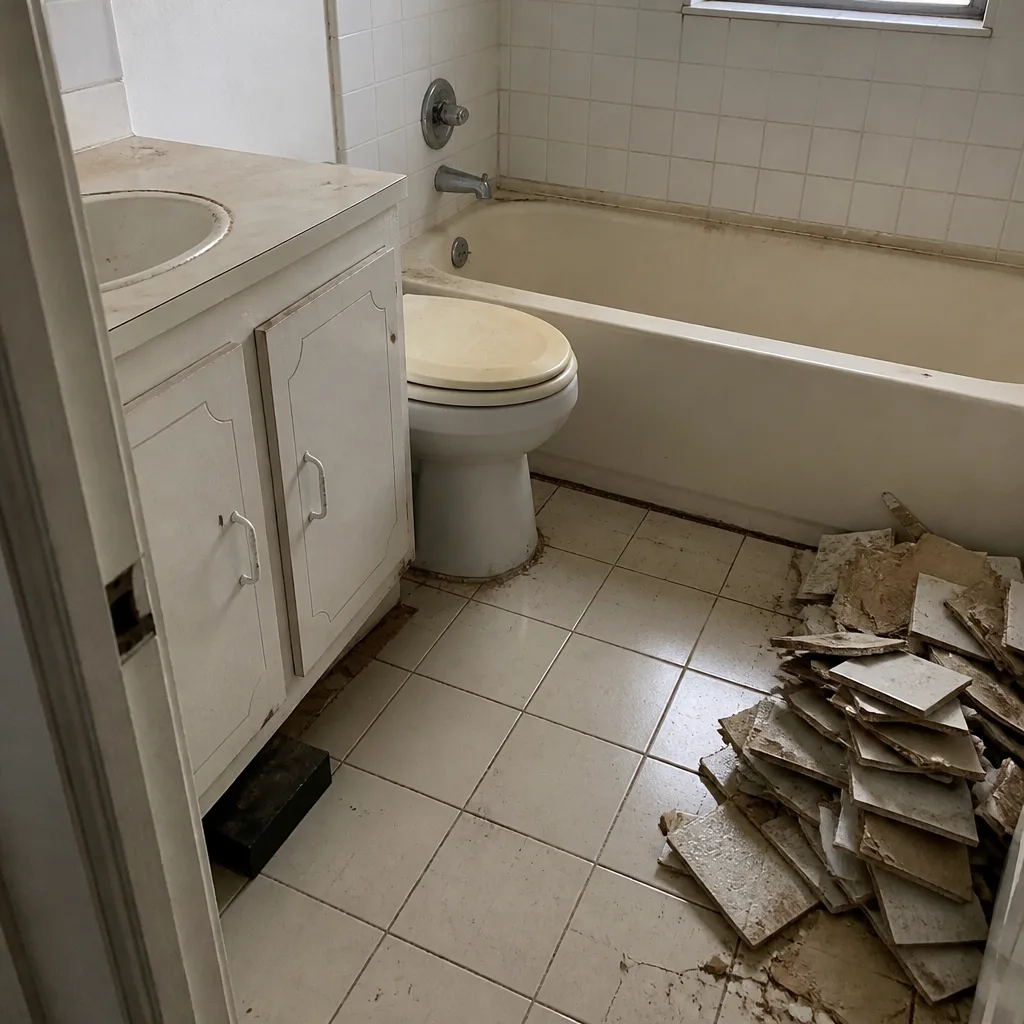 Before
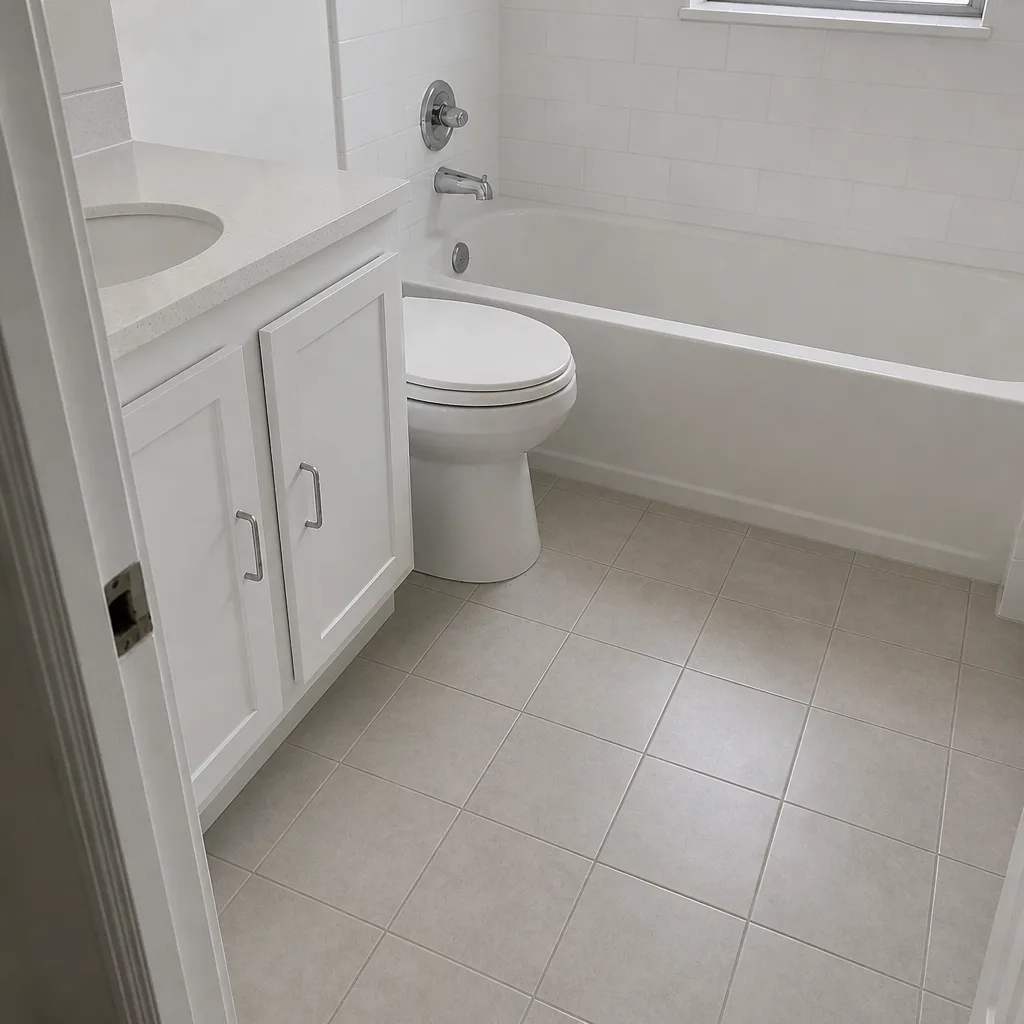 After
 Before
 After