Last updated November 18, 2026
Free written scope consultation - allowances, timeline, and change-order rules on paper before a single trade is scheduled
The Complete Kitchen Remodeling Guide for Cutler Bay Homeowners
Here’s the part most kitchen remodeling guides skip: in Miami-Dade County, adding a dishwasher, a range hood, or an island outlet to your Cutler Bay kitchen triggers a mandatory electrical permit and a load calculation. That’s a step some contractors quietly leave off the bid to keep the number low. Skip it, and you inherit unpermitted work that has to be disclosed at resale and can stall an insurance claim. This guide covers how the county’s electrical code shapes your budget, why South Florida humidity narrows your cabinet and countertop choices, and how to write a contract that keeps the job on price when appliance lead times move.
Quick Answer
A kitchen remodel in Cutler Bay typically runs from $28,000 to $90,000+ depending on scope, and the three factors that most affect your final number are Miami-Dade permit requirements, humidity-appropriate materials, and how your contract handles appliance allowances. A cosmetic refresh (paint, hardware, countertop) may qualify for an over-the-counter permit, while a full gut with new circuits or moved plumbing requires plans review. Getting the permit scope and allowance language right before work starts is what keeps the project on budget.
Styles & brands we work with
- Kitchen remodeling
- Bathroom remodeling
- Home additions & ADU
- Roofing
- Windows & doors
- Driveway & pavers
- Fence
Table of Contents
- How Miami-Dade Handles Kitchen Permits in Cutler Bay
- Miami-Dade Electrical Code for Kitchen Circuits
- Cabinet and Countertop Materials That Survive South Florida Humidity
- How to Structure Appliance Allowances So Lead Times Don’t Break Your Budget
- Line-Item Cost Breakdown by Tier
- What Your Written Contract Should Contain
- Common Mistakes to Avoid
- Frequently Asked Questions
How Miami-Dade Handles Kitchen Permits in Cutler Bay
Miami-Dade County separates kitchen permits into two lanes, and which lane you land in depends entirely on scope. Knowing the difference before you sign a contract protects you from a contractor who quotes a cosmetic-refresh price on a job that legally needs a plans review.
Over-the-counter permit. A cosmetic refresh can often be permitted the same day at the county’s building department. This covers like-for-like swaps that don’t change the kitchen’s systems:
- Cabinet refacing or replacing cabinet doors and boxes in the same footprint
- New countertop and backsplash where plumbing isn’t relocated
- Flooring replacement over the existing substrate
- Paint, lighting fixture swaps on existing circuits, hardware
Plans review required. Anything that touches the kitchen’s structural, electrical, mechanical, or plumbing systems moves to full review. That means:
- Adding or relocating a gas range or gas line
- Moving the sink, adding a dishwasher, or rerouting a drain
- Adding new electrical circuits (range hood, island outlets, dedicated appliance lines)
- Removing or altering a load-bearing wall
- Changing a window or door opening
If your home is in a Cutler Bay neighborhood built before the mid-1990s, plan for a little extra review time. Older construction sometimes reveals substrate or framing issues during inspection that a newer home won’t, and a thorough contractor builds a buffer into the schedule for that. A licensed general contractor in Cutler Bay handles the permit filing and walks the inspections with you, so nothing gets discovered after the final walkthrough.
Budget line for permits in Cutler Bay: figure $400 to $1,800 for the county permit fees on a full kitchen remodel, plus plans review where required. That’s real money, and it belongs in the written bid, not buried in a contingency line.
Miami-Dade Electrical Code for Kitchen Circuits
This is where Cutler Bay kitchens most often run into surprise costs. Miami-Dade County enforces the Florida Building Code, which builds on the National Electrical Code (NEC) with its own amendments. For a kitchen, the practical differences show up in three places.
Dedicated 20-amp appliance circuits. The NEC already calls for small-appliance circuits, but the county’s interpretation for a remodeled kitchen means each high-draw appliance gets its own dedicated 20-amp circuit. Your range, dishwasher, microwave, refrigerator, and any wall oven each need their own. In a kitchen going from one appliance to four, that’s four new runs pulled through the walls, which is a four-figure line item by itself.
GFCI placement. Ground-fault circuit interrupter outlets are required within six feet of any sink, on the island and peninsula tops, and on any countertop where available space is limited. The county added requirements for the dishwasher and any under-counter lighting circuit. A contractor who leaves GFCI placement loosely defined in the bid creates a change order later.
Load calculation. Before pulling new circuits, the electrical contractor has to run a load calculation on your service panel. If your panel is a 100-amp unit (common in older Cutler Bay housing stock) and the kitchen upgrade pushes it past capacity, you’re looking at a panel upgrade too. That’s $1,800 to $4,200 depending on the panel size and whether the service line needs upgrading as well.
Why does this matter in dollars? A cosmetic refresh in a Cutler Bay kitchen that leaves electrical alone runs about $8,000 to $14,000 in labor and materials. A gut that adds four circuits and a panel upgrade can add $5,000 to $8,000 to the electrical line before you’ve picked out a single cabinet. The permit triggers it, the code requires it, and a bid that omits it either wasn’t priced honestly or wasn’t priced by a licensed electrician.
Cabinet and Countertop Materials That Survive South Florida Humidity
South Florida’s humidity cycle does more damage to kitchen materials than any other climate in the country. A Cutler Bay kitchen sits between Biscayne Bay and the Everglades, so the summer air carries salt in the onshore breezes and humidity that swings from 95% in August to 55% in January. Cabinets and counters that hold up in Arizona fall apart in fifteen years here. Material selection matters more.
Cabinet box materials
Plywood and particleboard boxes are the two choices, and the difference is enormous in this climate.
- Plywood boxes. Layers of wood veneer that hold their shape when humidity rises. A plywood box survives the summer-winter swing for the life of the kitchen. KraftMaid and Wellborn cabinetry lines both offer plywood box options on their higher series, which is what we recommend in Cutler Bay.
- Particleboard boxes. Glued wood particles that swell when they take on moisture and never shrink back. In a Cutler Bay kitchen, a particleboard cabinet box near a sink or dishwasher is likely to swell within a decade. It’s cheaper by 20% to 30% and it’s the wrong material here.
Countertop material
Granite, engineered quartz, and laminate are the three main price tiers. For South Florida, engineered quartz is the most reliable choice. Cambria and Caesarstone both warrant their quartz for kitchen use and their non-porous surfaces handle high humidity without requiring annual sealing. Granite is beautiful and non-porous when sealed, but re-sealing is needed every one to two years here because the humidity is hard on sealers. Laminate is cheaper but can delaminate where moisture collects near the sink.
One note on moisture: an island with a drawer bank under a cooktop is the most humidity-stressed cabinet in the room, because the heat and steam collect there. The island build is where you should spend for plywood construction even if other boxes in the kitchen are particleboard.
How to Structure Appliance Allowances So Lead Times Don’t Break Your Budget
Here’s the mistake that costs Cutler Bay homeowners the most on a mid-range kitchen: an allowance for appliances that hasn’t been pinned to a specification. Here’s how that plays out in practice.
- You sign a bid with a $6,500 appliance allowance. Nobody checks whether the allowance covers the specific range and refrigerator you want.
- The appliances are backordered in a lead-time environment where a 36-inch French-door refrigerator can be eight weeks out from the manufacturer.
- Your options are: wait and hold the project, accept a substitute that doesn’t fit, or upgrade to something in stock and pay the difference.
- The difference runs $1,000 to $3,500, and the contract says the homeowner covers it.
The fix is a contract structure that spells out four things before work starts:
- Named specifications. The allowance names brand, model, and finish. Not “appliance package up to $6,500” but “KitchenAid KFGG500ESS range, KitchenAid KRFF507HPS refrigerator, specified as noted on the attached allowance schedule.”
- Lead-time clause. A clause that requires the contractor to place the appliance order within a set window after contract signing, and to notify you within five business days if any item moves outside the quoted lead time.
- Substitution protocol. A written rule for how substitutes are chosen. If the specified model is unavailable, the contractor proposes two alternates at or below the allowance. You pick. Any overage is documented in writing before the substitution is ordered.
- Price protection window. A clause that confirms the appliance price holds for a stated window (typically 60 to 90 days), and identifies who covers the difference if the manufacturer raises prices past that window.
KraftMaid, Moen, and Kohler cabinetry and fixtures are specified in most Cutler Bay projects because the manufacturer specs and warranties are documented, which makes allowance pricing more predictable. When you’re reviewing bids, the appliance allowance line is the first place to look for a number that’s too round to be honest.
Line-Item Cost Breakdown by Tier
These are current South Florida labor and material rates for a Cutler Bay kitchen, presented as three tiers. Use these to compare bids, not to set your own scope before you’ve walked the kitchen with a contractor.
| Item | Refresh | Mid-Range Gut | Full Custom |
|---|---|---|---|
| Cabinets (KraftMaid or Wellborn) | $0-$3,500 (refacing) | $8,000-$15,000 | $18,000-$35,000 |
| Countertop (quartz, slab) | $1,800-$4,000 | $4,500-$8,000 | $9,000-$16,000 |
| Electrical (per Miami-Dade code) | $0-$500 | $3,500-$7,000 | $6,500-$11,000 |
| Plumbing (rework) | $0 | $1,200-$2,800 | $2,500-$5,000 |
| Flooring | $0-$1,500 | $2,500-$5,500 | $5,000-$9,000 |
| Appliances (allowance) | $0-$3,000 | $6,000-$12,000 | $12,000-$25,000 |
| Permits | $0-$250 (O-T-C) | $400-$1,200 | $800-$1,800 |
| Labor | $3,000-$6,000 | $9,000-$18,000 | $18,000-$35,000 |
| Total | $8,000-$14,000 | $28,000-$55,000 | $58,000-$90,000+ |
Three things move those ranges in Cutler Bay specifically:
- Panel age. Homes with original 100-amp panels push the electrical line to the high end of its range.
- Wall removal. Taking out a wall between kitchen and dining room is $1,500 to $3,500 if it’s non-load-bearing and $4,000 to $8,000 if a beam is needed.
- Window and door upgrades. A window replacement changes the permit scope. Brands like PGT and CGI are standard on Cutler Bay exterior work because they’re rated for wind-load requirements this close to the coast.
What Your Written Contract Should Contain
A kitchen remodel is a five-figure purchase, and the contract is what makes or breaks it. Here’s the list we hold ourselves to, and the list you should measure any bid against.
- A line-item price with no buried numbers. Every trade, every material allowance, every permit fee is named in dollars. A single lump sum is a red flag.
- A stated scope with an explicit exclusions list. What’s in and what’s out both get spelled out. The exclusions list is what stops a change order later.
- A change-order protocol. No change order is valid without a written price and your written signature before the change begins. Verbal approvals don’t count.
- A start date, an end date, and a delay clause. The end date is a real commitment. The delay clause names what happens if the contractor’s own scheduling fails.
- Allowance schedules as attachments. Every appliance, light fixture, and piece of hardware has a named manufacturer, model, and finish.
- The payment schedule. Tied to project milestones, not calendar dates. A contractor who wants 40% up front with nothing delivered is asking you to loan them the project.
- The written workmanship guarantee. Not “one-year warranty” as a brochure line. A written document attached to the contract that states what’s covered and for how long.
At Bradford Remodeling, every cutting-edge kitchen gets a written price before any work starts and a signed 365-Day Done Right Promise at job close: if the work fails inside the first year, we come back and correct it at no charge. We work from a documented roster of premium brands (KraftMaid, Wellborn, Cambria, Kohler, Moen) so every specification is traceable. For a broader look at how we handle the whole-house picture alongside the kitchen, see our bathroom remodeling in Cutler Bay page for how plumbing and fixture work pairs with what happens in the kitchen.
Common Mistakes to Avoid
- Skipping the electrical load calculation. A contractor who quotes a kitchen gut and leaves the panel out of the bid hasn’t priced the job. The county will find it at first inspection, and the change order will be yours to cover.
- Accepting a lump-sum bid. A single number with no line items gives you no way to compare bids and no way to see where the contractor is under-pricing scope to win the job.
- Choosing particleboard boxes to hit the budget. In Cutler Bay humidity, particleboard swells near the sink and dishwasher within a decade. The plywood upgrade costs 20% more and lasts decades longer.
- Signing an appliance allowance without named models. The allowance is not real money until it’s pinned to a specific manufacturer and model number.
- Overlooking window and door scope. If the kitchen window is being replaced, the permit scope grows. Confirm the window is in the bid and that the product is wind-rated for South Florida (brands like CWS and ES Windows are common in coastal Miami-Dade).
- Letting the contractor schedule appliances. Appliance lead times shift monthly. Place the appliance order yourself or require a written lead-time clause in the contract that names the responsible party.
- Skipping the final inspection documentation. The signed inspection card is your proof the permits closed properly. Make sure it’s in your file, not just in the contractor’s.
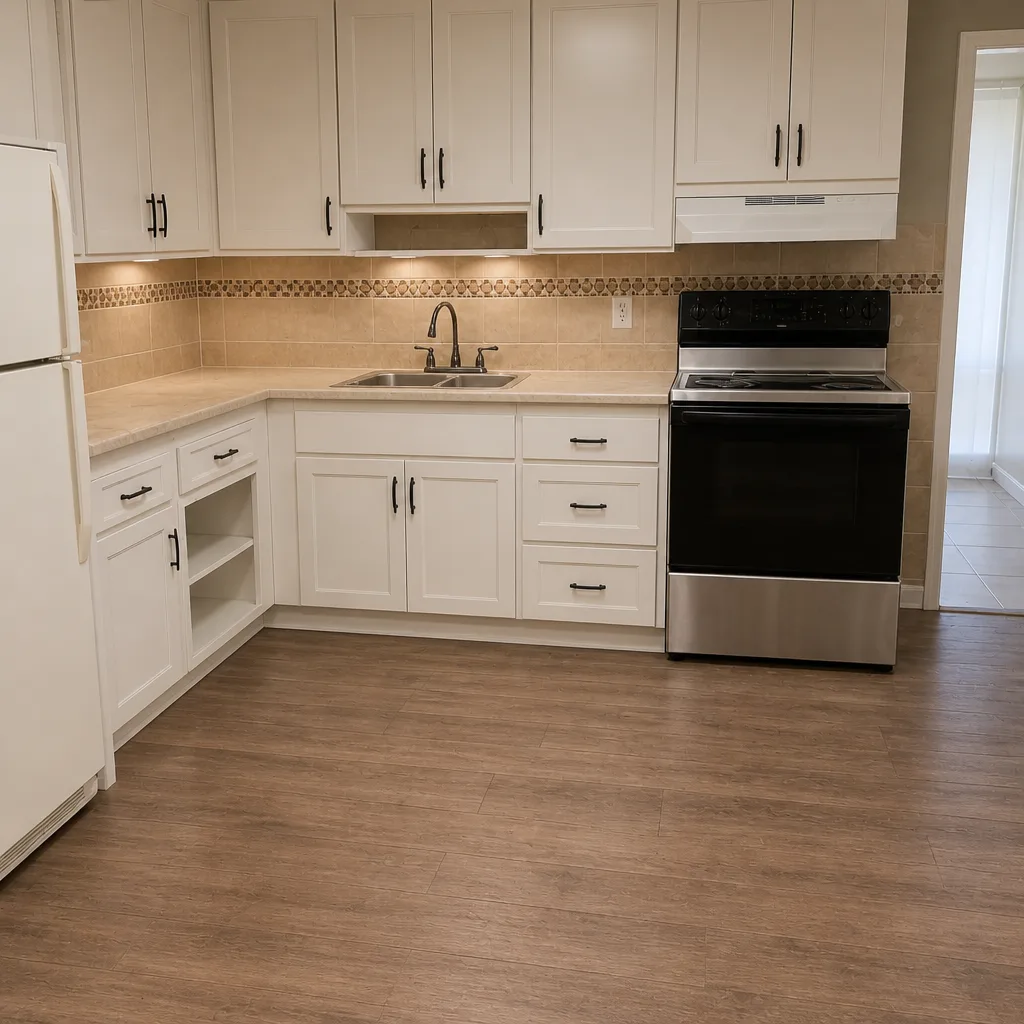
See the difference
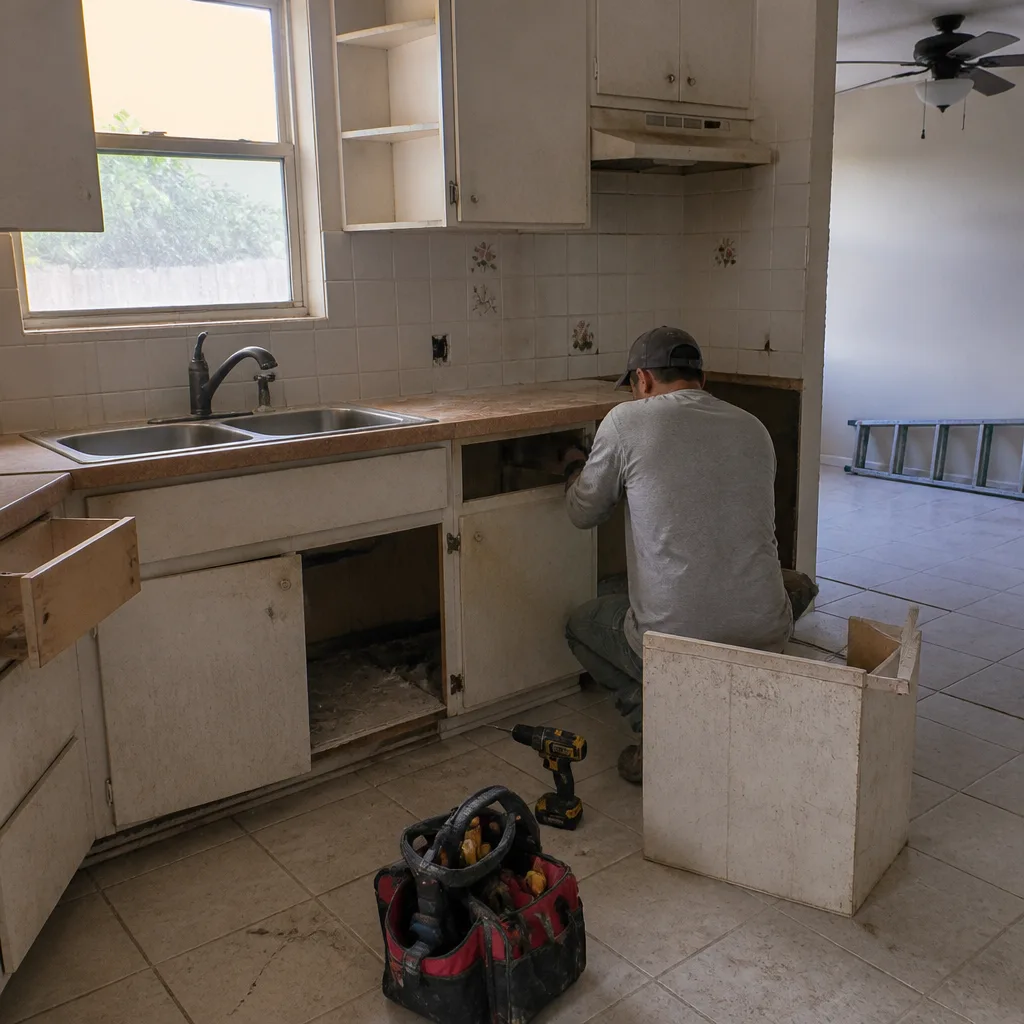 Before
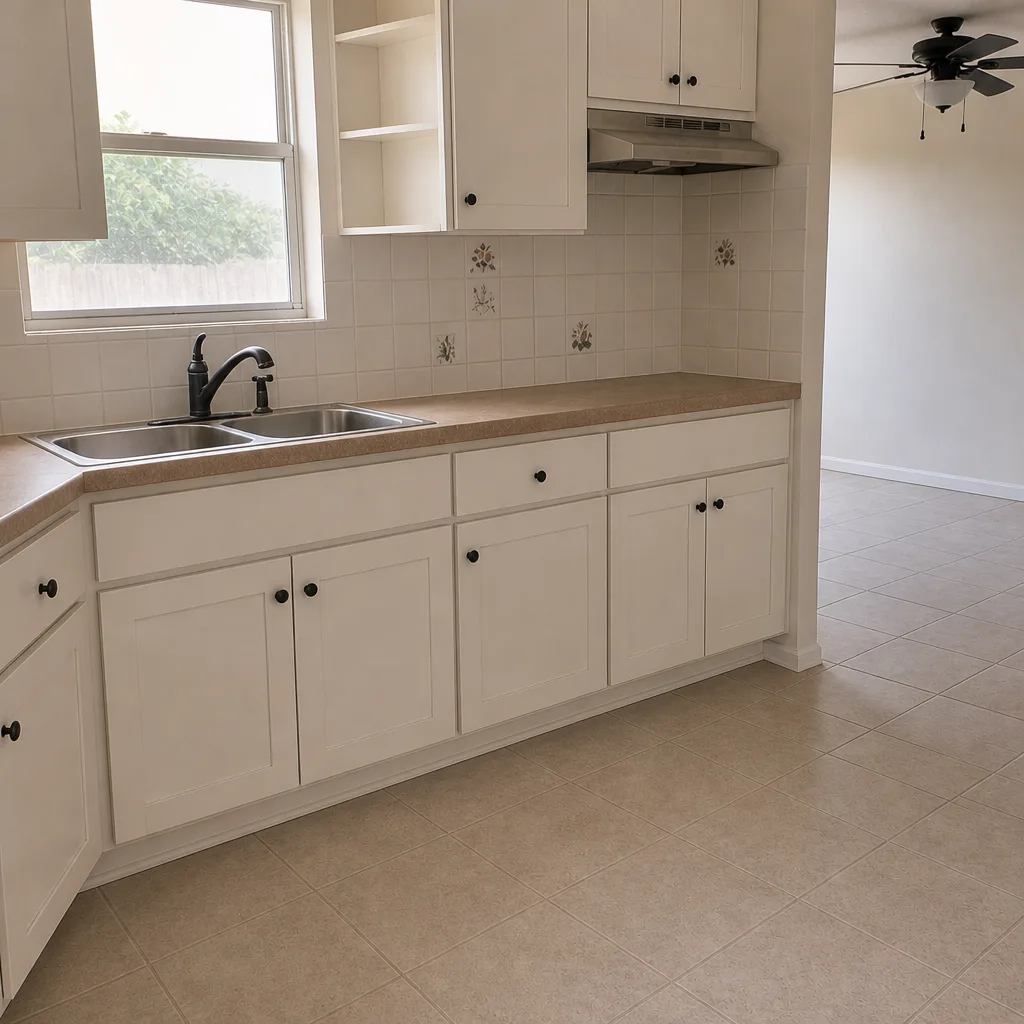 After
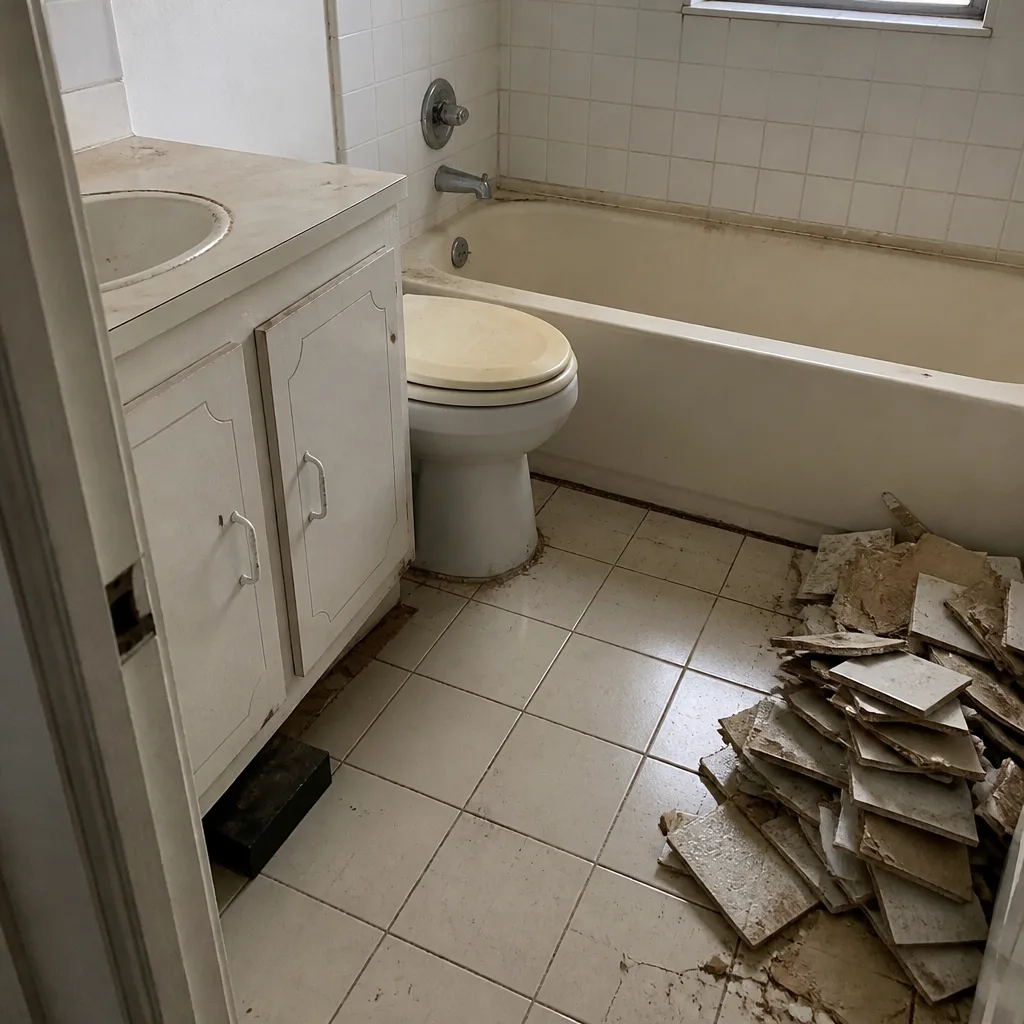 Before
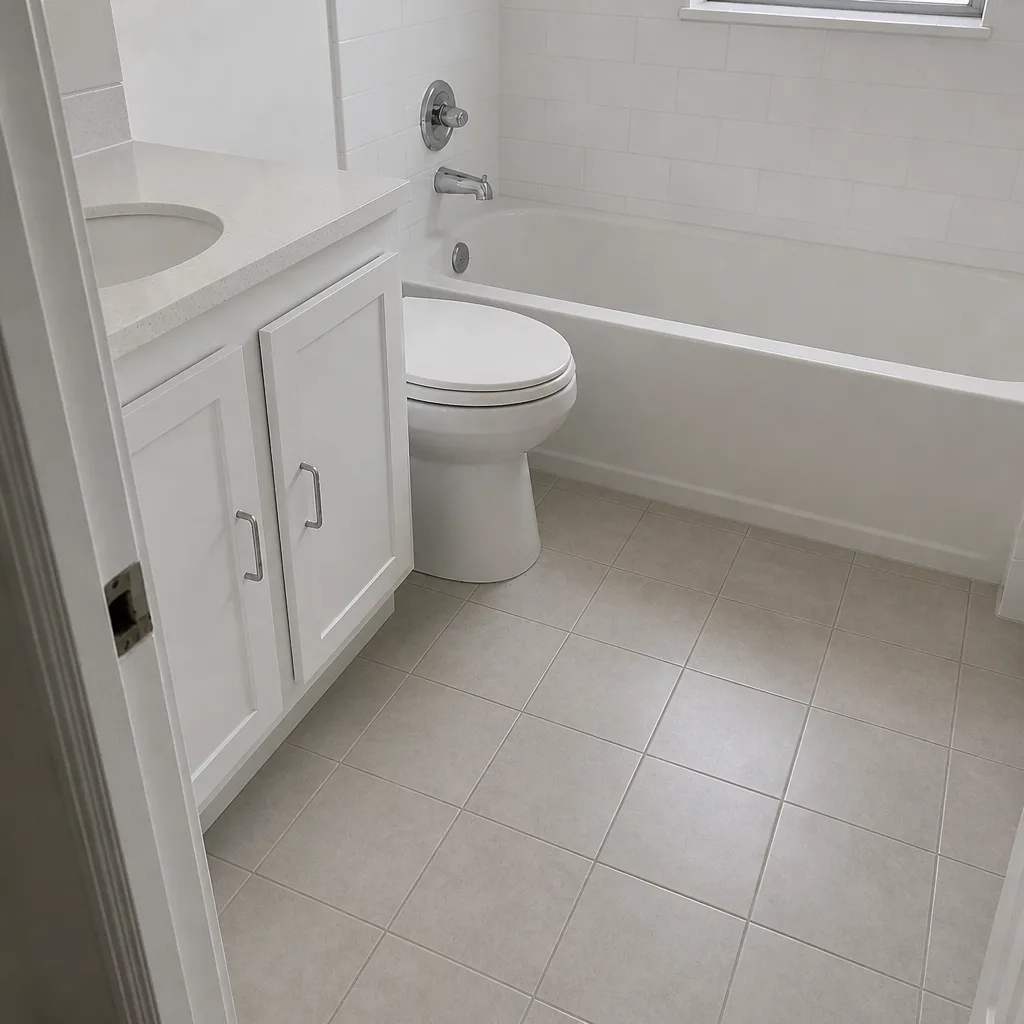 After
 Before
 After
When to Call a Professional
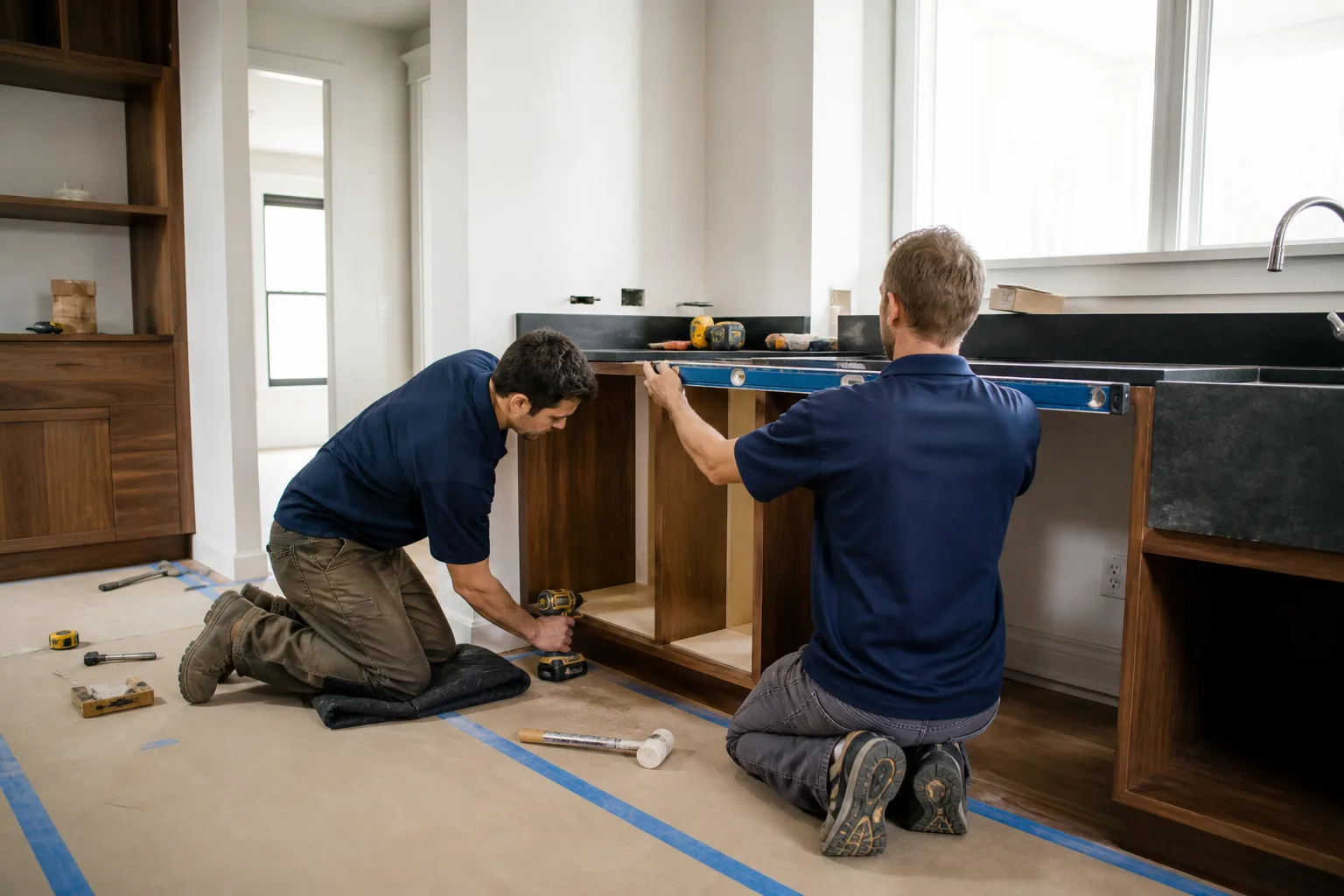
If your Cutler Bay kitchen project involves any electrical upgrade, plumbing relocation, wall removal, or permit filing, it’s time to call a licensed contractor. The work itself isn’t complicated in concept, but the code compliance, inspections, and liability protection around it are. A DIY electrical addition in Miami-Dade voids homeowner insurance coverage if something fails, and unpermitted work has to be disclosed at resale.
Three specific Cutler Bay scenarios that call for a licensed pro:
- You’re adding a dishwasher, range hood, or island outlet that triggers the new electrical permit
- Your home has a 100-amp panel (common in older construction) and the kitchen is adding appliances
- You want the humid-climate material choices to hold up long-term, and you need a written specification to hold a contractor to
Bradford Remodeling Co Cutler Bay offers free estimates in Cutler Bay – call (833) 620-5491. Every estimate is a written line-item price before any work starts, and a live person answers the phone.
Frequently Asked Questions
A kitchen remodel in Cutler Bay runs $8,000 to $14,000 for a cosmetic refresh, $28,000 to $55,000 for a mid-range gut, and $58,000 to $90,000+ for a full custom kitchen with new electrical, plumbing, flooring, and cabinetry. The biggest swing factors are electrical scope (whether the panel needs an upgrade), wall removal, and window replacement. Call (833) 620-5491 for a written line-item estimate – the estimate is free.
Yes. Cosmetic refreshes may qualify for an over-the-counter permit, but any kitchen work involving new electrical circuits, plumbing relocation, gas lines, or wall changes requires full plans review. A dishwasher addition, range hood, or island outlet all trigger the electrical permit. A licensed contractor files the permit and walks the inspections with you. Call (833) 620-5491 to discuss your project’s permit scope.
A cosmetic refresh takes 1 to 2 weeks, a mid-range gut takes 6 to 10 weeks, and a full custom kitchen runs 10 to 16 weeks once permits are issued. Plans review on a Miami-Dade kitchen permit typically adds 4 to 6 weeks before the crew can start. The length is driven by permit timing and appliance lead times more than by construction. Call (833) 620-5491 to talk through a realistic schedule.
Plywood cabinet boxes hold up best in South Florida humidity. They’re layered veneer construction that holds its shape through the summer-winter swing, while particleboard swells permanently when it takes on moisture. KraftMaid and Wellborn both offer plywood boxes on their higher series, and the upgrade costs 20% to 30% more than particleboard. Call (833) 620-5491 to discuss which cabinet line fits your budget.
Not if the price is written down before work begins. A written line-item price with a stated scope and an exclusions list is what keeps a kitchen project on budget. Change orders should only happen when you request a scope change, and no valid change order exists without a written price and your signature before the change begins. Call (833) 620-5491 for a written estimate with no-numbers-that-move pricing.
Most Cutler Bay homeowners do stay in the home during a kitchen remodel, though the kitchen itself is typically unusable for the bulk of a mid-range gut (6 to 10 weeks). Setting up a temporary kitchen elsewhere on the main floor (a microwave, a fridge, and a water station) is standard practice. A contractor who runs a disciplined site sets up dust barriers and cleans up daily; ask about both before signing. Call (833) 620-5491 to plan your project’s sequence.
The Bottom Line
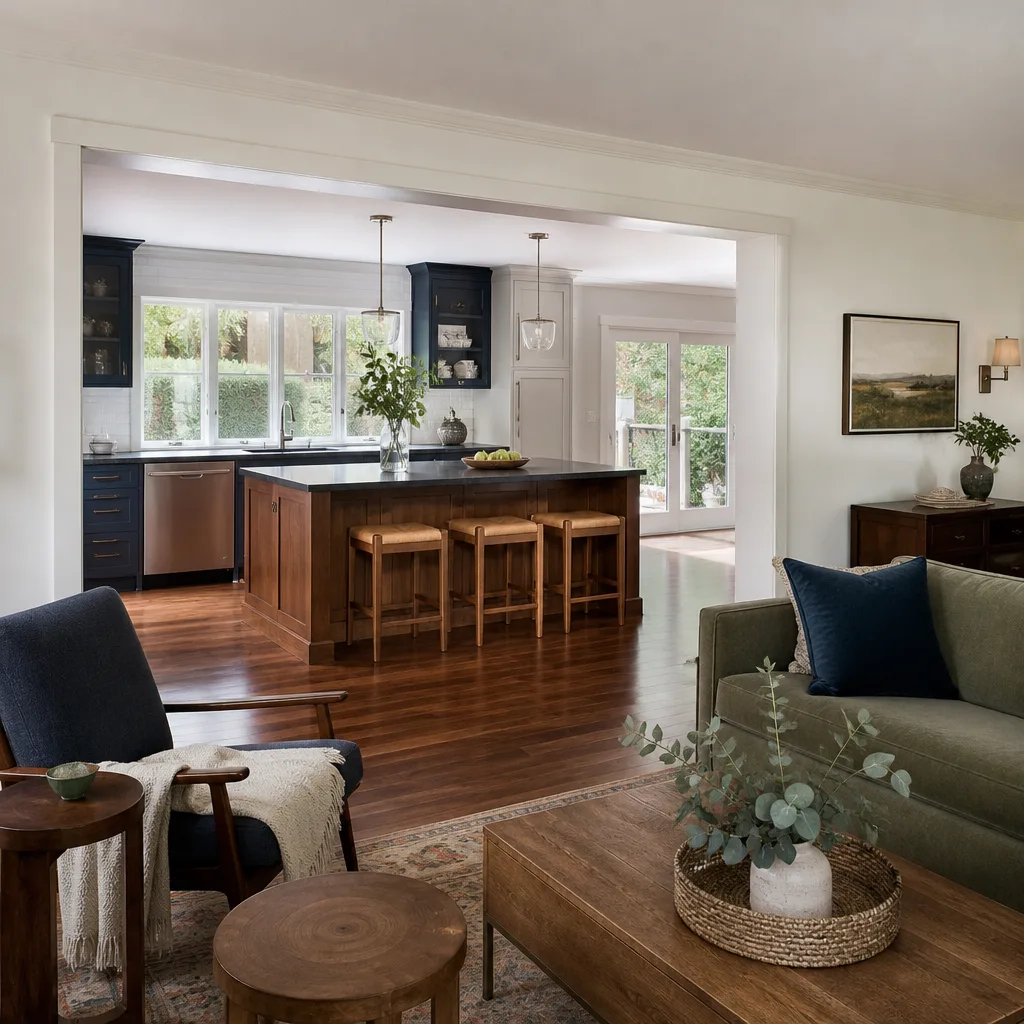
A Cutler Bay kitchen remodel succeeds or fails on three details: the electrical code the permit triggers, the materials that survive South Florida humidity, and the contract that keeps the job on price when appliance lead times move. Get the permit scope right before signing, insist on plywood cabinet boxes near water and heat, structure appliance allowances with named models and a lead-time clause, and hold any bid against a line-item document with a written workmanship guarantee. A kitchen built this way lands on budget, passes inspection, and holds up through a decade of Cutler Bay summers. That’s what a squared-away job looks like: documented scope, clean site, signed written guarantee in your hand at close.
If you’re ready for a written line-item price before any work starts, Bradford Remodeling Co Cutler Bay offers free estimates – call (833) 620-5491. A live person answers the phone, and our technicians have up to 22 years of experience.
Written by the team at Bradford Remodeling Co Cutler Bay.