Last updated November 18, 2026






Free written scope consultation - allowances, timeline, and change-order rules on paper before a single trade is scheduled
Choosing the Right Construction Brand: A Buyer’s Guide for Cutler Bay
A window can carry a Florida Product Approval number and still be illegal to install in Cutler Bay. That sounds like a contradiction, but it isn’t. Miami-Dade sits inside the High Velocity Hurricane Zone, and the HVHZ keeps its own approval list. A product can be legal in Tampa, Orlando, and Jacksonville and still fail a Cutler Bay inspection. In our experience, roughly a third of the window lines sold across Florida don’t carry the separate Miami-Dade approval. This guide shows you how to check the paper before your contractor orders a single pane of glass: approval numbers, pressure ratings, impact ratings, and the installation drawings that make or break an inspection in Cutler Bay.
Quick Answer
Choosing construction brands in Cutler Bay means checking for a Miami-Dade Notice of Acceptance (NOA), not just a Florida Product Approval. Every window, door, roof system, and shutter installed in the HVHZ needs that county-level approval, and the product must be installed exactly as the approved drawings show. If your contractor can’t produce the NOA number before ordering materials, you’ve found your first red flag.
Styles & brands we work with
- Kitchen remodeling
- Bathroom remodeling
- Home additions & ADU
- Roofing
- Windows & doors
- Driveway & pavers
- Fence
Table of Contents
- Why Miami-Dade Has Its Own Approval List
- How to Look Up a NOA Number on the County Portal
- Design Pressure vs. Large Missile Impact: Which Rating Cutler Bay Requires
- The Three-Layer Roofing Approval Rule
- Why “Impact-Rated” Doesn’t Always Mean “Hurricane-Rated”
- How to Verify the Product Goes In as Approved
- Matching Brands to Cutler Bay Conditions
- Common Mistakes to Avoid
Why Miami-Dade Has Its Own Approval List
Florida runs a statewide product approval system for construction materials that resist wind. Miami-Dade and Broward go further. Both counties sit in the High Velocity Hurricane Zone, a designation that predates the statewide system and outlives it. A Florida Product Approval says a product passed testing under the Florida Building Code. A Miami-Dade Notice of Acceptance says the county’s own reviewers examined that testing and accepted the product for use inside the HVHZ.
Those are two different reviews, and the second one is the one that matters at your inspection.
Cutler Bay sits fully inside the HVHZ. That means the NOA requirement applies to:
- Windows and sliding glass doors
- Exterior doors, including Therma-Tru entry systems
- Garage doors and their hardware
- Roof coverings and the underlayment systems beneath them
- Hurricane shutters and panels
- Skylights and roof-mounted vents that penetrate the envelope
Notice what isn’t on that list: paint, drywall, cabinetry, tile. Interior work falls under the Florida Building Code generally and the Miami-Dade amendments, but it doesn’t need a NOA. When people search for the best construction materials brands in Cutler Bay, they usually mean the envelope products, because that’s where the approvals bite. Your inspection report will name these products one by one, so every one of them needs paper behind it.
How to Look Up a NOA Number on the County Portal
Miami-Dade publishes its product approvals through an online portal managed by the county’s Building Code Compliance Office. You can search it yourself in about two minutes. Most homeowners never do, which is exactly why the guide matters.
- Ask your contractor for the NOA number for each product, not just the brand name. It’s usually printed on the product label and stamped on the NOA certificate.
- Open the county’s product control search and enter that number.
- Confirm the product description on the search result matches what’s being installed. A door NOA does not cover a window.
- Check the expiration date. NOAs get revised and reissued; an expired number means the approval has lapsed.
- Read the “Limitations” section. This is the part contractors skip and inspectors read first.
That last step matters more than the others. A NOA might approve a product for installation only up to a certain height, only with a specific anchor type, or only with a particular substrate. Some approvals also list required installation instructions by revision date. If your contractor is working from a three-year-old copy of the manufacturer’s installation guide and the NOA points to the current one, the approval technically voids.
When you call (833) 620-5491, our team can walk you through what to ask for. A written price before work starts is standard for us; so is handing over the approval documentation before the materials hit your driveway.
Design Pressure vs. Large Missile Impact: Which Rating Cutler Bay Requires
Design Pressure and Large Missile Impact answer two separate questions. DP answers “how much wind force can this product take?” LMI answers “what happens when a two-by-four hits it at 50 feet per second?” A Cutler Bay window needs both answers on the label.
Design Pressure is expressed as a number followed by a sign, like DP +50/-55. Those two figures matter: the positive number is the pressure pushing inward, the negative is the suction pulling outward. Along the coast, the suction figure is often the higher of the two, because wind doesn’t just push against a building, it peels it apart. Cutler Bay’s HVHZ position means your windows and doors need a higher minimum DP than the same home would in, say, Ocala.
Large Missile Impact is the test that uses a nine-pound piece of lumber fired at the product. Products that pass it carry a large missile designation. Products tested with smaller projectiles only carry a small missile rating, which is common in inland counties and insufficient inside the HVHZ.
Here’s the practical rule for Cutler Bay:
- Every window, exterior door, and sliding door needs a large missile impact rating, not just “impact-resistant” language.
- The DP rating needs to meet or exceed what the engineered plans specify for your home, which depends on your wind exposure.
- The NOA typically lists the specific DP range the product is approved for. A window approved at DP +40 isn’t automatically approved at a higher rating.
Ask for both numbers in writing. If a sales rep can only give you the impact rating, that’s a conversation to have before signing anything, not after the inspection fails.
The Three-Layer Roofing Approval Rule
Roofing has more approval layers than any other part of a Cutler Bay home, and they all have to line up in order. We’ve seen perfectly good IKO or Atlas shingles rejected because the underlayment under them didn’t match the approved system.
Layer one is the Florida Product Approval. This is the statewide approval that most roofing materials carry. It’s necessary, not sufficient.
Layer two is the Miami-Dade NOA. Roofing materials installed in Cutler Bay need this. The NOA typically covers a system, not just a shingle: specified underlayment, specified fasteners, specified attachment pattern.
Layer three is the manufacturer’s installation instructions, and they must match the NOA revision. Most manufacturers publish installation instructions with revision letters. Every time they update that document, the NOA usually gets revised too. If your crew installs from the old instructions, the approved system has been altered, and the approval is void.
Ask three questions before roofing starts:
- Which NOA governs this roof system, and is it current?
- Which installation instruction revision does that NOA reference?
- Which underlayment and fastener specifications are listed in the approval?
Roughly half of the residential roof failures we get called on in Cutler Bay come down to one of those three questions being skipped. When we pull a permit for a roof replacement here, the approval documentation is part of what we hand to the county, and a written price before work begins is part of what we hand to you.
Why “Impact-Rated” Doesn’t Always Mean “Hurricane-Rated”
The market uses those two phrases interchangeably. They are not the same, and the difference shows up on inspection day.
“Hurricane-rated” is a marketing phrase. There’s no single standard behind it. It can appear on a window that’s been tested for large missile impact and on one that’s barely passed a lighter test, depending on what the manufacturer wanted to claim.
“Impact-rated” points to a specific test standard, but which standard depends on the product category. Windows and doors are tested under the large missile standard. Garage doors get tested differently. Shutters are tested by their own protocol. Siding has its own testing family altogether. James Hardie siding, for example, carries product approvals for the wind zones it’s tested in, but the approval scope is different from a window NOA.
Here’s where this gets expensive in Cutler Bay. A homeowner buys a “hurricane-rated” garage door and a matching “hurricane-rated” front door from the same supplier. The garage door carries a Miami-Dade NOA. The front entry, a Therma-Tru, might carry a Florida Product Approval that covers the door slab but not the frame or sidelight system as installed. The door installs fine. The inspection flags the assembly, because the approval covers the door, not the whole opening.
The check that resolves this: look at the NOA’s product description, not the marketing brochure. It will list exactly what components the approval covers.
How to Verify the Product Goes In as Approved
The number one reason an approved product fails inspection is not a bad product. It’s a good product installed in an unapproved configuration. The NOA approves the product and the drawing together.
Ask for the installation drawings before the crew starts. Every manufacturer publishes them, and the NOA points to a specific revision. The drawings show anchor spacing, fastener type, substrate requirements, flashing details, and sealant locations.
Onsite, those drawings should be in one of three places:
- Printed and posted at the work area, so the crew works from them
- On the inspector’s clipboard, so the inspection references them
- In your kitchen folder, so you have a copy
If none of those exist, ask where they are. It’s a fair question and a good one. A crew that has the drawings at hand is a crew that’s being held to the approval. If you’re remodeling a kitchen or a bathroom, the envelope products (windows, exterior doors) change during the work, so this check applies to any project that touches the exterior walls. Our Kitchen Remodeling in Cutler Bay projects treat the window and door approvals as step one of the scope, not a footnote. The same applies to our Bathroom Remodeling in Cutler Bay work where exterior windows are swapped.
Matching Brands to Cutler Bay Conditions
Cutler Bay’s conditions narrow the brand list before price enters the conversation. The area sits in a salt air wind corridor, so coastal corrosion protection matters more than it would in a suburb farther inland. Rain loads in late summer come with long-duration soak, which puts pressure on window seals and door thresholds. The HVHZ approval list limits which lines from each brand are actually installable.
What that means in practice:
- Roofing: IKO, Atlas, and Tamko all produce shingles with HVHZ approvals, but not every product line in their catalog carries a Miami-Dade NOA. The approval is per-article. Verify the article, not the brand.
- Entry doors: Therma-Tru publishes approvals at the door-and-frame assembly level, which is the level inspectors check. Ask for the assembly documentation, not just the slab.
- Siding: James Hardie products are widely approved in South Florida, but the approval specifies fastener type and sheathing requirements. A crew that substitutes fasteners voids the approval.
- Trim and accents: Boral products can appear in approved configurations, but each article needs its own approval check.
The right move for a Cutler Bay homeowner isn’t to pick a brand first. It’s to pick the approved product for your home, then confirm the brand. Our General Contractor in Cutler Bay projects work that way, and it’s the way the county expects the paperwork to flow.
Common Mistakes to Avoid
- Accepting a Florida Product Approval as HVHZ compliance. They’re different review processes. If a contractor shows you a FL# with no NOA#, ask why. In Cutler Bay, the FL# alone won’t pass.
- Trusting the marketing brochure over the NOA description. “Hurricane-rated” language doesn’t define scope. The NOA does. Read the product description line by line.
- Installing from outdated instructions. If your NOA points to install revision C and the crew is working from revision A, the approval voids. Ask for the revision date before day one.
- Assuming a door approval covers the entire opening. A slab approval doesn’t cover a sidelight system. In Cutler Bay, inspectors check the assembly.
- Ordering materials before approvals are verified. A window that arrives without a NOA can’t be installed, and a return may not be possible. Verify first, order second.
- Forgetting underlayment on a roof approval. Shingles and underlayment are a single approved system. Mismatched underlayment voids the system even if both products are approved individually.
- Skipping the installation drawings. No drawings on site means no proof the approved configuration is being followed. That’s a fail waiting to happen.
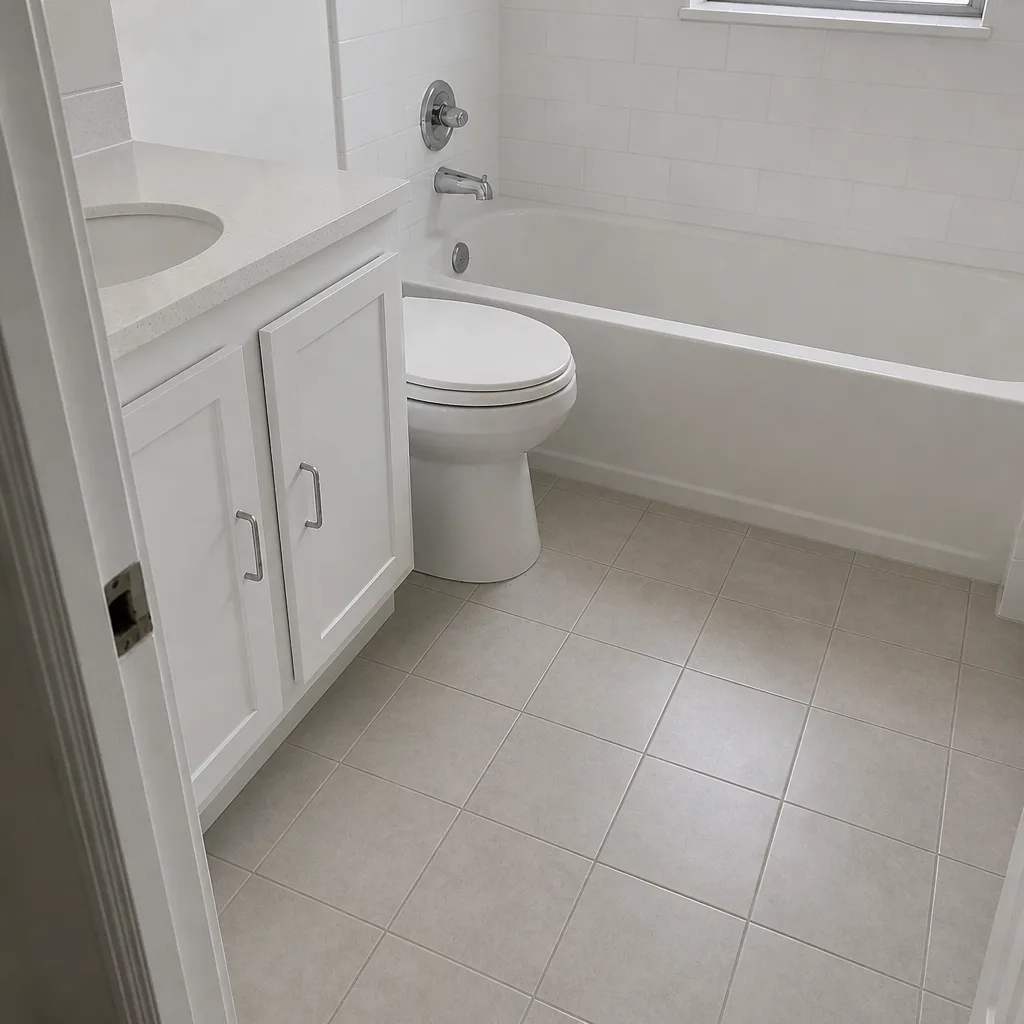
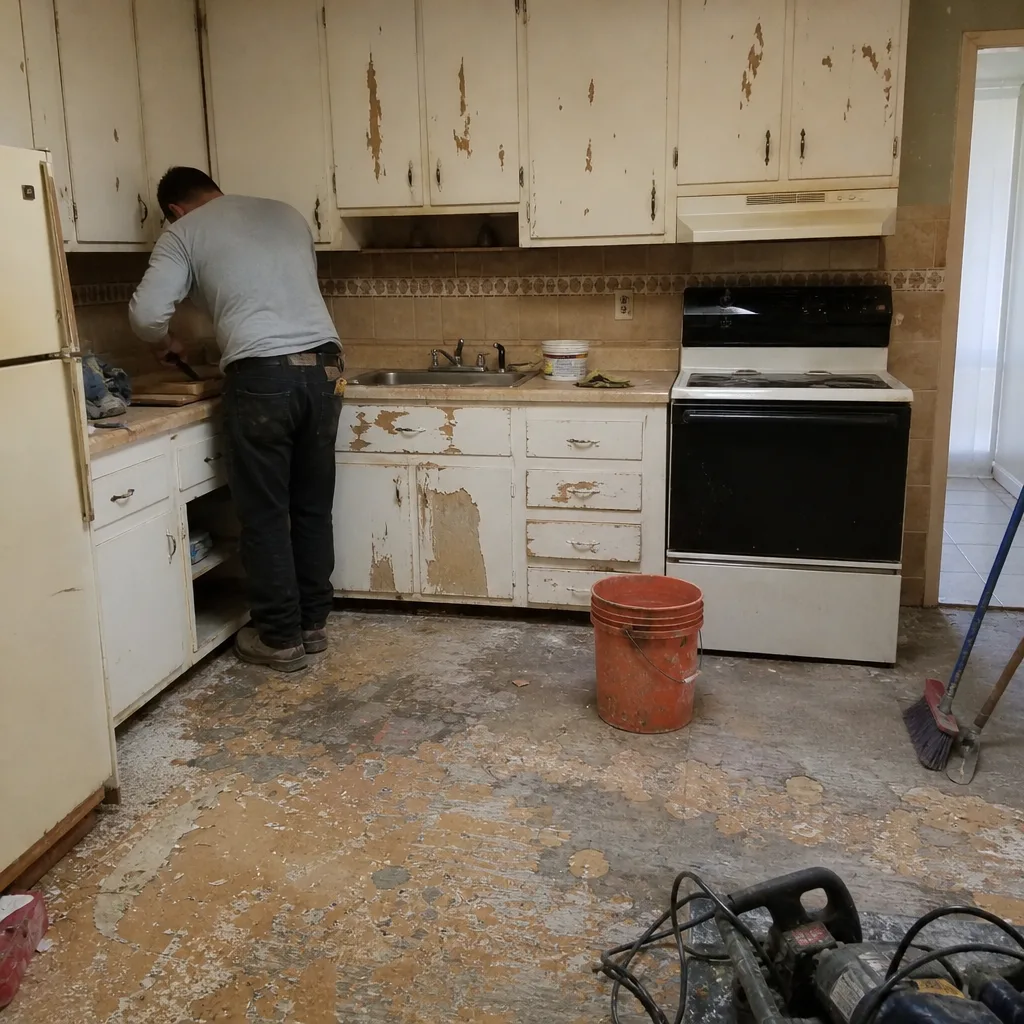
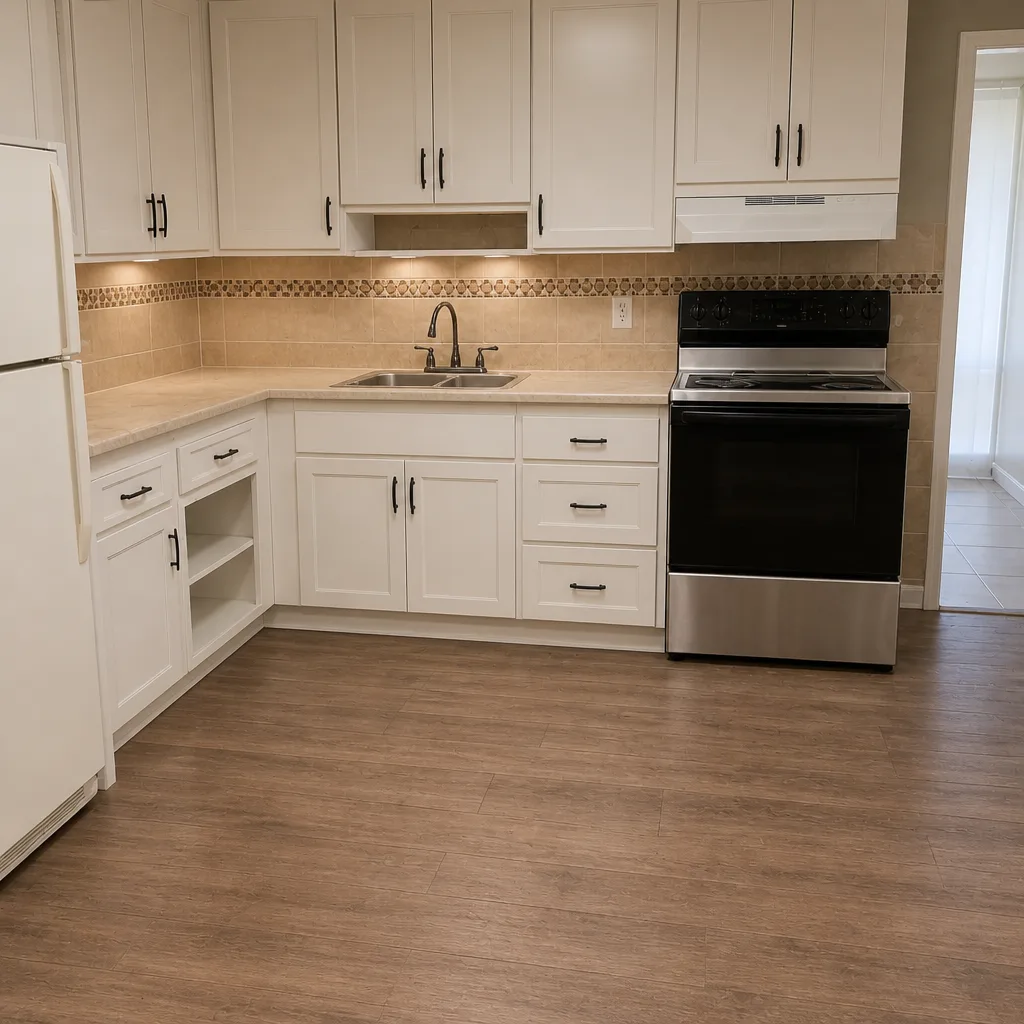
See the difference
 Before
 After
 Before
 After
 Before
 After
When to Call a Professional
If you’re replacing windows, doors, or a roof in Cutler Bay, the approval research is real work and the stakes are high. Call a professional when: you’re in the HVHZ permit process and don’t want to read NOA limitations on your own; a prior contractor installed products without verifiable approvals and you need to know if they’ll pass a future inspection; you’re planning a kitchen or whole-home remodel that will touch the exterior envelope; or you’ve been handed a bid that never mentions approvals. Bradford Remodeling Co Cutler Bay offers free estimates in Cutler Bay and hands you the approval documentation alongside the price: call (833) 620-5491. A free estimate gets you a written price before any work starts, and our technicians carry up to 22 years of experience with HVHZ installs.
Frequently Asked Questions
Yes. Cutler Bay is inside the High Velocity Hurricane Zone, so every window, sliding glass door, and exterior door needs a Miami-Dade Notice of Acceptance, in addition to any Florida Product Approval. The Florida approval alone is not sufficient for installation in Cutler Bay. Call (833) 620-5491 for a free estimate and we’ll walk you through what approvals your project needs.
A Florida Product Approval is a statewide approval under the Florida Building Code. A Miami-Dade NOA is a county-level review specific to the HVHZ, which examines testing independently and can approve a narrower product scope. They are separate documents with separate numbers, and Cutler Bay requires both. Call us for a free estimate if you want help reading the scope on either one.
No. “Hurricane-rated” is a marketing term with no single testing standard behind it. “Impact-rated” refers to a specific test, and the standard varies by product category. A window’s approved rating is defined by its NOA, not by the label on the brochure. Call (833) 620-5491 to schedule a free estimate and we’ll confirm the actual approvals before ordering anything.
It should not. At Bradford Remodeling Co Cutler Bay, you get a written price before any work begins, and there are no numbers that move at the door. If the scope changes at your request, we price the change in writing before doing the change. Call (833) 620-5491 for a free estimate with a written line-item price.
Verification itself is quick, usually under five minutes per product on the county portal, but your contractor needs to have the numbers in hand to start. Build the approval check into the early planning stage, before you order windows or roofing. Call (833) 620-5491 to schedule a free estimate and we’ll build the approval timeline into your project plan.
The installation can fail inspection, and in some cases it can be flagged later during a sale, refinance, or insurance review. The fix is usually replacement with an approved product, which means paying twice for the same opening. Call (833) 620-5491 for a free estimate on corrective work, and we’ll tell you what’s salvageable before you spend anything.
The Bottom Line

Choosing construction brands in Cutler Bay comes down to paper, not marketing. Every window, door, and roof system needs a Miami-Dade NOA, not just a Florida Product Approval. Design Pressure and Large Missile Impact ratings both have to appear on the label, and the installation drawings on site have to match the NOA revision. Roofing has three approval layers, and any mismatch voids the system. Impact-rated and hurricane-rated aren’t synonyms, and the NOA product description is the only reliable scope. Verify approvals before any materials are ordered. Our Bradford Remodeling Co Cutler Bay home page covers the full scope of what we do across the neighborhood, and every project comes with a written price before work begins and the 365-Day Done Right Promise: a full-year written guarantee, with a free return visit if the work doesn’t hold. If you want it squared away from the first page of paperwork, call (833) 620-5491 for a free estimate.
Written by the team at Bradford Remodeling Co Cutler Bay.